Building self-care skills is super important for helping autistic children gain independence. But let’s be real - many kids face some tough challenges when it comes to mastering these essential tasks. Did you know that a staggering 82.9% of children with autism struggle with personal management? That’s a big number and highlights just how crucial it is for us to provide targeted support.
This article is here to be your go-to guide! We’ll share practical strategies and insights to help enhance self-care abilities, empowering your child to tackle daily routines with confidence. So, how can you effectively assess and teach these vital skills while creating a supportive and encouraging environment? Let’s explore this together!
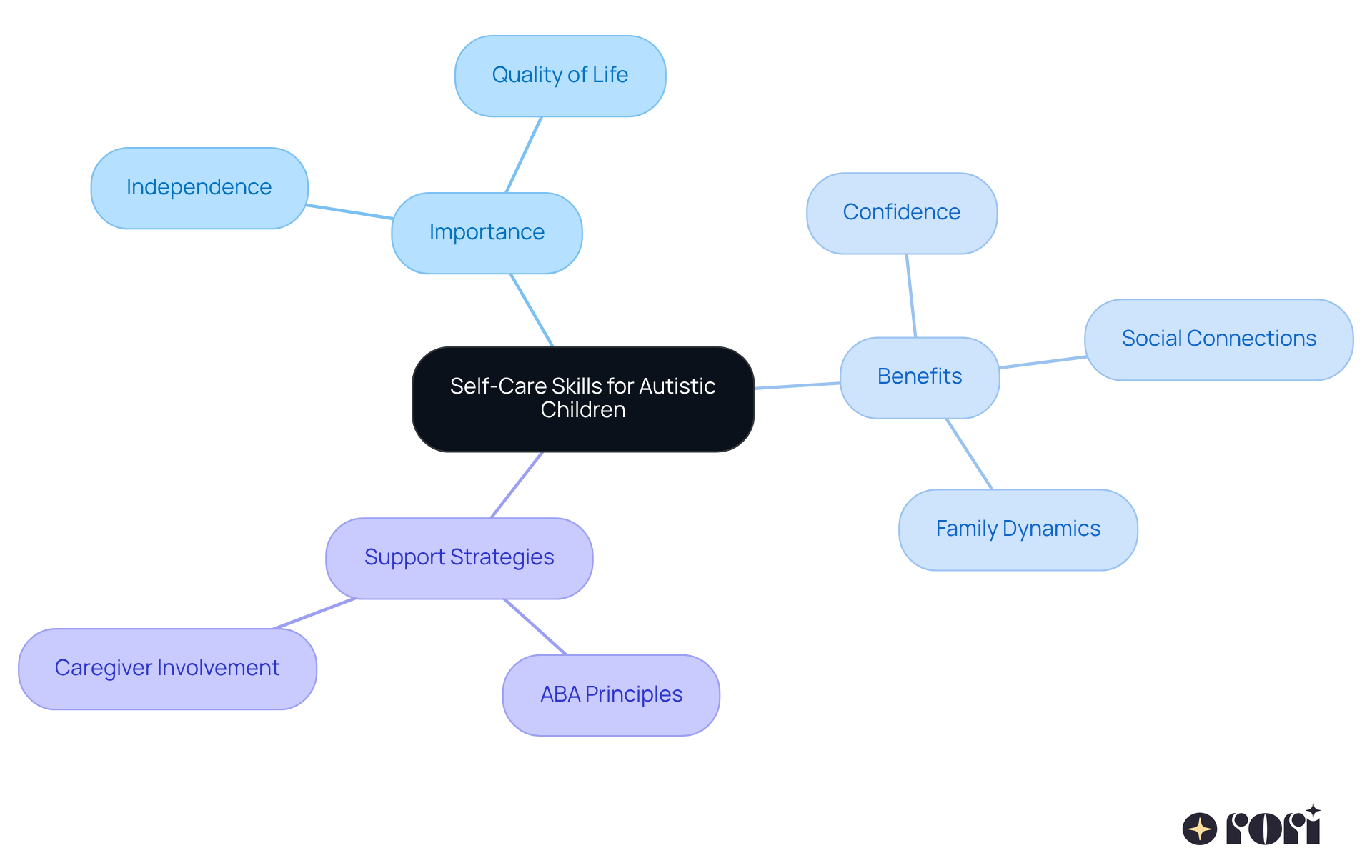
Self-care practices are essential for kids, helping them manage their , washing their hands, getting dressed, and keeping up with hygiene. For children with autism, building is extremely important as it significantly impacts their independence and overall quality of life. Did you know that studies show ? This highlights just how crucial focused support can be in in autistic children.
When kids develop , it not only and reduces reliance on caregivers. Caregivers who use can make informed decisions that positively influence their child's growth. As young ones learn to handle their , they gain a sense of control that’s vital for their emotional and social development. Plus, being able to take care of personal tasks can really improve . Mealtime and daily activities can turn into chances for positive interactions instead of stressors. Families can help their kids with autism thrive and gain more independence by focusing on in autistic children, even as they face challenges while growing up. Rori Care is dedicated to supporting neurodiversity, and our skilled clinical leadership team is here to help families . Let’s explore this journey together!
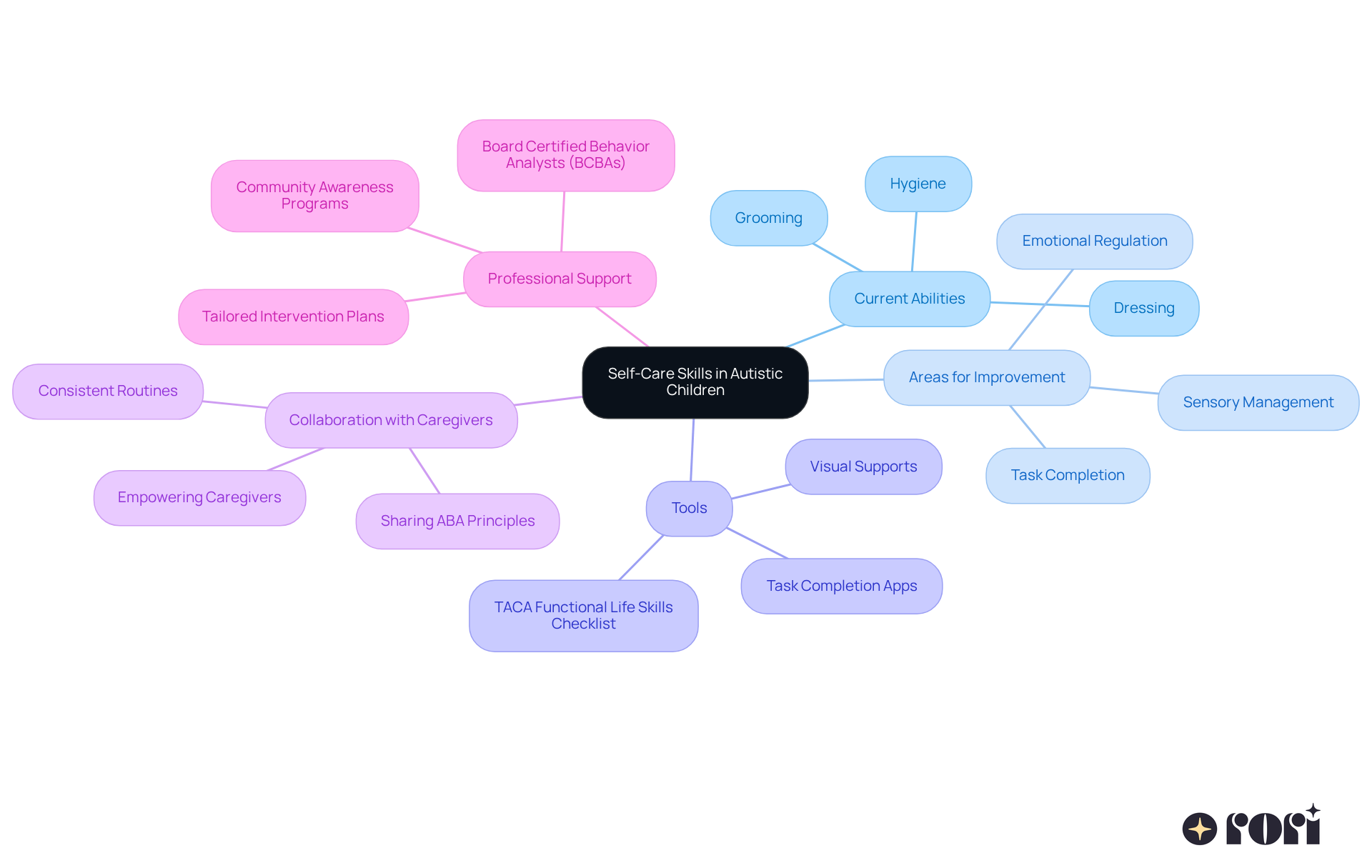
Take a moment to really observe your child's progress in building . What can they do on their own? Think about tasks like dressing, grooming, and hygiene. It’s also important to note what they struggle with in the context of . A handy tool like the can help in building in a structured way. And don’t hesitate to reach out to , for a deeper understanding of your child's strengths and areas for growth. This well-rounded approach not only highlights what they do well but also focuses on to address areas where they might need a little extra help. Once you have this insight, you can prioritize which skills to tackle first. This focused strategy makes teaching smoother and ensures your child gets the to thrive.
To make this process even more effective, it’s super important to who cares for your child. By sharing the principles of with caregivers, they can make informed choices that support building and help your child progress. At Rori Care, our behavior care engine adjusts intervention and skill-building plans after each session based on the progress made. This means treatment plans are flexible and tailored to your child’s changing needs. When caregivers and professionals work together, it not only creates consistency at home but also empowers caregivers, boosting their confidence in supporting their child’s goals. Plus, it helps reduce stress and improves family dynamics. Let’s explore this together!
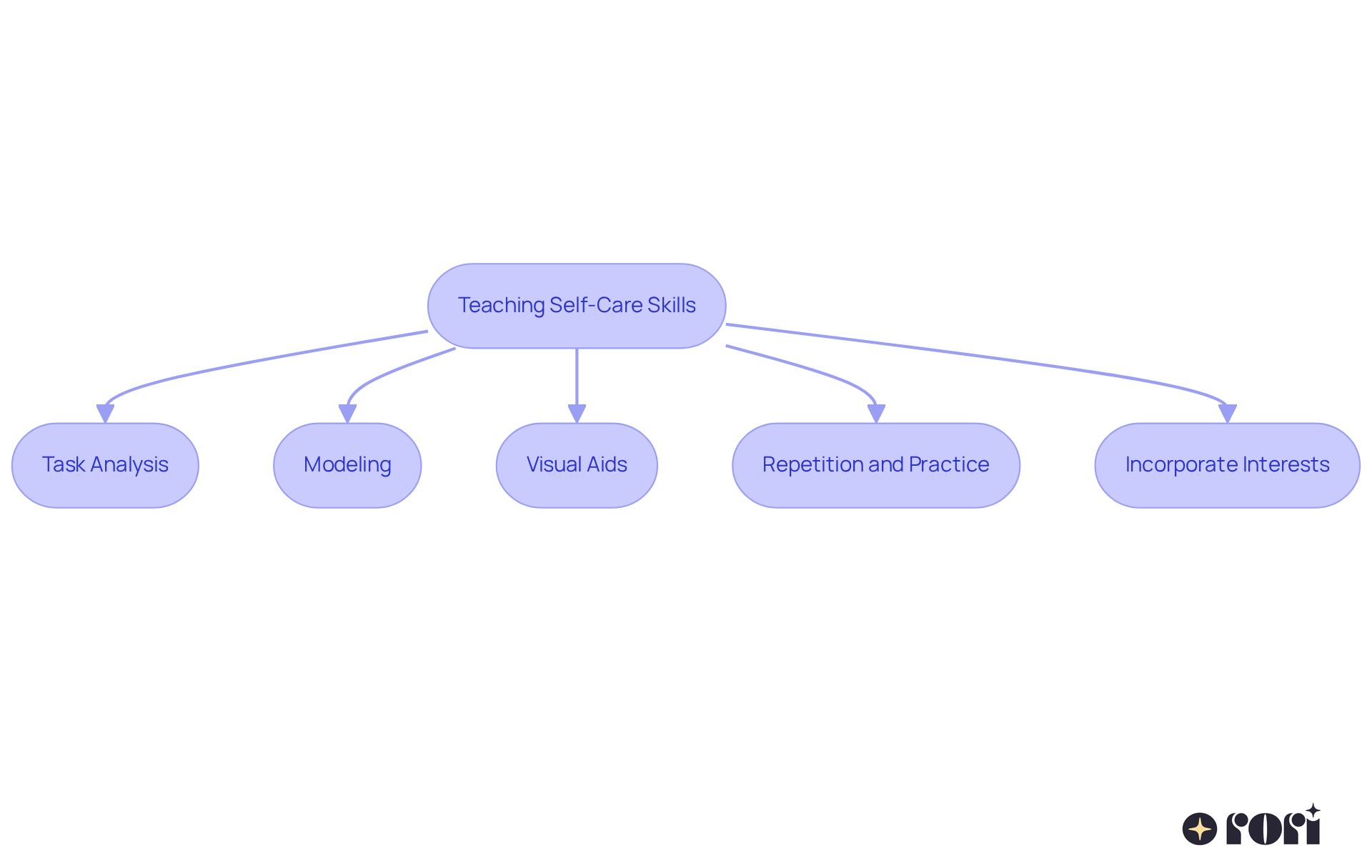
Teaching building in autistic children can feel like a big task, but with the right strategies, it can be a rewarding journey! Here are some friendly tips to help you along the way:
By using these strategies, you can promote independence and focus on in autistic children. It’s all about paving the way for greater autonomy in daily living. This approach not only empowers young individuals but also equips caregivers with the essential ABA principles for effective behavioral support.
Let’s explore this together! We’re here to help you every step of the way!
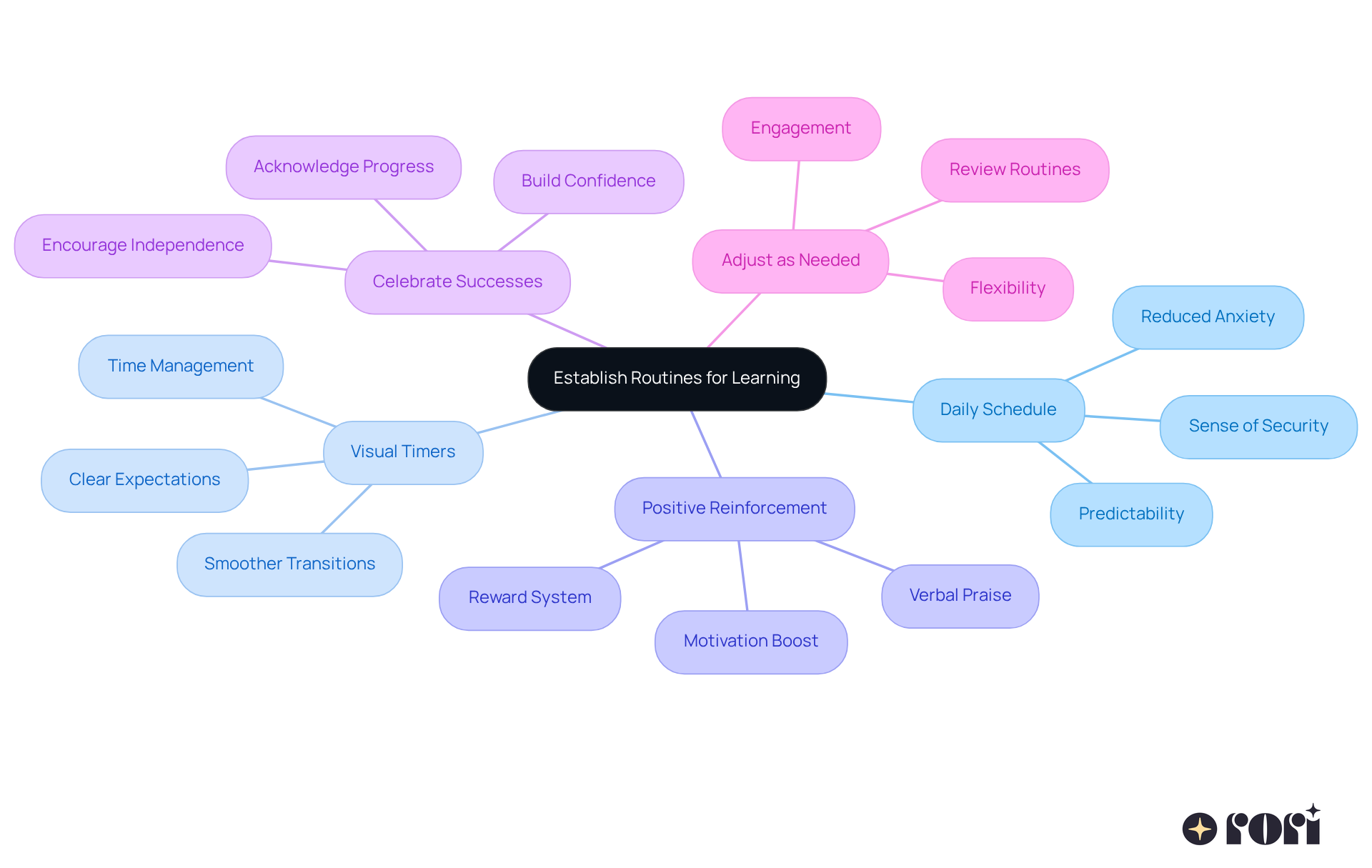
Establishing a regular schedule for personal care activities can significantly contribute to building and enhance their learning experience. Let’s dive into some steps to create effective routines:
Let’s explore this together! We’re here to help you every step of the way!
Building self-care skills in autistic children isn’t just a valuable endeavor; it’s a journey that can truly transform their lives. By focusing on these essential skills, caregivers can empower their kids to handle personal tasks, which not only reduces reliance on others but also boosts their confidence. This foundational aspect of development is so important for emotional and social growth, leading to happier family dynamics.
Throughout this article, we’ve shared some key strategies to help in this process. From assessing current abilities to using effective teaching methods like task analysis, modeling, and visual aids, each step is tailored to meet the unique needs of autistic children. Establishing routines and using positive reinforcement can really solidify these skills, making daily activities more predictable and rewarding. When caregivers and professionals work together in a supportive environment, progress becomes not just possible, but sustainable.
The importance of building self-care skills in autistic children can’t be overstated. It’s an invitation to create a nurturing space where kids can thrive, develop their independence, and engage meaningfully with the world around them. By embracing these strategies and committing to this journey, caregivers not only enhance their children’s lives but also contribute to a more inclusive society that celebrates neurodiversity. Let’s take this as a call to action for families and educators alike to invest in the growth and independence of autistic children, paving the way for a brighter future. We’re here to help you every step of the way!
What are self-care skills and why are they important for autistic children?
Self-care skills are practices that help children manage their personal needs, such as brushing their teeth, washing their hands, getting dressed, and maintaining hygiene. For autistic children, these skills are crucial as they significantly impact their independence and overall quality of life.
How prevalent is the struggle with personal management skills among autistic children?
Studies show that 82.9% of children with autism struggle with personal management skills, highlighting the need for focused support in building self-care skills.
What benefits do children gain from developing self-care skills?
Developing self-care skills boosts children's confidence, strengthens social connections, and reduces reliance on caregivers. It also fosters a sense of control that is vital for their emotional and social development.
How can caregivers support autistic children in building self-care skills?
Caregivers can use Applied Behavior Analysis (ABA) principles and strategies to make informed decisions that positively influence their child's growth in self-care skills.
What impact does developing self-care skills have on family dynamics?
When children can take care of personal tasks, it can improve family dynamics by turning mealtime and daily activities into opportunities for positive interactions rather than stressors.
How does Rori Care assist families with autistic children in developing self-care skills?
Rori Care is dedicated to supporting neurodiversity and has a skilled clinical leadership team that helps families navigate challenges and encourages growth in building self-care skills for autistic children.