Building self-determination in children with autism isn’t just a nice idea; it’s a vital step toward independence and empowerment. By nurturing autonomy, parents can help their kids navigate life with confidence, leading to better outcomes in school and beyond. But let’s be real - the journey to self-determination can be tough. How can parents effectively equip their children with the skills they need to advocate for themselves?
In this article, we’ll explore:
These elements can turn the journey of children with autism into one of self-advocacy and personal growth. Let’s dive in together!
Building self-determination in children with autism involves giving individuals the power to make choices and decisions about their own lives. Promoting independence is super important for building self-determination in children with autism. It helps them take control of their actions and advocate for their needs. Did you know that research shows autonomy is linked to better outcomes in education, employment, and overall well-being? For instance, only 9% of autistic adults without intellectual disabilities achieve functional independence. This really highlights how crucial early autonomy education is! By understanding and encouraging autonomy, parents can contribute to building self-determination in children with autism, helping them develop essential skills that lead to greater independence and confidence in navigating their world.
Engaging young people in decision-making and promoting goal-setting are fantastic ways of building self-determination in children with autism. Case studies reveal that kids who participate in Individualized Education Program (IEP) meetings are essential for building self-determination in children with autism, as they develop vital communication skills and confidence that boost their ability to advocate for themselves. As Anthony Ianni puts it, "At the end of the day, we don’t dream our lives… WE LIVE THEM!" This really drives home the message of empowerment and living actively.
Additionally, resources like the Integrated Self Advocacy (ISA) Curriculum provide structured lesson plans that can assist parents in building self-determination in children with autism. Visual aids, such as picture schedules and sensory cards, empower young individuals to express their needs clearly, supporting their self-advocacy journey.
By actively encouraging autonomy and fostering independence through essential skill development, parents can guide their children toward building self-determination in children with autism while achieving their behavioral goals. This approach not only promotes personal growth but also focuses on building self-determination in children with autism, instilling a sense of pride and ownership in their journey and reinforcing the belief that they can shape their own futures. Plus, when caregivers understand ABA principles and strategies, it enhances their ability to support their children's development, creating a nurturing environment that maximizes the effectiveness of interventions.
Let’s explore this together! We’re here to !

To assist children with autism in becoming more self-determined, parents should concentrate on building self-determination in children with autism by [fostering essential skills and traits](https://rori.care/post/10-aba-strategies-for-promoting-independence-in-daily-activities). Here are some key areas to consider:
By focusing on these skills, parents can create a nurturing environment that promotes building self-determination in children with autism from an early age. This ultimately helps children navigate life with confidence. It’s also important to note that about 14.8 out of every 1,000 youths are diagnosed with a spectrum disorder (ASD), which underscores the need for these skills in a growing population. Recognizing systemic issues can give a fuller picture of the challenges faced by individuals with autism and their families. With the active involvement of caregivers, guided by ABA principles, we can significantly enhance these developmental outcomes, ensuring that young individuals receive the consistent support they need to thrive.
Let’s explore this together! Your journey in is important, and we’re here to help you every step of the way!
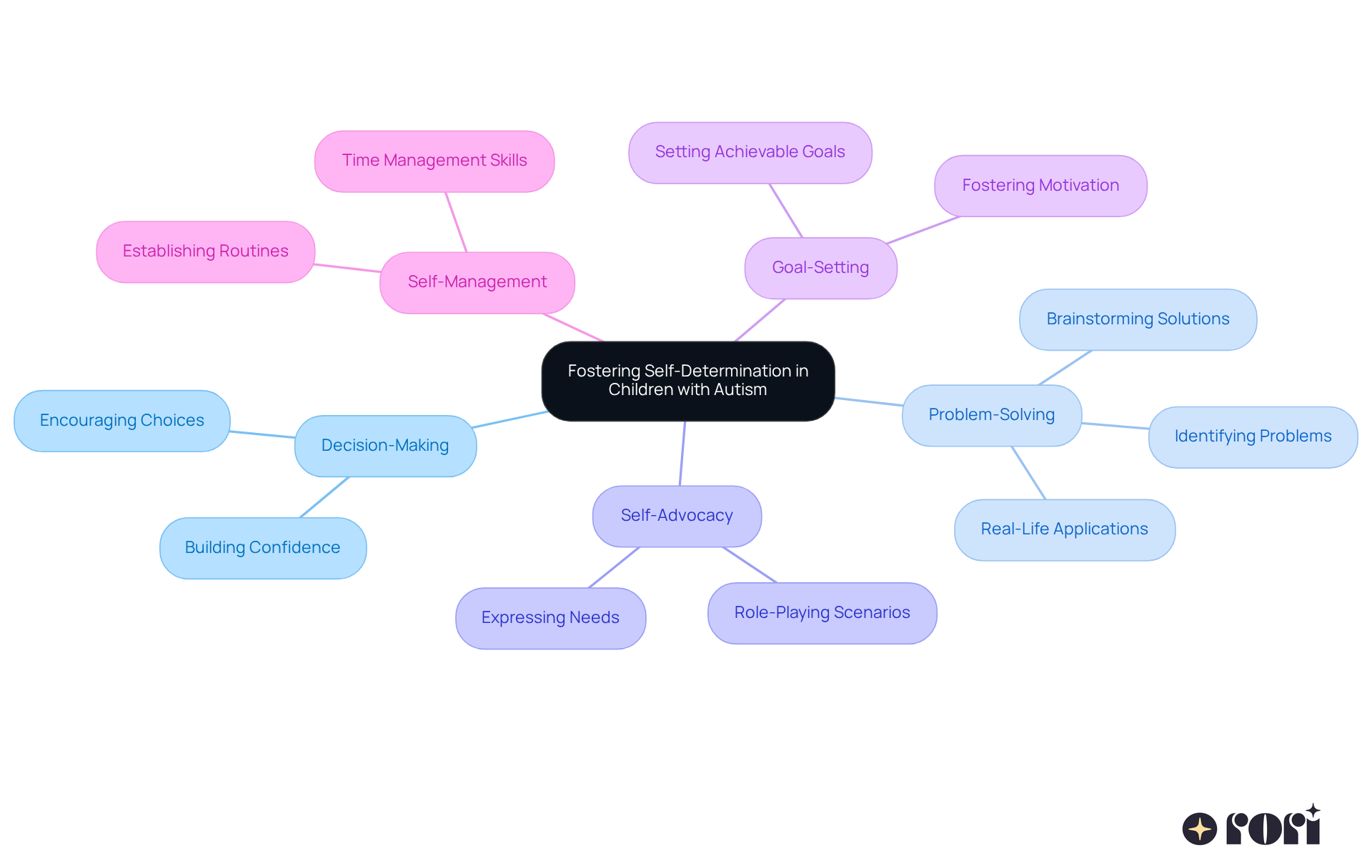
To effectively cultivate self-advocacy skills in children with autism, parents can adopt some friendly strategies that make a real difference:
By consistently applying these strategies, you can help your child in building self-determination in children with autism, allowing them to develop strong self-advocacy abilities that will support them throughout their lives. Let’s explore this together!

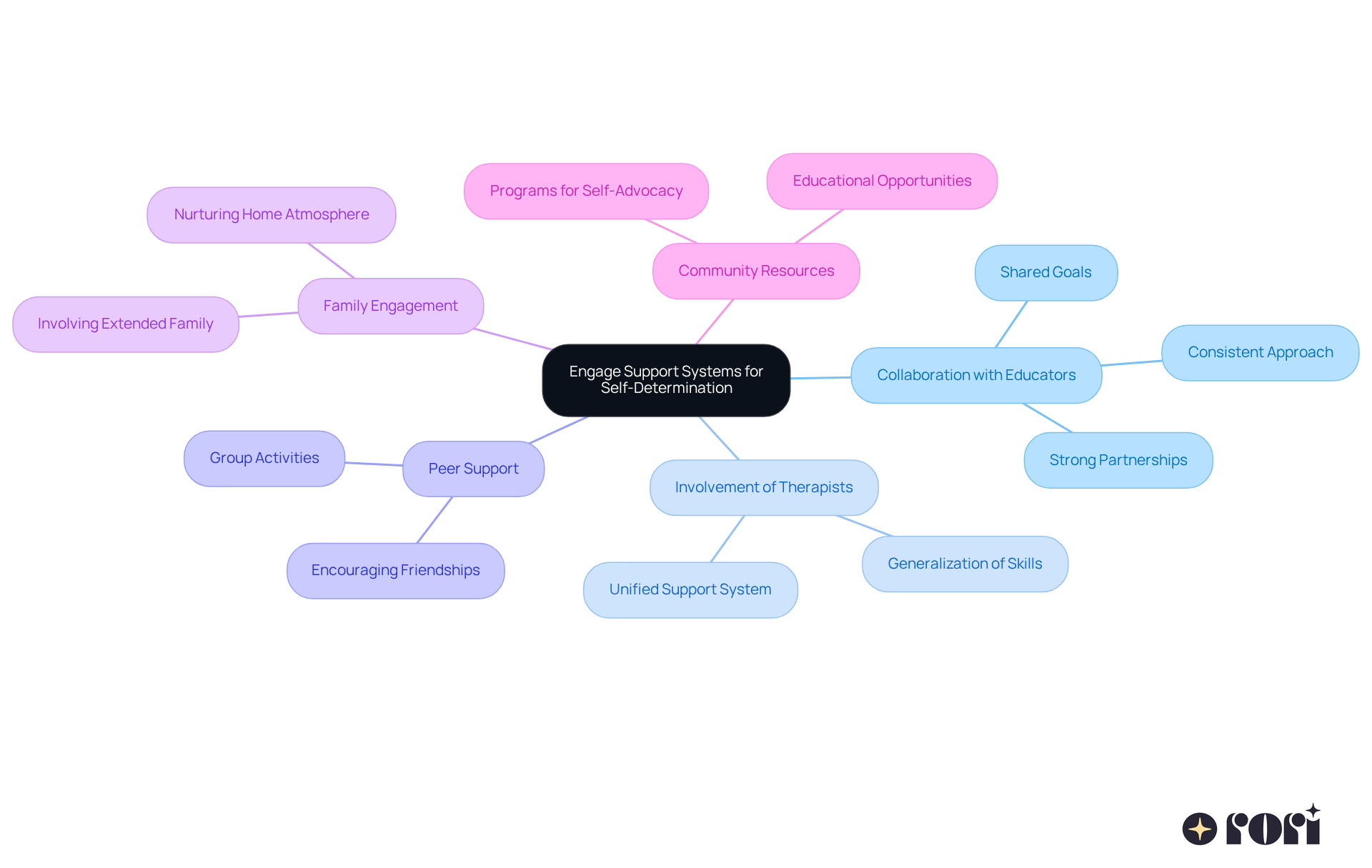
To effectively boost building self-determination in children with autism, parents can tap into various . Let’s explore this together!
By engaging these support systems, you can create a strong network that is essential for building self-determination in children with autism. This ultimately leads to greater independence and confidence. We’re here to help you every step of the way!
Building self-determination in children with autism is so important for helping them become independent and make choices that truly shape their lives. This journey not only boosts their ability to advocate for themselves but also leads to better outcomes in areas like education and employment. By prioritizing autonomy and involving kids in decision-making, parents can really help build their confidence and self-advocacy skills.
Throughout this article, we’ve highlighted key strategies like:
as essential parts of developing self-determination. It’s also crucial to engage support systems - think educators, therapists, and family members - because these collaborations create a unified approach that reinforces the skills children need to thrive. Utilizing resources like the Integrated Self Advocacy Curriculum and visual aids can further support parents in this important journey.
Ultimately, fostering self-determination in children with autism isn’t just about teaching skills; it’s about instilling a sense of pride and ownership over their lives. By actively supporting their journey toward autonomy, parents and caregivers can help ensure that these children grow into confident individuals who can navigate the world on their own terms. Engaging in this process is a meaningful commitment that can have lasting impacts on their future. So, let’s take those proactive steps together! We’re here to help you every step of the way!
What is self-determination in the context of children with autism?
Self-determination for children with autism involves empowering them to make choices and decisions about their own lives, promoting independence and control over their actions.
Why is promoting independence important for children with autism?
Promoting independence is crucial for building self-determination, as it helps children take control of their actions, advocate for their needs, and leads to better outcomes in education, employment, and overall well-being.
What does research indicate about autonomy in autistic adults?
Research shows that only 9% of autistic adults without intellectual disabilities achieve functional independence, highlighting the importance of early autonomy education.
How can parents contribute to building self-determination in their children with autism?
Parents can contribute by understanding and encouraging autonomy, engaging their children in decision-making, and promoting goal-setting, which helps develop essential skills for greater independence and confidence.
What role do Individualized Education Program (IEP) meetings play in building self-determination?
Participation in IEP meetings allows children to develop vital communication skills and confidence, which boosts their ability to advocate for themselves.
What resources can assist parents in building self-determination in children with autism?
Resources like the Integrated Self Advocacy (ISA) Curriculum provide structured lesson plans, while visual aids such as picture schedules and sensory cards help children express their needs clearly.
How can caregivers enhance their ability to support children with autism?
By understanding Applied Behavior Analysis (ABA) principles and strategies, caregivers can create a nurturing environment that maximizes the effectiveness of interventions for their children's development.
What is the overall goal of fostering self-determination in children with autism?
The goal is to promote personal growth, instill a sense of pride and ownership in their journey, and reinforce the belief that they can shape their own futures.