Introduction
Choosing the right data-driven ABA therapy plan for your child can feel a bit overwhelming, right? With so many options out there, it’s easy to get lost. This scientifically validated approach not only helps enhance specific behaviors and skills but also highlights the importance of personalized treatment tailored to your child’s unique needs.
But how can you be sure you’re picking the most effective plan that truly supports your child’s growth and development? 🤔 Exploring the essential components of ABA therapy and engaging in a collaborative evaluation process can really open the door to meaningful progress and success. Let’s explore this together!
Understand the Basics of ABA Therapy
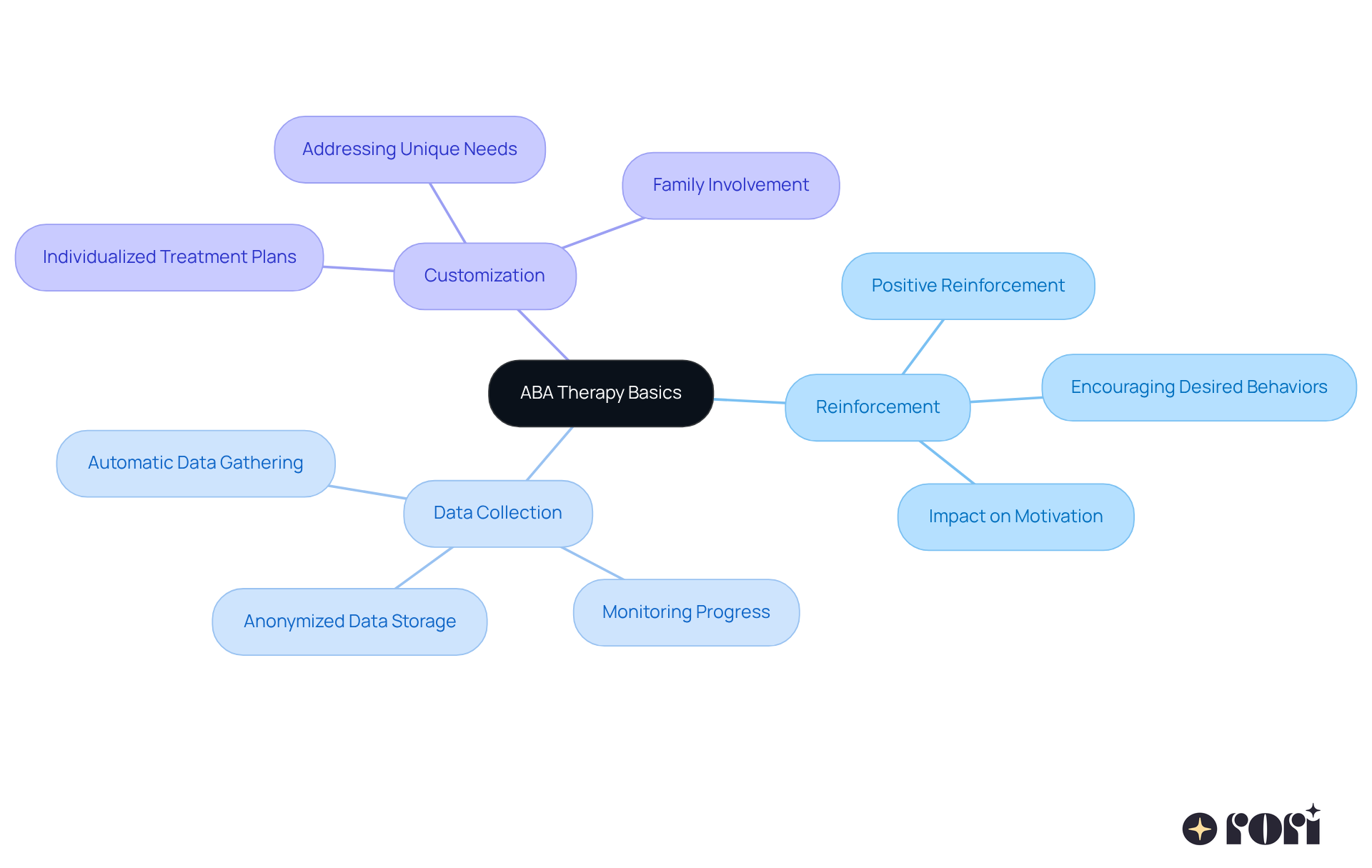
Applied Behavior Analysis (ABA) intervention is a scientifically validated method designed to enhance specific behaviors and skills through . Grounded in behaviorism, ABA emphasizes how behavior interacts with environmental influences. Let’s break down some key components of this approach:
- Reinforcement: is a cornerstone of ABA, encouraging desired behaviors by providing rewards. This approach has shown to significantly boost involvement and motivation in young individuals, leading to .
- : Keeping an eye on behaviors is essential for tracking progress. At Rori Care, we use automatic data gathering during clinical sessions, ensuring our clinical team is always there for your child without interrupting the treatment process. All information is safely stored, anonymized, and removed after evaluation, allowing us to monitor improvements and make necessary adjustments to treatment plans.
- : Each treatment plan is carefully crafted to meet the unique needs of the child. This personalized approach is vital for maximizing the effectiveness of interventions, especially when choosing the right , as it takes into account individual strengths, challenges, and preferences.
Recent studies highlight the . When these techniques are applied consistently, kids often show . Real-life examples illustrate how can transform a child’s behavior, nurturing skills that are essential for everyday life.
By understanding these foundational elements, parents can engage more effectively in their child’s healing journey and advocate for that support their growth and development. It’s also important to think about the , as costs can vary widely based on the severity of ASD, location, and therapist experience. Ethical considerations surrounding ABA therapy deserve attention too, as they play a crucial role in shaping the practice and ensuring it aligns with the best interests of the individual.
Let’s explore this together! We’re here to help you every step of the way!
Evaluate Personalized Treatment Plans
When you're looking at a for your child, it helps to keep a few key steps in mind:
- Review Goals: First off, let’s make sure the goals in the plan are . This not only clears up what to expect but also makes it easier to track progress along the way.
- Assess Approaches: Next, think about the that fit your child’s unique strengths and challenges. These strategies should be backed by research and proven to assist in choosing the right to .
- Involve the Team: Don’t forget to ! Chatting about the reasons behind the chosen strategies and how they’ll be put into action can really help. Open communication keeps everyone on the same page and supports your child’s growth.
- Monitor Adjustments: Lastly, it’s super important to during sessions. This ongoing assessment ensures that remains relevant and responsive to your child’s progress.
By getting involved in this evaluation process, you’re playing a crucial role in making sure your child gets the most effective and personalized care. Together, we can work toward ! Let’s explore this journey together!

Assess Your Child's Needs and Provider Qualifications
To effectively assess your child's needs and find the right , let’s take a look at some helpful steps:
- Identify Needs: Start by taking a good look at your little one’s strengths and challenges. What specific behaviors need some extra attention? Understanding these aspects is key to choosing the right that effectively fits.
- Research Providers: Seek out or licensed professionals who specialize in ABA therapy for kids with autism. Did you know that the by 1,942% from 2010 to 2018? That’s a clear sign of how much their expertise is valued!
- Check Credentials: It’s important to verify the you’re considering. Look into their education, certifications, and experience with children on the autism spectrum. As of 2023, there are over 40,000 BCBAs worldwide, which means there’s a solid pool of qualified professionals out there.
- Ask Questions: Don’t hesitate to chat with potential providers about their . How do they develop ? What methods do they use to track progress? Open communication and transparency are great indicators of a provider’s commitment to helping your child succeed.
By ensuring that the provider is not only qualified but also sensitive to your child’s unique needs, you can greatly increase the chances of when choosing the right . This can lead to for your little one. Let’s explore this journey together!

Monitor Progress Through Data-Driven Strategies
To keep an eye on your child's progress in ABA therapy, here are some friendly strategies you might find helpful:
- : Team up with your therapist to set up a simple system for tracking specific behaviors and skills. This organized approach is key to understanding how well the interventions are working and is crucial for choosing the right to fit your child's unique needs.
- : Make it a point to have regular catch-ups with the treatment team to go over progress reports. These chats are super important for , as they help in spotting trends and making any necessary with your child's evolving needs.
- : Consider using to see progress over time. Research shows that can really boost the , making it easier to spot patterns and areas that might need a little extra attention.
- : Keep the lines of communication open between you and the therapists. Creating a ensures that both parents' and professionals' insights are included in the ongoing treatment, which can really enhance the overall effectiveness of choosing the right .
By getting involved in these monitoring strategies, you can help ensure that your child's ABA treatment remains effective and responsive to their unique needs. Let’s explore this together!

Engage in Family-Centered Care
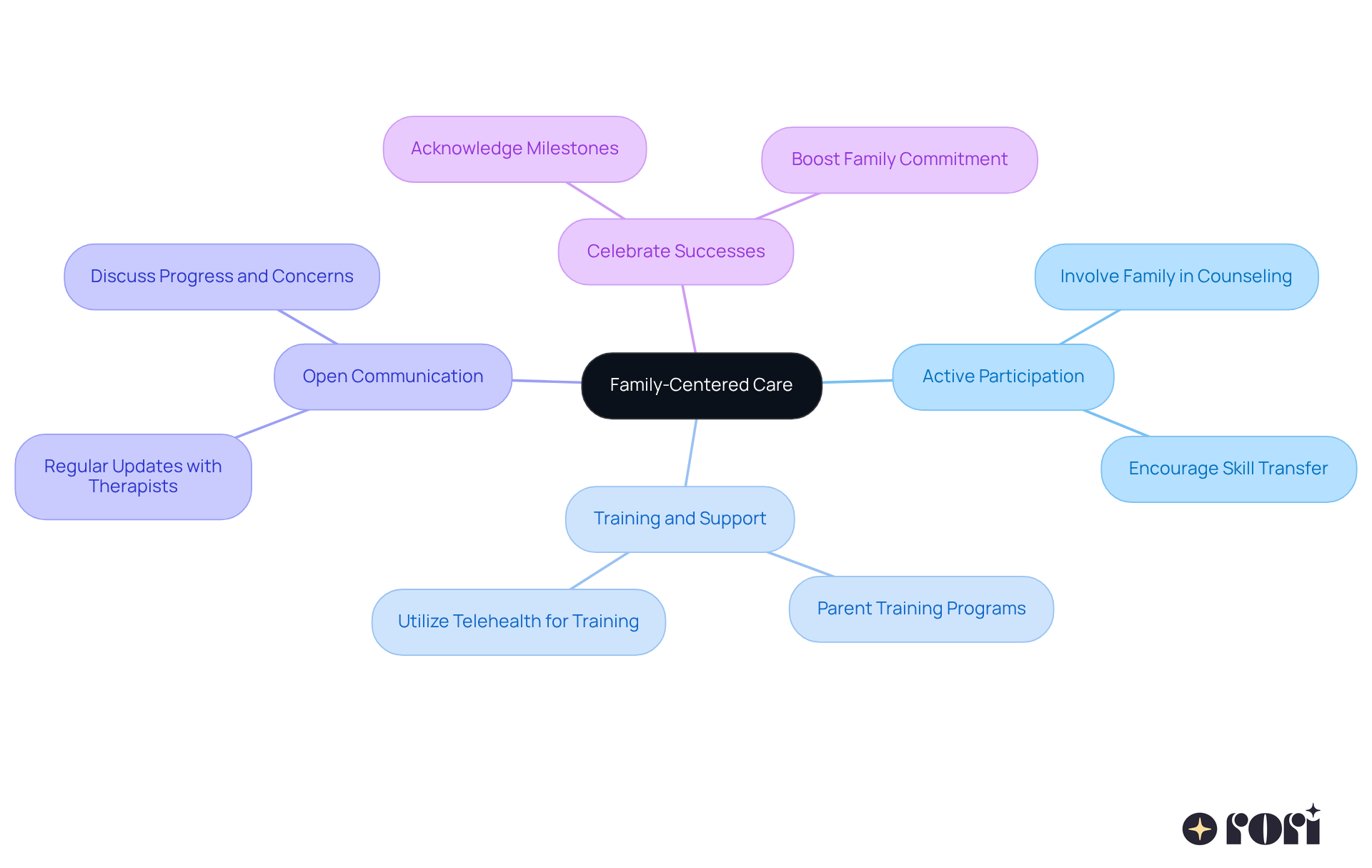
Engaging in is all about creating a supportive environment for your child. Here’s how you can do it:
- Active Participation: Involve family members in counseling sessions and discussions about treatment goals. When parents take an , studies show that young individuals really benefit. This involvement helps , like home and school.
- Training and Support: Look for to learn ABA techniques that can be used at home. Effective empower families with essential skills, leading to better outcomes for youth with autism. Plus, telehealth has made these training sessions more accessible and cost-effective, boosting caregivers' confidence and reducing stress.
- : Keep the lines of communication open with therapists to discuss your child’s progress and any concerns. This partnership builds trust between families and professionals, ensuring treatment plans are tailored to your child’s unique needs while making families feel supported.
- Celebrate Successes: Don’t forget to , no matter how small! Recognizing progress not only boosts your child’s confidence but also strengthens the family’s commitment to the treatment process.
By prioritizing , you’re creating a nurturing atmosphere that supports your child's growth and development while choosing the right at Rori Care. Let’s explore this together!
Conclusion
Choosing the right data-driven ABA therapy plan for your child is such an important step in supporting their growth and skill development. It’s all about understanding the foundational principles of ABA therapy-like reinforcement, data collection, and customization. These elements are key to crafting effective, personalized treatment plans that truly cater to your child’s unique needs.
One of the big takeaways here is the importance of:
- Setting SMART goals
- Working with a collaborative team
- Keeping an eye on progress through data-driven strategies
When families get involved in the therapy process, it really makes a difference! Engaging in family-centered care not only supports your child’s growth but also strengthens the support system around them, leading to better outcomes.
Ultimately, picking the right ABA therapy plan isn’t just about the techniques; it’s also about being committed to ongoing assessment and adaptation. We encourage families to:
- Advocate for their child’s needs
- Connect with qualified providers
- Celebrate every little milestone along the way
This holistic approach is vital for improving behaviors and skills while nurturing a supportive environment that empowers children on their journey to success.
Let’s explore this together! Remember, you’re not alone in this journey, and we’re here to help you every step of the way!
Frequently Asked Questions
What is Applied Behavior Analysis (ABA) therapy?
ABA therapy is a scientifically validated method designed to enhance specific behaviors and skills through effective reinforcement strategies, emphasizing the interaction between behavior and environmental influences.
What role does reinforcement play in ABA therapy?
Positive reinforcement is a cornerstone of ABA, encouraging desired behaviors by providing rewards, which significantly boosts involvement and motivation in young individuals, leading to better treatment outcomes.
How is data collected in ABA therapy?
Data collection is essential for tracking progress. At Rori Care, automatic data gathering occurs during clinical sessions, ensuring that the clinical team can focus on the child without interrupting the treatment process. All data is safely stored, anonymized, and removed after evaluation.
Why is customization important in ABA treatment plans?
Customization ensures that each treatment plan is tailored to meet the unique needs of the child, maximizing the effectiveness of interventions by considering individual strengths, challenges, and preferences.
What improvements can be expected from reinforcement strategies in ABA?
Consistent application of reinforcement strategies can lead to remarkable improvements in social communication and language skills in children, as illustrated by real-life examples of behavior transformation.
How can parents engage in their child's ABA therapy?
Parents can engage more effectively by understanding the foundational elements of ABA, advocating for tailored interventions, and being involved in the evaluation and adjustment of treatment plans.
What factors influence the cost of ABA therapy?
The cost of ABA therapy can vary widely based on the severity of Autism Spectrum Disorder (ASD), location, and the experience of the therapist.
What ethical considerations are important in ABA therapy?
Ethical considerations in ABA therapy are crucial as they shape the practice and ensure that it aligns with the best interests of the individual receiving treatment.
What steps should be taken when evaluating personalized treatment plans?
Key steps include reviewing SMART goals, assessing evidence-based approaches, involving the therapy team, and monitoring adjustments based on data collected during sessions.
How can parents contribute to the evaluation of their child's treatment plan?
By getting involved in the evaluation process, parents can ensure their child receives the most effective and personalized care, contributing to better developmental outcomes.
List of Sources
- Understand the Basics of ABA Therapy
- Success Rates of ABA Therapy | Advanced Autism Services (https://advancedautism.com/post/success-rates-of-aba-therapy)
- Resources | Golden Steps ABA (https://goldenstepsaba.com/resources/success-rates-of-aba-therapy)
- The Numbers Don't Lie: Revealing Autism Therapy Statistics | Above and Beyond Therapy (https://abtaba.com/blog/autism-therapy-statistics)
- Understanding Autism Therapy Success Rates (https://ambitionsaba.com/resources/understanding-autism-therapy-success-rates)
- ABA Therapy Evidence | Grateful Care ABA (https://gratefulcareaba.com/blog/aba-therapy-evidence)
- Evaluate Personalized Treatment Plans
- Autism Therapy: Key Statistics (https://ambitionsaba.com/resources/autism-therapy-statistics)
- supportivecareaba.com (https://supportivecareaba.com/statistics/autism-therapy-statistics)
- The Numbers Don't Lie: Revealing Autism Therapy Statistics | Above and Beyond Therapy (https://abtaba.com/blog/autism-therapy-statistics)
- 81 ABA Therapy Statistics You Need to Know - apricott ABA (https://apricott.com/resources/aba-therapy-statistics)
- Assess Your Child's Needs and Provider Qualifications
- Success Rates of ABA Therapy | Advanced Autism Services (https://advancedautism.com/post/success-rates-of-aba-therapy)
- The Rate of Job Growth for BCBAs | Intellistars - ABA Therapy (https://intellistarsaba.com/blog/the-rate-of-job-growth-for-bcbas)
- The Numbers Don't Lie: Revealing Autism Therapy Statistics | Above and Beyond Therapy (https://abtaba.com/blog/autism-therapy-statistics)
- ABA Therapy Evidence | Grateful Care ABA (https://gratefulcareaba.com/blog/aba-therapy-evidence)
- supportivecareaba.com (https://supportivecareaba.com/statistics/aba-therapist-demographics)
- Monitor Progress Through Data-Driven Strategies
- The Importance of Data Collection in ABA Therapy | Discovery ABA (https://discoveryaba.com/aba-therapy/the-importance-of-data-collection-in-aba-therapy-cec7b)
- Applied Behavior Analysis (ABA) Statistics: Data, Effectiveness, and Evidence-Based Practices (https://nexoaba.com/applied-behavior-analysis-statistics)
- The Significance of Statistics in ABA Therapy | All Star ABA (https://allstaraba.org/statistics-in-aba-therapy)
- The Role of Data Collection in ABA Therapy Progress Tracking (https://mastermindbehavior.com/post/the-role-of-data-collection-in-aba-therapy-progress-tracking)
- Engage in Family-Centered Care
- trueuaba.com (https://trueuaba.com/why-parent-collaboration-creates-positive-aba-therapy-results)
- The impact of parent training in ABA therapy (https://ambitionsaba.com/resources/the-impact-of-parent-training-in-aba-therapy)
- The Power of Parent Involvement in ABA Therapy Outcomes: Maximizing Success Through Family Engagement - RightWay ABA (https://rightwayaba.com/parent-involvement-in-aba-therapy-outcomes)
- Success Rates of ABA Therapy | Advanced Autism Services (https://advancedautism.com/post/success-rates-of-aba-therapy)
- The Numbers Don't Lie: Revealing Autism Therapy Statistics | Above and Beyond Therapy (https://abtaba.com/blog/autism-therapy-statistics)