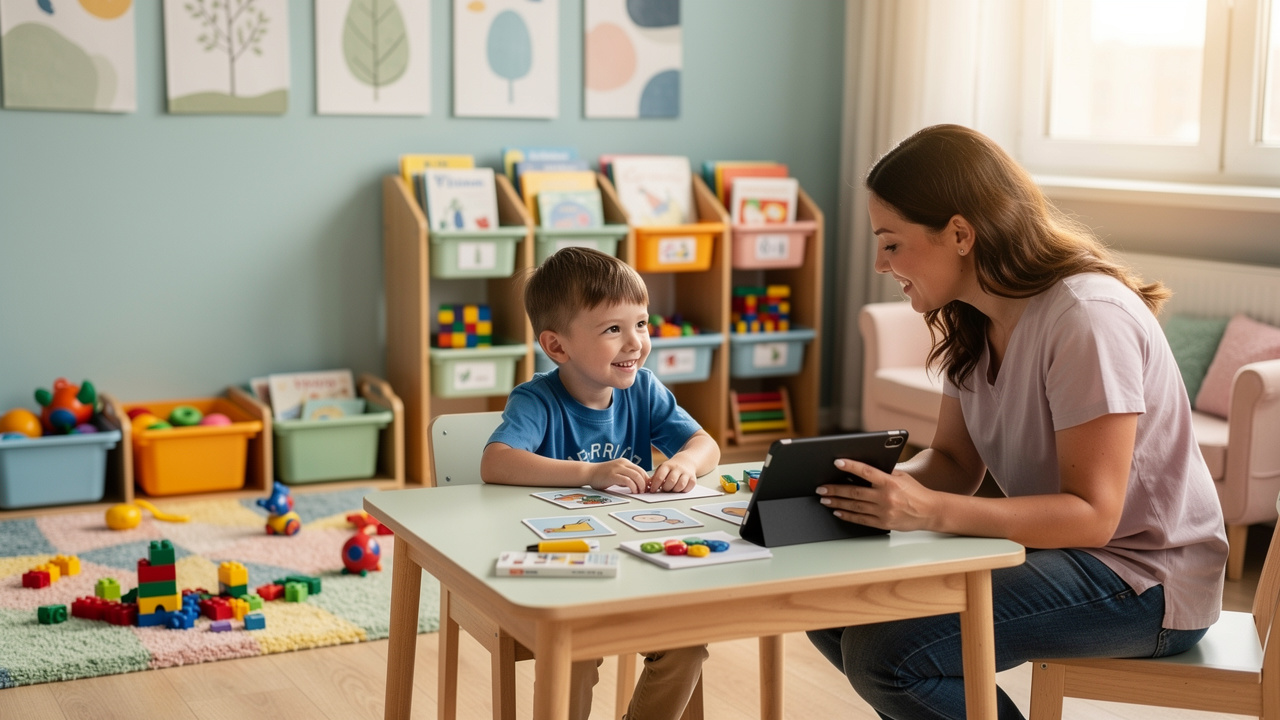
Understanding nonverbal autism is so important for fostering effective communication and support for individuals who often navigate a world that might overlook their unique expressions. 🌟 This article dives into the vital roles of nonverbal autism care specialists, showcasing how their expertise can turn challenges into opportunities for growth and connection.
But what can families do to work hand-in-hand with these specialists? 🤔 Let’s explore this together! By collaborating effectively, you can enhance your child's developmental journey while overcoming the barriers of nonverbal communication. We’re here to help you every step of the way!
Nonverbal autism, often referred to as nonspeaking autism, can really present some tough challenges when it comes to verbal interaction. Kids with this condition might not use spoken language at all, or they may have very limited speech capabilities. Let’s take a closer look at some key characteristics:
Understanding these traits is crucial for nonverbal autism care specialists and caregivers. A nonverbal autism care specialist helps in crafting effective strategies and interventions tailored to each young person's needs. Programs like the Picture Exchange Communication System (PECS) and customized interaction strategies have shown promise in improving expressive abilities and promoting social engagement for nonverbal individuals. Plus, educating caregivers on ABA principles and strategies is key. This knowledge empowers them to provide the right support at home, make informed decisions that positively impact their child's progress, and ultimately leads to better behavioral outcomes and enhanced family dynamics.
As Ido Kedar wisely points out, presuming competence in individuals who don’t use speech is vital for unlocking their potential and supporting their unique communication styles. Let’s explore this together!

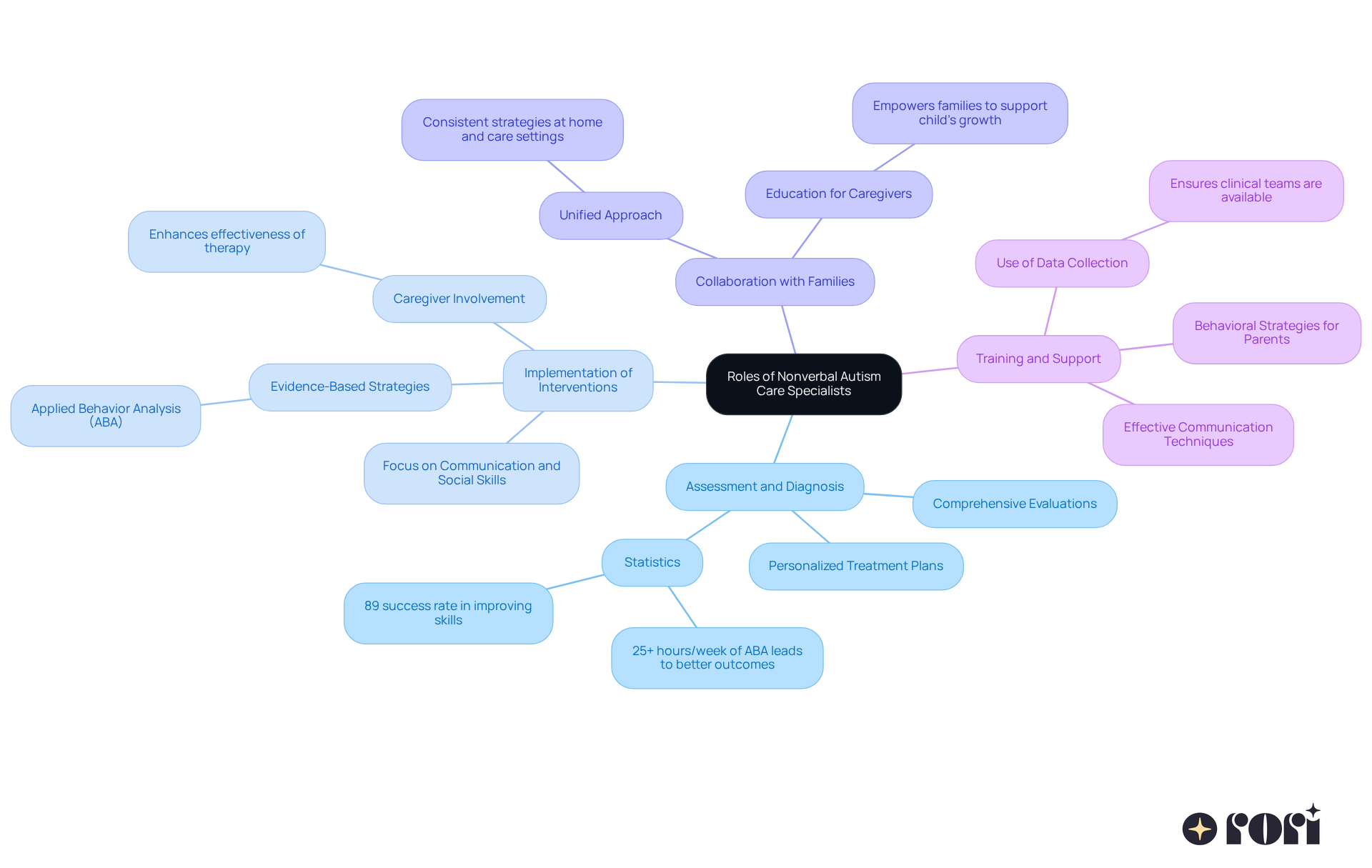
Engaging with a nonverbal autism care specialist can feel a bit overwhelming, but understanding their essential roles can really help set realistic expectations. These specialists are key players in several important areas:
Implementation of interventions by a nonverbal autism care specialist involves using evidence-based strategies, especially Applied Behavior Analysis (ABA), to focus on boosting communication and social skills that are crucial for nonverbal individuals. Research tells us that over 89% of kids receiving ABA interventions show significant progress in various areas. That’s pretty encouraging! Plus, when caregivers get involved, it often leads to even more effective and lasting improvements in behavior.
Collaboration with families, particularly with a nonverbal autism care specialist, is fundamental. Specialists ensure that strategies are consistently applied at home and in care settings, creating a unified approach that maximizes the child’s development. This teamwork is especially important since many kids don’t meet the recommended therapy hours, which can limit their long-term benefits. Educating caregivers not only enhances support but also empowers families to make informed decisions that positively impact their child’s growth.
By grasping these roles and the related statistics, parents can navigate the therapeutic landscape more effectively and play an active role in their child’s developmental journey. Let’s explore this together!
To foster effective collaboration with nonverbal autism care specialists, let’s explore some friendly best practices:
These strategies encourage a unified approach to care, improving the efficiency of interventions and ensuring that the unique needs of non-speaking individuals are met by a nonverbal autism care specialist. We’re here to help you every step of the way!

To empower parents in their collaboration with nonverbal autism care specialists, let’s explore some helpful resources and support options together:
Parent Support Groups: Joining local or online support groups can be a game-changer! You’ll find emotional support and practical advice from other parents who understand the challenges you face. Many parents have shared that being part of these groups really helps reduce feelings of loneliness and boosts their confidence, which ultimately leads to better support for their kids.
Educational Workshops: Have you considered participating in workshops or webinars focused on autism care? These sessions cover interaction techniques and behavioral interventions that can really enhance your knowledge and skills. Programs led by ABA practitioners have shown to improve parents' understanding of effective methods, helping you take a more informed approach to your child's treatment.
Resource Guides: Don’t forget to check out resource guides from reputable organizations like Autism Speaks or the Autism Society. They offer valuable insights on communication tools and strategies that can help you navigate the complexities of autism care and find effective interventions.
Collaboration with Schools: Engaging with educators and school staff is so important! By working together, you can ensure that the strategies used in therapy are reinforced in the classroom. This kind of collaboration promotes consistency in your child’s environment, which is key for skill acquisition and behavioral management.
Professional Development: Look for training opportunities that teach effective interaction methods, like the Picture Exchange Communication System (PECS) or augmentative and alternative devices. These tools can empower you to enhance communication with your non-speaking child.
By tapping into these resources, you can strengthen your collaboration with nonverbal autism care specialists, leading to improved support for your nonverbal children. Remember, you’re not alone on this journey-we’re here to help you every step of the way!

Supporting a nonverbal child with autism is a journey filled with unique challenges, but you’re not alone! Engaging with a nonverbal autism care specialist can truly make a difference in your child’s development and well-being. These experts can help tailor strategies and interventions that meet your child’s specific needs.
It’s essential to recognize the individual characteristics of nonverbal autism, like limited verbal communication and sensory sensitivities. By working closely with trained specialists, you can implement effective practices such as Applied Behavior Analysis (ABA) and use visual supports to encourage meaningful interactions. Remember, keeping communication open, setting shared goals, and actively participating in treatment sessions are key to building a successful partnership.
Empowering yourself with resources, support groups, and educational opportunities can create a nurturing environment for your child. By embracing these strategies and fostering teamwork with autism care specialists, you can enhance your child’s communication skills and overall quality of life. Your commitment to understanding and supporting nonverbal autism is a powerful step toward celebrating the potential of these remarkable individuals. Let’s explore this together and ensure they are heard and understood!
What is nonverbal autism?
Nonverbal autism, also known as nonspeaking autism, refers to a condition where individuals may not use spoken language at all or have very limited speech capabilities.
What are some key characteristics of nonverbal autism?
Key characteristics include limited verbal communication, reliance on gestures or other communication methods, expression through body language and facial expressions, sensory sensitivities, and challenges in social interactions.
How many individuals with autism are minimally verbal?
Approximately 25% to 30% of individuals diagnosed with autism are minimally verbal, using fewer than 30 functional words.
How do nonverbal individuals typically communicate?
Nonverbal individuals often communicate through silent signals such as body language and facial expressions, rather than spoken words.
What are sensory sensitivities in nonverbal autism?
Nonverbal individuals may be more sensitive to sensory stimuli, which can affect their behavior and interactions, including delayed auditory responses.
What challenges do nonverbal individuals face in social interactions?
Engaging with peers and adults can be difficult, leading to feelings of isolation or frustration. Many families report a positive change in their outlook on interaction and connection when provided with understanding and support.
What role do nonverbal autism care specialists play?
Nonverbal autism care specialists help create effective strategies and interventions tailored to the needs of nonverbal individuals, enhancing their communication and social engagement.
What are some effective programs for nonverbal communication?
Programs like the Picture Exchange Communication System (PECS) and customized interaction strategies have shown promise in improving expressive abilities for nonverbal individuals.
Why is it important to educate caregivers about ABA principles?
Educating caregivers on Applied Behavior Analysis (ABA) principles empowers them to provide the right support at home, make informed decisions, and positively impact their child's progress and family dynamics.
What does presuming competence mean in the context of nonverbal autism?
Presuming competence involves believing in the potential of individuals who don’t use speech, which is vital for supporting their unique communication styles and unlocking their abilities.