Navigating the emotional ups and downs of our kids can feel like a rollercoaster ride, especially when it comes to understanding autism meltdowns versus tantrums. By using effective coping strategies, we can help our children manage overwhelming situations, leading to more peaceful interactions. But here’s the thing: how can we spot those triggers and create a cozy space that helps our kids feel calm and secure?
Let’s explore four simple steps that can help you support your child during those tough moments, turning chaos into calm:
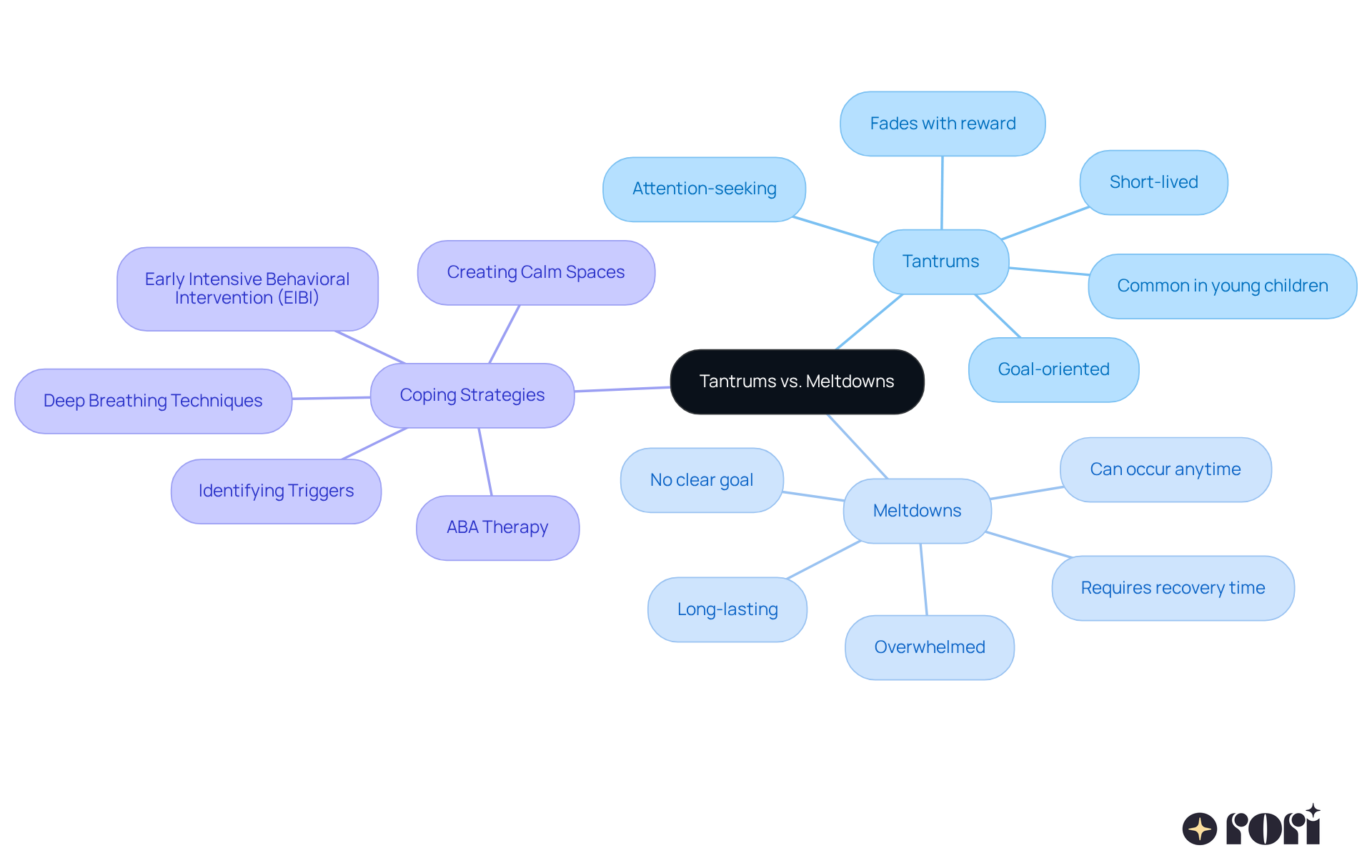
For parents, understanding the difference between tantrums and meltdowns can feel overwhelming, but it is a crucial step in supporting our kids effectively, particularly by implementing coping strategies for autism meltdowns. Outbursts often aim to grab attention or get something, while emotional breakdowns happen when kids are overwhelmed without a clear goal. Unlike tantrums, which usually happen in front of an audience, autism meltdowns can occur anywhere, anytime.
Recognizing this distinction is key! Applied Behavior Analysis (ABA) therapy tailors its approach to each child's unique needs, and it’s amazing to see that 90% of kids show significant progress when caregivers actively participate in the recommended hours of therapy.
Tantrums often fade away once the child gets what they want, but emotional outbursts can linger, requiring more time for the child to calm down and regain control. Early Intensive Behavioral Intervention (EIBI) is vital for boosting learning, verbal, and social skills in kids with autism, making it essential for parents to understand these differences.
When a meltdown happens, kids can really lose it, so using coping strategies for autism meltdowns can be beneficial. They might kick, bite, or even hurt themselves, which can be super tough to watch. This is different from outbursts, where the child might still have some control over their actions. It’s so important for caregivers to feel equipped with ABA strategies and to keep track of coping strategies for autism meltdowns to understand what works and what doesn’t. Qualified behavior analysts can help design personalized plans for behavior change and skill-building, making these strategies even more effective.
Keeping a log of behaviors can help you spot patterns and understand what’s going on. This practice can be a game-changer in figuring out how to manage both tantrums and emotional outbursts, especially when you consider common sensory triggers like bright lights and loud sounds. Let’s explore this together!
Ever feel like your child is overwhelmed by the world around them? You're not alone!
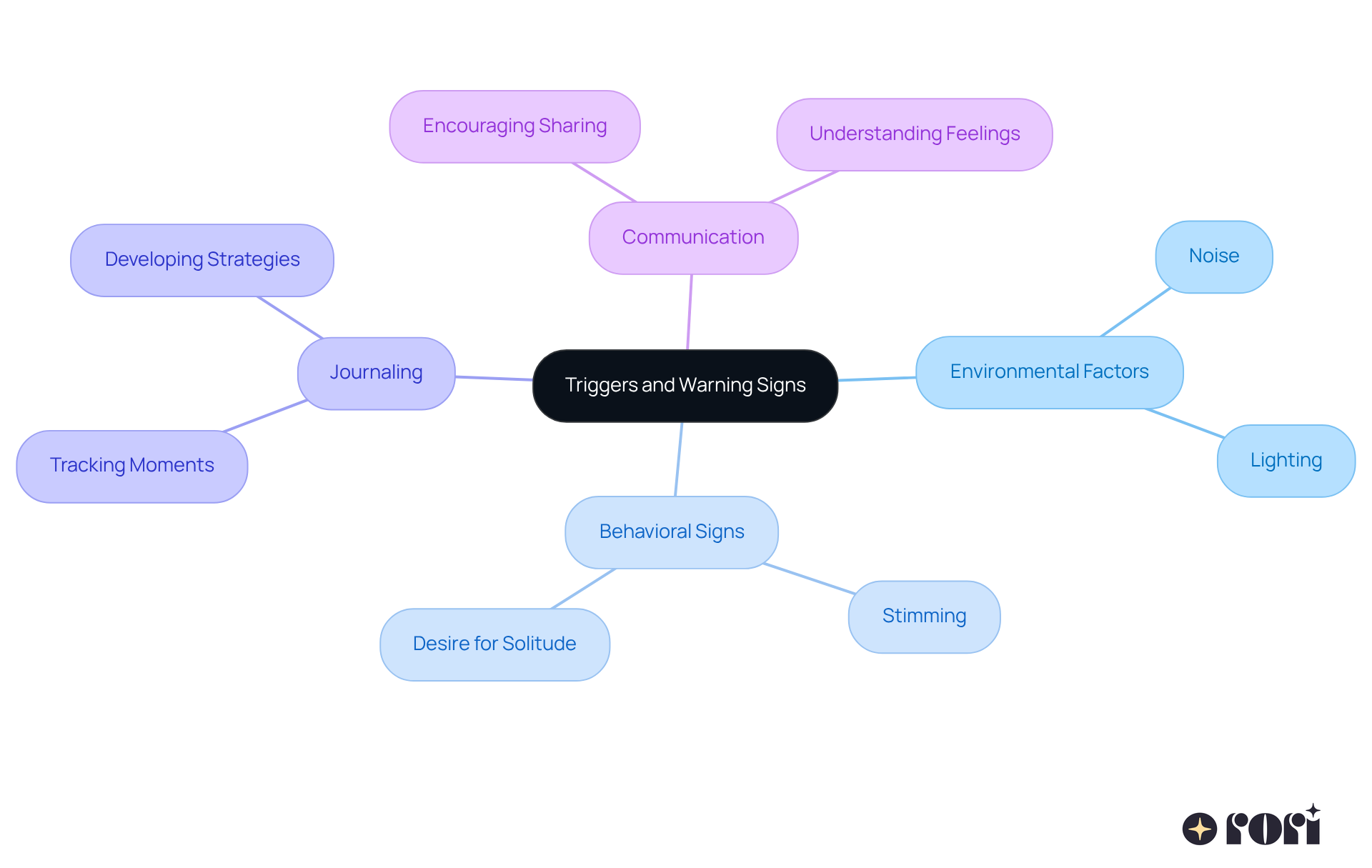
Let’s keep an eye on the little things, like noise and lighting, that might be bothering your child. Sometimes, it’s the small stuff that can really make a big difference.
Watch for those little signs that your child might be feeling off, like extra stimming or wanting to be alone. These changes can be early indicators that they’re approaching a breakdown.
How about starting a little journal? Jot down moments that lead to meltdowns to help develop coping strategies for autism meltdowns. By tracking these moments, you can better understand your child's needs and assist them in navigating their feelings with coping strategies for autism meltdowns.
Encourage your child to share their feelings with you. It’s a great way to help them understand what’s bothering them. Let’s explore this together and support each other on this journey!
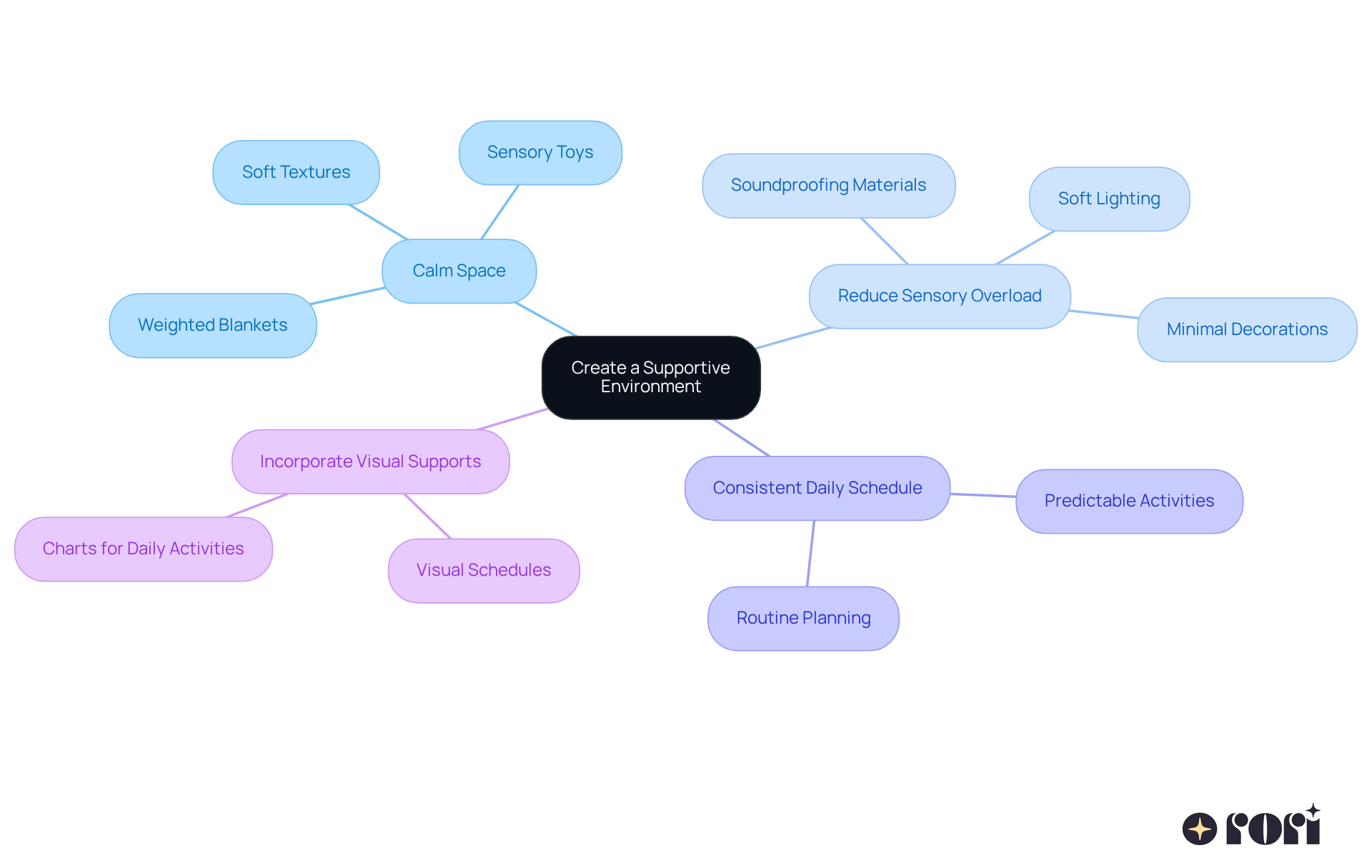
Creating a calm space at home is one of the essential coping strategies for autism meltdowns when your little one is feeling overwhelmed. Designate a quiet area where they can retreat, filled with calming items like:
At Rori Care, we’re all about helping you find the best strategies to create those soothing spaces for your little one.
Next, let’s talk about reducing sensory overload. A soothing atmosphere can really help! Think about using:
This can help lessen the sensory input that might lead to anxiety and outbursts. Rori Care offers advice on how to make these changes in your home, especially since sensory processing challenges affect 5% to 12% of youth in the U.S.
Keeping a consistent daily schedule can really help your child feel more secure and less anxious. When they know what to expect throughout the day, implementing coping strategies for autism meltdowns can significantly reduce the chances of meltdowns. At Rori Care, we know how important routines are for your child’s growth and happiness, and we’re here to support you in making that happen.
Lastly, incorporating visual supports can be a game-changer! Using visual schedules or charts can help your child understand daily activities and transitions better. These tools can enhance their sense of security and control, making it easier for them to navigate changes in routine. Rori Care believes in the power of caregiver education to foster development through ABA, leading to better support and improved behavioral outcomes. By taking these steps, you’re not just helping your child; you’re also creating a nurturing environment that fosters their growth and happiness.
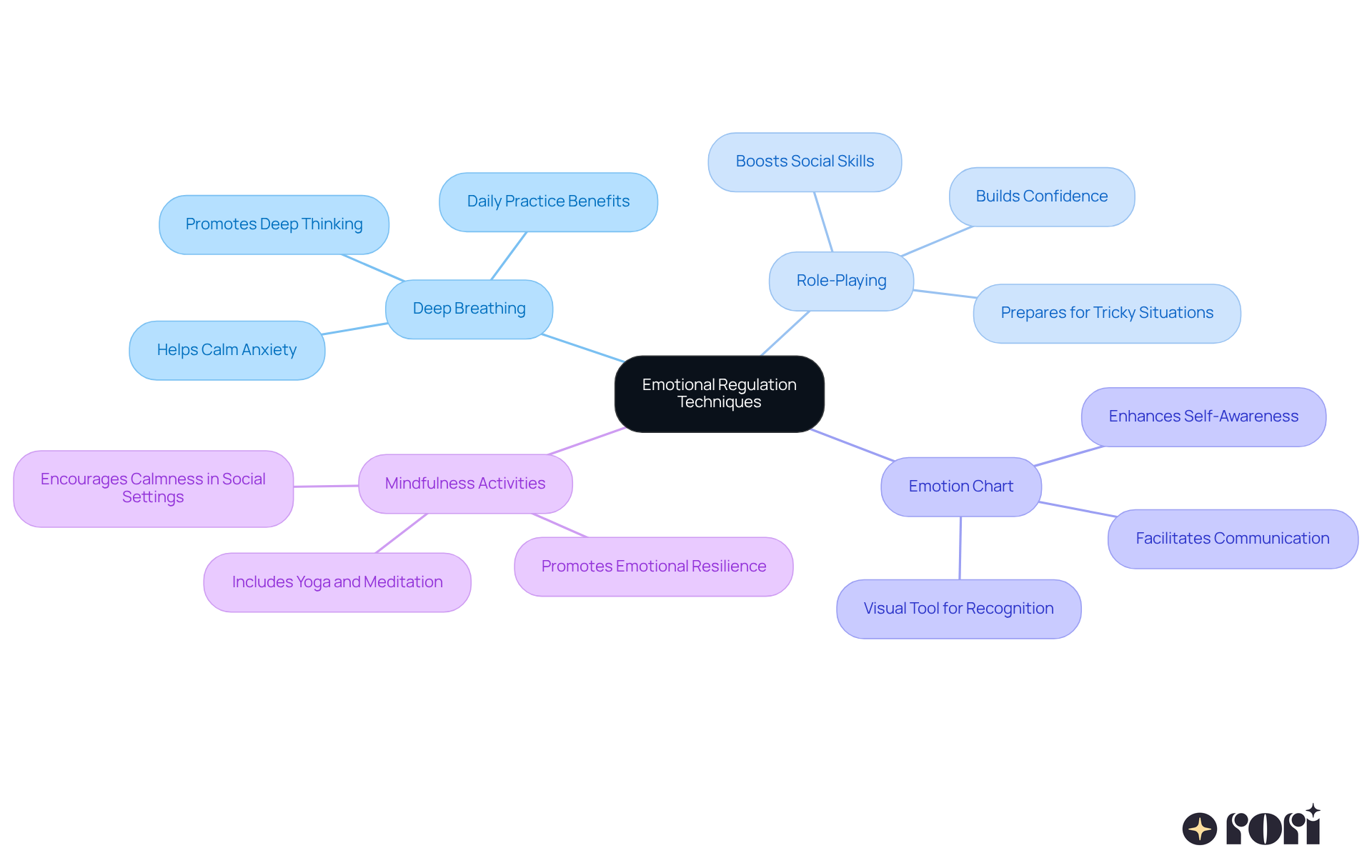
Have you ever noticed how hard it can be for kids to calm down when they’re feeling overwhelmed? Teaching them some simple deep breathing exercises can make a world of difference! Did you know that practicing deep breathing can really help kids calm down when they’re feeling anxious? It’s a simple yet powerful tool for them to learn! Psychologists say that deep breathing is one of the coping strategies for autism meltdowns that helps kids regain control and think more clearly.
Now, let’s talk about role-playing. This can be a fun way to prepare for those tricky moments. And guess what? Role-playing can actually boost social skills in kids with autism, helping them feel more confident in tricky situations! By practicing responses to potential triggers, kids can build their confidence and adaptability.
Creating an emotion chart can also be super helpful. It’s a great visual tool that helps kids recognize and label their feelings. This promotes self-awareness and communication, which are essential for managing emotional responses. When kids understand their emotions, they can express their needs better and seek support when they need it.
Lastly, incorporating mindfulness activities like yoga and meditation can really help kids learn to manage their emotions and feel more at ease in social settings. These practices establish the foundation for emotional resilience and serve as coping strategies for autism meltdowns, enabling children to approach social interactions with greater confidence and calm. By helping them learn these skills, you’re giving them tools they can use for a lifetime.
Navigating autism meltdowns can feel like a rollercoaster ride for parents, but you’re not alone in this journey! When you learn to tell the difference between meltdowns and tantrums, spot triggers, and create a calm space, you’re giving yourself and your child the tools to handle tough moments together.
Throughout this article, we’ve talked about:
Strategies like:
can really help your child cope when things get overwhelming. These steps not only empower your child but also give you a clearer way to support them.
And remember, these strategies do more than just help in the moment - they set your child up for success in the long run! By fostering a nurturing environment and encouraging emotional awareness, you’re helping your child develop skills that will last a lifetime. Plus, you’re strengthening that all-important bond between you and your child, paving the way for a more harmonious family dynamic. Let’s explore this together!
What is the difference between tantrums and meltdowns?
Tantrums are outbursts aimed at grabbing attention or getting something, while meltdowns are emotional breakdowns that occur when children are overwhelmed without a clear goal.
Where do tantrums and meltdowns typically occur?
Tantrums usually happen in front of an audience, whereas autism meltdowns can occur anywhere and at any time.
How long do tantrums and meltdowns typically last?
Tantrums often fade away once the child gets what they want, but meltdowns can linger, requiring more time for the child to calm down and regain control.
What role does Applied Behavior Analysis (ABA) therapy play in managing these behaviors?
ABA therapy tailors its approach to each child's unique needs, and research shows that 90% of kids make significant progress when caregivers actively participate in the recommended therapy hours.
What is Early Intensive Behavioral Intervention (EIBI) and why is it important?
EIBI is crucial for boosting learning, verbal, and social skills in kids with autism, making it essential for parents to understand the differences between tantrums and meltdowns.
What are some coping strategies for autism meltdowns?
Coping strategies can include using ABA techniques and keeping track of what works and what doesn’t to manage meltdowns effectively.
How can caregivers prepare for meltdowns?
Caregivers can feel equipped by learning ABA strategies and keeping a log of behaviors to spot patterns and understand triggers.
What are common sensory triggers for meltdowns?
Common sensory triggers include bright lights and loud sounds, which can lead to emotional outbursts in children.