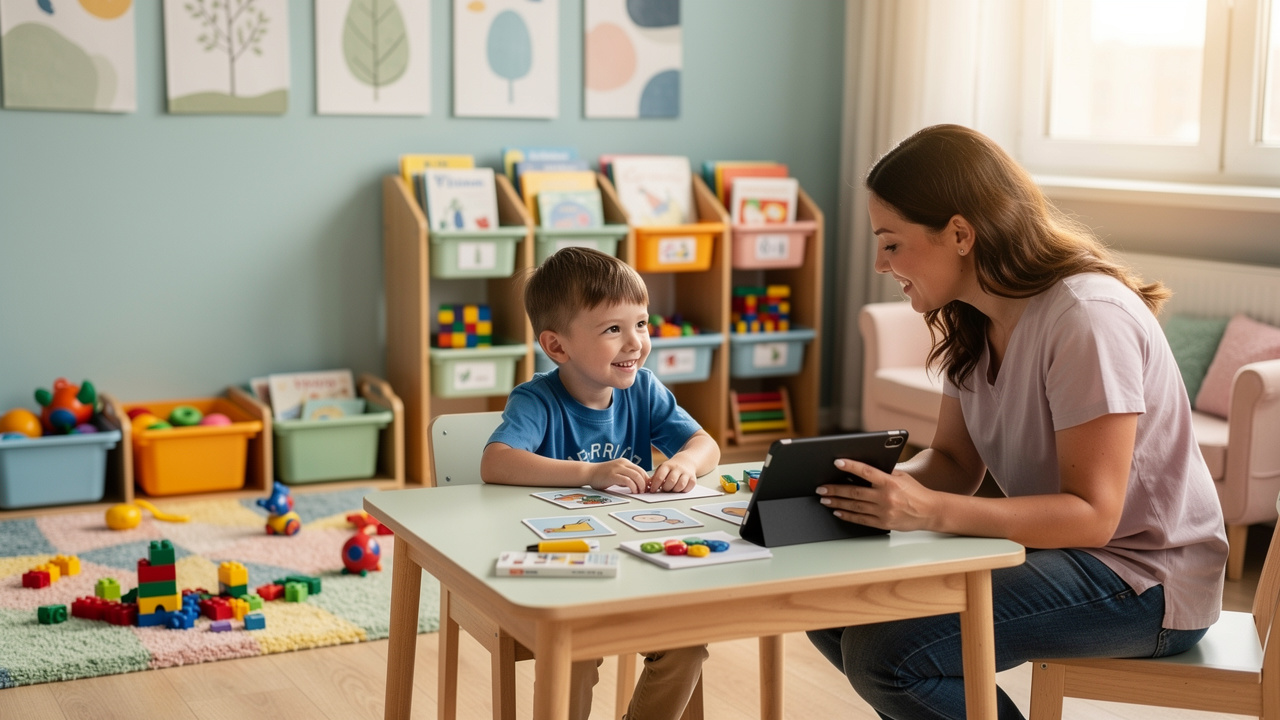
Create a Calming Home Environment for Effective ABA Therapy

Discover how creating a calming home environment for ABA therapy sessions enhances emotional well-being.

Introduction

Creating a supportive home environment can really make a difference in how effective ABA therapy is for children with autism. A calming atmosphere not only helps reduce anxiety but also boosts emotional regulation, making those therapy sessions more productive. But how can caregivers turn their homes into nurturing spaces that encourage growth and learning?

Let’s explore this together! This article dives into practical strategies for:

  1. Designing sensory-friendly areas
  2. Organizing therapy materials
  3. Establishing predictable routines

All of these tips are aimed at maximizing the benefits of ABA therapy, so you can feel confident in your approach.

Understand the Importance of a Calming Home Environment

Creating a calming home environment for ABA therapy sessions is crucial for kids undergoing this treatment. It really impacts their emotional well-being and therapy outcomes. A peaceful atmosphere can help reduce anxiety, decrease challenging behaviors, and promote emotional regulation. Let’s dive into some essential considerations:

  • Predictability: Kids with autism often thrive in predictable environments. Creating a calming home environment for ABA therapy sessions helps them anticipate what’s coming next, which fosters a sense of security and eases anxiety.
  • Reduced Sensory Overload: It’s vital to minimize distractions and sensory overload. A soothing atmosphere should keep noise levels, lighting, and visual distractions in check to prevent overwhelming experiences for our little ones.
  • Emotional Regulation: A calming environment helps kids learn to self-regulate their emotions. When they feel secure and relaxed, they’re more likely to engage positively in counseling sessions, which can really enhance their learning experience.
  • Concentration and Involvement: A well-organized and soothing environment boosts focus, allowing kids to participate more effectively in treatment activities. This organized approach can lead to better results in their ABA journey.

Establishing a calm environment through creating a calming home environment for ABA therapy sessions not only supports emotional regulation but also creates a nurturing learning space, ultimately helping your child grow and thrive. Let’s explore this together!

The central node represents the main goal of establishing a calming environment. Each branch highlights a key consideration that contributes to this goal, helping you understand how each aspect plays a role in supporting kids during therapy.

Design Sensory-Friendly Spaces for Therapy

Creating sensory-friendly spaces is essential for creating a calming home environment for aba therapy sessions, as it can make a world of difference for our little ones. Here are some design elements to consider:

  • Color Palette: Choose soft, muted colors that promote calmness, like pastels. These shades are effective in creating a calming home environment for aba therapy sessions, which helps reduce anxiety and boost focus during counseling. As Temple Grandin wisely said, 'Different, not less.' This highlights how important supportive settings are for youth with autism. At Rori Care, we embrace this patient-centered approach in our ABA therapy, tailoring it to meet each child's unique needs.

  • Lighting: Whenever possible, let in that beautiful natural light! Soft, adjustable lighting can really help minimize harsh glare. Consider adding lamps with dimmers or colored bulbs as part of creating a calming home environment for aba therapy sessions that encourages relaxation.

  • Furniture and Layout: Comfort is key! Opt for sensory-friendly furniture, like cozy bean bags or cushions. Arrange the space to create open areas that invite movement and play, allowing kids to engage freely. This setup aligns with the principles of early intensive behavioral intervention (EIBI), which is crucial for enhancing learning, verbal, and social skills in children with autism. It’s heartening to know that 90% of youngsters show progress when the recommended hours are fully implemented with active caregiver involvement.

  • Sensory Tools: Incorporate sensory tools like weighted blankets, fidget toys, or calming visuals such as aquariums or nature scenes. These elements can really help kids self-soothe and engage positively during therapy sessions, which is essential for creating a calming home environment for aba therapy sessions and making their experience even better.

  • Quiet Zones: It’s essential to have a designated quiet area where kids can retreat when they feel overwhelmed. This space should be distraction-free and filled with calming items like soft pillows or noise-canceling headphones, which is essential for creating a calming home environment for aba therapy sessions.

Creating sensory-friendly environments is essential for creating a calming home environment for aba therapy sessions! Studies show that these spaces can lead to improved focus and reduced anxiety for individuals with autism. By nurturing a supportive atmosphere, we can help our kids thrive and engage more effectively in their treatment. At Rori Care, our clinical leadership team is dedicated to neurodiversity and the success of children, ensuring families receive the expertise and compassion they need to navigate challenges and support child development.

Let’s explore this together! We’re here to help you every step of the way!

The central node represents the main theme, while each branch shows a different design element that contributes to creating a calming environment. Follow the branches to explore how each element supports therapy sessions.

Organize Physical Spaces and Materials for Success

Creating a welcoming space for therapy is essential for creating a calming home environment for ABA therapy sessions, as it can really enhance the treatment experience for kids! Here are some friendly tips to consider:

  • Declutter: Start by clearing out unnecessary items from the therapy area. A tidy space helps kids focus better on their activities, which is super important in Applied Behavior Analysis (ABA) that tailors to each child's unique needs.

  • Storage Solutions: Think about using labeled bins or shelves to keep treatment materials organized. This not only keeps things neat but also helps kids find and use resources on their own, promoting the independence that ABA aims to foster.

  • Designated Areas: How about creating specific spots for different activities? A cozy reading nook, a fun play area, and a dedicated therapy zone can help kids know what to expect in each space, easing their anxiety. This aligns with the principles of early intensive behavioral intervention (EIBI) that boost learning and social skills.

  • Visual Supports: Adding visual schedules or charts can really help young learners anticipate what’s coming next. These visual aids bring clarity and structure, making transitions smoother and supporting the goals set by skilled behavior analysts.

  • Accessibility: Make sure all materials are easy for kids to reach. This encourages their independence and reduces frustration during sessions, which is key for positive behavior changes and skill growth.

Let’s explore this together! Creating a calming home environment for ABA therapy sessions can significantly impact your child’s therapy journey.

Start at the center with the main idea of organizing spaces for therapy. Each branch represents a different tip, and you can follow the sub-branches for more details on how to implement each suggestion.

Establish Predictable Daily Routines

Creating consistent daily routines can really boost the effectiveness of Applied Behavior Analysis (ABA) treatment for individuals with autism. ABA is all about understanding how people learn and behave, tailored to meet each person’s unique needs. So, how can we create structured routines that make a supportive environment? Let’s dive in!

  • Identify Key Activities: Start by jotting down essential daily activities like meals, therapy sessions, playtime, and bedtime. This organized approach gives clarity and helps young learners anticipate what’s next.
  • Set Regular Times: Consistency is key! Try to keep activities at the same time each day to create predictability. For example, having meals and therapy sessions at the same time daily helps kids understand their schedule, which can ease anxiety and promote stability.
  • Use Visual Schedules: A visual schedule can be a game changer! By using pictures or symbols to represent each task, you make it easier for young learners to know what to expect, boosting their engagement and reducing uncertainty.
  • Incorporate Breaks: Don’t forget to include short breaks between activities! These little pauses allow kids to decompress, helping to prevent overwhelm and keeping their focus sharp throughout the day.
  • Reinforce Routines: Positive reinforcement is super important for encouraging kids to stick to routines. A little praise or small rewards can make following the schedule a positive experience.

Caregivers can significantly enhance the emotional well-being and developmental outcomes for individuals with autism by focusing on creating a calming home environment for ABA therapy sessions. This makes everyday life not just manageable, but enjoyable! Plus, the knowledge gained through caregiver education empowers them to provide the right support at home, complementing professional interventions and promoting consistency. This approach is beneficial not only for children with autism but also for those facing behavioral challenges, ADHD, and learning disabilities.

Let’s explore this together! We’re here to help you every step of the way!

Start at the center with the main goal of creating predictable routines, then follow the branches to explore each strategy and its importance in supporting individuals with autism.

Conclusion

Creating a calming home environment for ABA therapy is so important for nurturing emotional well-being and improving therapy outcomes for children with autism. A peaceful and structured atmosphere can really help ease anxiety and boost self-regulation and engagement during sessions. This ultimately supports your child's growth and development.

Think about designing sensory-friendly spaces that use soothing colors, gentle lighting, and comfy furniture. These elements can truly make a nurturing environment. Plus, organizing physical spaces and materials can streamline the therapy process, making it easier for kids to focus and participate. Establishing predictable daily routines can also reinforce a sense of security, helping children anticipate activities and reducing uncertainty.

By embracing these strategies, you can make a significant difference in the effectiveness of ABA therapy. A calming home environment not only helps with behavioral management but also empowers children to thrive in their learning journeys. Let’s explore this together! Embracing these principles can lead to wonderful changes, ensuring that therapy becomes a positive and enriching experience for both your child and your family.

Frequently Asked Questions

Why is a calming home environment important for ABA therapy sessions?

A calming home environment is crucial for kids undergoing ABA therapy as it impacts their emotional well-being and therapy outcomes, helping to reduce anxiety, decrease challenging behaviors, and promote emotional regulation.

How does predictability contribute to a calming home environment?

Predictability helps kids with autism thrive by allowing them to anticipate what’s coming next, fostering a sense of security and easing anxiety during therapy sessions.

What role does sensory overload play in a calming environment?

Minimizing distractions and sensory overload is vital; a soothing atmosphere should control noise levels, lighting, and visual distractions to prevent overwhelming experiences for children.

How does a calming environment assist with emotional regulation?

A calming environment helps kids learn to self-regulate their emotions, making them more likely to engage positively in counseling sessions and enhancing their overall learning experience.

In what ways does a well-organized environment affect concentration and involvement?

A well-organized and soothing environment boosts focus, allowing kids to participate more effectively in treatment activities, which can lead to better results in their ABA journey.