Create a Collaborative Treatment Plan for Autism in 4 Steps

Learn how to create an effective collaborative treatment plan for autism in four simple steps.

Introduction

Creating a collaborative treatment plan for autism isn’t just a strategy; it’s a lifeline that brings together a diverse group of professionals and family members on a shared mission. This approach not only enhances communication but also boosts treatment effectiveness and empowers families, ensuring that each child gets the tailored support they need.

But here’s the challenge: how do we seamlessly integrate the roles of behavior analysts, therapists, educators, and caregivers? It’s crucial to maintain clear communication and shared goals throughout this process. So, how can teams navigate these complexities to craft a truly effective collaborative treatment plan that evolves with each child's unique needs? Let’s explore this together!

Understand the Importance of Collaborative Treatment in Autism

Collaborative treatment plans for autism bring together a diverse group of professionals-including behavior analysts, therapists, educators, and family members-all working hand in hand to craft a comprehensive approach. This teamwork is crucial for a few key reasons:

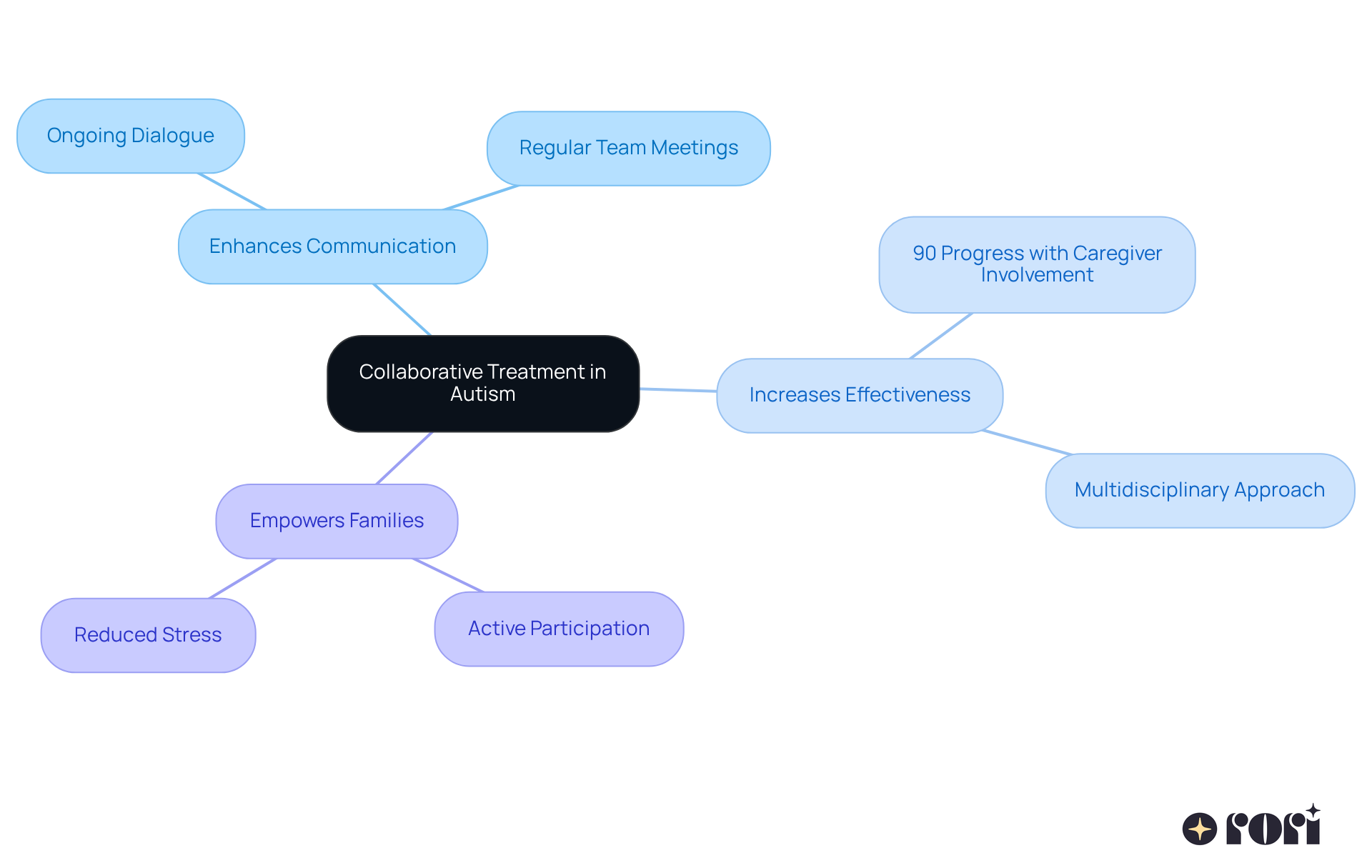
  • Enhances Communication: When team members regularly connect, they stay aligned on the child's progress and needs. This ongoing dialogue helps minimize delays and promotes cohesive strategies, ultimately benefiting the little one’s development.
  • Increases Effectiveness: Research shows that individuals with autism often see significant improvements when treated through a multidisciplinary approach. For example, studies reveal that 90% of individuals make notable progress when active caregiver involvement is part of ABA therapy. By blending various expertise, this model tackles the unique challenges each individual faces, leading to better outcomes in social skills, communication, and emotional regulation.
  • Empowers Families: Involving parents and caregivers in the care process fosters a sense of ownership and encourages active participation in their child’s development. Family involvement not only deepens understanding of the individual’s needs but also helps reduce stress and creates a supportive learning environment.

To make collaborative care truly effective, it’s essential to cultivate a culture of respect and open communication among all team members. This dynamic approach not only enhances the quality of care but also supports a collaborative treatment plan for autism, empowering families and ensuring that each individual’s unique needs are met comprehensively.

Let’s explore this together! We’re here to help you every step of the way!

The center represents the main idea of collaborative treatment, while the branches show key reasons why it's important. Each sub-branch provides more detail, helping you understand how these elements work together to support individuals with autism.

Define Roles Within the Collaborative Care Team

A successful collaborative treatment plan for autism really hinges on having clearly defined roles for each team member involved. Let’s break down these key roles:

  • Board-Certified Behavior Analyst (BCBA): Think of the BCBA as the captain of the ship! They lead the development of the treatment plan and oversee its implementation, making sure that all interventions are evidence-based and tailored to meet the unique needs of your child. This role is crucial because BCBAs are trained to implement effective strategies that can truly enhance outcomes for individuals with autism.
  • Therapists: These dedicated professionals are the ones who put the treatment strategies into action. They provide direct support during therapy sessions, and their hands-on approach is vital for reinforcing the skills being taught. It’s all about that personal touch!
  • Educators: Working closely with therapists, educators weave therapeutic strategies into the student’s educational environment. This teamwork ensures consistency across different settings, which is so important for reinforcing learning and behavioral goals. It’s like having a support system in every corner of your child’s life.
  • Family Members: Families are the heart of this process! They play a pivotal role as advocates for their children, offering valuable insights into daily behaviors and preferences. By actively participating in goal-setting and monitoring progress, families help create a supportive home environment that complements therapeutic efforts.

By clearly defining these roles, the collaborative treatment plan for autism allows the care team to work more efficiently and effectively towards shared objectives. This teamwork ultimately enhances the individual’s development and well-being. So, let’s explore this together and see how we can support your journey!
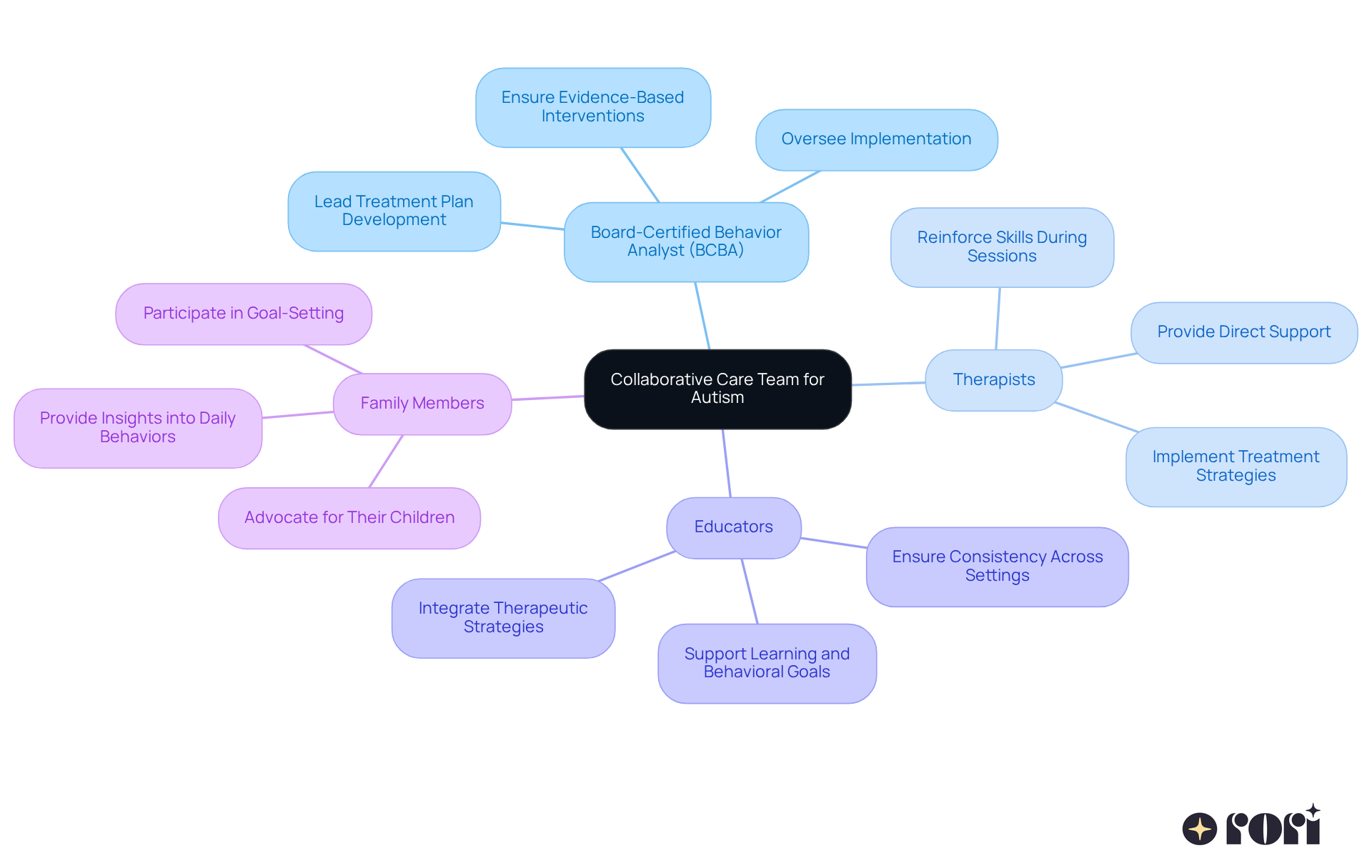
The center represents the collaborative care team, with branches showing each key role. Each role has its own responsibilities that support the overall treatment plan, illustrating how teamwork enhances the care process.

Establish Communication and Set Clear Goals

Effective communication and goal-setting are key ingredients for a successful collaborative treatment plan for autism. Let’s dive into how we can make these elements shine:

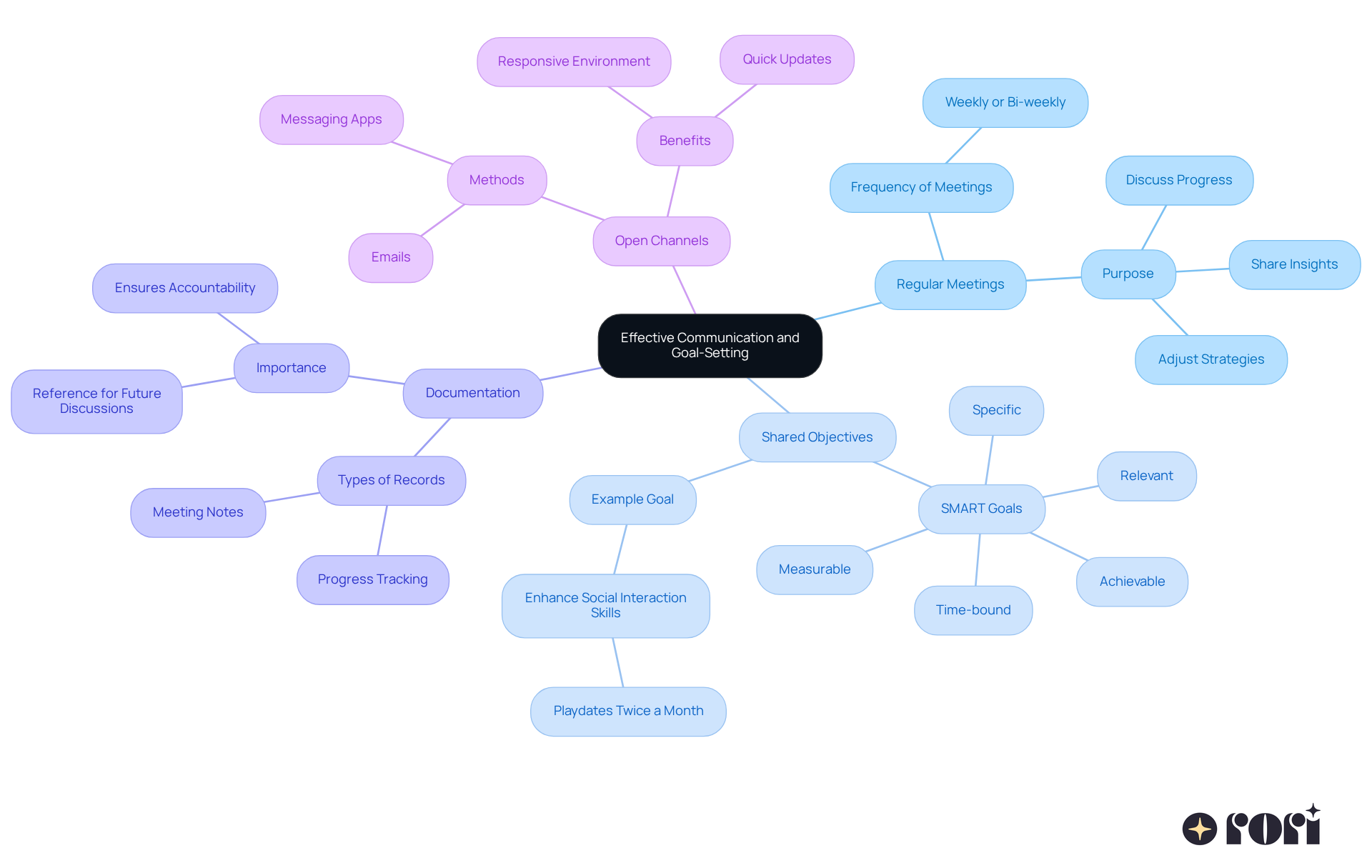
  • Regular Meetings: It’s super helpful to schedule consistent meetings - think weekly or bi-weekly - to chat about the child’s progress, share insights, and tweak strategies as needed. This regular catch-up helps everyone stay on the same page and fosters a unified approach to care.
  • Shared Objectives: Let’s create some specific, measurable, achievable, relevant, and time-bound (SMART) goals that everyone agrees on. For example, how about enhancing social interaction skills by setting up playdates twice a month? This way, we can track progress and celebrate those little victories together!
  • Documentation: Keeping detailed records of meetings, decisions, and progress is a game-changer. Not only does it ensure accountability, but it also serves as a handy reference for future discussions, helping everyone stay informed and aligned.
  • Open Channels: Promoting transparent communication through emails or messaging apps can make a world of difference. Quick updates and feedback among group members create a responsive and collaborative environment.

By embracing these practices, your team can ensure alignment and a focused approach to the young person’s best interests. Together, we can improve the effectiveness of the care strategy and make a real difference!

The center represents the main theme, while the branches show different practices that enhance communication and goal-setting. Each branch contains specific actions or ideas that contribute to the overall strategy.

Monitor Progress and Adjust Treatment Plans

Monitoring progress is so important to make sure that care strategies really work for each child's unique needs. Let’s dive into some key steps to keep an eye on treatment plans and adjust them as needed:

  • Data Collection: Use different ways to gather information about your child's behavior and progress. This could be through direct observation, feedback from parents, or standardized assessments. Our behavior care engine even helps with automatic data collection during clinical sessions, keeping everything secure and private.

  • Regular Reviews: It’s a good idea to have regular check-ins on the data during team meetings. This helps everyone evaluate how well the current strategies are working and spot areas that might need a little tweak. Regular evaluations ensure that the care plan stays in sync with your child's growth.

  • Adjust Goals: Based on what the data shows, don’t hesitate to change objectives when needed. If your child is consistently hitting a goal, why not set a new, more challenging one? On the flip side, if a goal isn’t being met, it’s time to rethink the strategies in place. This flexibility is key to supporting ongoing growth and development.

  • Feedback Loop: Establish a feedback loop where team members can share their observations and suggestions. This collaborative treatment plan for autism ensures that the care strategy evolves alongside your child, creating a responsive and effective therapeutic environment.

By putting these practices into action, the team can develop a collaborative treatment plan for autism that adapts to your child's changing needs, ultimately improving the outcomes of ABA therapy. Let’s explore this together!
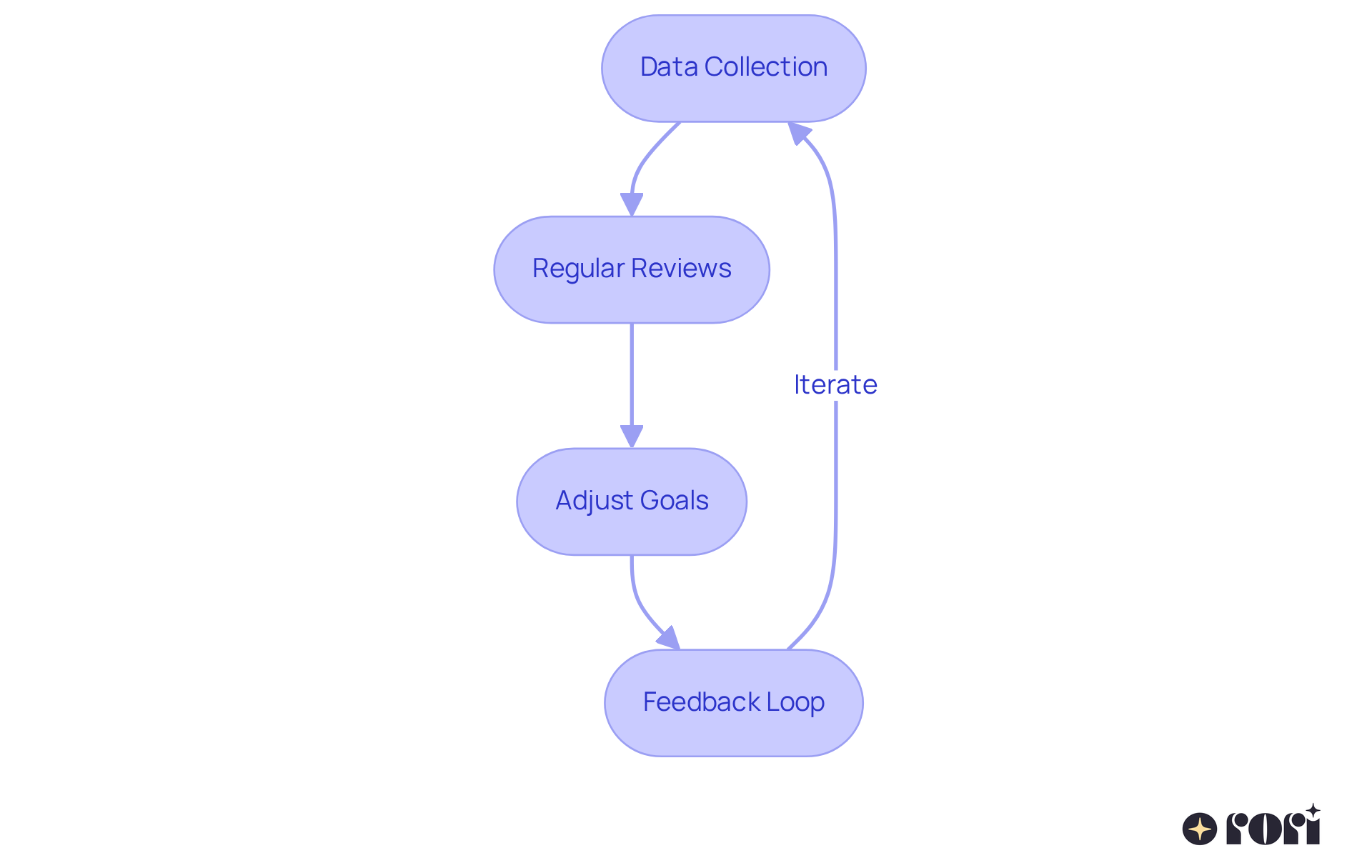
Each box represents a step in the process of monitoring and adjusting treatment plans. Follow the arrows to see how each step connects and contributes to creating an effective care strategy.

Conclusion

Collaborative treatment plans for autism are so important for creating a supportive environment for individuals with autism. When professionals like behavior analysts, therapists, educators, and family members come together, they develop a comprehensive approach that truly addresses each child's unique needs. This teamwork not only boosts communication and treatment effectiveness but also empowers families to take an active role in their child's development.

It’s clear that having clearly defined roles within the care team is crucial. Establishing effective communication practices and regularly monitoring treatment plans based on progress can make a world of difference. Regular meetings, shared goals, and a feedback loop help ensure that everyone stays aligned and responsive to the child's evolving needs. These strategies lead to a more cohesive and adaptive treatment experience, ultimately resulting in better outcomes.

The significance of a collaborative treatment plan really can’t be overstated. It’s a dynamic process that requires commitment from everyone involved, creating a supportive network that champions the individual’s growth and development. By embracing these practices, families and professionals can work hand in hand to create a brighter future for children with autism, ensuring they receive the comprehensive care they truly deserve. Let’s explore this together!

Frequently Asked Questions

What is collaborative treatment for autism?

Collaborative treatment for autism involves a diverse group of professionals, including behavior analysts, therapists, educators, and family members, working together to create a comprehensive care plan for the individual.

Why is communication important in collaborative treatment?

Regular communication among team members ensures they stay aligned on the child's progress and needs, minimizing delays and promoting cohesive strategies that benefit the child's development.

How does a multidisciplinary approach increase treatment effectiveness for individuals with autism?

Research shows that individuals with autism often achieve significant improvements when treated through a multidisciplinary approach, particularly when active caregiver involvement is included, leading to better outcomes in social skills, communication, and emotional regulation.

What role do families play in collaborative treatment for autism?

Involving parents and caregivers fosters a sense of ownership and encourages active participation in their child’s development, which deepens understanding of the child's needs, reduces stress, and creates a supportive learning environment.

What is essential for making collaborative care effective?

Cultivating a culture of respect and open communication among all team members is essential for effective collaborative care, enhancing the quality of treatment and supporting a comprehensive approach to meet each individual’s unique needs.