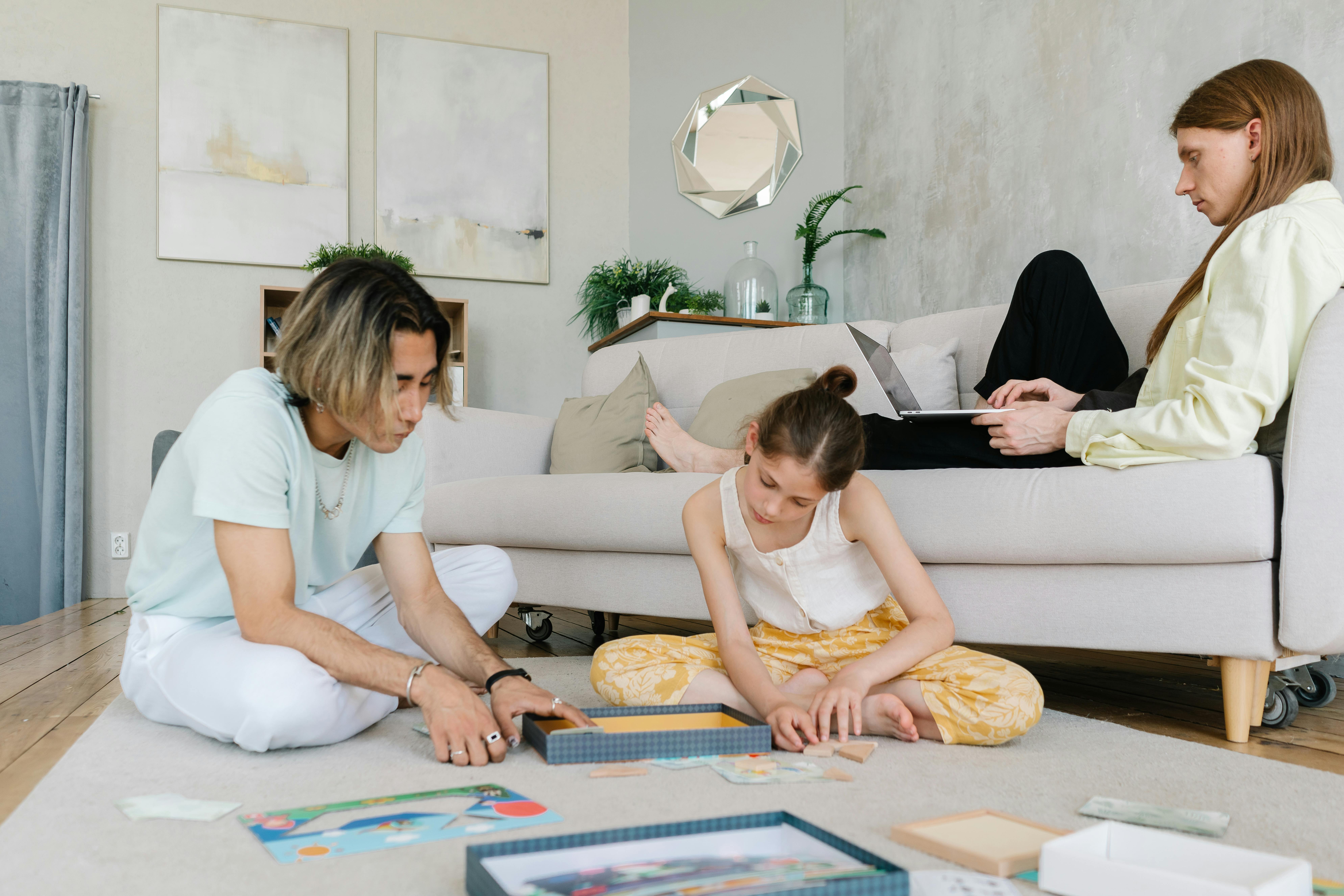
Creating a sensory-friendly environment for children with autism isn’t just a nice idea; it’s a crucial step in helping them feel comfortable and secure. Did you know that up to 90% of individuals on the autism spectrum deal with some form of sensory hypersensitivity? That really highlights the importance of having spaces that reduce overwhelming stimuli.
In this article, we’ll explore practical strategies for designing environments that meet the unique sensory needs of these children. By making thoughtful adjustments, we can significantly boost their well-being. But how can caregivers strike the right balance with these modifications while keeping children’s preferences and comfort front and center? Let’s dive in together!
Creating a for children with autism is essential for helping them feel calm and secure. Did you know that up to 90% of individuals with ASD experience some form of hypersensitivity? That’s why it’s crucial to . Think about how we can control sensory inputs like light, sound, and texture to make a real difference.
Here are some key features of an effective sensory-friendly space:
At Rori Care, our clinical leadership team is dedicated to promoting neurodiversity and empowering caregivers to effectively. As Temple Grandin wisely said, 'Kids must be introduced to to grow.' This highlights the importance of tailored environments. Understanding these elements is the first step in creating a sensory-friendly environment for children with autism that addresses their sensory needs and enhances their well-being.
You might find the helpful for assessing how your child reacts to different stimuli. It really emphasizes the need for . Plus, further research is encouraged to explore sensory characteristics in children with various disorders, showing just how vital accommodating environments are in educational settings.
Let’s explore this together! We’re here to help you every step of the way!

Creating a cozy atmosphere for kids with autism is essential for establishing a for children with autism by making thoughtful adjustments that cater to their unique . Here are some friendly tips to help you along the way, empowering you to support your child's while staying actively involved:
By weaving these adjustments into your home, you can create a nurturing sensory-friendly environment for children with autism that aligns with ABA principles. This not only maximizes the impact of interventions but also supports your child's development. Plus, tracking progress through can help you adjust interventions as needed. Understanding the importance of (EIBI) can further enhance the effectiveness of these changes.
Let’s explore this together! We’re here to help you every step of the way!

Getting your kids involved in creating their can really . Here are some fun ways to engage them in the process:
Involving kids in the design process not only helps them feel a sense of ownership but also tailors the environment to their specific needs. This can really encourage and comfort. Let’s explore this together!

Creating a for children with autism is an ongoing journey that requires regular attention and adjustments to meet their evolving needs. Here are some key steps to keep your environment effective:
Let’s explore this together! Your journey in is important, and we’re here to help you every step of the way!

Creating a sensory-friendly environment for children with autism isn’t just a nice idea; it’s essential for their well-being and growth. By making thoughtful changes in lighting, sound, texture, and organization, caregivers can create spaces that feel calm and secure. These tailored environments meet the unique sensory needs of children, helping them truly thrive.
Let’s talk about some key features of sensory-friendly spaces! Think:
Practical tweaks, like having designated calm zones and involving kids in the design process, can really empower families to build nurturing environments. Plus, regular check-ins and being adaptable are super important to make sure these spaces grow with the child’s changing needs.
In short, we can’t underestimate how vital these sensory-friendly environments are. By prioritizing these spaces, caregivers can offer crucial support that helps children with autism regulate their emotions and develop. Embracing this journey together not only enhances the child’s experience but also strengthens the bond between caregiver and child, creating a sense of security and belonging. So, let’s explore this together! We’re here to help you every step of the way!
What is a sensory-friendly environment?
A sensory-friendly environment is designed to help children with autism feel calm and secure by minimizing overwhelming stimuli, such as excessive light, sound, and texture.
Why is it important to create a sensory-friendly environment for children with autism?
Creating a sensory-friendly environment is essential because up to 90% of individuals with autism spectrum disorder (ASD) experience some form of hypersensitivity, which can lead to discomfort and stress in overwhelming environments.
What are some key features of an effective sensory-friendly space?
Key features include soft lighting to avoid harsh glare, sound management with sound-absorbing materials, organized spaces to prevent visual overload, and comfortable textures through soft furnishings.
How can lighting affect a sensory-friendly environment?
Soft lighting, such as natural light or warm-toned bulbs, helps create a soothing atmosphere and avoids harsh glare, which can be distressing for children with sensory sensitivities.
What role does sound management play in a sensory-friendly environment?
Sound management is crucial as many children with autism are sensitive to sounds. Incorporating sound-absorbing materials like carpets and curtains can significantly lower noise levels.
Why is it important to keep spaces organized?
Keeping areas clutter-free helps prevent visual overload, allowing children to focus better and feel more at ease in their environment.
What types of textures are beneficial in a sensory-friendly space?
Comfortable textures, such as soft furnishings like bean bags or plush rugs, provide tactile comfort, which is essential for children who may be sensitive to touch.
How can caregivers assess their child's sensory needs?
Caregivers can use the Sensory Profile-2 (SP-2) questionnaire to assess how their child reacts to different stimuli and identify personalized adjustments needed for their environment.
What is the significance of tailored environments for children with autism?
Tailored environments are important as they address individual sensory needs and enhance the overall well-being and development of children with autism.