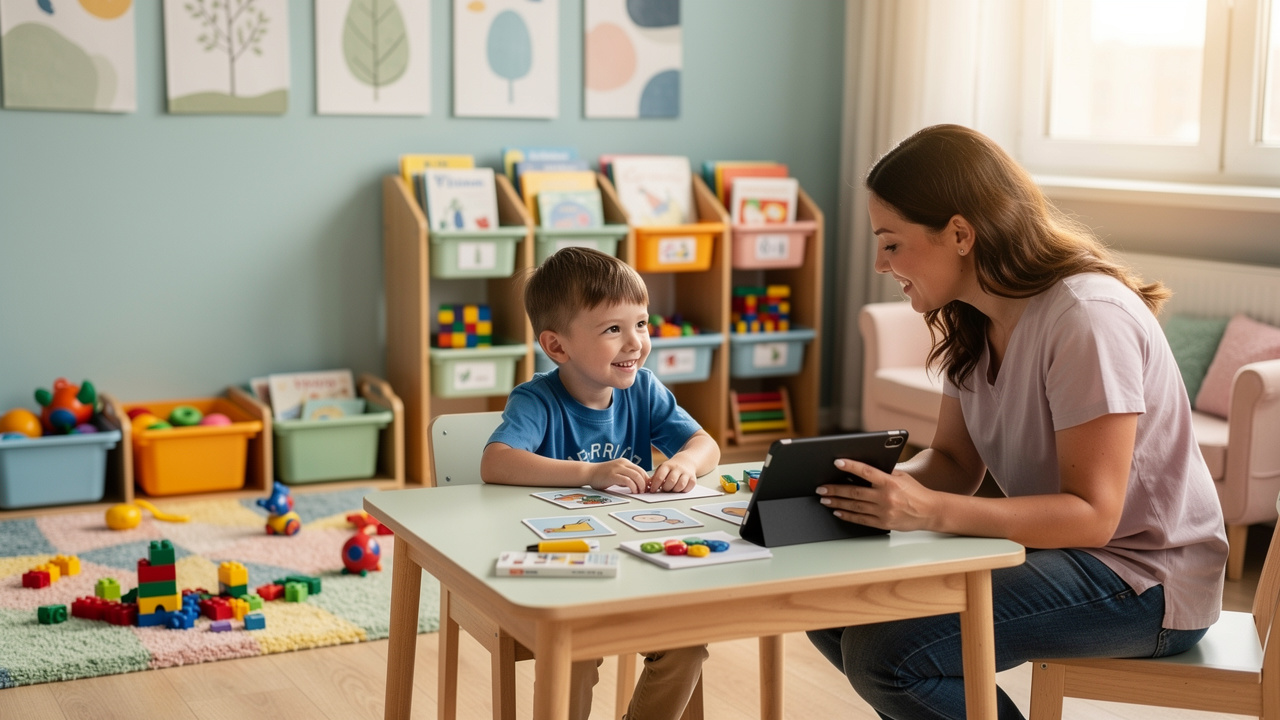
An empathetic parent blogger who understands the challenges and emotions of being a parent. They provide support, guidance, and relatable stories to help parents navigate the complexities of teaching self-care skills to children with autism. In this article, we will explore the importance of teaching self-care skills to children with autism and the strategies and tools that can make the process more manageable. We will specifically focus on the use of visual schedules and technology-enhanced strategies for promoting independence in self-care activities, such as toothbrushing. By understanding these key elements, parents can empower their children with autism to develop essential self-care skills and foster independence and confidence in their daily routines.
are fundamental for every child's development, and for children with autism, these skills are even more crucial. They not only but also enhance . Teaching self-care skills, such as toothbrushing, can be a challenge due to the of children with autism. However, with the , it is possible to make this process less daunting and more rewarding for both the child and the parent.
are a powerful tool in teaching to children with autism. They provide a clear and predictable structure, reducing anxiety and . A , for instance, can break down the process into manageable steps, making it easier for the child to understand and follow. This approach aligns with the principles of , which emphasizes the importance of in promoting positive behavior and independence.
Creating a involves several steps. First, identify the individual steps involved in toothbrushing. Next, represent each step with a . Arrange these images in the order they should be completed. It's important to use images that are . You can use real photos, drawings, or symbols, depending on what works best for your child.
An effective should be simple, clear, and easy to follow. It should include all the , from applying toothpaste to rinsing the mouth. Each step should be represented by a clear image. The schedule should be placed in a location that is easily accessible and visible to the child during toothbrushing. It's also helpful to include a to motivate the child to follow the schedule.
is a technique used in to break down complex tasks into smaller, . This approach can be very effective in teaching to children with autism. Start by observing the child while they brush their teeth and note down each step they take. Then, create a based on these steps. This can make the process of less overwhelming for the child.
Technology can play a significant role in enhancing the effectiveness of . , like those offered by Rori Behavioral Innovations Inc., can personalize and optimize each child's . These tools can , provide real-time feedback, and adjust the schedule based on the child's needs. This can significantly improve the child's ability to learn and maintain .
Parents play a crucial role in implementing and adjusting the at home. It's important for parents to be consistent in using the schedule and provide when the child successfully follows it. If the child struggles with a particular step, parents can or provide additional support. Remember, the goal is to make toothbrushing a positive and rewarding experience for the child.
Teaching toothbrushing to children with autism can come with its set of challenges. Some children may resist toothbrushing due to or difficulty . In such cases, it can be helpful to introduce , starting with like holding the toothbrush. Using a can also and less intimidating for the child.
Tracking the is an essential part of teaching . , like those used by Rori Behavioral Innovations Inc., can provide valuable insights into the and . This information can be used to adjust the and make it more effective. ensures that the child is making progress and that the strategies being used are working.
Once the child has mastered toothbrushing with the help of a visual schedule, the same approach can be applied to other . can be used to teach skills like dressing, bathing, and eating. The key is to break down each task into and represent them with clear images. This approach can empower children with autism to become more in their .
In conclusion, teaching self-care skills to children with autism is crucial for fostering independence and boosting their self-esteem and confidence. By utilizing strategies such as visual schedules and technology-enhanced tools, parents can make the process more manageable and engaging for their children. Visual schedules provide a clear representation of the steps involved in self-care activities, reducing anxiety and promoting independence. Technology-enhanced tools, such as interactive apps or devices, offer visual prompts and rewards that can motivate children with autism to learn and practice self-care skills. It's important for parents to consult with professionals who specialize in working with children with autism to receive guidance on specific tools and resources that may be beneficial. By empowering children with autism to develop essential self-care skills, parents can help them navigate daily routines with confidence and independence.
In addition to the immediate benefits for children with autism, teaching self-care skills has broader significance. It contributes to their overall well-being by promoting independence and autonomy. When children are able to take care of themselves and accomplish tasks independently, they develop a sense of accomplishment and pride in their abilities. This enhances their self-esteem and confidence, which can have a positive impact on their overall emotional well-being. Furthermore, teaching self-care skills lays the foundation for lifelong habits of self-care and personal hygiene.
To start empowering your child with autism to develop essential self-care skills, start ABA therapy now at Rori Behavioral Innovations Inc. With the support of professionals who specialize in working with children with autism, you can navigate the complexities of teaching self-care skills effectively and provide your child with the tools they need to thrive in their daily routines.