Creating opportunities for socialization is so important for children with autism. It really lays the groundwork for developing essential life skills. When kids engage in social interactions, they not only improve their communication and empathy but also help combat those feelings of isolation that many autistic children experience.
But let’s be honest - the journey to enhance these social skills can be tough. Caregivers often find themselves wondering how to best support their children in building those meaningful connections. That’s where this guide comes in! We’ll explore effective strategies and resources that can empower you to create enriching social experiences for your child.
Together, we can pave the way for improved interactions and a brighter future. Let’s dive in and discover how we can make a difference!
Socialization is such an important part of growth for all young people, particularly through creating opportunities for socialization in children with autism. When kids engage in social interactions, they get to develop vital skills like communication, empathy, and emotional regulation. It’s tough, though-many kids with autism struggle to start and maintain friendships, which can lead to feelings of isolation and loneliness. By recognizing how crucial socialization is, caregivers can really help their children build these essential skills.
Let’s dive into some strategies to foster socialization:
By putting these strategies into action, caregivers can focus on creating opportunities for socialization in children with autism, ultimately enhancing their overall quality of life. Let’s explore this together!

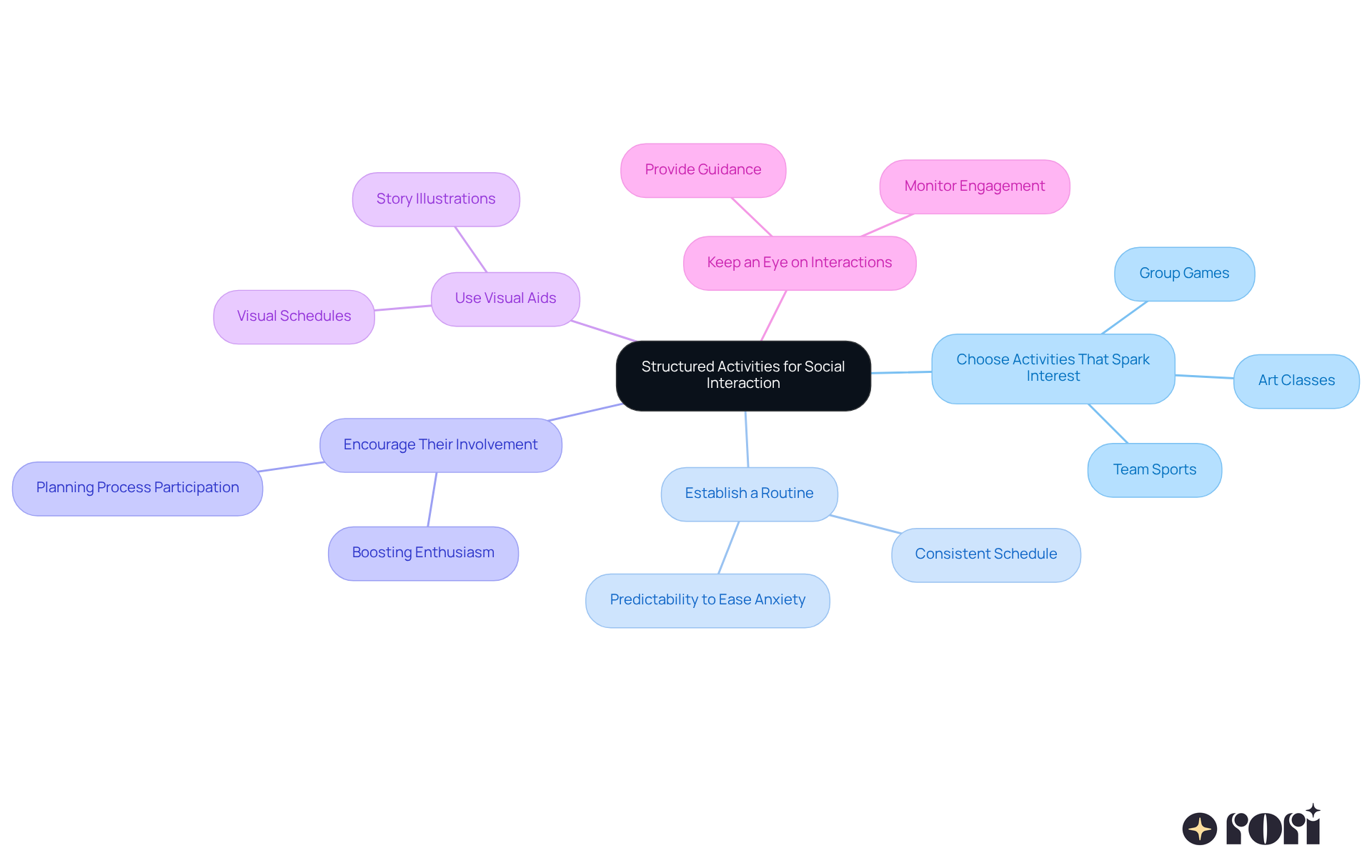
Introducing organized engagements is a fantastic way of creating opportunities for socialization in children with autism, as well as those with ADHD, Social Communication Disorders, and Anxiety Disorders. These activities should be fun and designed to foster interaction in a supportive environment. Here are some key steps to consider:
Organized activities not only enhance interpersonal skills but also focus on creating opportunities for socialization in children with autism to connect with peers in meaningful ways. By focusing on their interests and creating a nurturing atmosphere, parents can significantly impact their child’s social growth. Plus, when caregivers understand ABA principles and strategies, they’re better equipped to support their child’s behavioral goals. This leads to informed decision-making, improved outcomes, and ultimately, happier family dynamics.
Let’s explore this together! We’re here to help you every step of the way!
Technology and community resources can really help improve interpersonal skills for children with autism. Let’s dive into some effective strategies that might just make a difference:
Explore Apps and Online Tools: Have you checked out apps designed to teach social skills through fun games and scenarios? They often use stories and role-playing to mimic real-life situations, making learning engaging and relevant. Research shows that tailored applications can lead to great training outcomes, especially for younger kids.
Participate in Community Initiatives: Why not look for local groups that offer training in social skills or support networks for kids with autism? These community initiatives often focus on creating opportunities for socialization in children with autism, providing safe spaces where they can interact with peers and develop essential skills in a nurturing environment. Many successful programs have demonstrated that structured training can lead to significant improvements in social abilities.
Incorporate Virtual Socialization: Consider setting up virtual playdates or online group activities. These can provide your child with a chance to connect with peers in a comfortable setting. Studies suggest that virtual interactions can reduce anxiety and boost communication skills, making them a valuable tool for socializing.
Utilize Social Robots: Some research indicates that social robots can be a fun way for kids with autism to practice communication. These robots offer consistent feedback and interaction in a non-threatening way, allowing children to enhance their skills at their own pace. Integrating technology like this has shown to improve understanding and interaction.
Utilize Expert Insights: Team up with specialists who focus on autism and social skills training. Their expertise can help you find the best resources and strategies tailored to your child’s needs. Plus, connecting with experts gives you access to the latest research and developments in autism interventions.
By blending technology with community resources, parents can create a vibrant environment that nurtures their child’s interpersonal skills, ultimately creating opportunities for socialization in children with autism and paving the way for better interactions and relationships. Let’s explore this together!

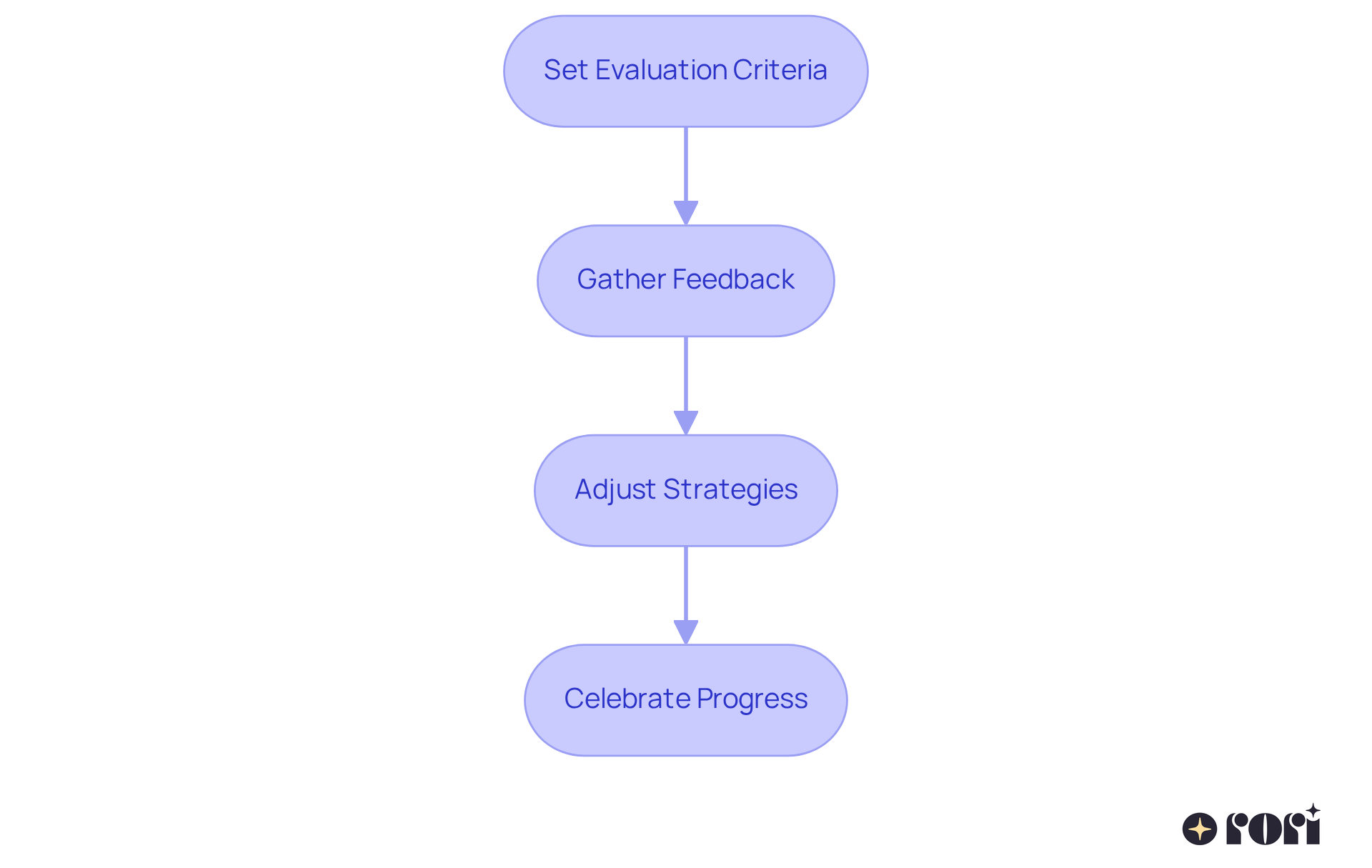
To keep socialization strategies effective, it’s super important to regularly evaluate and adapt them. Here’s how you can do it:
Let’s explore this together! Your journey in supporting your child’s social development is important, and we’re here to help you every step of the way!
Creating opportunities for socialization is so important for children with autism. It really lays the groundwork for developing essential life skills. When caregivers foster social interactions, they help their children build communication abilities, empathy, and emotional regulation. This ultimately leads to a more fulfilling life! Understanding the significance of these interactions empowers parents and educators to take proactive steps in supporting their child's social growth.
Let’s dive into some key strategies for enhancing socialization. Recognizing the benefits of social skills, identifying challenges, setting achievable goals, and utilizing evidence-based practices are all crucial. Structured activities that align with a child's interests, the use of technology, and tapping into community resources can really enrich the socialization process. Plus, regularly evaluating and adapting these strategies ensures they meet each child's evolving needs, allowing for continuous improvement.
Ultimately, supporting a child with autism in developing social skills is a significant and impactful journey. By actively engaging in structured activities, leveraging technology, and connecting with community resources, caregivers can create a nurturing environment that fosters meaningful connections. This commitment not only enhances the child's social abilities but also contributes to their overall happiness and well-being. It truly underscores the importance of socialization in autism development.
So, let’s explore this together! Remember, you’re not alone in this journey, and we’re here to help you every step of the way!
Why is socialization important for children with autism?
Socialization is crucial for children with autism as it helps them develop vital skills such as communication, empathy, and emotional regulation. Engaging in social interactions can also prevent feelings of isolation and loneliness.
What benefits can building social skills provide for children with autism?
Building social skills can boost self-esteem, improve academic performance, and enhance emotional well-being. It can also reduce problematic behaviors and foster a sense of belonging.
What challenges do children with autism face in socialization?
Children with autism may struggle with reading social cues, starting conversations, and maintaining friendships. Recognizing these specific challenges early on is essential for providing timely support.
How can caregivers set goals for their child's social development?
Caregivers can set clear, achievable goals tailored to their child's unique needs and abilities. Structured social training can significantly improve skills like communication, reciprocity, and joint attention.
What evidence-based practices can help improve social skills in children with autism?
Effective strategies include peer-mediated interventions, role-playing, and storytelling. These methods help teach essential social behaviors such as sharing, taking turns, and working in groups.
How can caregivers create opportunities for socialization for children with autism?
By implementing the discussed strategies and focusing on fostering social interactions, caregivers can enhance their child's overall quality of life and support their social development.