

Cultivating self-management skills in children with autism isn’t just a beneficial endeavor; it can truly be transformative! 🌟 These essential abilities empower young individuals to navigate their emotions, behaviors, and daily tasks with greater confidence and independence.
As caregivers and clinicians, we often find ourselves exploring the best practices for fostering these skills. But let’s be honest, it can be a challenge to implement effective strategies that resonate with each child's unique needs. So, how can parents and professionals work together to create a nurturing environment that promotes autonomy and long-term success for children on the autism spectrum?
Let’s explore this together! We’re here to help you every step of the way!
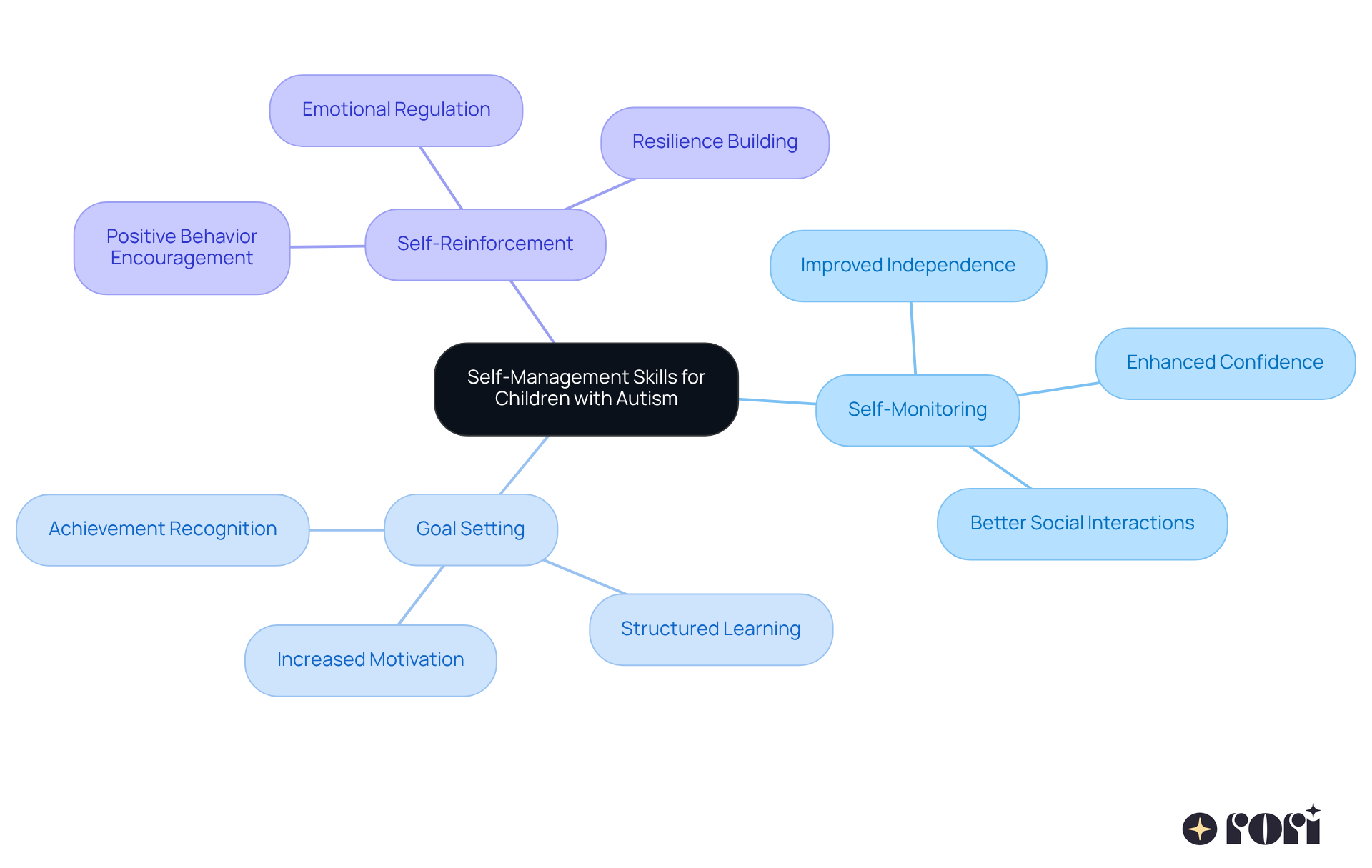
are so important for individuals with autism, helping them manage their behaviors, emotions, and actions. Think of it like having a toolkit! Key components include:
When young individuals master these skills, they really start to take charge of their learning and behavior, which boosts their independence and confidence.
Studies show that kids who develop are often better at handling , organizing their daily activities, and tackling challenges. For example, one study found that when young individuals learned to recognize feelings of overwhelm and apply , they significantly improved their ability to manage stressful situations. Isn’t that amazing?
By cultivating in children on the autism spectrum, caregivers and clinicians can help them gain greater autonomy, which ultimately enhances their overall well-being. Plus, educating caregivers is crucial in this journey. It equips them with the knowledge and skills to provide the right support at home, complementing professional interventions and promoting consistency. This informed approach can lead to significant improvements in , which are crucial for cultivating in children on the autism spectrum, paving the way for long-term independence and success in various areas of life.
Behavioral specialists highlight that these abilities not only support emotional growth but also enhance communication and problem-solving skills, making them essential for . For instance, works wonders in improving in children with autism by incorporating focused interventions that teach essential self-control techniques.
And here’s a powerful statistic: the total effect size for personal management interventions has been reported as .93! That’s a very large effect, underscoring just how effective these approaches can be in promoting independence. Let’s explore this together and see how we can support our children on this journey!
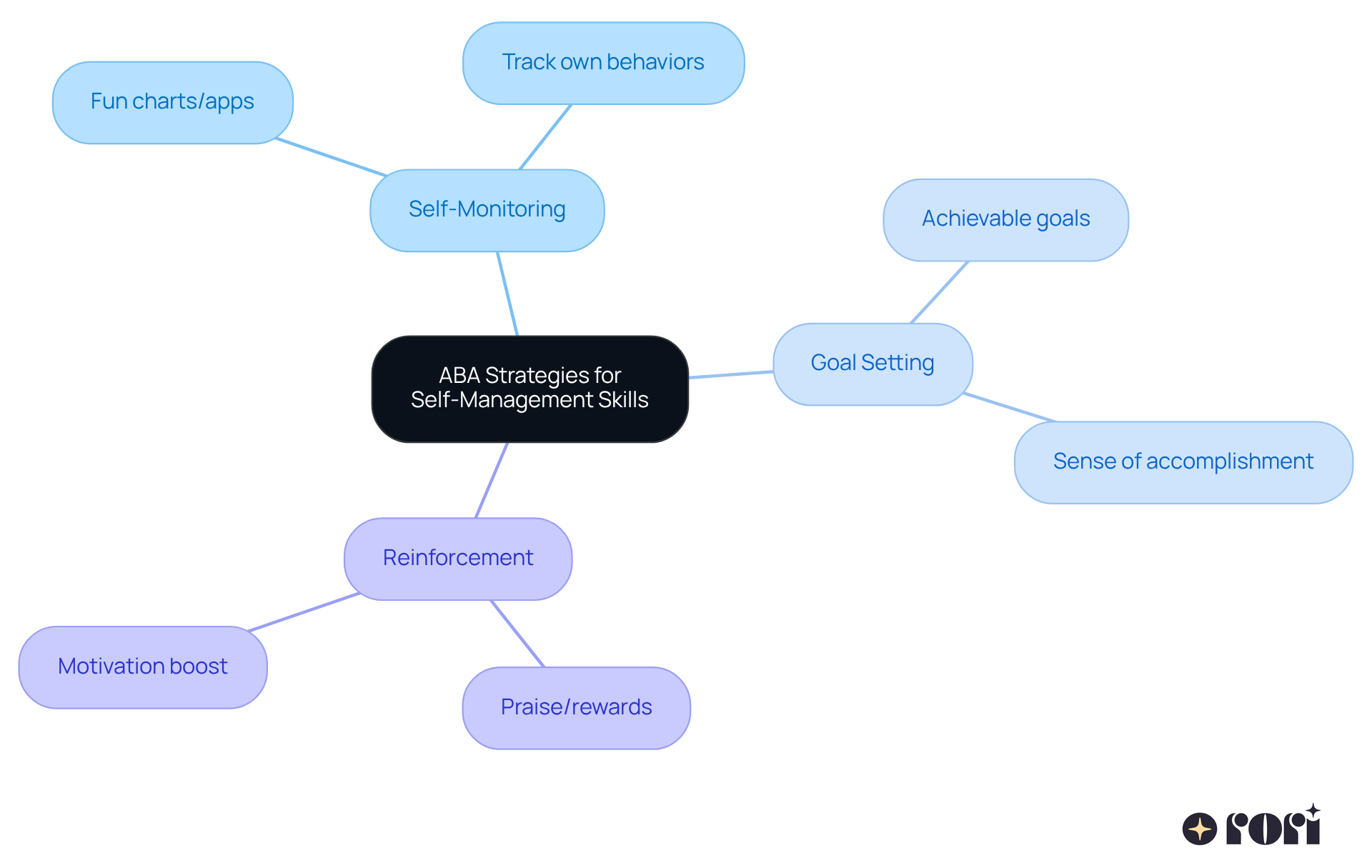
Teaching cultivating can seem overwhelming for parents, but clinicians at Rori Care offer effective strategies to assist them! One effective approach for in children on the autism spectrum is utilizing like self-monitoring, , and reinforcement. For example, . This can be done through fun charts or apps that let them see their progress.
is another fantastic way to boost motivation while also in children on the autism spectrum. When young people set , they experience that wonderful sense of accomplishment, which really fuels their drive to succeed. And let’s not forget about ! can make a world of difference in their learning journey.
Did you know that 90% of children show significant progress when they have ? That’s pretty impressive! Take, for instance, a case study of a young person who learned to use a . This child became more independent and relied less on adult prompts, showcasing just how adaptable ABA therapy can be when tailored to individual needs.
So, let’s explore this together! If you’re looking for ways to support your child in cultivating , remember that you’re not alone. We’re here to help you every step of the way!
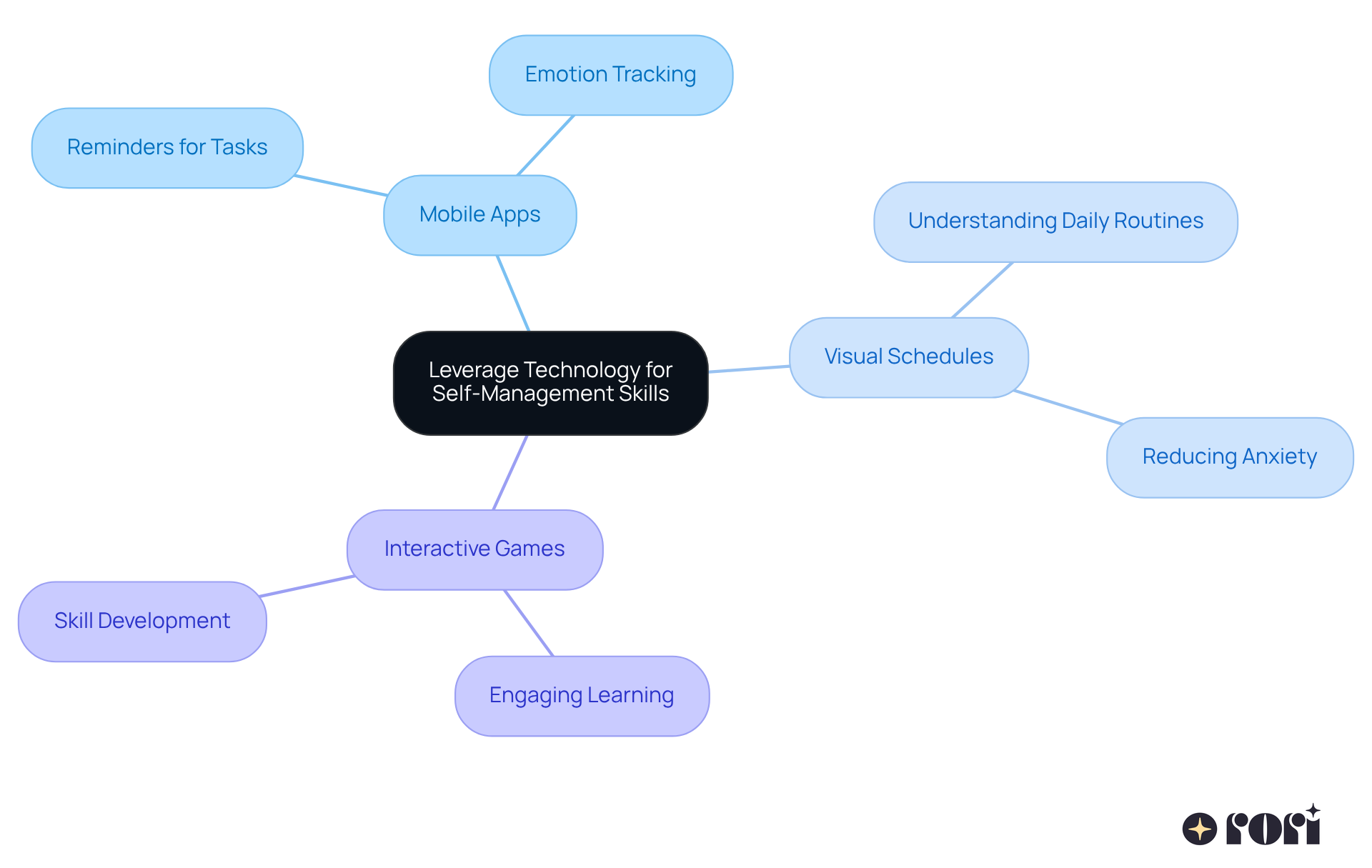
Technology plays a vital role in cultivating in children on the autism spectrum. Think about it: , , and can make learning these skills fun and engaging! For example, there are apps that let kids set reminders for tasks or track their emotions. This can really help them become more and behaviors.
And let’s not forget about on tablets! They can be a game-changer for kids trying to understand their . By using these tools, kids can feel less anxious and more independent, which aids in in children on the autism spectrum. A study even showed that kids who used tech-based learning resources made significant progress in their compared to those who didn’t.
So, by incorporating , clinicians can create a more . Let’s explore this together and see how these tools can make a difference in your child’s life!
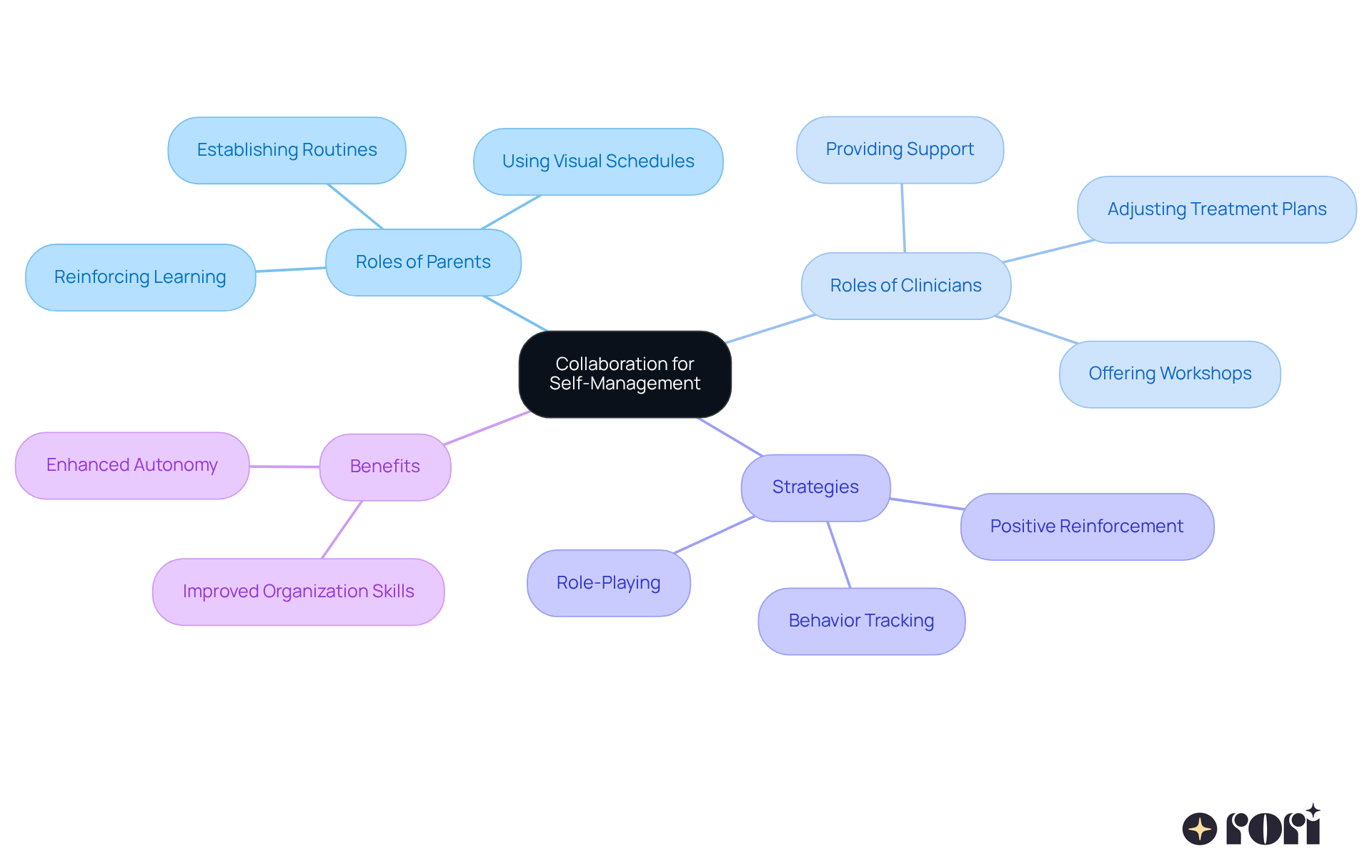
Cooperation between parents and healthcare professionals is essential for cultivating to develop their autonomy. At Rori Care, our passionate clinicians are here to support your family with compassionate . Parents play a key role in by reinforcing what they learn during therapy at home. Consider using , establishing clear routines, and implementing as part of cultivating - these can make a big difference!
help share insights and updates on progress. This way, we can make timely adjustments to treatment plans. For example, if a parent notices specific triggers that lead to challenging behaviors, we can address those in the next therapy session. Our , made up of skilled BCBAs and RBTs, is committed to neurodiversity. We even offer free consultations to empower caregivers with the knowledge and resources they need to support their child’s journey toward independence.
We also host that provide parents with practical approaches aligned with ABA principles. These include role-playing scenarios and behavior tracking methods, which enrich the learning environment and create a supportive atmosphere for growth. Studies show that when parents are actively involved in , kids exhibit remarkable improvements in personal organization skills. This really highlights how important it is for everyone to work together in the therapeutic process.
Let’s explore this journey together! We’re here to !
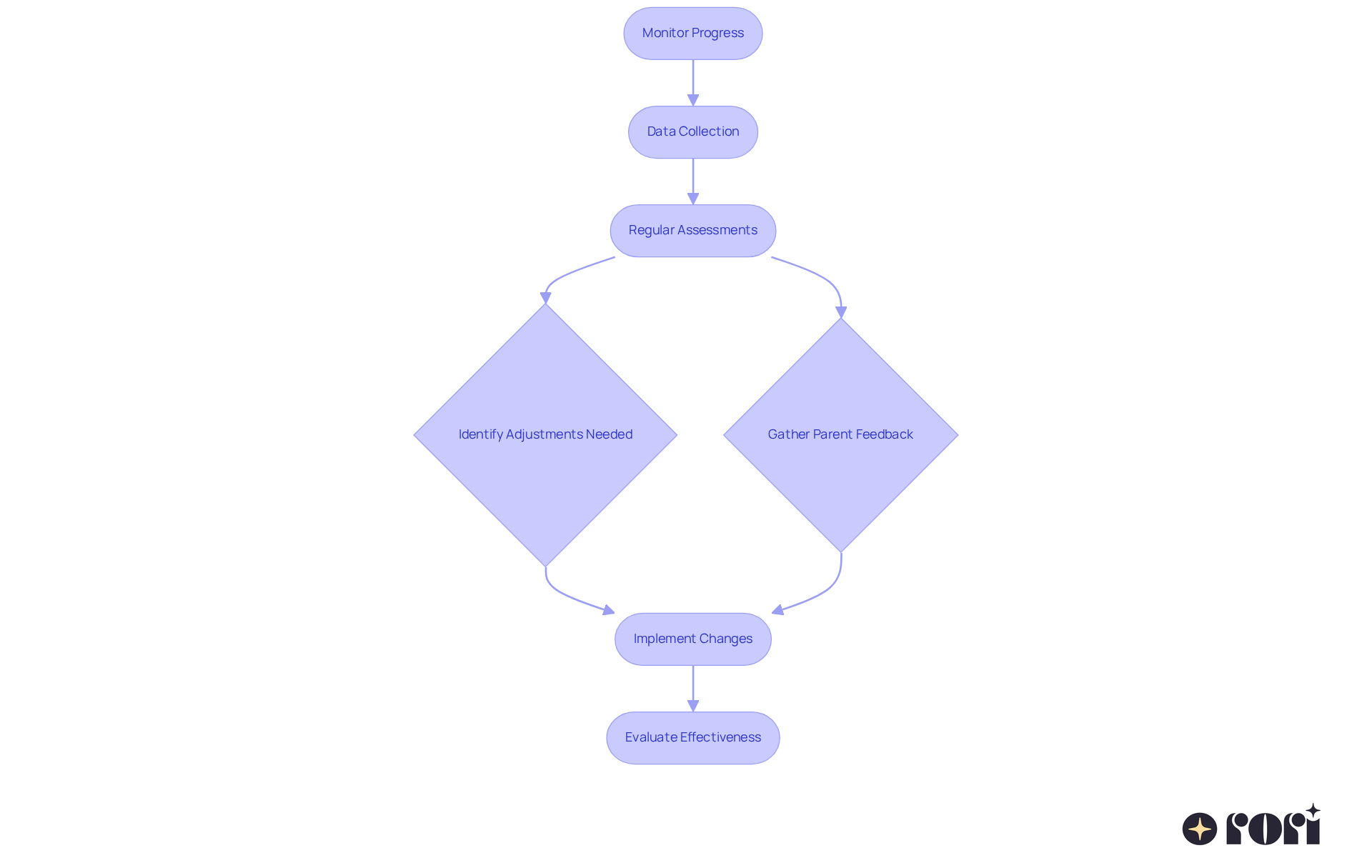
To make truly effective, it’s so important to keep an eye on progress and tweak strategies as needed. At Rori Care - ABA Therapy, we’ve got your back! We use , recording sessions so our clinical team is always there for your loved one, without interrupting to gather data or write report notes. This way, our clinicians can securely .
And don’t worry about privacy! All , anonymized, and deleted after analysis. help us see what’s working and what might need a little adjustment. For instance, if a young person struggles with a specific , our clinicians can dive into the data to see if we need to simplify the task or provide extra support.
We also love hearing from parents! Your , creating a responsive strategy that meets the evolving needs of your child. By nurturing a culture of continuous assessment and flexibility, our team at Rori Care can enhance the effectiveness of self-management strategies, particularly in cultivating , to support your child’s journey toward greater independence. Let’s explore this together!
Cultivating self-management skills in children with autism is truly a transformative journey! It empowers them to take charge of their behaviors, emotions, and daily activities. By focusing on key components like self-monitoring, goal setting, and self-reinforcement, caregivers and clinicians can really boost a child's independence and confidence. These skills not only help with emotional growth but also enhance communication and problem-solving abilities, leading to a more fulfilling life for children on the autism spectrum.
Throughout this article, we’ve highlighted various best practices, such as:
By using tools like mobile apps and visual schedules, and keeping open lines of communication with healthcare professionals, caregivers can create a supportive environment that nurtures their child's self-management skills. The evidence is clear: active caregiver involvement leads to remarkable progress in a child's development.
The journey toward cultivating self-management skills in children with autism isn’t just about teaching techniques; it’s about fostering a collaborative, informed, and adaptive approach that prioritizes continuous improvement. Engaging with technology and working closely with clinicians can lead to significant advancements in a child's autonomy. By embracing these practices, families can pave the way for a brighter future where children are equipped with the skills they need for success in various aspects of life.
Let’s explore this together! We’re here to help you every step of the way!
What are self-management skills and why are they important for children with autism?
Self-management skills are abilities that help individuals with autism manage their behaviors, emotions, and actions. They are important because they boost independence and confidence, enabling children to take charge of their learning and behavior.
What are the key components of self-management skills?
The key components include self-monitoring, goal setting, and self-reinforcement.
How do self-management skills affect social interactions and daily activities?
Children who develop personal management skills are often better at handling social interactions, organizing their daily activities, and tackling challenges. For example, learning to recognize feelings of overwhelm and applying calming techniques can significantly improve their ability to manage stressful situations.
How can caregivers and clinicians support the development of self-management skills in children with autism?
Caregivers and clinicians can support the development of self-management skills by educating themselves on these skills and providing the right support at home, which complements professional interventions and promotes consistency.
What role does ABA therapy play in improving self-regulation abilities in children with autism?
ABA therapy incorporates focused interventions that teach essential self-control techniques, which can significantly improve self-regulation abilities in children with autism.
What is the reported effect size for personal management interventions in children with autism?
The total effect size for personal management interventions has been reported as .93, indicating a very large effect and underscoring the effectiveness of these approaches in promoting independence.
What strategies can parents use to teach self-management skills to their children with autism?
Parents can use ABA techniques such as self-monitoring, goal setting, and reinforcement. Self-monitoring can involve fun charts or apps, goal setting can boost motivation, and reinforcement techniques like praise or rewards can enhance learning.
How does caregiver involvement impact the progress of children with autism in developing self-management skills?
Active caregiver involvement has been shown to lead to significant progress, with 90% of children demonstrating improvement when caregivers are engaged in the process.
Can you provide an example of how self-management skills can be taught effectively?
An example is a case study where a child learned to use a visual schedule to tackle daily tasks, which helped them become more independent and rely less on adult prompts.


