

Introduction
A behavior plan template is more than just a document; it is a roadmap tailored for children with autism to navigate the challenging terrain of behavioral development. This comprehensive template outlines clear goals, objectives, and individualized strategies to cultivate positive behaviors and mitigate unwanted ones. Informed by recent guidelines from the Council of Autism Service Providers, the behavior plan template embodies a commitment to best practices and coordinated care.
With autism affecting as many as 1 in 36 individuals, early diagnosis and the use of behavior plan templates are crucial in addressing the unique needs of each child. By targeting specific behaviors and employing tailored interventions, these templates offer a personalized approach that promises more effective behavioral management. Through the transformative potential of a well-crafted behavior plan, children with autism can experience improved safety, well-being, and personal growth.
What is a Behavior Plan Template?
A transcends a mere document; it’s an essential roadmap tailored for children with autism to navigate the often challenging terrain of . This template delineates clear goals, objectives, and the necessary to cultivate and mitigate unwanted ones. By doing so, it equips parents, educators, and therapists with a to support the child’s progress effectively.
The necessity of such a plan is underscored by recent guidelines from the Council of Autism Service Providers, which emphasize the importance of high-quality implementation of methods. Consistent with this, a embodies a commitment to best practices and coordinated care, as stressed by experts in the field.
According to the CDC, autism affects as many as 1 in 36 individuals, highlighting the significance of and the utilization of s to address the unique needs of each child. The template’s precision in targeting specific behaviors enables tailored interventions, which are critical in a spectrum condition like autism, where the impact and manifestations vary widely among individuals.
This individualized approach has been further validated by technology solutions that enhance the quality and coordination of care. These advancements facilitate streamlined processes that benefit all parties involved, from providers to health plans, ensuring that the distinctive needs of each child are met with respect and dignity.
The transformative potential of a well-crafted behavior plan is evident in the case of autistic individuals engaging in behaviors such as wandering. Initiatives like the Kevin and Avonte Program have allocated over $10.3 million since 2018 to address such behaviors, demonstrating the positive impact of focused interventions and the broader implications for safety and well-being.
In conclusion, a is not just a tool but a strategic ally in the quest to support children with autism. It offers a comprehensive framework that, when combined with recent advances in treatment guidelines and technology, promises a more effective, personalized approach to behavioral management.
Importance of Behavior Management
Constructing an effective for children with autism is essential, not only to cultivate their but also to significantly enhance their . An expertly crafted stands as a pivotal element in managing . It equips caregivers and professionals with a structured approach to meticulously observe and document progress, discern triggers, and design tailored interventions.
Moreover, this approach to behavior management underscores the importance of fostering while simultaneously diminishing undesirable ones, thereby facilitating superior outcomes for the child.
For children with autism, particularly those with additional emotional and behavioral challenges, such a plan is instrumental in preventing their exclusion from crucial social interactions in educational and community settings. This aligns with the in all aspects of life, as emphasized by the late Dr. David (Dan) R. Offord, who advocated for a fair ‘race’ for all children, including those with disabilities. The goal is to balance recognizing the unique contributions these children bring to their communities and addressing the chronic stressors they face.
In doing so, s become tools that empower caregivers to nurture their children’s development and sustain family well-being.
Recent initiatives, like Emirates and Dubai International Airport’s collaboration to simulate travel experiences for neurodivergent children, demonstrate the real-world applications of tailored approaches. These experiences help children, such as 11-year-old Humza, to engage comfortably with environments that might otherwise be overwhelming. Such inclusive practices are testament to the importance of understanding and planning for individual needs, ultimately contributing to the mental health and equitable treatment of children with disabilities.
Step 1: Identifying Goals and Objectives
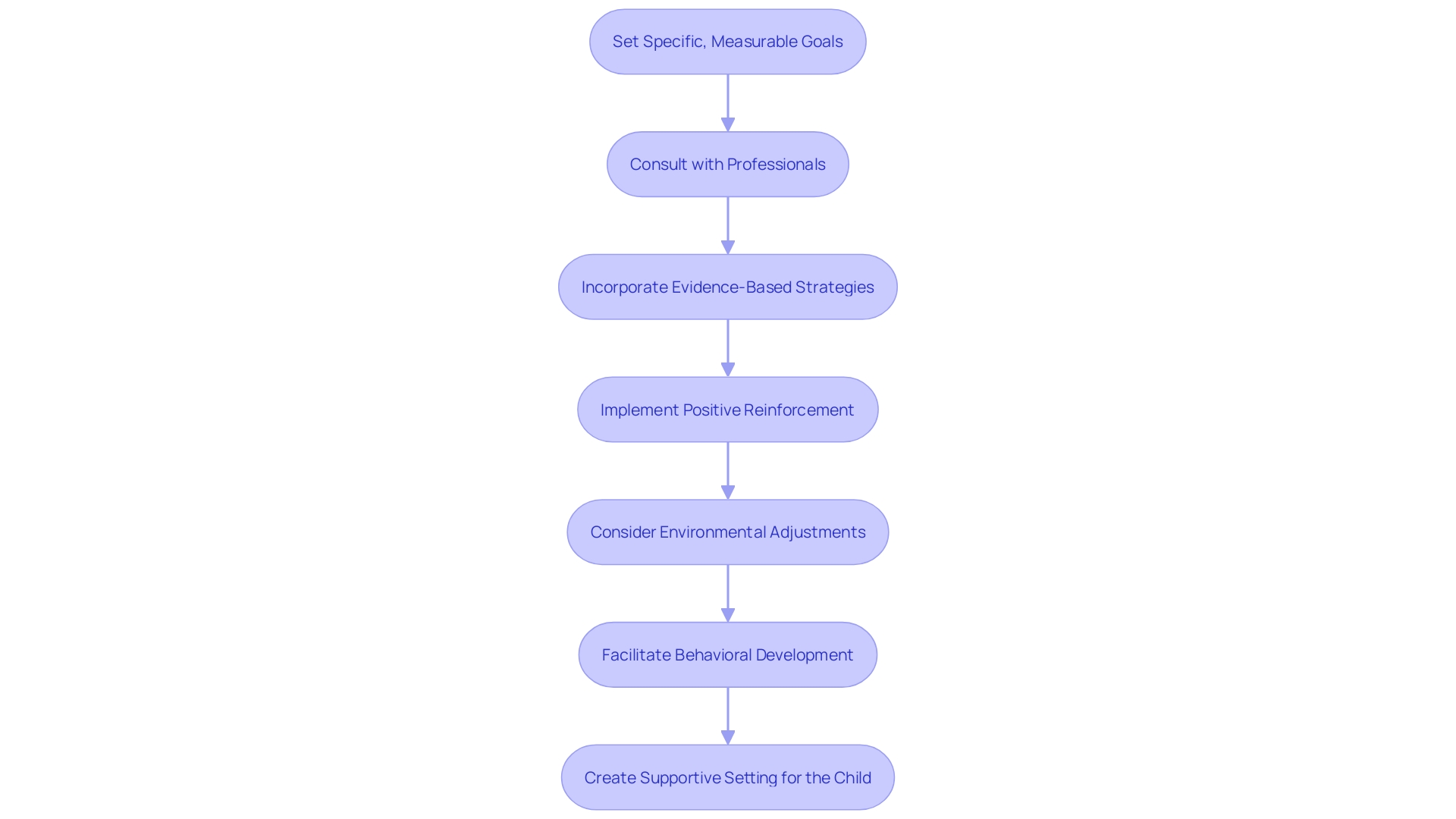
Creating a template begins with setting specific, that are tailored to the individual needs of the child. These objectives serve as benchmarks for progress and should be realistic, attainable, and reflect the child’s unique strengths and areas for growth. In this process, it’s imperative to consult with who understand the child’s context, such as therapists or educators.
Their expertise ensures that the goals are suitable and that the strategies designed to reach these goals are aligned with . Among these strategies, plays a key role, as it encourages the child to repeat desired behaviors by offering a reward system that is meaningful to them. Furthermore, it’s important to consider the environment in which the child operates, as altering certain aspects can reduce the likelihood of challenging behaviors occurring.
By taking a comprehensive approach that includes goal setting, , , and environmental adjustments, a can become a powerful tool for facilitating and fostering a supportive setting for the child.
Step 2: Assessing Behavior
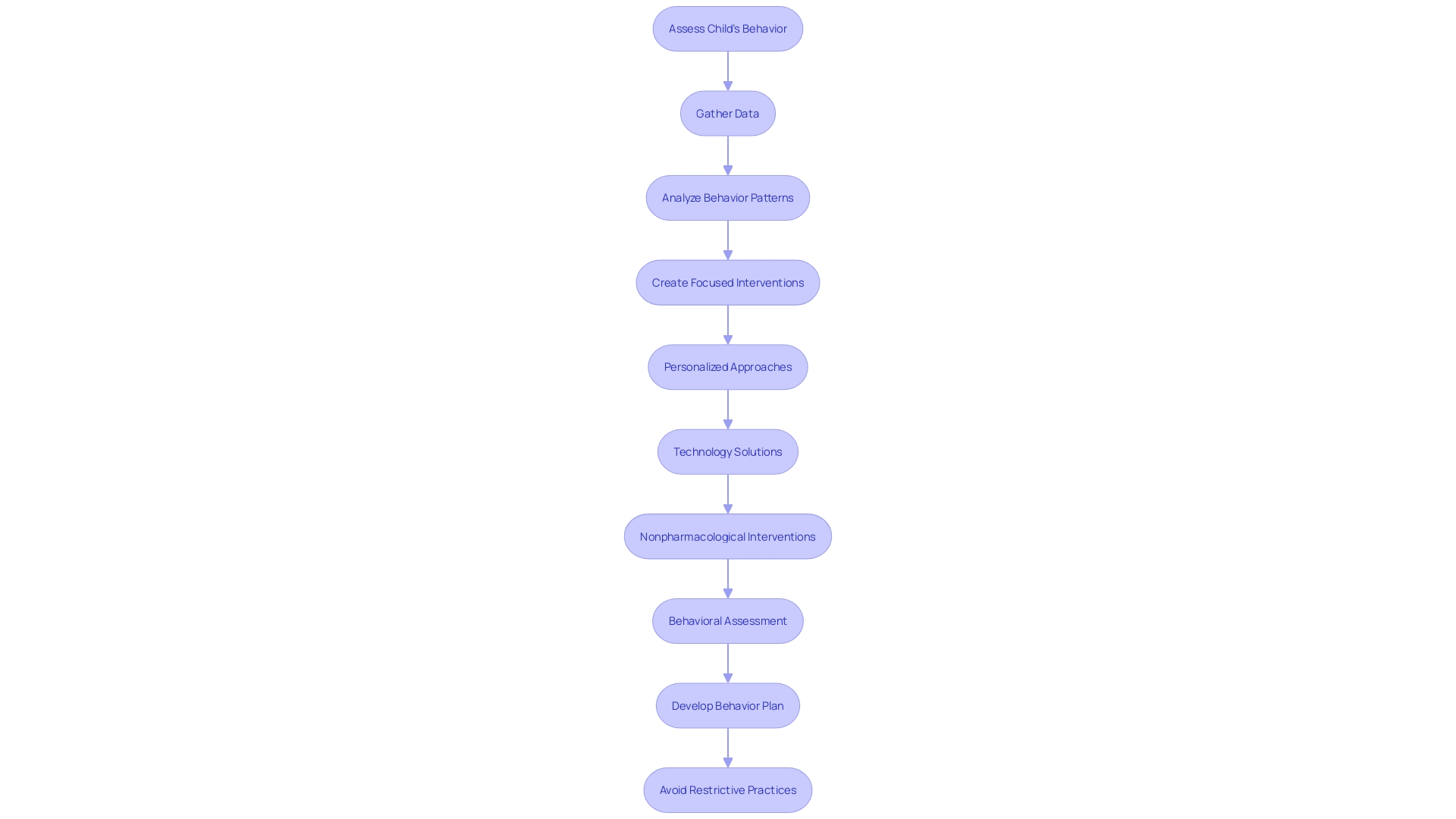
Drafting a begins with a meticulous assessment of the child’s behavior to uncover the root causes and triggers of challenging actions. This process typically includes direct observation, meticulous data gathering, and thorough analysis of . Such an assessment yields deep insights into the precursors, outcomes, and purposes of the problematic behaviors, shaping the creation of focused interventions.
For instance, a case study from Lækjarskóli, a local school involved in trials, demonstrates the efficacy of a well-conceived . Here, students have shown remarkable progress, which underscores the importance of a based on comprehensive . This approach is aligned with the expertise of New York state-licensed and Board-Certified Behavior Analysts, who emphasize the creation and enhancement of technology solutions to support coordinated care and streamlined review processes for all parties involved.
Moreover, recent research highlights the necessity of in the treatment of autism and other behavioral challenges. Studies indicate that the majority of interventions suffer from design flaws, which complicates understanding their efficacy and potential risks. A thorough behavioral assessment is therefore critical to developing a behavior plan that is both effective and respectful of the individual’s needs.
The insights drawn from assessment are not only crucial for individual progress but also for avoiding that can violate human rights and cause harm. With a tailored behavior plan, there is a greater opportunity to respect the individual’s needs and promote their well-being, as emphasized by recent news in the disability sector calling for a reduction in reliance on sedation, physical restraint, and isolation when managing challenging behaviors.
Step 3: Developing Positive Behavior Strategies
Selecting the most effective is crucial for fostering positive change in children. These strategies, grounded in , are designed to enhance desired behaviors and teach alternative, more adaptive skills. Employing reinforcement techniques, for instance, can significantly increase the likelihood of a child exhibiting preferred behaviors by offering incentives or rewards.
Additionally, empowers children to interact more successfully with others, which is essential for their social development.
serve as another vital component, offering children a way to understand and follow routines or expectations through images or symbols. For children with sensory processing challenges, are invaluable, helping them manage their responses to sensory stimuli in their environment. It’s imperative to recognize that each child is unique, and hence strategies should be personalized, taking into account their individual needs and preferences.
This approach is not only supported by the latest educational research but also aligns with the broader system of knowledge that encompasses different traditions of knowing and forms of expertise (Chicago Beyond, 2019; Doucet, 2019; Gleeson et al., 2023; Mihalec-Adkins et al., 2023; Ozer et al., 2020).
As researchers continue to explore the various conditions that affect the utilization of research, they emphasize the importance of adapting strategies to these diverse conditions to optimize outcomes for children. A poignant illustration of the power of research to shape a better future is the National Academies of Sciences, Engineering, and Medicine’s (2019) report, which synthesized economic research and developmental science to offer strategies for reducing child poverty, thereby demonstrating the tangible benefits of research-based strategies on societal well-being.
Step 4: Creating a Behavior Plan Template
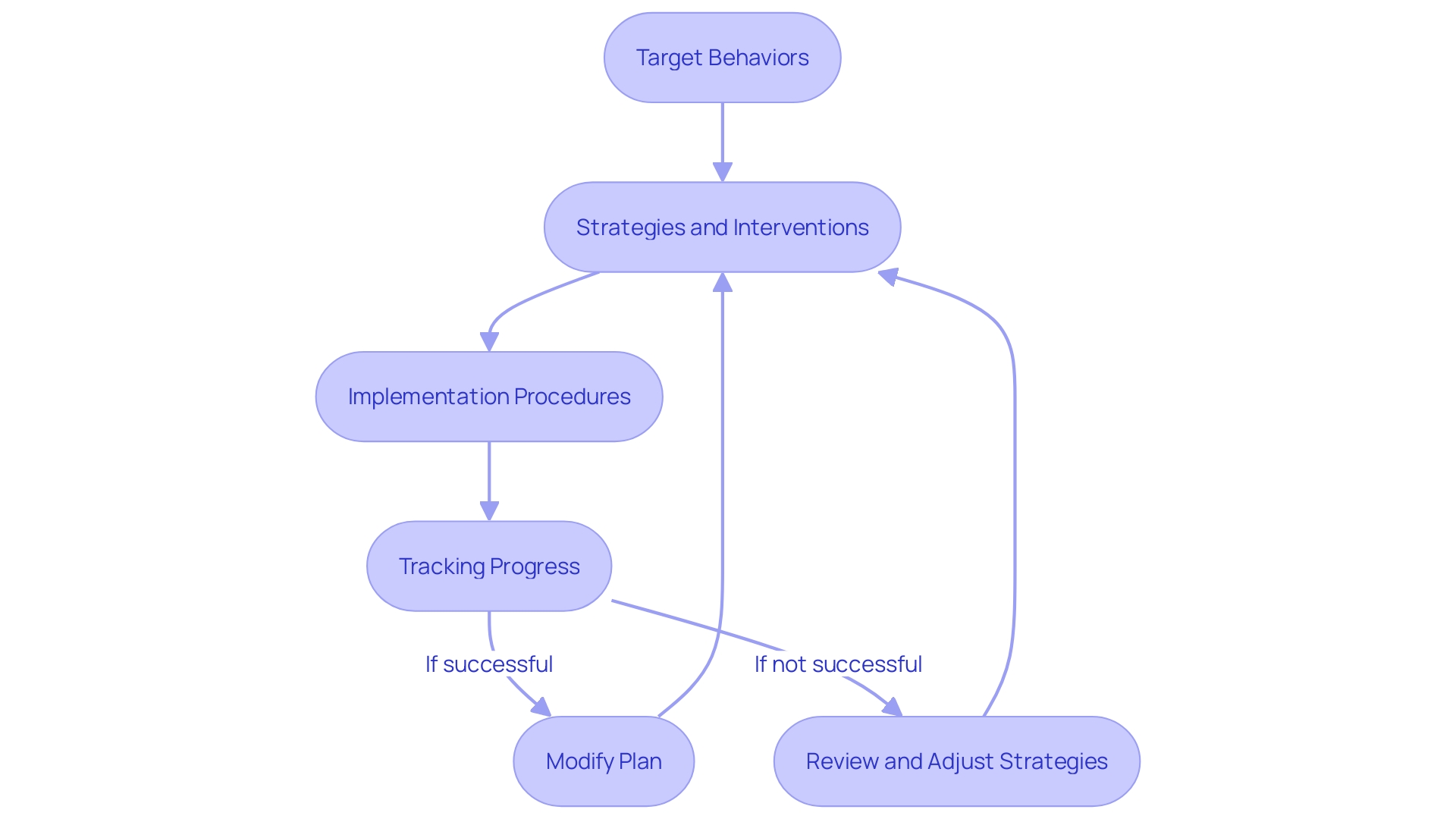
A is an essential tool designed to systematically address and modify challenging behaviors. At its core, the template serves as a structured guide for outlining specific tailored to individual needs. When creating this template, it’s important to start by clearly defining the that need to be addressed.
This precision sets the stage for a focused approach to .
Next, the template should detail the planned for use. These are the methods by which is encouraged, and they must be thoughtfully selected based on their relevance and effectiveness for the behavior in question.
are another critical component. These outline how the strategies will be applied in a real-world setting, including step-by-step instructions for caregivers or professionals. Identifying responsible individuals ensures accountability and clarity in roles for implementing the plan.
Moreover, the template should incorporate a system for . This might include methods for data collection and regular monitoring, allowing for adjustments to be made as necessary to ensure the plan remains effective.
In essence, a well-constructed serves as a comprehensive blueprint for managing behaviors. It facilitates a transition from undesired actions to more constructive ones, contributing to the overall well-being and personal growth of the individual involved.
Step 5: Implementing the Behavior Plan
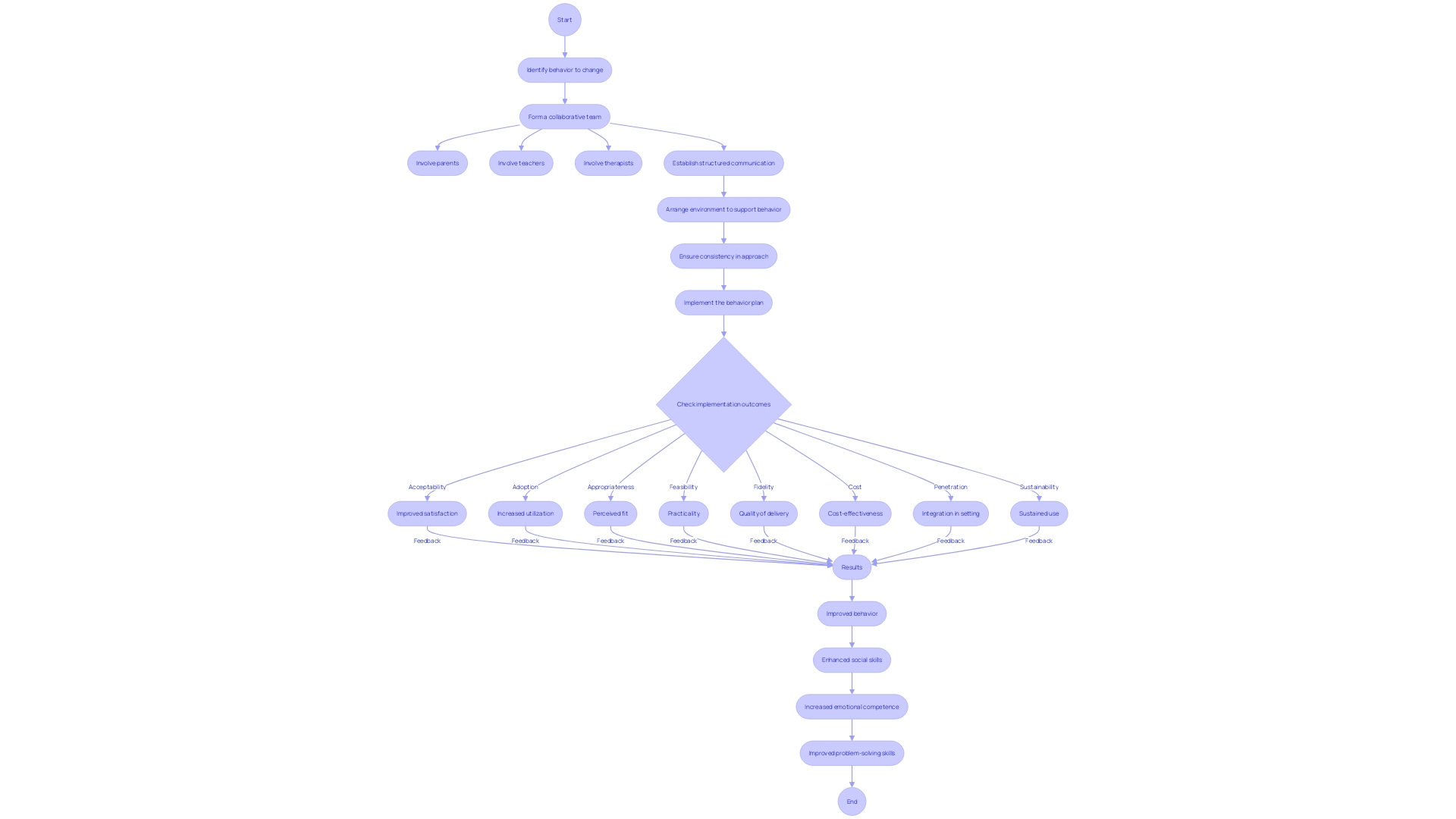
A successful is a blueprint for addressing challenging behaviors and hinges on a . It requires the concerted efforts of parents, teachers, and therapists to be effective. The key to ensuring everyone involved is on the same page is through .
As highlighted by experts, this includes sharing observations, concerns, and solutions in a way that focuses the discussion and encourages .
The environment is also a critical factor in implementing a . It must be arranged in a way that supports and encourages the desired behaviors. Consistency is crucial—when all team members consistently apply the outlined strategies, the likelihood of success in increases significantly.
This method has been shown to improve not only the behavior of individuals but also their social and emotional competences, as well as problem-solving skills. In fact, outcomes such as feasibility and fidelity are integral to the effectiveness of these interventions.
Recent news showcases innovative partnerships, like the one between Aetna Better Health of Kentucky and MapHabit, that emphasize the importance of ongoing communication and the completion of . These initiatives aim to empower members and their care teams, providing a model for how s can be integrated into larger systems of care for whole-person health.
Moreover, cooperative learning strategies underscore the importance of positive interdependence and individual accountability—principles that resonate with the implementation of s. When and how it contributes to the collective goal, the entire system functions more effectively, as each individual’s success is seen as integral to the group’s achievements.
Step 6: Monitoring and Evaluating Progress
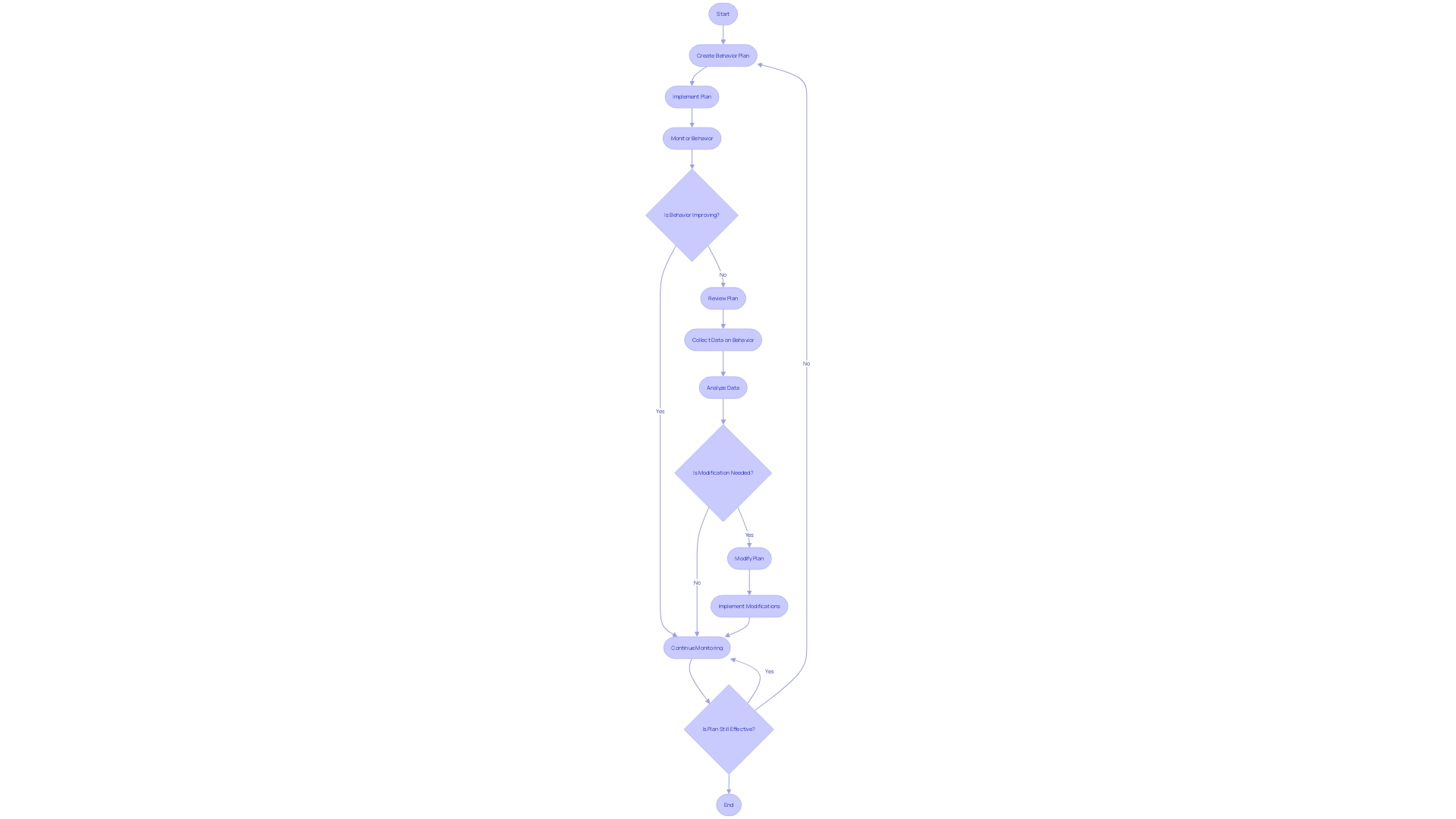
A is a dynamic tool designed to address specific challenging behaviors through . Constructing a requires not only initial planning but also continuous monitoring and evaluation to ensure its effectiveness. This process is akin to creating a ‘history book,’ a living document that records the child’s behavioral patterns, the interventions applied, and the progress made over time.
Essential to this process is the collection and analysis of data on the child’s behavior, which facilitates an and the ability to make informed adjustments.
Much like the approach used by municipalities such as Wallace-Woodworth in their asset management, where the documentation of asset history and staff knowledge was critical to preserving institutional memory, a must also encapsulate the evolution of strategies and outcomes. This ensures that any transitions in care or changes in the child’s environment can be managed without loss of critical information, thereby maintaining continuity in the child’s development.
In the context of , it’s important to consider the concept of loss aversion, a fundamental principle in behavioral science. Just as individuals place a higher value on avoiding losses than on acquiring equivalent gains, a child might be more responsive to strategies that prevent the removal of privileges as opposed to those that promise rewards. This insight can be pivotal when analyzing and tweaking a , ensuring that interventions align with the child’s intrinsic motivations.
Moreover, the effectiveness of any is contingent upon the quality and consistency of its implementation. Similar to the challenges encountered in scaling evidence-based interventions for mental health and substance use disorders, s can face a ‘scale-up penalty’ where the intended outcomes are not fully realized due to implementation issues. Regular review sessions, possibly detailed in annual summaries by care providers, can highlight lessons learned and guide future modifications, ensuring the plan remains robust and tailored to the child’s evolving needs.
Ultimately, a well-monitored template serves as a critical roadmap guiding the child towards positive . It aligns with the overarching goals of programs, emphasizing the importance of motivation, education, and supportive interventions, which collectively contribute to the child’s personal growth and improved quality of life.
Common Challenges and Solutions
When applying a , it’s not uncommon to face hurdles such as a child’s resistance, inconsistent application of strategies, or difficulty identifying . A proactive stance is crucial in these instances. Seeking guidance from seasoned professionals, fostering teamwork with fellow caregivers, and being open to adjustments in the behavior plan can lead to overcoming such obstacles.
Success hinges on pinpointing and deploying suitable solutions that foster .
underscore the significance of shifting from undesirable behaviors to adaptive ones, enhancing overall well-being and meeting set goals. They highlight the role of motivation, educational support, and the willingness to adapt. For example, Johnson & Johnson’s 2013 initiative to promote employee health illustrates a concerted effort to support positive lifestyle changes through a comprehensive Behavior Change Program.
The concept of planned ignoring, based on the assumption that children seek attention through certain behaviors, is widely implemented in educational and parenting contexts. While this strategy can be effective, it’s important to consider its impact on children who may feel . Behavior is often a child’s main mode of communication, and consistently ignoring it could carry unintended consequences.
Supporting this notion, research on the functionalist theory of emotion suggests that emotions serve to alert individuals to significant events that call for action. For instance, feelings of sadness might signal the need for support, whereas anger could motivate one to tackle obstacles. Such insights can be invaluable when shaping behavior plans to ensure they are responsive to a child’s emotional cues.
Furthermore, the utilization of (BCTs) is pivotal. These are the fundamental components of interventions aimed at modifying or redirecting the causal processes that regulate behavior. The BCT taxonomy, endorsed by public health experts, serves as a guide for professionals to identify the ‘active ingredients’ crucial for behavior change, transcending the method or context of delivery.
In essence, the effectiveness of a lies in its flexibility and the ability to tailor it to individual needs. Continuous communication between caregivers and professionals, as well as the ability to conduct , are essential components for creating a successful behavior plan.
Best Practices for Effective Behavior Management
Creating an effective involves more than just setting rules; it requires a . To facilitate positive behavioral change, several key practices are fundamental:
- Consistency is paramount. Consistent application of the ensures that children understand the expectations and consequences, which is vital for learning and behavioral development.
- Clarity and simplicity in communication help children grasp what is expected of them. Instructions should be concise and presented one at a time to prevent overwhelming the child.
- is a powerful tool. Recognizing and rewarding desired behaviors encourages children to repeat those actions and fosters a constructive approach to behavior management.
- set the stage for success by minimizing distractions and providing the stability that children need to thrive.
- among caregivers, educators, and other stakeholders involved in the child’s life are crucial. By working together, everyone can ensure that efforts are aligned and that the child receives consistent support across different settings.
In essence, behavior management thrives on a foundation of , , and a stable environment, all orchestrated through collaborative efforts. This holistic strategy promotes not only immediate compliance but also long-term behavioral growth, equipping children with the skills they need for a successful future.
Conclusion
In conclusion, a behavior plan template is a valuable tool for supporting children with autism in their behavioral development. It provides clear goals, individualized strategies, and targeted interventions, empowering parents, educators, and therapists to cultivate positive behaviors and mitigate unwanted ones. With autism affecting as many as 1 in 36 individuals, early diagnosis and the use of behavior plan templates are crucial in addressing the unique needs of each child.
These templates offer a personalized approach by targeting specific behaviors and employing tailored interventions, resulting in more effective behavioral management. By following a structured roadmap and incorporating best practices and coordinated care, behavior plan templates contribute to improved safety, well-being, and personal growth for children with autism.
Creating an effective behavior management plan involves key steps, including setting specific goals, conducting thorough behavioral assessments, selecting evidence-based strategies, and developing a comprehensive behavior plan template. Collaboration among caregivers, educators, and professionals is essential for successful implementation.
Consistency, clarity, positive reinforcement, and a supportive environment are fundamental in effective behavior management. Ongoing monitoring and evaluation ensure the plan remains relevant and adaptable to the child’s evolving needs.
Behavior plan templates also play a crucial role in preventing the exclusion of children with autism from important social interactions. They support equitable participation and promote the child’s development while sustaining family well-being.
In summary, behavior plan templates provide a structured approach to address challenging behaviors in children with autism. By tailoring interventions to individual needs and focusing on positive behaviors, these templates offer a personalized and effective way to support children in their behavioral development. Through collaboration, consistency, and ongoing monitoring, behavior plan templates contribute to the overall well-being and personal growth of children with autism.
Frequently Asked Questions
What is a behavior plan template?
A behavior plan template is a structured guide designed to help manage and improve the behaviors of children with autism. It outlines clear goals, objectives, and individualized strategies for encouraging positive behaviors and reducing unwanted ones.
Why are behavior plan templates important for children with autism?
These templates are critical for addressing the unique behavioral needs of each child with autism, as they provide a personalized approach to behavioral management that can significantly enhance the child’s quality of life, social abilities, and communication skills.
What does a behavior plan template include?
A behavior plan template typically includes specific, measurable goals, a detailed assessment of the child’s behavior, selected positive behavior strategies, a plan for implementing these strategies, and a system for tracking progress and making necessary adjustments.
How are goals and objectives determined for a behavior plan?
Goals and objectives are set based on the individual needs of the child and should be realistic and attainable. Collaboration with professionals who understand the child’s context, such as therapists or educators, is essential in this process.
What is the role of positive reinforcement in a behavior plan?
Positive reinforcement encourages the child to repeat desired behaviors by offering meaningful rewards. It’s a key strategy in behavior plans, promoting the repetition of positive actions.
How are behavior strategies selected for a child?
Behavior strategies are chosen based on evidence-based research and should be tailored to the child’s unique needs and preferences. They may include reinforcement techniques, social skills training, visual supports, and sensory regulation activities.
Who is involved in implementing a behavior plan?
Implementation requires a team-based approach, involving parents, educators, therapists, and other relevant individuals who consistently apply outlined strategies to support the child’s progress.
What are the steps to creating a behavior plan template?
The steps include identifying goals and objectives, assessing behavior, developing positive behavior strategies, creating and detailing the plan template, implementing the plan with consistent communication and environment adjustments, and monitoring and evaluating progress.
How is the effectiveness of a behavior plan monitored and evaluated?
The plan’s effectiveness is assessed through the collection and analysis of data on the child’s behavior, allowing for ongoing adjustments to ensure the strategies remain suitable and effective.
What are some common challenges when applying a behavior plan template, and how can they be addressed?
Challenges may include a child’s resistance, inconsistent application of strategies, or difficulty in identifying effective interventions. These can be overcome through professional guidance, teamwork, and flexibility in adapting the behavior plan.
Can you outline best practices for effective behavior management?
Best practices include maintaining consistency, ensuring clarity and simplicity in communication, using positive reinforcement, providing supportive and structured environments, and fostering collaboration among all stakeholders involved in the child’s life.
List of Sources
- What is a Behavior Plan Template?
- pubs.asha.org (https://pubs.asha.org/doi/full/10.1044/2023_PERSP-23-00104)
- autismspeaks.org (https://www.autismspeaks.org/advocacy-news/advocating-those-severe-intense-and-challenging-behaviors)
- disabilityscoop.com (https://www.disabilityscoop.com/2024/06/10/clinical-standards-for-autism-treatment-see-major-update/30910/)
- businesswire.com (https://www.businesswire.com/news/home/20240102078491/en/Aetna-Better-Health-of-Kentucky-Av%C4%93sis-and-MapHabit-join-forces-to-improve-the-health-of-the-most-vulnerable)
- psychologytoday.com (https://www.psychologytoday.com/us/blog/beyond-mental-health/202402/the-problem-with-planned-ignoring)
- hitconsultant.net (https://hitconsultant.net/2023/09/12/applied-behavior-analysis-aba-why-more-is-not-always-better/)
- phxautism.org (https://phxautism.org/resources/what-is-autism/)
- elearningindustry.com (https://elearningindustry.com/action-mapping-less-content-more-impact)
- productcompass.pm (https://www.productcompass.pm/p/customer-journey-map-with-operating-principles)
- Importance of Behavior Management
- frontiersin.org (https://www.frontiersin.org/articles/10.3389/fpubh.2023.1309154/full)
- browse.arxiv.org (https://browse.arxiv.org/html/2401.00200v1)
- pubs.asha.org (https://pubs.asha.org/doi/abs/10.1044/2023_PERSP-23-00104)
- hitconsultant.net (https://hitconsultant.net/2023/09/12/applied-behavior-analysis-aba-why-more-is-not-always-better/)
- thebehaviorrevolution.com (https://thebehaviorrevolution.com/parenting-summits/behavior-summit-2024/?affiliate=dremilyking)
- pax-intl.com (https://www.pax-intl.com/passenger-services%2Fterminal-news%2F2023%2F10%2F17%2Femirates-works-to-improve-travel-experiences-for-neurodivergent-passengers%2F)
- Step 1: Identifying Goals and Objectives
- elearningindustry.com (https://elearningindustry.com/action-mapping-less-content-more-impact)
- hospitalitynet.org (https://www.hospitalitynet.org/news/4118870.html)
- phys.org (https://phys.org/news/2023-12-parents-underestimate-importance-play.html)
- cnbc.com (https://www.cnbc.com/2023/12/31/47percent-of-parents-want-to-be-more-consistent-with-discipline-in-2024.html)
- cnbc.com (https://www.cnbc.com/2023/12/31/psychologist-says-this-is-the-no-1-thing-that-motivates-change.html)
- pubs.asha.org (https://pubs.asha.org/doi/full/10.1044/2023_PERSP-23-00104)
- arxiv.org (https://arxiv.org/pdf/2309.15839.pdf)
- managementblog.org (https://managementblog.org/2024/02/05/things-change-2/)
- newsweek.com (https://www.newsweek.com/goal-setting-theory-work-1830433)
- characterstrong.com (https://characterstrong.com/blog/understanding-and-addressing-student-behavior-a-guide-for-educators)
- nature.com (https://www.nature.com/articles/s41562-024-01966-w)
- link.springer.com (https://link.springer.com/article/10.1007/s10488-023-01320-8)
- Step 2: Assessing Behavior
- hitconsultant.net (https://hitconsultant.net/2023/09/12/applied-behavior-analysis-aba-why-more-is-not-always-better/)
- nasponline.org (https://www.nasponline.org/professional-development/a-closer-look-blog/transition-assessment-the-cornerstone-of-transition-planning-and-services)
- exceptionalchildren.org (https://exceptionalchildren.org/events/cec-webinar-answering-question-yes-it-should-be-iep)
- qrcaviews.org (https://www.qrcaviews.org/2024/03/09/five-behavioral-science-principles-easily-applied-in-report-writing/)
- arts.unimelb.edu.au (https://arts.unimelb.edu.au/news/new-ai-tool-to-help-practitioners-deliver-high-quality-support-to-people-with-disability)
- pubs.asha.org (https://pubs.asha.org/doi/full/10.1044/2023_PERSP-23-00104)
- beanfee.com (https://beanfee.com/)
- behavioralhealthlink.com (https://behavioralhealthlink.com/behavioral-health-software/)
- who.int (https://www.who.int/europe/publications)
- Step 3: Developing Positive Behavior Strategies
- wtgrantfoundation.org (https://wtgrantfoundation.org/digest/doing-better-by-children-studying-ways-to-fully-leverage-ideas-and-findings-from-research)
- oecd-ilibrary.org (https://www.oecd-ilibrary.org/education/social-and-emotional-skills-ses_ba34f086-en;jsessionid=j9MVt7LqscGYGUoHR_iyin9gNmvBM2M9_8e_5lp0.ip-10-240-5-92)
- pubs.asha.org (https://pubs.asha.org/doi/abs/10.1044/2023_PERSP-23-00104)
- medicalxpress.com (https://medicalxpress.com/tags/positive+emotions/)
- news.yahoo.com (https://news.yahoo.com/teaching-positive-psychology-skills-school-132310495.html)
- alfiekohn.org (https://www.alfiekohn.org/blogs/evidence-based/)
- kappanonline.org (https://kappanonline.org/avoid-evidence-based-practices-pogrow/)
- Step 4: Creating a Behavior Plan Template
- pubs.asha.org (https://pubs.asha.org/doi/full/10.1044/2023_PERSP-23-00104)
- elearningindustry.com (https://elearningindustry.com/action-mapping-less-content-more-impact)
- hospitalitynet.org (https://www.hospitalitynet.org/news/4118870.html)
- anildash.com (https://www.anildash.com/2024/03/10/make-better-documents/?ref=thebrowser.com)
- beanfee.com (https://beanfee.com/)
- venngage.com (https://venngage.com/blog/performance-improvement-plan-examples/)
- venngage.com (https://venngage.com/blog/action-plan/)
- cisa.gov (https://www.cisa.gov/resources-tools/resources/security-planning-workbook)
- learn.microsoft.com (https://learn.microsoft.com/en-us/training/support/plans)
- Step 5: Implementing the Behavior Plan
- businesswire.com (https://www.businesswire.com/news/home/20240102078491/en/Aetna-Better-Health-of-Kentucky-Av%C4%93sis-and-MapHabit-join-forces-to-improve-the-health-of-the-most-vulnerable)
- nasponline.org (https://www.nasponline.org/professional-development/a-closer-look-blog/effective-responses-to-challenging-behaviors-building-student-connection-and-improving-behavioral-health)
- frontiersin.org (https://www.frontiersin.org/articles/10.3389/fpubh.2023.1309154/full)
- ascd.org (https://www.ascd.org/el/articles/rethinking-challenging-behavior)
- frontiersin.org (https://www.frontiersin.org/journals/psychology/articles/10.3389/fpsyg.2023.1198074/full?utm_source=S-TWT&utm_medium=SNET&utm_campaign=ECO_FPSYG_XXXXXXXX_auto-dlvrit)
- link.springer.com (https://link.springer.com/article/10.1007/s10212-023-00769-3)
- consciousdiscipline.com (https://consciousdiscipline.com/first-steps-implementation-tips-from-the-field/?utm_source=social&utm_medium=FB-ashley&utm_campaign=article+3-21-24&utm_id=FB)
- edutopia.org (https://www.edutopia.org/article/improving-school-teamwork-dynamics-administrator?utm_source=Twitter&utm_medium=Social&utm_campaign=Winter+24&utm_id=Winter24&utm_term=winter+school+season&utm_content=collaborative+problem-solving)
- the74million.org (https://www.the74million.org/article/want-to-keep-teachers-happy-build-a-culture-of-collaboration-at-school/)
- frontiersin.org (https://www.frontiersin.org/journals/psychology/articles/10.3389/fpsyg.2023.1198074/full?utm_source=S-TWT&utm_medium=SNET&utm_campaign=ECO_FPSYG_XXXXXXXX_auto-dlvrit)
- Step 6: Monitoring and Evaluating Progress
- greenmunicipalfund.ca (https://greenmunicipalfund.ca/case-studies/case-study-advancing-asset-management-practices-wallace-woodworth)
- frontlineeducation.com (https://www.frontlineeducation.com/blog/student-progress-monitoring-action-plan-for-district-success/?utm_source=social&utm_medium=twitter&utm_campaign=2402423_e_0_social-post_Medicaid_-Simplifying_Progress_Monitoring-_0224-twitter-post-progress-monitoring-guide-e-0&utm_term=social-post&utm_content=Medicaid+-+Simplifying+Progress+Monitoring++-+0224-twitter-post-progress-monitoring-guide-e-0)
- brookings.edu (https://www.brookings.edu/articles/4-targets-of-opportunity-for-addressing-the-behavioral-health-crisis/)
- hospitalitynet.org (https://www.hospitalitynet.org/news/4118870.html)
- qrcaviews.org (https://www.qrcaviews.org/2024/03/09/five-behavioral-science-principles-easily-applied-in-report-writing/)
- researchmethodscommunity.sagepub.com (https://researchmethodscommunity.sagepub.com/blog/online-discussions-mixed-methods)
- pewtrusts.org (https://www.pewtrusts.org/en/research-and-analysis/issue-briefs/2023/12/incentives-can-improve-probation-success?utm_campaign=communities_psp________&utm_source=twitter_states&utm_medium=social&utm_content=map&utm_term=summary_bulletlist)
- link.springer.com (https://link.springer.com/article/10.1007/s43477-023-00092-5)
- portal.rare.org (https://portal.rare.org/en/performance-support-plan-worksheet/?utm_source=social+media&utm_medium=twitter)
- frontlineeducation.com (https://www.frontlineeducation.com/insights/504-monitoring-compliance-best-practices/?utm_source=social&utm_medium=twitter&utm_campaign=2402422_q_0_social-post_504_Best_Practices_-_0324-twitter-post-504-compliance-q-0&utm_term=social-post&utm_content=504+Best+Practices++-+0324-twitter-post-504-compliance-q-0)
- Common Challenges and Solutions
- smashingmagazine.com (https://www.smashingmagazine.com/2024/02/practical-guide-design-children/)
- psychologytoday.com (https://www.psychologytoday.com/us/blog/beyond-mental-health/202402/the-problem-with-planned-ignoring)
- elearningindustry.com (https://elearningindustry.com/action-mapping-less-content-more-impact)
- qrcaviews.org (https://www.qrcaviews.org/2024/03/09/five-behavioral-science-principles-easily-applied-in-report-writing/)
- hospitalitynet.org (https://www.hospitalitynet.org/news/4118870.html)
- onlinelibrary.wiley.com (https://onlinelibrary.wiley.com/doi/full/10.1111/1460-6984.12990?campaign=wolearlyview|)
- hitconsultant.net (https://hitconsultant.net/2023/09/12/applied-behavior-analysis-aba-why-more-is-not-always-better/)
- medicalxpress.com (https://medicalxpress.com/news/2023-10-goals-angry.html?utm_source=twitter.com&utm_medium=social&utm_campaign=v2%7C)
- businesswire.com (https://www.businesswire.com/news/home/20240102078491/en/Aetna-Better-Health-of-Kentucky-Av%C4%93sis-and-MapHabit-join-forces-to-improve-the-health-of-the-most-vulnerable)
- Best Practices for Effective Behavior Management
- childmind.org (https://childmind.org/article/how-to-give-kids-effective-instructions/)
- characterstrong.com (https://characterstrong.com/blog/understanding-and-addressing-student-behavior-a-guide-for-educators)
- healthychildren.org (https://www.healthychildren.org/English/healthy-living/emotional-wellness/Building-Resilience/Pages/why-kids-act-out-tips-to-help-your-child-cope-with-stress.aspx)
- ewyse.agency (https://ewyse.agency/nets-cee-case-study/)
- qrcaviews.org (https://www.qrcaviews.org/2024/03/09/five-behavioral-science-principles-easily-applied-in-report-writing/)
- hospitalitynet.org (https://www.hospitalitynet.org/news/4118870.html)
- wandb.ai (https://wandb.ai/pku_rl/SafePO/reports/Comparison-of-FOCOPS-s-Implementation–Vmlldzo1MTgxOTg3)
- isba.ie (https://isba.ie/an-implementation-roadmap-for-setting-wide-pbs/)
- link.springer.com (https://link.springer.com/article/10.1007/s43477-023-00092-5)