The essence of communication lies in its function to convey needs, desires, and feelings, which is especially critical for individuals with autism. Expressing oneself effectively can alleviate frustration and cultivate social connections. It is imperative to recognize the unique challenges faced by autistic children and youth.
This includes those with concurrent emotional and behavioral problems who are at a heightened risk of being marginalized from engaging in meaningful daily social activities. Ensuring equitable participation in key aspects of life such as school, home, and leisure activities is central to mental health and societal fairness. Researchers are working to enhance federal coordination and communication to better support the autism community.
Studies indicate that autistic individuals often employ compensatory strategies to navigate a society that may not naturally accommodate their way of being. Moreover, the capacity for autistic individuals to adapt and employ these strategies, despite cognitive differences, is a testament to their resilience. Discoveries in autism research emphasize the importance of providing adequate resources to educators and caregivers to foster the development of functional communication skills.
Autistic people face an increased risk of co-occurring health issues and a concerning disparity in life expectancy. Addressing this requires a comprehensive understanding of their healthcare needs and the implementation of supportive interventions. Emphasizing effective communication and reducing barriers to participation are pivotal steps towards creating a more inclusive environment for autistic individuals.
The essence of communication lies in its function to convey needs, desires, and feelings, which is especially critical for individuals with autism. Expressing oneself effectively can alleviate frustration and cultivate . It is imperative to recognize the unique challenges faced by autistic children and youth. This includes those with concurrent emotional and behavioral problems who are at a heightened risk of being marginalized from engaging in . As Dr. David (Dan) R. Offord poignantly noted, ensuring such as school, home, and leisure activities is central to mental health and societal fairness. Researchers, such as those contributing to the IACC, are working to enhance federal coordination and communication to better support the autism community. Studies indicate that autistic individuals often employ to navigate a society that may not naturally accommodate their way of being. Moreover, the capacity for autistic individuals to adapt and employ these strategies, despite cognitive differences, is a testament to their resilience. Discoveries in autism research, including those on literacy and communication outcomes, emphasize the importance of providing to foster the development of . Autistic people face an increased risk of co-occurring health issues and a concerning disparity in life expectancy. Addressing this requires a comprehensive understanding of their and the implementation of supportive interventions. Emphasizing effective communication and reducing barriers to participation are pivotal steps towards creating a more inclusive environment for autistic individuals.
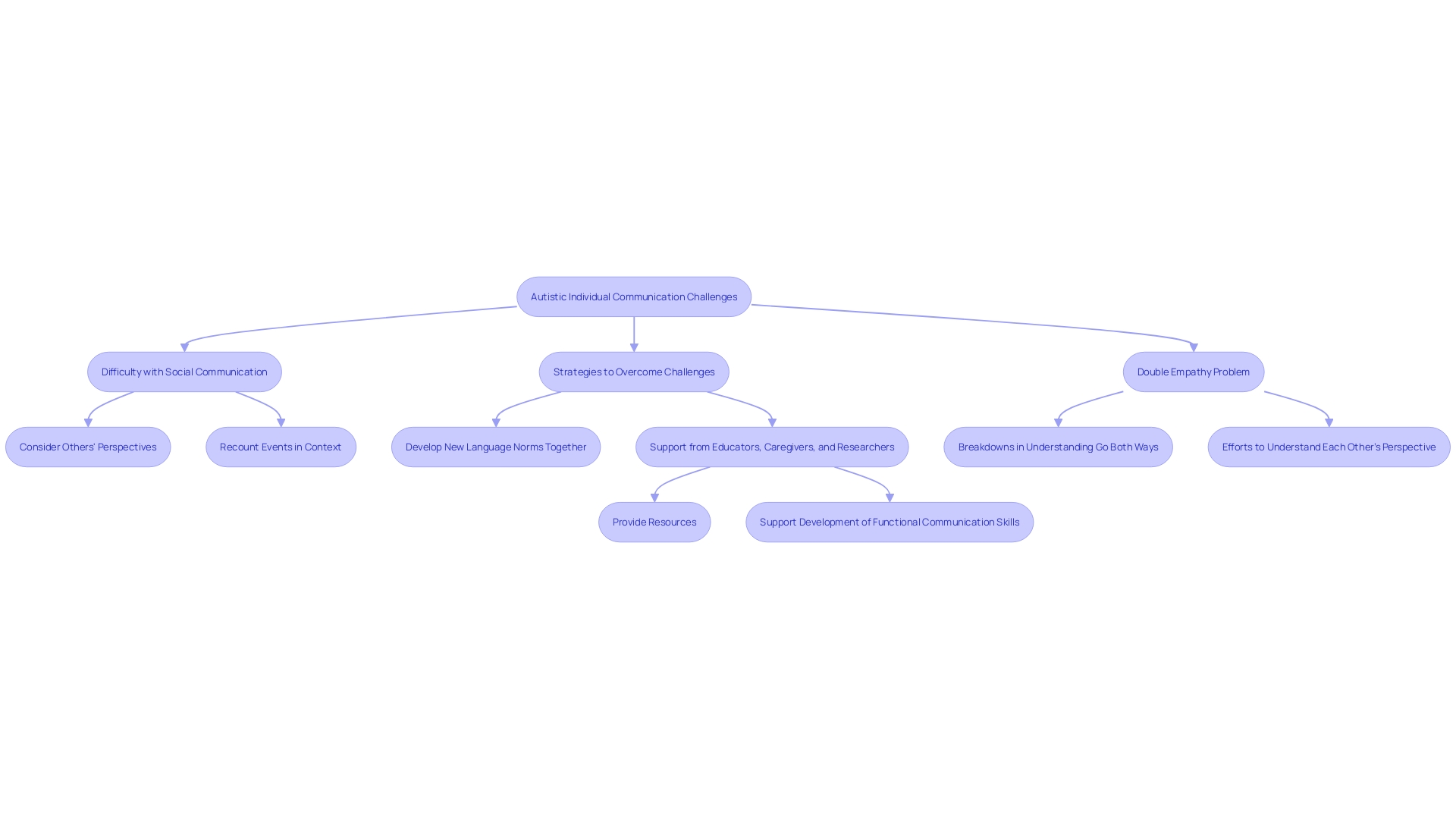
Cultivating in individuals with autism through (FCT) is an evidence-based approach that requires thoughtful implementation. This process begins by identifying the specific and understanding their underlying functions. Subsequent steps involve teaching alternative, more productive methods of communication. Such have been demonstrated in various settings, including the innovative programs at Friends of St James Park, which offers community-based initiatives like cafe and gardening groups that provide skill-building and networking for autistic individuals nearing adulthood.
plays a significant role in communication, demanding the integration of verbal and nonverbal cues within the context of the interaction. This involves being attuned to one's own emotions and those of the conversation partner, advocating for personal needs, listening actively, and engaging in meaningful exchange without resorting to negative behaviors. These principles are not only vital for personal growth but also for fostering equity in society, as emphasized by the late Dr. David (Dan) R. Offord, who advocated for the engaged and well-supported inclusion of children with disabilities in life's major domains.
Listening, a critical component of communication, is more than just hearing words; it's about understanding the content and emotional intent behind them. According to communication experts like Graham Bodie (2023), listening competence involves being present in the conversation and mindful of the speaker, setting aside personal emotions to grasp the true message being conveyed.
Organizations like Communication 4 ALL, founded by Elizabeth Bonker, aim to provide nonspeaking individuals with autism the tools to express themselves. They focus on public advocacy, resource provision, and , all aimed at granting nonspeakers the opportunity to learn and communicate effectively.
In conclusion, the journey to master functional communication is continuous and multifaceted. It involves not only but also systemic support from organizations and communities that recognize the value of every voice in the conversation.
Initiating the process of necessitates a precise identification of the behaviors that obstruct . For instance, actions such as tantrums, aggression, or self-injurious behaviors need to be recognized and understood within the broader context of an individual's . This understanding stems from extensive research, which indicates that often these serve as a form of communication for those who have difficulty expressing their needs or desires in more conventional ways. By acknowledging the communicative intent behind these behaviors, caregivers and professionals can better that address the . The importance of this approach is underscored by the fact that is foundational to societal participation and personal well-being, affecting not only individuals with but also their families, caregivers, and the broader community.
is an evidence-based approach used in to enhance communication in individuals with autism. FCT is grounded in the understanding that problematic behaviors often serve a communicative purpose. By identifying the triggers and consequences of such behaviors, it becomes possible to teach alternative, more appropriate means of communication that fulfill the same function.
For instance, if a child with is engaging in outbursts to escape a demanding task, FCT would involve teaching the child to use a word, gesture, or communication device to request a break instead. This not only addresses the child's need to escape the task momentarily but does so in a socially acceptable manner.
Research underscores the importance of addressing the unique needs of individuals with , which may include tailored and specialized instruction. , for example, can be particularly beneficial in helping these individuals manage sensory sensitivities—a common challenge among those with autism spectrum disorder (ASD).
Recent studies highlight the complexity of ASD, which can present with a wide range of symptoms, even among those with similar genetic mutations. Advances in understanding the neural circuits involved in ASD, such as in the auditory system, are paving the way for more targeted interventions. Moreover, innovations in the field, such as the use of organoid models to study brain development, contribute to a more refined understanding of the condition.
It's crucial for interventions, like FCT, to be rigorously evaluated to ensure they are effective and do not cause harm. This involves assessing the risks of bias in study designs, ensuring social validation of intervention goals, monitoring for adverse events, and being transparent about any conflicts of interest. The quality of autism intervention research directly impacts the respect and support provided to those with autism, emphasizing the need for that result in lasting, meaningful change.

Determining an alternative mode of communication is paramount once the underlying reasons for a child's challenging behavior have been identified. This involves establishing a replacement behavior that will allow the child to convey their desires, needs, and feelings effectively. systems play a significant role in this process, providing children with tools to express themselves when traditional speech is not an option. Such systems can range from low-tech solutions like picture boards to high-tech devices that generate speech, all tailored to meet the individual requirements of the child.
Key research has revealed the importance of supporting not only the child but also their , including siblings, parents, and educators. For instance, a project funded by the National Center for Special Education Research (NCSER) focused on training paraeducators to assist children using AAC, highlighting the necessity of a . Moreover, the recent initiative by the Interagency Autism Coordinating Committee (IACC) to enhance coordination across federal agencies underlines the ongoing efforts to integrate and support the autism community better.
The social model of disability offers a valuable perspective, encouraging us to view disability as a socially constructed phenomenon that requires a shift in societal attitudes and practices. This viewpoint is further supported by the , which emphasize the resolution of conflicts through the understanding and addressing of unmet needs, thereby fostering more compassionate and effective interactions.
Furthermore, statistics underscore the . Despite a strong desire to work, only 30% of working-age autistic individuals are employed, which is significantly lower than the general population. This gap emphasizes the need for interventions that enhance communication skills, thereby improving their chances of successful employment.
In light of this, educators and families are encouraged to seek out resources and training opportunities to implement AAC systems and adopt communication strategies that promote inclusion and understanding, ultimately empowering children with the means to participate fully in their communities.
is a cornerstone of that equips individuals with effective ways to express their needs and desires. This intervention replaces less effective or problematic behaviors with more appropriate communicative responses. For children with complex , this often involves systems. Dr. Sarah Douglas's extensive research into AAC has revealed significant improvements in communication outcomes for young children when educators are trained to support these systems. In particular, her work with paraeducators has been groundbreaking; it underscores the importance of well-informed support in developing in students.
Douglas's ongoing research continues to explore the role of various communication partners, from siblings to speech-language pathologists (SLPs), in reinforcing child communication. The POWR System, an online training program developed by Douglas, serves as a resource for paraeducators and teachers to bolster their ability to assist children with communication challenges.
In the broader context of ABA, FCT is not just about individual therapy but extends to creating an environment that supports the individual holistically. The , which emphasizes social injustice as a barrier to people with disabilities, aligns with the principles of FCT by advocating for societal changes that accommodate diverse rather than solely trying to 'fix' the individual. This approach is vital for , as it encourages modifications in environments and attitudes to support the communication styles of individuals with disabilities.
The impact of such interventions is not just theoretical; research shows that despite the challenges in intervention research, the voice of the autism community has been instrumental in advocating for higher quality and more respectful research practices. This highlights the importance of listening to the needs and experiences of those with autism to ensure that interventions like FCT are both effective and aligned with their rights and dignity.
Sustaining the use of newly acquired in children with complex communication needs is a multifaceted process. It requires not just initial training but ongoing support and reinforcement. Dr. Sarah Douglas's work with paraeducators through her NCSER-funded grant project underscores the importance of continuous learning and practice. The POWR System, an online training program developed by Douglas, equips paraeducators and teachers with strategies to enhance the communication abilities of these children.
Research, such as that led by Vikram Jaswal, has challenged our understanding of nonspeaking autistic individuals' reactions to language, highlighting the need for innovative methods to support literacy and communication. By tapping into natural patterns of learning, as in the Whac-a-Mole study, educators can foster predictive language skills, enhancing the communication outcomes for students.
To embed these skills deeply, educators must focus on , which combines verbal and nonverbal skills tailored to the individual child's needs. This approach includes being present with emotions, making reasonable requests, and listening attentively. Simple, clear communication with visual aids and , as suggested by the TEACCH approach, can significantly improve for children with autism.
Statistics indicate a critical need for well-designed intervention studies without the design flaws that currently hinder our understanding of their impact. Autistic individuals have played a crucial role in driving this research quality, emphasizing that the respect and support for people with autism are paramount.
Therefore, to ensure that children effectively use and maintain their new , educators are encouraged to utilize , provide consistent reinforcement, and create opportunities for practice, all within a framework of respect and understanding for each child's and abilities.
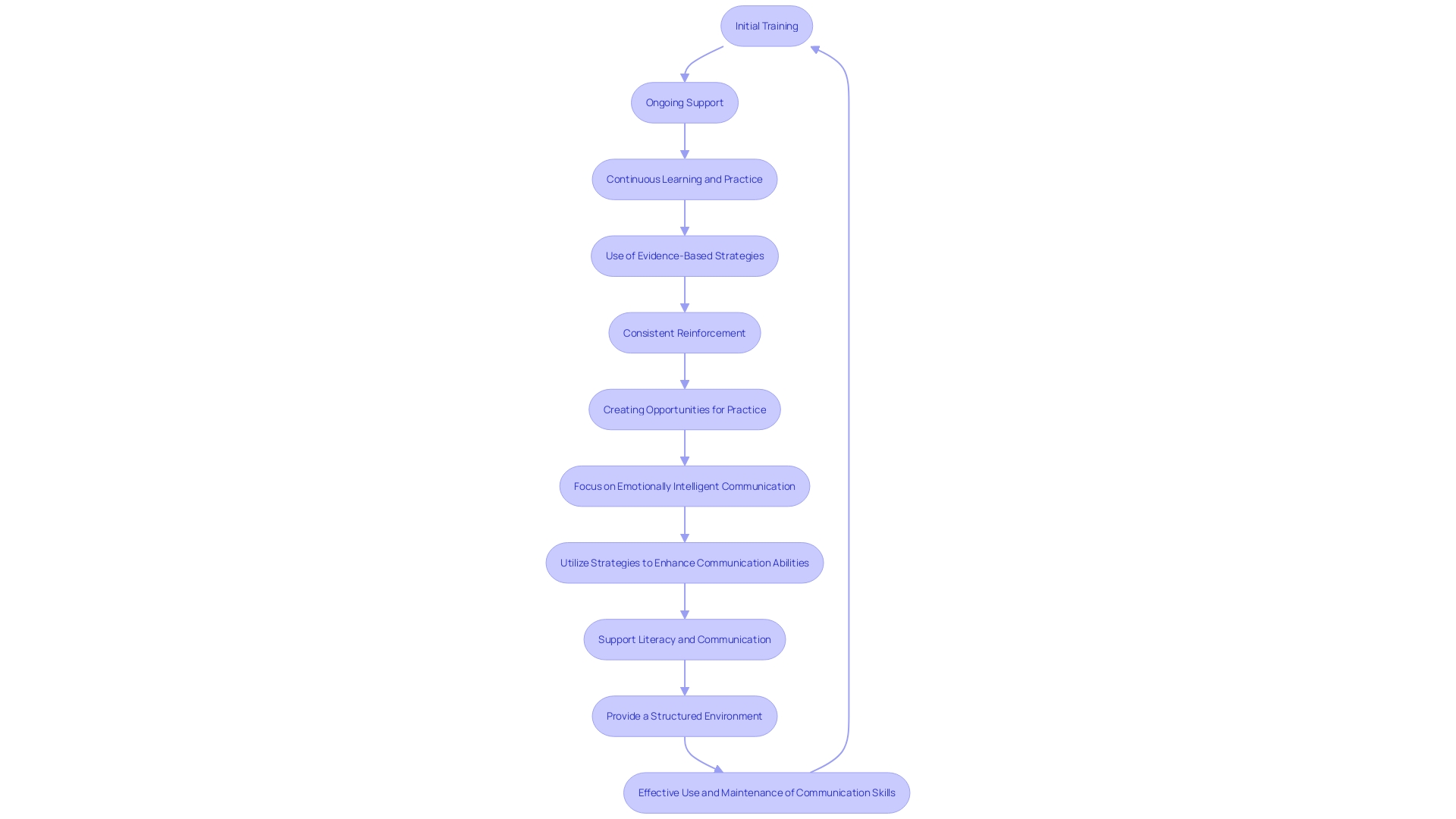
(FCT) is an individualized approach that must be carefully molded to address the of each child. This involves teaching children to replace challenging behaviors, often observed in children with autism. Through consistent implementation by caregivers and therapists, FCT aims to with the ability to express their needs constructively, thus enhancing their participation in family, school, and social settings. The success of FCT hinges not only on the method itself but also on the dedication and resources available to caregivers to foster a . As research continues to critically evaluate the quality and outcomes of such interventions, it becomes clear that the effectiveness of FCT is deeply intertwined with the commitment to ensuring equitable support for every child's communication journey.
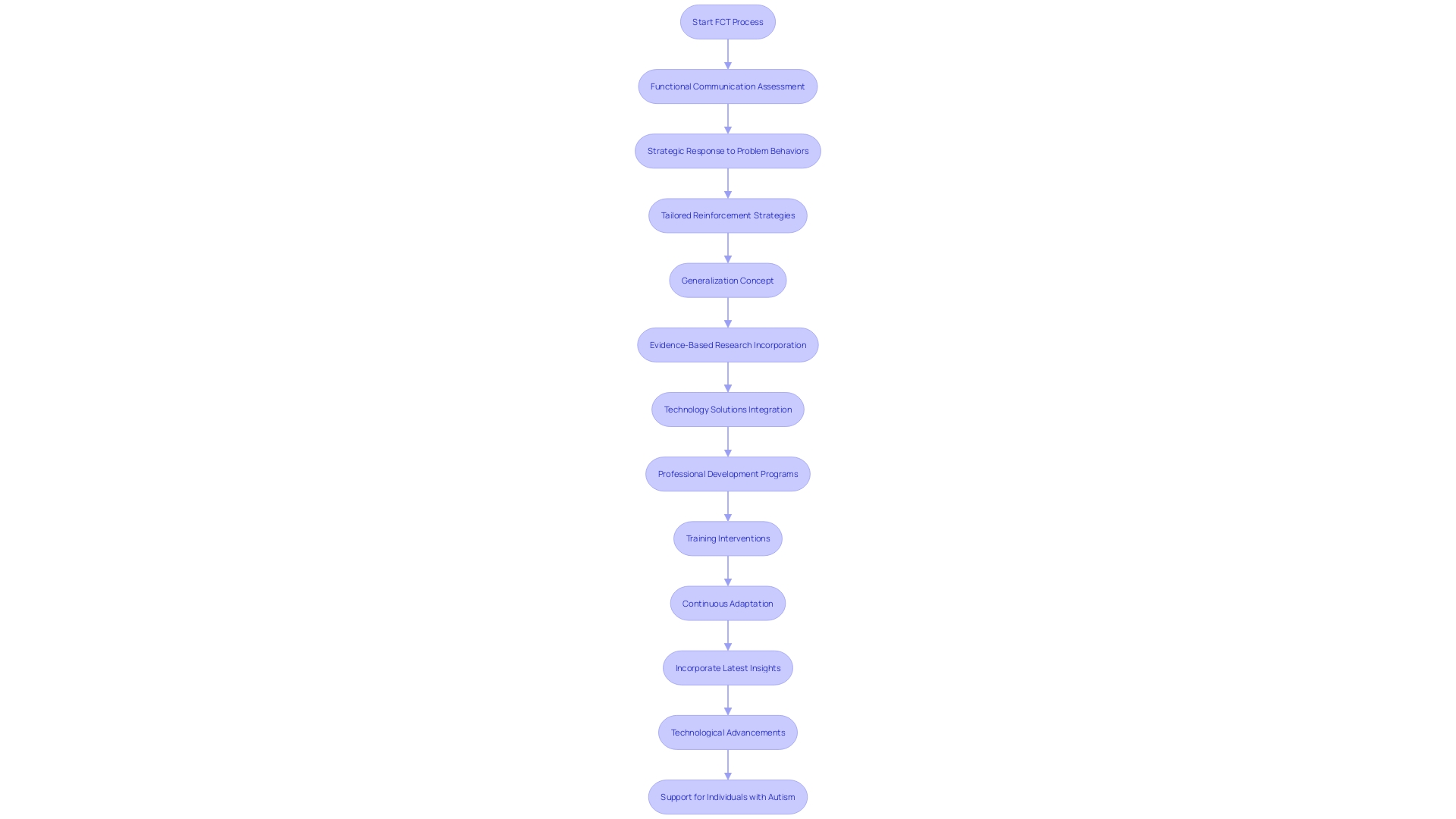
At the heart of lies a comprehensive approach aimed at enhancing communication skills and addressing . The process begins with a thorough , which serves as the foundation for identifying the individual needs of those with communication deficits. A pivotal element of FCT is the strategic response to problem behaviors by minimizing attention to undesirable actions while simultaneously reinforcing positive, alternative methods of communication.
The employed in FCT are not one-size-fits-all but are tailored to the individual, ensuring that are consistently encouraged in a manner that resonates with the person. Additionally, the concept of generalization is critical to FCT, wherein the skills acquired are not restricted to the therapeutic setting but are applied across various environments and contexts, thereby enriching the individual's ability to communicate effectively in their daily lives.
Grounded in , FCT interventions are designed with a quality-centric approach, as highlighted by the extensive clinical experience of professionals in the field. For instance, experts with over a decade in clinical knowledge emphasize the importance of technology solutions that facilitate coordinated, high-quality care. This expertise enriches the FCT framework, ensuring that interventions are not only effective but also integrate seamlessly into the care continuum.
Furthermore, recent advancements in the field, such as the development of professional development programs and training interventions, underscore the ongoing commitment to improving communication outcomes. These programs, supported by research grants, aim to empower —including family members, speech-language pathologists, teachers, and paraeducators—with the skills necessary to support individuals with complex communication needs.
Statistics from intervention research underscore the urgency of addressing design flaws in studies, emphasizing the need for interventions like FCT that are rooted in best practices and respect for individuals with communication challenges. As the landscape of communication support evolves, FCT remains a beacon of progress, continually adapting to incorporate the latest insights and technological advancements for the betterment of individuals with autism and their support networks.
is a cornerstone strategy within for enhancing the communication skills of individuals with autism. Fundamental to FCT is the , a process aimed at deciphering the communicative intent behind problematic behaviors. By understanding the underlying message or need that such behaviors convey, caregivers and professionals can shape an alternative, more appropriate form of communication. This approach not only acknowledges the individual's need to be heard but also aligns with the broader principle of fostering , as underscored by child psychiatrist for a 'fair race' for all children, including those with disabilities. The assessment serves as a springboard for that empower individuals with autism to express themselves effectively, thereby reducing and promoting their mental health and social inclusion.
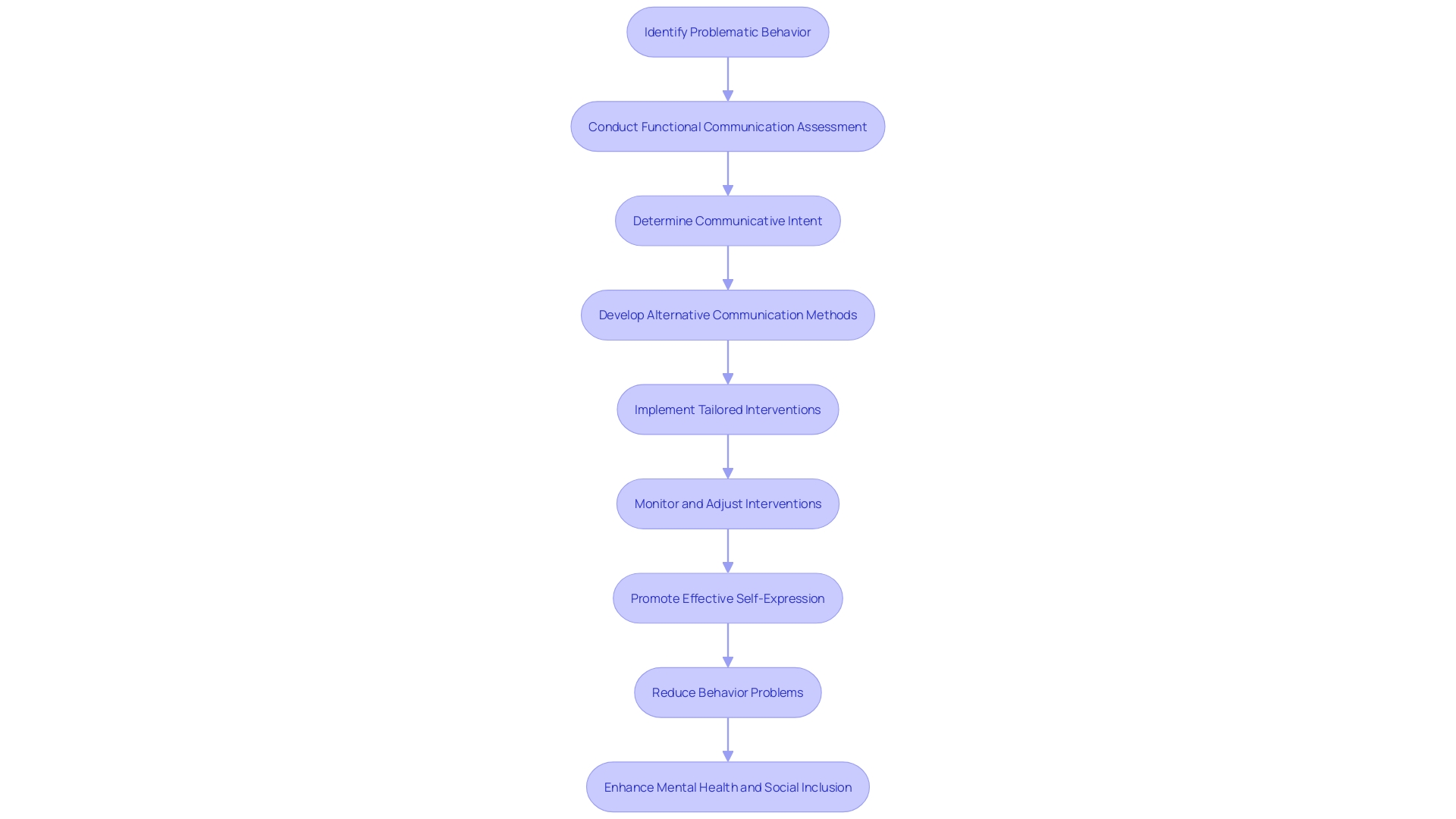
(FCT) is a strategic intervention utilized within to enhance . Focusing on the positive rather than the negative, FCT encourages ignoring problematic behaviors and instead reinforces the desired communication responses. It's about highlighting the strengths and capabilities of autistic children, much like the emphasized by social worker Bertha Reynolds, which seeks to recognize and develop the unique skills and interests of individuals on the spectrum.
Research underscores the importance of interventions that are evidence-based and have been evaluated for their effectiveness and potential risks. This is crucial to ensure that the interventions provide without causing harm. The design flaws in many non pharmacological intervention studies have been a concern, as they can obscure the true impact of these interventions. By prioritizing the strengths of children with autism and focusing on , caregivers can support their children's development and contribute to a fair and equitable environment that Dr. David (Dan) R. Offord advocated for.
Furthermore, recent findings in Science Advances highlight the significance of tailored scenarios that resonate with the individual experiences of children with autism. The study's methodology required participants to imagine both positive and negative plausible scenarios in their lives, indicating the value of personalized and relevant interventions like FCT. By aligning with the child's unique circumstances and reinforcing positive communication, FCT not only addresses immediate behavioral challenges but also fosters long-term mental health and social participation.
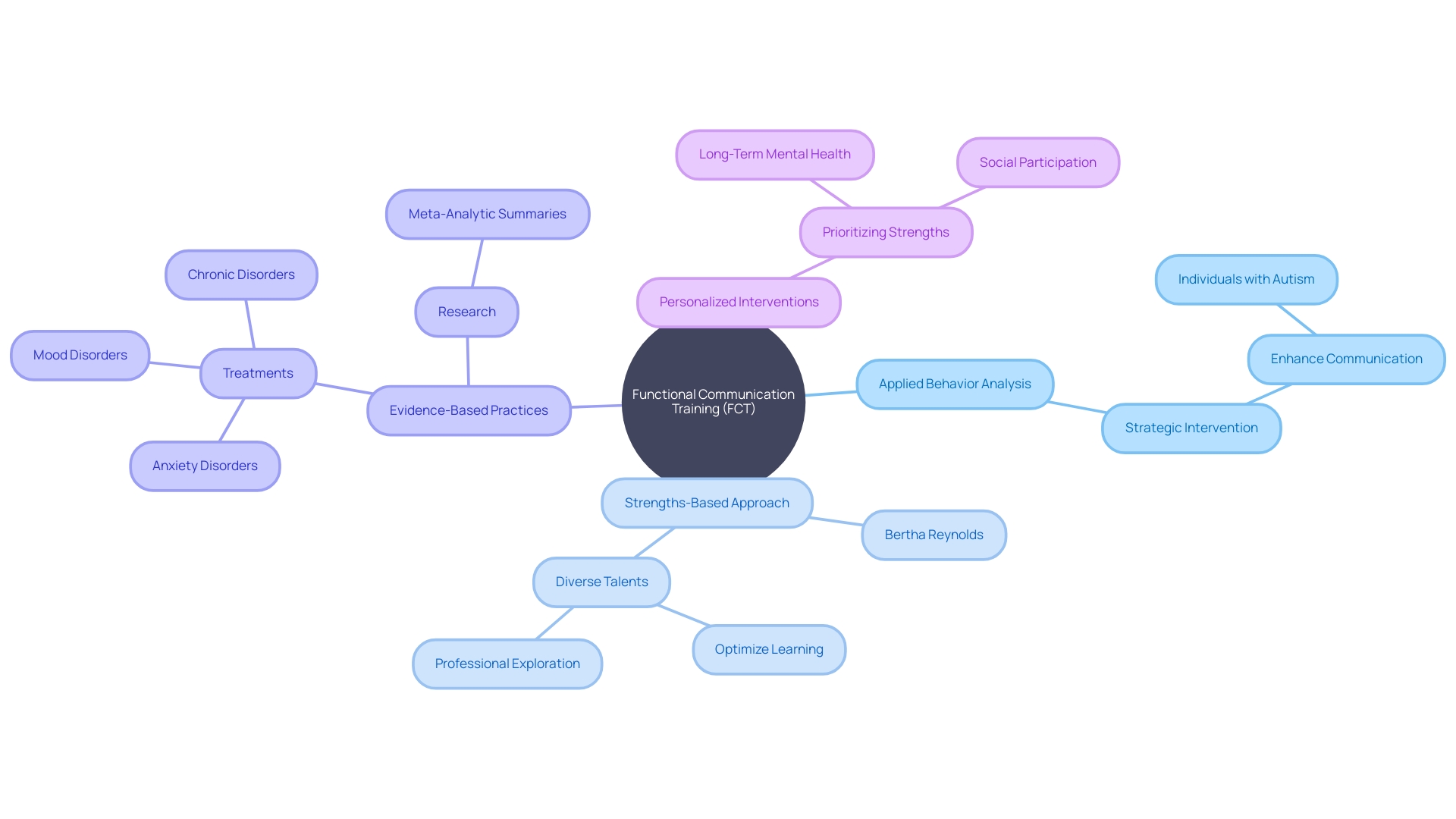
(FCT) is not just about introducing a new communication method; it's about ensuring that this method becomes a natural part of the individual's daily life. The key to this lies in reinforcement and . By providing consistent when the individual uses the appropriate communicative behavior, and by applying these strategies across various environments and social contexts, we enable the individual to in any situation. This approach is supported by research emphasizing the importance of in all areas of life for children with disabilities, which is vital for their mental health and equitable opportunities. The effectiveness of FCT is further underscored by studies indicating that many interventions for autism are often riddled with design flaws, highlighting the need for like FCT that respect the dignity and potential of individuals with autism. Through reinforcement and generalization, FCT becomes more than an intervention—it becomes a bridge to a .
To ensure the success of as a vital part of , clarity and precision in communication are essential. Children, especially those with autism, benefit from straightforward language that avoids ambiguity. serve as an additional support to reinforce understanding and retention of communication techniques. Moreover, integrating FCT within natural settings encourages the practical application of learned skills, thereby promoting . Coordination with experienced is crucial to tailor the intervention to the child's unique needs, ensuring the intervention is both practical and sustainable. By considering factors such as the acceptability and feasibility of FCT, and ensuring fidelity to the intervention, FCT can become a transformative tool in enhancing the communicative abilities of , ultimately leading to more engaged, peaceful, and well-supported participation in their daily lives.
(FCT) is an adaptive approach that caters to the diverse of children with autism. Its flexibility allows the integration of various modalities tailored to each child's abilities and preferences. Some children may find their voice through spoken language, while others might better express themselves using sign language. Picture exchange systems offer a , and (AAC) devices provide technological avenues for interaction. Sometimes, a is employed to optimize the child's ability to communicate effectively. FCT is not a one-size-fits-all solution; it's a to empower children with autism to engage more fully with the world around them, enhancing their participation in educational, home, and leisure activities, which is vital for their mental health and equitable treatment in society.
(FCT) stands as a cornerstone intervention within , aiming to cultivate in individuals with autism. Nevertheless, it's imperative to acknowledge that FCT's journey is not without its hurdles. The uniqueness of each individual's learning style demands a tailored approach, while the necessity for consistent support and positive reinforcement highlights the ongoing nature of this intervention. Furthermore, the success of FCT hinges on a , incorporating not just their communicative needs but also their emotional and sensory experiences.
The essence of FCT's challenges is poignantly summed up by the words of Dr. David (Dan) R. Offord, a renowned Child Psychiatrist, who believed in creating equitable conditions for all children, including those with disabilities. He championed for "engaged, peaceful, and well-supported participation" of these children in all aspects of life as a key to mental health and societal equity. This ethos aligns with the FCT approach, which strives to mitigate stressors and empower caregivers with the necessary resources to nurture their child's development.
Recent research underscores the complexity of like FCT, revealing a prevalence of design flaws in studies, which complicates the assessment of their effectiveness and potential risks. This highlights the critical need for to respect and advance the well-being of individuals with autism. The dialogue within the autism community, involving both researchers and non researchers, continues to shed light on these concerns, advocating for high-quality intervention research and the respectful treatment of people with autism.
In summary, while FCT provides a valuable framework for enhancing communication, it also requires a nuanced, evidence-based, and empathetic application that takes into account the diverse needs and strengths of individuals with autism. It is through such a conscientious approach that we can aspire to make the race fair, as Dr. Offord envisioned, ensuring every child has the support they need to communicate effectively and participate fully in society.
Functional Communication Training (FCT) is a crucial intervention for individuals with autism, addressing their unique communication challenges and promoting social inclusion. FCT recognizes the importance of effective communication in conveying needs, desires, and feelings, alleviating frustration, and fostering social connections. Providing adequate resources to educators and caregivers is essential for fostering the development of functional communication skills.
Addressing the co-occurring health issues and life expectancy disparity faced by autistic individuals requires a comprehensive understanding of their healthcare needs and the implementation of supportive interventions. Effective communication and reducing barriers to participation are pivotal steps towards creating a more inclusive environment for autistic individuals.
Cultivating effective communication skills through FCT involves identifying specific behaviors that impede communication and teaching alternative methods of communication. Determining the function of problem behaviors allows for the teaching of alternative means of communication. Supporting communication partners and emphasizing societal changes are crucial for successful implementation.
Teaching the replacement communication response involves equipping individuals with effective ways to express their needs and desires. Ongoing support and reinforcement are vital for sustaining the use of newly acquired communication skills. Implementing FCT requires careful molding, coordination with experienced professionals, and integration within natural settings.
FCT encompasses various modalities tailored to each individual's abilities and preferences, empowering them to engage more fully with the world around them. While FCT offers transformative potential, it also presents challenges that require a nuanced and evidence-based approach.
In conclusion, FCT is a personalized and evidence-based approach that empowers individuals with autism to express themselves effectively and participate fully in society. By addressing communication challenges and promoting equitable support, FCT fosters mental health, social inclusion, and a fairer society.
What is Functional Communication Training (FCT)?
Functional Communication Training (FCT) is an evidence-based approach used in Applied Behavior Analysis (ABA) to improve communication skills in individuals with autism by teaching them alternative strategies to express their needs and desires effectively, thereby replacing challenging behaviors.
Why is functional communication important for individuals with autism?
Functional communication is crucial for individuals with autism as it enables them to convey their needs, desires, and feelings, thus reducing frustration and enhancing social connections. It's essential for their mental health, societal participation, and overall well-being.
How does FCT begin?
FCT begins with a functional communication assessment to identify behaviors that impede effective communication and to understand their underlying functions. This informs the development of tailored interventions to teach more appropriate communication methods.
What are some strategies used in FCT?
FCT involves identifying problem behaviors, understanding their communicative function, teaching replacement communication responses (like using words, gestures, or communication devices), and reinforcing these positive behaviors while ignoring negative ones.
What role does emotional intelligence play in communication?
Emotional intelligence is key in communication, involving the integration of verbal and nonverbal cues, being attuned to one's own and others' emotions, advocating for personal needs, and engaging in meaningful exchange.
What are Augmentative and Alternative Communication (AAC) systems?
AAC systems provide individuals with tools to express themselves when traditional speech is not an option, ranging from low-tech solutions like picture boards to high-tech devices that generate speech.
Who are communication partners in the context of FCT?
Communication partners include family members, educators, speech-language pathologists, and paraeducators who are instrumental in supporting the individual's use of alternative communication strategies.
How do organizations contribute to the support of nonspeaking individuals with autism?
Organizations like Communication 4 ALL provide advocacy, resources, and community building to help nonspeaking individuals with autism learn and communicate effectively.
What considerations are important for implementing FCT?
Successful FCT implementation requires understanding the individual's needs, consistent reinforcement, risk assessment, and ensuring the intervention is evidence-based and respectful of the individual's rights and dignity.
How can the effectiveness of FCT be maintained over time?
To sustain FCT effectiveness, ongoing support, reinforcement, and opportunities for practice are needed, along with continuous learning for caregivers and educators to reinforce the newly acquired communication skills.
What is the social model of disability, and how does it relate to FCT?
The social model of disability views disability as a socially constructed phenomenon, suggesting societal changes to accommodate diverse communication needs. FCT aligns with this model by advocating for environmental and attitudinal modifications to support individuals with disabilities.
What are the challenges in FCT research?
FCT research faces challenges like design flaws in studies, which can obscure the effectiveness and risks of interventions. There's a need for rigorous research methodologies that respect and support individuals with autism.
How does FCT address employment challenges faced by autistic individuals?
By enhancing communication skills, FCT improves the chances of successful employment for autistic individuals, addressing the disparity where only 30% of working-age autistic individuals are employed compared to the general population.
What is the impact of FCT on life expectancy and health issues for autistic individuals?
FCT can positively impact the life expectancy and health issues of autistic individuals by providing them with the means to communicate their healthcare needs effectively, leading to better support and interventions.