Introduction
Navigating the world of autism therapy can feel like quite the journey, and there's one key ingredient that makes all the difference: consistency. For our little ones with autism, having a structured and predictable environment isn’t just helpful; it’s essential. It helps them learn and eases their anxiety, setting the stage for positive outcomes.
In this article, we’ll dive into the vital role consistency plays in Applied Behavior Analysis (ABA) therapy. We’ll share some practical strategies for families and caregivers to reinforce learning at home. But you might be wondering: how can you make sure your efforts align with therapeutic goals? And what real impact does this consistency have on your child’s progress?
Let’s explore this together! We’re here to help you every step of the way!
Define Consistency in ABA Therapy and Its Importance
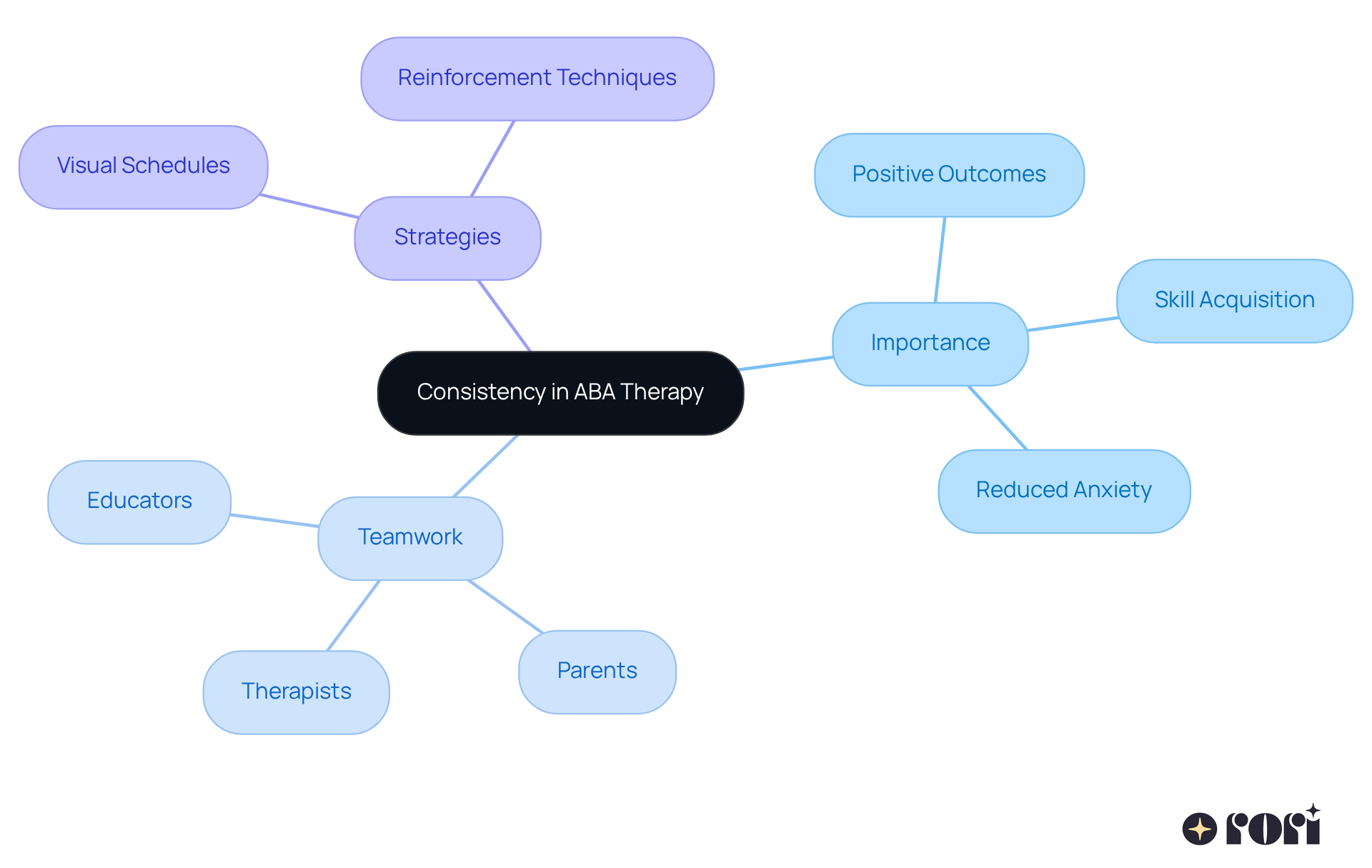
When we talk about the link between consistency and positive outcomes in autism therapy, we’re really looking at how important it is to apply the same teaching methods and strategies across different settings and people involved in caring for our youth. You see, kids with autism thrive in structured environments where they can predict what will happen based on their actions. At Rori Care, our amazing clinicians are here to guide your family’s journey. They make sure that therapists, parents, and educators are all on the same page, using the same techniques and expectations.
This teamwork really strengthens learning and helps young learners internalize new skills. Moreover, the link between consistency and positive outcomes in autism therapy indicates that it not only aids in skill acquisition but also reduces anxiety, builds trust, and enhances the overall therapeutic relationship. By empowering caregivers with ABA principles, we’re supporting your efforts to reach your child’s behavioral goals through knowledge, strategy alignment, and effective data collection.
We use specific strategies, like visual schedules and consistent reinforcement techniques, to ensure that children get the support they need to succeed. Let’s explore this together! We’re here to help you every step of the way!
Implement Strategies for Maintaining Consistency in Therapy Sessions
To keep things consistent in ABA therapy sessions, let’s look at some helpful strategies:
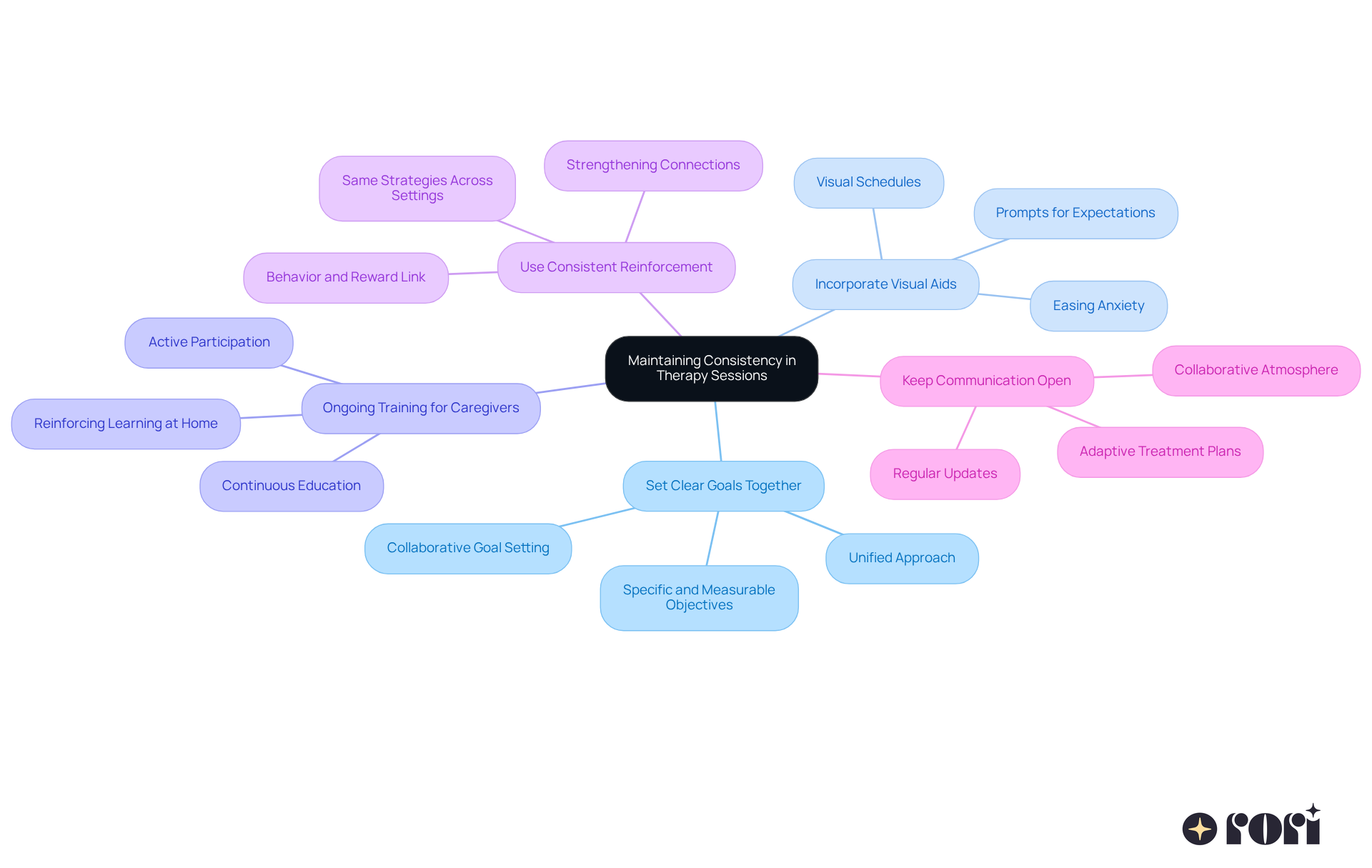
- Set Clear Goals Together: Collaborate with your support team to establish specific, measurable objectives for each session. When everyone understands these goals, it creates a focused and unified approach. The link between consistency and positive outcomes in autism therapy is evident, as consistency in ABA practices helps kids learn faster through the repetition of routines, instructions, and consequences.
- Incorporate Visual Aids: Using visual schedules and prompts can really help children know what to expect during sessions. This simple practice can ease anxiety and boost engagement, making learning feel a lot smoother.
- Ongoing Training for Caregivers: It’s important to provide continuous education for parents and caregivers about the methods used in treatment. This way, everyone is on the same page at home, reinforcing what’s learned during sessions. When caregivers create organized routines at home, it reflects the link between consistency and positive outcomes in autism therapy, which can help reduce anxiety. Plus, active participation from caregivers is key, as 90% of kids show significant progress when suggested hours are fully utilized, demonstrating the link between consistency and positive outcomes in autism therapy!
- Use Consistent Reinforcement: Apply the same reinforcement strategies in different settings. For example, if a child responds well to verbal praise in therapy, using that same praise at home can strengthen the connection between behaviors and rewards.
- Keep Communication Open: It’s vital to maintain open lines of communication between therapists and families. Regular updates on progress and challenges help everyone stay aligned on strategies and goals, creating a collaborative atmosphere that supports the child’s development. Rori Care’s behavior care engine updates behavior intervention and skill acquisition plans after each session based on progress, ensuring treatment plans are adaptive and responsive to each child’s needs. Remember, children in ABA therapy should view it as important as any other medical appointment.
Let’s explore these strategies together and see how they can make a difference!
Engage Families in Supporting Consistency at Home
Families play a crucial role in maintaining the link between consistency and positive outcomes in autism therapy, which is vital for helping kids with autism thrive in the long run. Did you know that kids whose families actively participate in their treatment see a whopping 47.7% reduction in behavioral issues? That’s compared to just 31.8% with standard parent education! Here are some friendly strategies to get families involved in this journey:
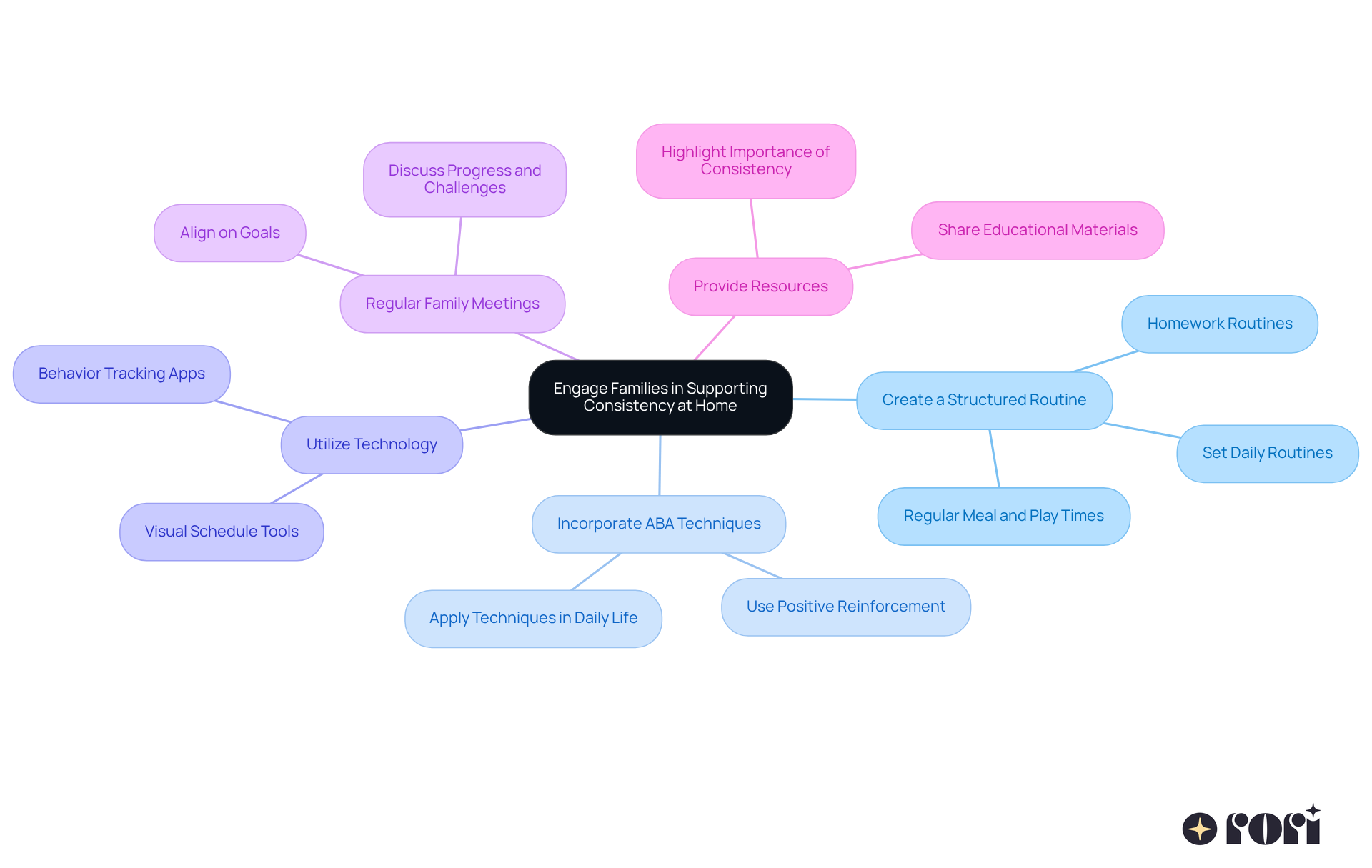
- Create a Structured Routine: Encourage families to set up daily routines that reflect the structure of therapy sessions. Regular meal times, playtimes, and homework routines not only strengthen learning but also provide a comforting sense of security for kids. This helps them use what they learn in therapy right at home!
- Incorporate ABA Techniques into Daily Life: Teach families how to weave ABA strategies into everyday situations. For example, using positive reinforcement during chores can help kids learn and adapt their behaviors in a familiar setting. This hands-on involvement allows caregivers to make choices that really boost their child’s progress.
- Utilize Technology: Recommend some handy apps or tools that can help families track progress and keep things consistent. Behavior tracking apps and visual schedule tools can really help strengthen routines and monitor progress, making it easier for caregivers to support their little ones.
- Regular Family Meetings: Suggest having regular get-togethers to chat about the child’s progress, challenges, and strategies. This keeps everyone in the loop and aligned on goals, creating a collaborative approach to treatment that builds caregiver confidence.
- Provide Resources: Share articles, videos, and educational materials that highlight the importance of consistency and how families can support their child’s treatment journey. Empowering families with knowledge boosts their confidence and effectiveness in using ABA techniques at home, which demonstrates the link between consistency and positive outcomes in autism therapy.
Let’s explore this together! We’re here to help you every step of the way!
Evaluate Therapy Effectiveness Through Consistent Data Monitoring
To really see how well ABA therapy is working, keeping an eye on the information we gather is super important. Here’s a friendly guide to help you collect that data effectively:
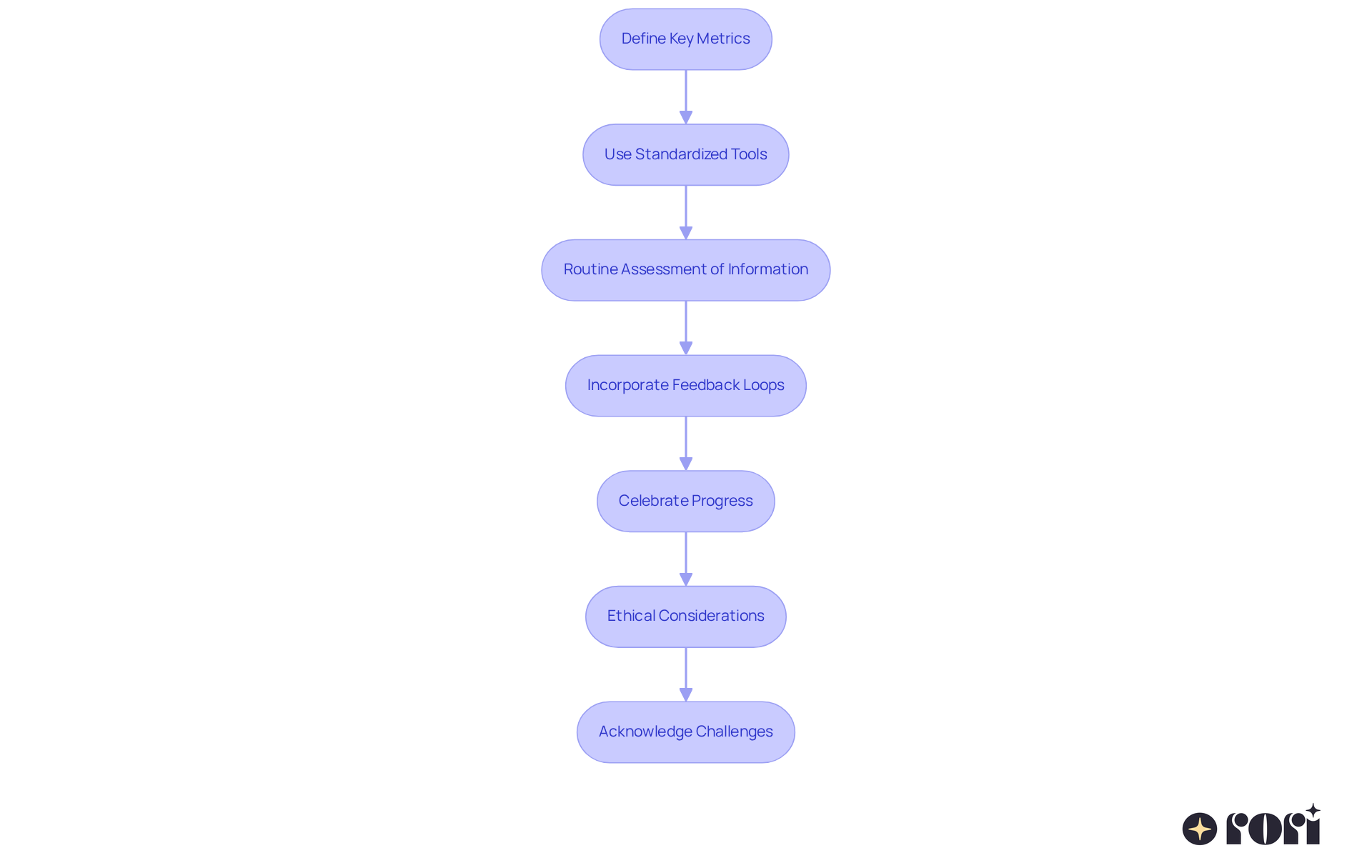
- Define Key Metrics: Start by pinpointing the specific behaviors or skills you want to track. Think about things like how often positive behaviors happen, how quickly skills are being learned, or when challenging behaviors pop up.
- Use Standardized Tools: It’s a good idea to use standardized tools for collecting information. This helps ensure that everything is recorded consistently. You might use checklists, graphs, or even software designed just for ABA data collection.
- Routine Assessment of Information: Make it a habit to review the information you’ve gathered with your support team and family. This way, you can make timely adjustments to the treatment plan based on what’s working or what needs a little tweak.
- Incorporate Feedback Loops: Set up a feedback system where therapists can adjust their strategies based on the insights from the data. This keeps the therapy responsive to the changing needs of the individual.
- Celebrate Progress: Don’t forget to use the information to celebrate successes, no matter how small! Recognizing achievements can really motivate both the child and the family, reinforcing the link between consistency and positive outcomes in autism therapy throughout this journey.
- Ethical Considerations: Always keep client confidentiality and privacy in mind during the data collection process. At Rori Care, we make sure all our technology is HIPAA-compliant, anonymizing information before processing it. We use models like LLAMA 3, GPT4v, Gemini 1.5, Claude Opus 3, and Mixtral 8x7b for processing data. Plus, we have policies in place for handling information, including removing original recordings upon request to protect client details.
- Acknowledge Challenges: It’s important to recognize that collecting data can take time and effort, but it’s essential for effective treatment.
By following these steps, families and therapists can team up to create a more effective and personalized ABA therapy experience. Let’s explore this together!
Conclusion
When it comes to autism therapy, the connection between consistency and positive outcomes is truly essential for creating a nurturing learning environment. By applying techniques and strategies consistently across different settings and caregivers, children with autism can flourish in a structured space that offers predictability and security. This unified approach not only helps in skill-building but also nurtures trust and eases anxiety, ultimately strengthening the therapeutic bond.
Throughout this article, we've explored some key strategies to keep consistency at the forefront of ABA therapy:
- Setting clear goals
- Using visual aids
- Providing ongoing training for caregivers
- Encouraging open communication among everyone involved
These are all vital pieces that contribute to a seamless therapeutic experience. Plus, when families are engaged in the treatment process and actively participate in reinforcing learned behaviors at home, it can make a world of difference in therapy effectiveness. And let’s not forget the importance of consistent data monitoring - it’s crucial for making timely adjustments to treatment plans based on each child’s progress.
In wrapping up, it’s clear that recognizing the vital link between consistency and positive therapy outcomes is key for everyone involved in autism treatment. Families, therapists, and caregivers need to come together to implement these strategies, ensuring that children get the support they need for successful development. By embracing a consistent approach, we can all play a part in creating a brighter future for children with autism, empowering them to reach their full potential. Let’s explore this journey together!
Frequently Asked Questions
What does consistency mean in ABA therapy?
Consistency in ABA therapy refers to applying the same teaching methods and strategies across different settings and individuals involved in a child's care, which helps children with autism thrive in structured environments.
Why is consistency important in autism therapy?
Consistency is important because it strengthens learning, aids in skill acquisition, reduces anxiety, builds trust, and enhances the overall therapeutic relationship for children with autism.
How does Rori Care ensure consistency in therapy?
Rori Care ensures consistency by guiding families and making sure that therapists, parents, and educators use the same techniques and expectations throughout the child's therapy journey.
What strategies are used to maintain consistency in ABA therapy?
Specific strategies used to maintain consistency include visual schedules and consistent reinforcement techniques, which provide children with the support they need to succeed.
How does empowering caregivers contribute to a child's success in therapy?
Empowering caregivers with ABA principles supports their efforts to reach their child's behavioral goals through knowledge, strategy alignment, and effective data collection.
List of Sources
- Implement Strategies for Maintaining Consistency in Therapy Sessions
- Why Consistency is Important in Center-Based ABA Therapy - Wonderway ABA (https://wonderwayaba.com/why-consistency-is-important-in-center-based-aba-therapy)
- The role of therapist consistency in ABA outcomes (https://magnetaba.com/blog/the-role-of-therapist-consistency-in-aba-outcomes)
- The Importance of Sticking to Consistent ABA Therapy - LEARN Behavioral (https://learnbehavioral.com/blog/the-importance-of-sticking-to-consistent-aba-therapy)
- The Power of Consistency in ABA Therapy: 7 Challenges of Cancelling Sessions (https://abacenterstn.com/blog/consistency-in-aba-therapy)
- The Importance of Consistency in ABA Therapy: How Routine Builds Success - Belay On Autism Services (https://belayonautismservices.com/the-importance-of-consistency-in-aba-therapy-how-routine-builds-success)
- Engage Families in Supporting Consistency at Home
- 80 Inspiring Quotes on Autism Awareness and Support - Empower ABA (https://empoweraba.com/80-inspiring-quotes-on-autism-awareness-and-support)
- Why Parent Involvement In ABA Shapes Outcomes More Than Hours Alone (https://kidsclubaba.com/the-missing-piece-why-parent-involvement-shapes-aba-outcomes-more-than-hours-alone)
- Inspirational ABA and Autism Quotes - Mrs. Moe's Modifications (https://mrsmoesmodifications.com/inspirational-aba-and-autism-quotes)
- 59 Inspirational Quotes About Autism - Hidden Talents ABA (https://hiddentalentsaba.com/autism-quotes)
- The Power of Family Engagement in ABA Therapy: Building Success Together (https://ignitedevelopment.org/post/the-power-of-family-engagement-in-aba-therapy-building-success-together)
- Evaluate Therapy Effectiveness Through Consistent Data Monitoring
- The Importance of Tracking Progress in ABA Therapy Programs (https://magnetaba.com/blog/the-importance-of-tracking-progress-in-aba-therapy-programs)
- The Importance of Data Collection in ABA Therapy for Autism (https://buildingblockstherapy.org/blog/the-importance-of-data-collection-in-aba-therapy-for-autism)
- Tracking Progress in ABA Therapy: The Importance of Data and Monitoring | Autism Therapy Services (https://hiddengemsaba.com/articles/tracking-progress-in-aba-therapy-the-importance-of-data-and-monitoring)
- Data Collection for ABA Therapy Success: How Progress Is Measured | Grateful Care ABA (https://gratefulcareaba.com/blog/data-collection-for-aba-therapy-success-how-progress-is-measured)
- The Importance of Data Collection in ABA Therapy/Aim Higher ABA (https://aimhigheraba.com/the-importance-of-data-collection-in-aba-therapy)