Self-care skills are so important for children with autism. They really shape how kids handle daily challenges and connect with others. When children learn these essential skills, they not only boost their self-esteem but also build healthier relationships, paving the way for greater independence.
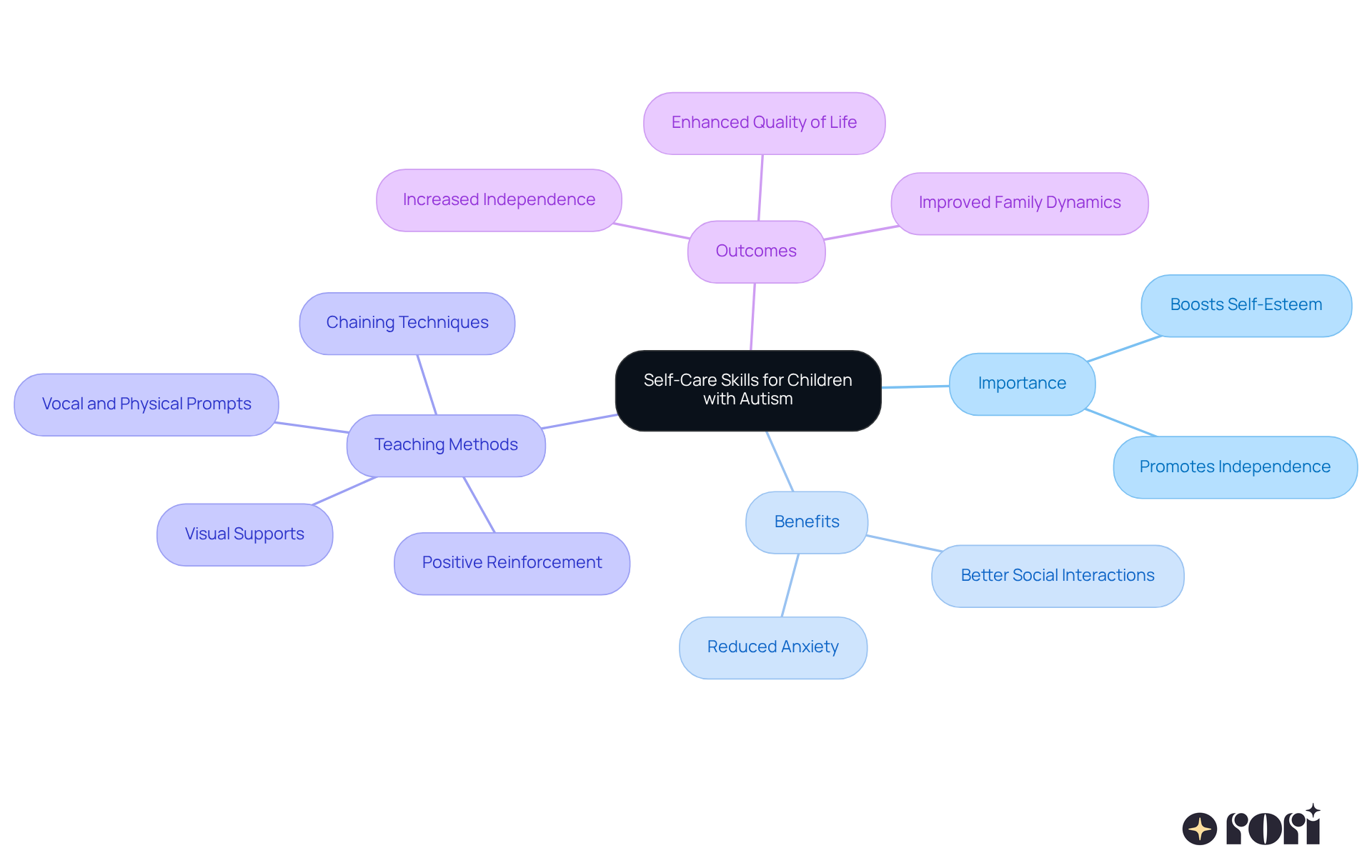
But here’s the question: how can caregivers teach these skills in a way that truly resonates with each child’s unique needs? 🤔 In this article, we’ll explore some innovative strategies, like:
These tools can empower children with autism to thrive in their self-care routines.
Let’s dive in together and discover how we can make a difference!
Self-care skills are so important for kids with autism! They really shape how well they can navigate the world around them. Think about it: skills like dressing, grooming, and personal hygiene not only keep them healthy but also boost their self-esteem and confidence. At Rori Care, our clinical leadership team is dedicated to using effective methods for teaching self-care to children with autism through evidence-based ABA strategies. We want to make sure caregivers have all the tools they need to support their children's goals.
Did you know that kids who master these self-care abilities often enjoy better social interactions and feel less anxious in different situations? For example, when children can manage their hygiene independently, they’re less likely to face any social stigma related to cleanliness. This can lead to healthier friendships and connections with their peers! Plus, these personal care skills lay the groundwork for learning even more life skills, which is a top priority in effective methods for teaching self-care to children with autism.
Case studies show that kids who incorporate self-care into their daily routines not only retain these skills better but also gain greater independence. It’s amazing to see how these competencies can truly enhance their overall quality of life! Let’s explore this together and see how we can support our children every step of the way!
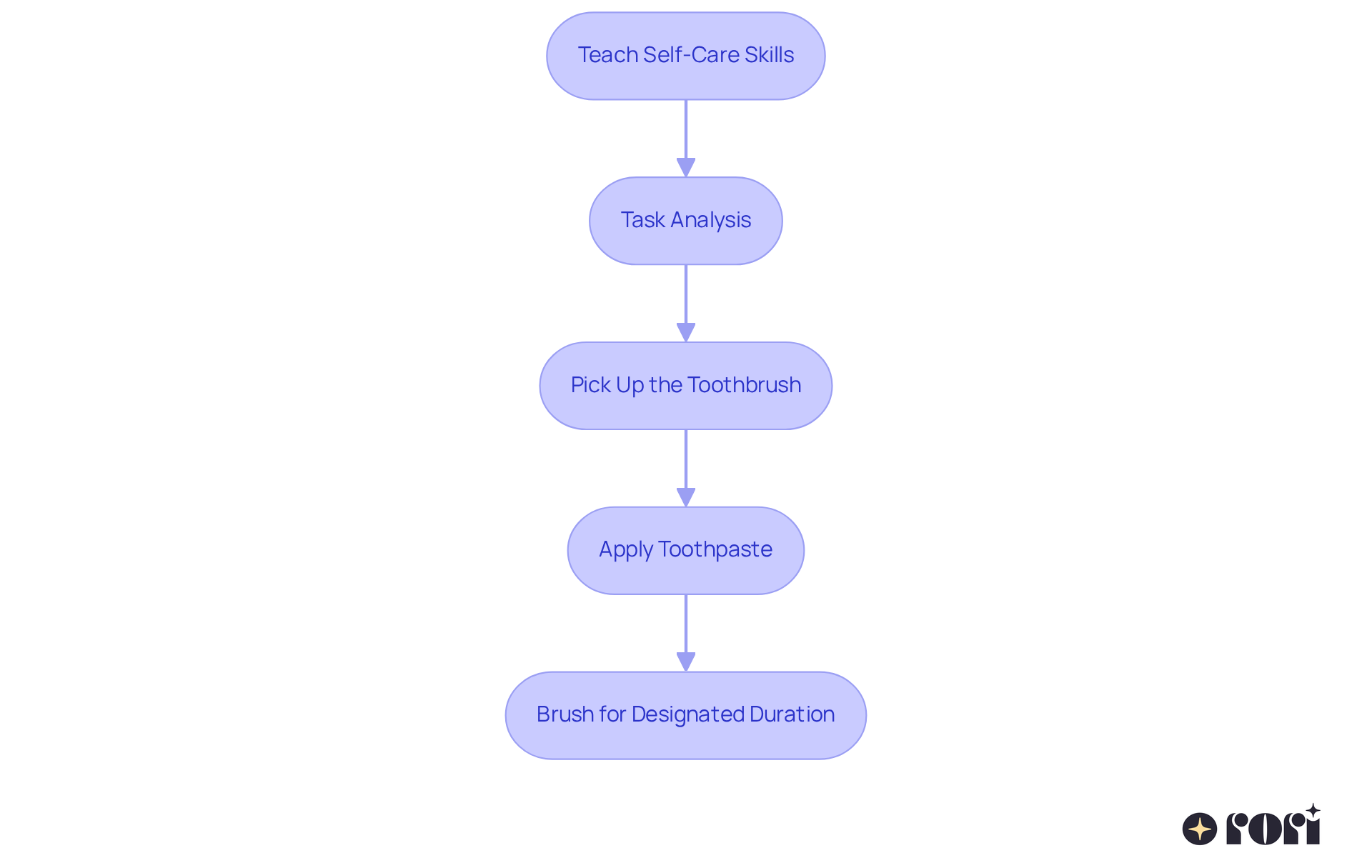
Applied Behavior Analysis (ABA) is a personalized therapy that really adapts to each individual’s unique needs, using the science of learning and behavior. One powerful strategy within ABA is task analysis, which is one of the effective methods for teaching self-care to children with autism by simplifying the learning process and breaking down complex skills into smaller, sequential steps.
For example, when teaching a child to brush their teeth, we can divide the task into manageable actions:
Each step is taught separately, allowing the learner to master one before moving on to the next. This structured approach is among the effective methods for teaching self-care to children with autism, as it clarifies expectations and builds confidence with each completed step.
Did you know that organized activity analysis can enhance ability acquisition rates by 60-75% compared to traditional teaching methods? That’s a significant improvement in learning results! To effectively implement task analysis, it’s essential to incorporate visual aids-like pictures or videos-and ensure consistent practice. This reinforcement strengthens the learning process and promotes independence in self-care skills by utilizing effective methods for teaching self-care to children with autism.
Let’s explore this together! If you have any thoughts or experiences to share, we’d love to hear from you!
Visual aids, like picture schedules, checklists, and diagrams, are super helpful for enhancing the learning experience for kids with autism. These tools give clear, tangible representations of activities, making it easier for young learners to grasp what’s expected of them. For example, a visual timetable showing morning routines can feature pictures of brushing teeth, getting dressed, and having breakfast. This way, kids can follow along independently!
Research shows that visual aids can really help reduce anxiety and boost task completion rates. They’re essential when implementing effective methods for teaching self-care to children with autism. Plus, when these visual tools are tailored to reflect a child’s daily routines and preferences, they not only improve understanding but also encourage greater independence. Just think about the case studies that highlight how kids become more engaged and participate more in their daily activities.
Let’s explore this together! If you’re a parent navigating these challenges, remember that you’re not alone. Visual aids can be a game-changer, and we’re here to help you every step of the way!

Positive reinforcement is such a powerful way to encourage the behaviors we want to see, particularly as one of the effective methods for teaching self-care to children with autism. By offering rewards or incentives - like a cheerful word of encouragement, fun stickers, or a little extra playtime - parents can really motivate their kids to get involved in personal care activities. For instance, when a young person brushes their teeth well, a quick compliment can reinforce that behavior, helping them connect personal hygiene with positive outcomes.
It’s important to figure out what truly motivates each child, as everyone has different preferences. Research shows that consistently celebrating small wins can lead to a whopping 70% improvement in daily living skills! This not only boosts their confidence but also encourages them to tackle more challenging personal care tasks over time. How great is that? This approach not only helps kids master their skills but also utilizes effective methods for teaching self-care to children with autism, making routines feel more rewarding and fun.
Plus, empowering caregivers with knowledge about ABA principles and strategies can really enhance their ability to support their children’s goals. When caregivers understand these methods better, they can make informed choices that positively influence their child’s progress. This leads to better behavioral outcomes and a more harmonious family dynamic. It’s all about providing that extra support and equipping caregivers with the right tools to help their child thrive. Let’s explore this together!

Teaching self-care skills to children with autism is so important! It can really boost their independence and overall quality of life. By using effective methods like task analysis, visual supports, and positive reinforcement, caregivers can help these kids tackle daily routines with confidence and ease.
In this article, we’ve explored various strategies that highlight how self-care can improve social interactions, reduce anxiety, and build self-esteem. For instance, breaking down tasks into smaller steps with task analysis makes things less overwhelming. Visual aids provide clear guidance, helping kids understand and gain independence. Plus, positive reinforcement acts as a great motivator, encouraging children to engage in self-care activities, which leads to better skill mastery and well-being.
Ultimately, equipping caregivers with these effective teaching methods not only supports the development of self-care skills in children with autism but also helps create a more harmonious family dynamic. Embracing these strategies can turn daily routines into wonderful opportunities for growth and connection. Let’s explore this together and ensure every child has the chance to thrive!
Why are self-care skills important for children with autism?
Self-care skills are crucial for children with autism as they help them navigate the world, maintain health, and boost self-esteem and confidence.
What specific self-care skills are emphasized for children with autism?
Key self-care skills include dressing, grooming, and personal hygiene.
How do self-care skills impact social interactions for children with autism?
Mastering self-care skills can lead to better social interactions and reduced anxiety, as children are less likely to face social stigma related to cleanliness.
What evidence-based strategies does Rori Care use to teach self-care skills?
Rori Care employs effective methods for teaching self-care through evidence-based Applied Behavior Analysis (ABA) strategies.
What benefits do children experience when they incorporate self-care into their daily routines?
Children who incorporate self-care into their routines tend to retain these skills better, gain greater independence, and enhance their overall quality of life.
How can caregivers support their children's self-care goals?
Caregivers can support their children's self-care goals by utilizing the tools and strategies provided by organizations like Rori Care.