Introduction
Navigating social interactions can feel like a daunting task for children with autism, leaving many parents searching for answers. Many parents worry about their child's ability to make friends and feel included. But don’t worry! There are plenty of effective techniques and strategies to help your child grow socially. Let’s explore the best ways to support your child in overcoming these challenges and building meaningful friendships!
Understand the Importance of Social Skills in Autism
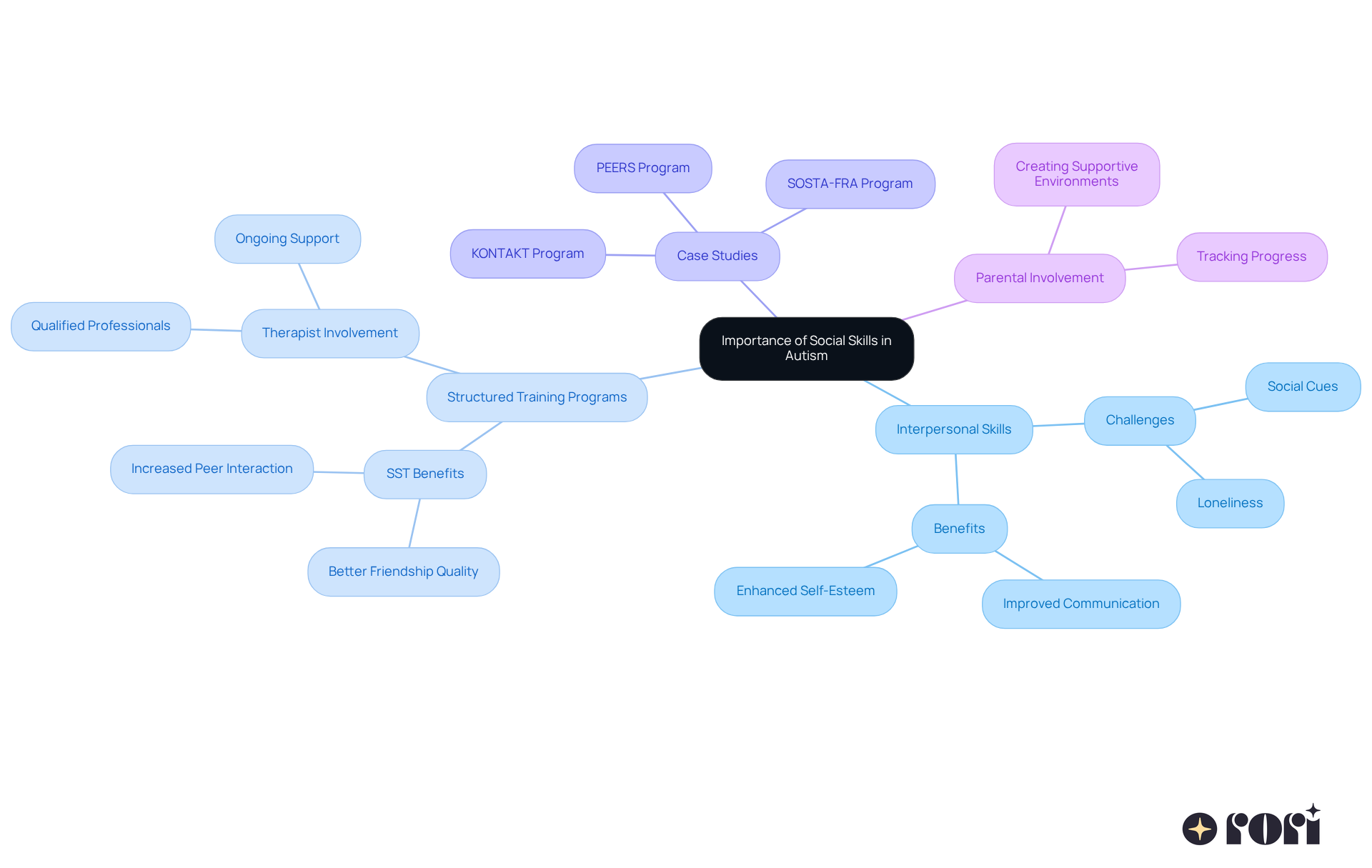
Have you noticed how tough it can be for kids with autism to connect with others? Interpersonal abilities are so important for these youngsters, helping them engage with peers and adults in various social settings. Many kids on the spectrum struggle to pick up on social cues, which can leave them feeling lonely and frustrated. But there’s hope! By [improving their interpersonal skills](https://rori.care/post/10-aba-teaching-strategies-examples-to-enhance-your-childs-learning) through organized group therapy led by qualified therapists, these kids can boost their communication, make friends, and participate more fully in group activities.
Recent research shows that interpersonal skills training (SST) can lead to significant improvements in how kids interact positively with others. For instance, one study found that kids who participated in structured SST programs showed better reciprocity and engagement, which helped them manage their emotions and build self-esteem. These findings really highlight how crucial these skills are - not just for better interactions, but for an overall improved quality of life.
Plus, case studies reveal that targeted interventions are among the [[effective techniques for supporting social growth in children with autism](https://rori.care/post/effective-visual-aids-for-autism-strategies-every-parent-should-know)](https://rori.care/post/effective-visual-aids-for-autism-strategies-every-parent-should-know), effectively addressing gaps in interpersonal skills and helping them overcome challenges in forming meaningful relationships. When parents get involved and track their child's progress, they’re not just helping them grow; they’re creating a warm, supportive environment where friendships can flourish. Let’s explore this together and see how we can make a difference!
Implement Effective Techniques for Social Skill Development
Many parents feel overwhelmed when trying to help their children navigate social situations, and that’s completely understandable! To support social growth in children with autism: effective techniques, let’s explore some friendly methods that can make a difference.
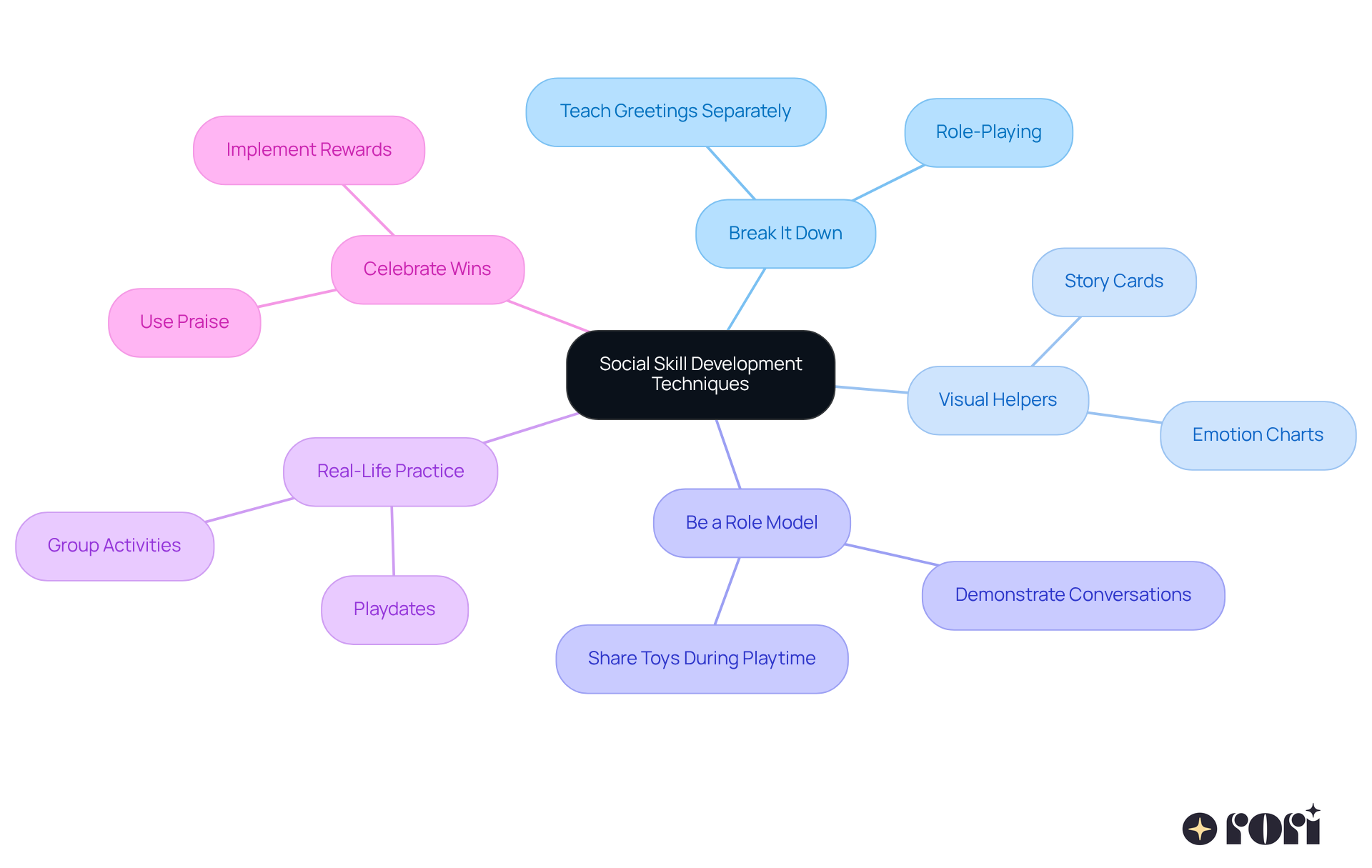
- Break It Down: Let’s take social skills and break them into bite-sized pieces! For example, you can teach greetings separately from conversation techniques. Role-playing can be a fun way to practice these skills in a safe environment, allowing your child to rehearse interactions without pressure.
- Visual Helpers: Think about using fun visuals like story cards or emotion charts to make things clearer for your child! These tools can help them understand interpersonal situations and expectations, making complex interactions more accessible.
- Be a Role Model: Show your child how to start a conversation or share toys during playtime. Kids learn a lot by watching us! Demonstrating interactions through modeling is a great way to teach them appropriate behavior.
- Real-Life Practice: Let’s create opportunities for your child to practice these skills in real-life situations, like playdates or group activities! This practical application reinforces learning and builds confidence, helping them generalize their abilities beyond structured environments.
- Celebrate Wins: Remember to cheer for your child’s successes, no matter how small! Using praise and rewards can motivate them when they effectively apply their social skills, strengthening their desire to interact with others.
At Rori Care, our caring team is dedicated to helping kids with Autism Spectrum Disorders, ADHD, and more. We’re here to empower you with practical strategies to support your child’s growth! By taking these steps, you’re not just helping your child; you’re engaging in supporting social growth in children with autism: effective techniques that open the door to a world of connections and friendships they deserve.
Engage Caregivers and Educators in the Process
Navigating the world of autism can be challenging, particularly in supporting social growth in children with autism: effective techniques to help them develop strong social skills. Cooperation between support providers and teachers is essential for fostering these abilities. Here are some effective strategies to strengthen this partnership:
- Regular Communication: Keeping the lines of communication open between parents and teachers is key. When both sides share updates about a child’s progress and challenges, it helps everyone stay on the same page. Studies show that when parents and teachers keep in touch, kids really thrive!
- Shared Goals: It’s important to define mutual objectives for social skill development. When parents and educators aim for the same goals, kids receive consistent messages and support, which really strengthens their learning. Research shows that kids whose parents and teachers collaborate make greater strides in their development.
- Training and Resources: Let’s set up some fun training sessions for parents and teachers to learn together about teaching social skills! Sharing resources like articles, workshops, and toolkits can really boost everyone’s understanding and skills. The Caregiver Collaboration Network (CCN) exemplifies supporting social growth in children with autism: effective techniques that can lead to better outcomes for kids.
- Engage Youngsters in Conversations: Encourage kids to share their thoughts and feelings about how they get along with others. This involvement helps them feel empowered and engaged in their learning process. As Stephanie Scheer, Senior Director of Research and Innovation, says, "When those providing care learn in a more collaborative, supportive environment, they’re more confident and more likely to put that training into action."
- Create a Supportive Environment: It’s crucial to cultivate a warm and inclusive atmosphere at home and school where kids feel safe to practice their social skills without fear of judgment. Recognizing the emotional challenges that caregivers face can foster compassion and connection. By enhancing caregiver support through education and active involvement, Rori Care ensures that families are equipped to implement supporting social growth in children with autism: effective techniques through services like Individual Therapy, Group Therapy, and Caregiver Education.
By working together, we can create a nurturing environment that truly supports our kids in their journey.

Troubleshoot Common Challenges in Supporting Social Growth
Many parents feel overwhelmed when trying to help their children connect with others, especially when it involves supporting social growth in children with autism: effective techniques. Here at Rori Care, we truly believe in the power of neurodiversity and are dedicated to helping young people succeed, which is why we want to share some effective strategies with you. Let’s explore some common challenges and how we can tackle them together:
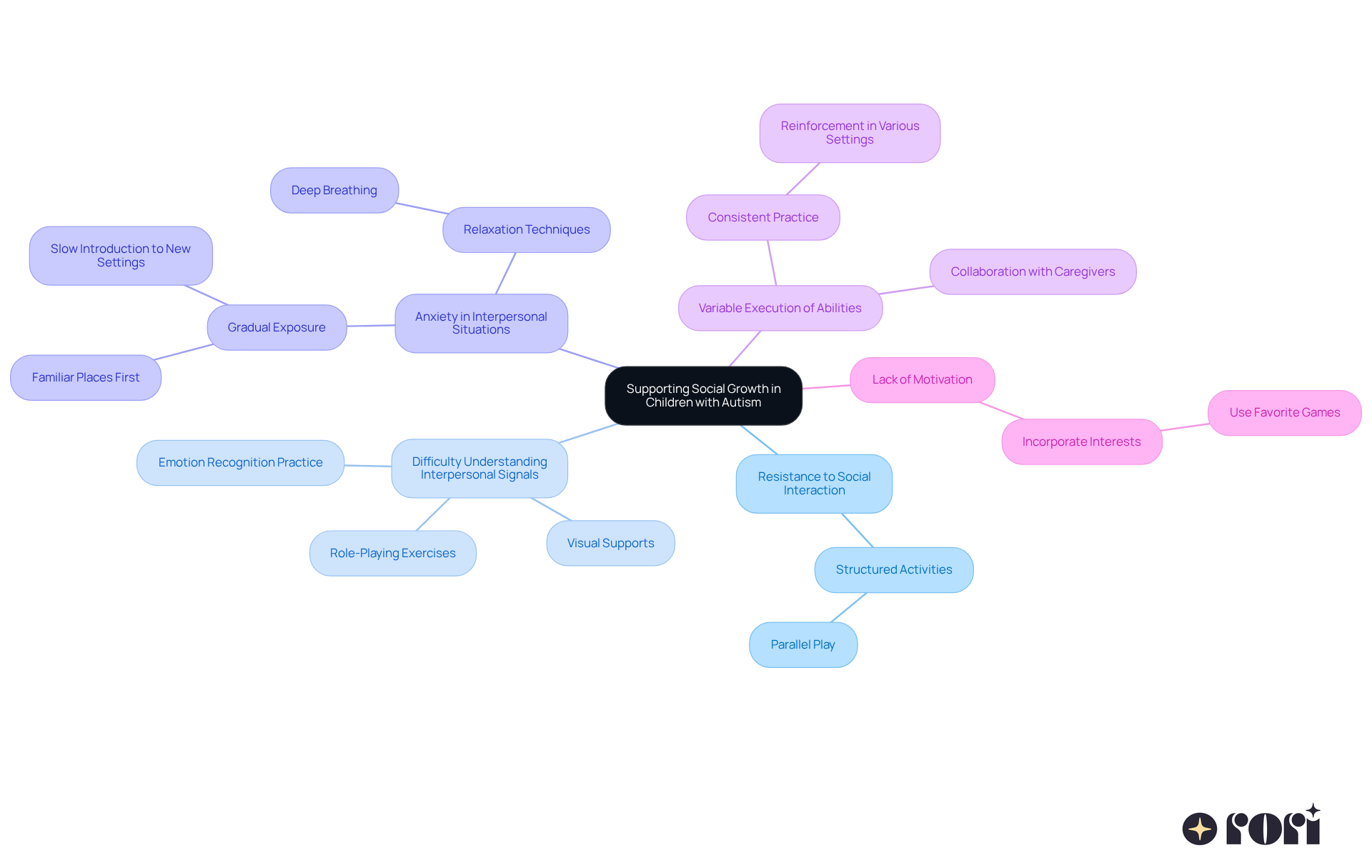
- Resistance to Social Interaction: It’s not uncommon for young individuals to hesitate when it comes to engaging with their peers. Did you know that nearly 60% of individuals with autism in the U.S. find employment after receiving vocational rehabilitation services? This shows just how important those interpersonal skills are! To help ease them into social settings, start with structured activities that involve minimal pressure, like parallel play, where kids can play side by side without the need for direct interaction.
- Difficulty Understanding Interpersonal Signals: Some children might struggle to pick up on social cues. Visual supports and role-playing exercises can make a big difference here. Remember Dr. O. Ivar Lovaas’s words: "If they can’t learn the way we teach, we teach the way they learn." Practicing how to recognize emotions and respond appropriately in different situations can really help them navigate social interactions more smoothly.
- Anxiety in Interpersonal Situations: Anxiety can be a major roadblock when it comes to socializing. Gradual exposure to social settings, starting with familiar places and slowly introducing new ones, can help ease those nerves. Teaching relaxation techniques, like deep breathing, can also be beneficial. It’s worth noting that about 40% of individuals with ASD experience anxiety, so having effective coping strategies is crucial.
- Variable Execution of Abilities: If kids aren’t consistently using the skills they’ve learned, it’s essential for parents and teachers to be on the same page regarding strategies and expectations. Keeping the practice going in various settings helps reinforce learning. At Rori Care, we empower caregivers with ABA principles for supporting social growth in children with autism: effective techniques through active involvement and data collection.
- Lack of Motivation: When a young person shows little interest in interacting with peers, it’s helpful to tap into their preferences. For example, if a child loves a certain game, use that as a fun way to practice social skills with friends. By sharing these strategies, Rori Care enhances support, informed decision-making, and ultimately improves behavioral outcomes.
By embracing these strategies, you can help your child thrive socially and feel more connected to their peers. We’re here to help you every step of the way!
Conclusion
Helping our kids with autism grow socially is a journey filled with challenges and rewards! By using effective techniques, we can help our children learn the social skills they need to make friends and connect with others. It’s not just about teaching skills; it’s about creating a warm space where kids feel confident and eager to connect!
Key strategies include:
- Breaking down social skills into bite-sized pieces
- Using visual aids
- Modeling the right behaviors
- Giving kids real-life practice opportunities
And let’s not forget how important it is for caregivers and educators to work together! When we communicate and share goals, our kids get the consistent support they need.
We know that challenges like anxiety and resistance to interaction can pop up, but with targeted interventions, we can make social skills training even more effective. Supporting our kids in their social growth takes teamwork, a lot of patience, and a sprinkle of creativity!
When we come together to support our children, we’re not just helping them; we’re building a brighter future for everyone. Let’s explore this journey together and create a more inclusive and compassionate community for all!
Frequently Asked Questions
Why are social skills important for kids with autism?
Social skills are crucial for kids with autism as they help them engage with peers and adults in various social settings, improving their ability to connect and interact with others.
What challenges do children with autism face regarding social interactions?
Many children on the autism spectrum struggle to pick up on social cues, which can lead to feelings of loneliness and frustration in social situations.
How can interpersonal skills be improved in children with autism?
Interpersonal skills can be improved through organized group therapy led by qualified therapists, which focuses on enhancing communication and social engagement.
What is interpersonal skills training (SST) and its benefits?
Interpersonal skills training (SST) is a structured program that has shown significant improvements in how kids with autism interact positively with others, helping them manage emotions and build self-esteem.
What evidence supports the effectiveness of SST programs?
Research indicates that children who participate in structured SST programs demonstrate better reciprocity and engagement, which are essential for positive social interactions.
How can parents contribute to their child's social growth?
Parents can support their child's social growth by getting involved, tracking progress, and creating a warm, supportive environment that encourages friendships and social interaction.
What methods have proven effective in supporting social development in children with autism?
Targeted interventions and case studies reveal that effective techniques for supporting social growth include addressing gaps in interpersonal skills and helping children overcome challenges in forming meaningful relationships.
List of Sources
- Understand the Importance of Social Skills in Autism
- 80 Inspiring Quotes on Autism Awareness and Support - Empower ABA (https://empoweraba.com/80-inspiring-quotes-on-autism-awareness-and-support)
- Impact of Social Skills Training for Autism (https://besteveraba.com/blog/social-skills-training-sst-for-autism)
- Effect of social skills training on interpersonal interactions of children with autism: an interventional research - PMC (https://pmc.ncbi.nlm.nih.gov/articles/PMC9788721)
- Social Skills Training for Autism Spectrum Disorder: a Meta-analysis of In-person and Technological Interventions - PMC (https://pmc.ncbi.nlm.nih.gov/articles/PMC7670840)
- Implement Effective Techniques for Social Skill Development
- Social Skills Training for Autism Spectrum Disorder: a Meta-analysis of In-person and Technological Interventions - PMC (https://pmc.ncbi.nlm.nih.gov/articles/PMC7670840)
- Impact of Social Skills Training for Autism (https://besteveraba.com/blog/social-skills-training-sst-for-autism)
- Engage Caregivers and Educators in the Process
- 80 Inspiring Quotes on Autism Awareness and Support - Empower ABA (https://empoweraba.com/80-inspiring-quotes-on-autism-awareness-and-support)
- How Team-Based Caregiver Training is Transforming Autism Care at ACES (https://acesaba.com/blog/how-team-based-caregiver-training-is-transforming-autism-care-at-aces)
- Caregiver burden among caregivers of children with autism spectrum disorder - PMC (https://pmc.ncbi.nlm.nih.gov/articles/PMC10623632)
- Troubleshoot Common Challenges in Supporting Social Growth
- Inspiring and Insightful Autism Quotes | Advanced Autism Services (https://advancedautism.com/post/autism-quotes)
- Autism Statistics You Need To Know in 2024 (https://autismparentingmagazine.com/autism-statistics?srsltid=AfmBOooIYdYblh_jy_-ONFhI72tY3JmKUKALhCIDEyp32qkZfzq_PaHq)
- Autism statistics and facts | Autism Speaks (https://autismspeaks.org/autism-statistics-asd)
- Data and Statistics on Autism Spectrum Disorder (https://cdc.gov/autism/data-research)