Understanding the ins and outs of Applied Behavior Analysis (ABA) therapy is so important for parents wanting to support their child's growth. This article dives into the core principles of ABA, sharing helpful strategies that empower caregivers to reinforce positive behaviors at home. Plus, it highlights how to work hand-in-hand with ABA professionals.
But let’s be real - navigating this world can feel overwhelming. How can parents effectively put these strategies into action while making sure they fit their child's unique needs? 🤔 Let’s explore the incredible potential of parent education in ABA therapy together! When parents get involved and informed, it can lead to amazing progress for children on the autism spectrum. We’re here to help you every step of the way!
Applied Behavior Analysis (ABA) is built on some core principles that really guide how it works in therapy. Let’s break them down:
It’s encouraging to know that 90% of kids show progress when the recommended hours are fully implemented with active caregiver involvement. By understanding these principles, caregivers can enhance their support for their children’s learning and behavior adjustments at home through [parent education in ABA therapy](https://rori.care/post/10-essential-aba-therapy-resources-for-parents-of-children-with-autism). Plus, Rori Care offers free consultations with our Board Certified Behavior Analyst to empower families after an autism diagnosis. We want to ensure caregivers receive the in ABA therapy to help their child reach their developmental goals.
Let’s explore this together!

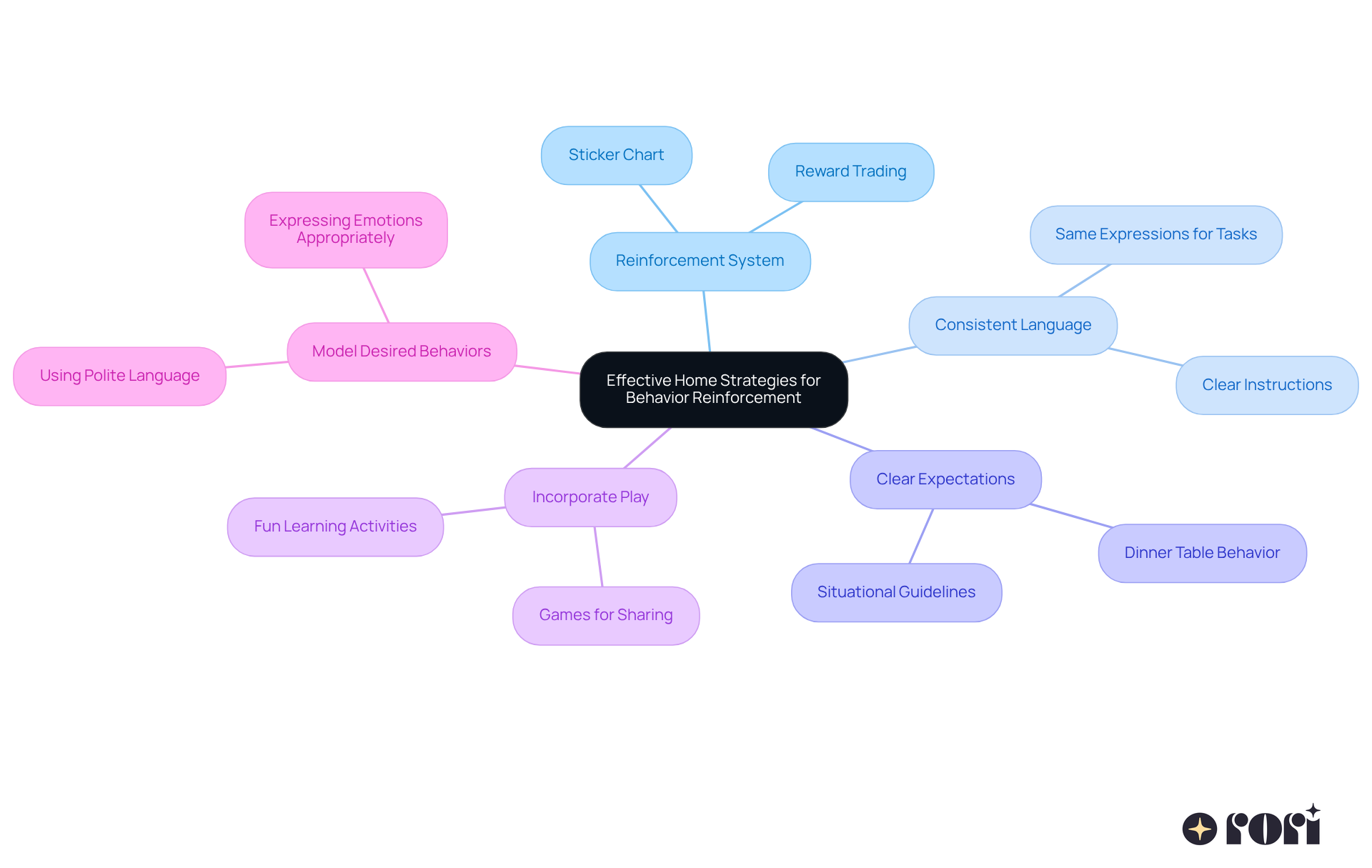
To effectively reinforce positive behaviors at home, parents can adopt several impactful strategies:
By implementing these strategies, caregivers can cultivate a nurturing environment that supports their child's development and reinforces the skills learned in therapy. Plus, through caregiver education programs provided by Rori Care, guardians can gain a deeper understanding of ABA principles and strategies. This empowers them to make that lead to improved behavioral outcomes and enhance overall family dynamics. Let’s explore this together!
Collaboration between parents and ABA professionals is essential for effective parent education in ABA therapy. Here are some friendly strategies to enhance this partnership:
By fostering collaboration, you and the ABA professionals can create a strong support system that enhances your child’s learning and development. Together, we can contribute to a brighter future!

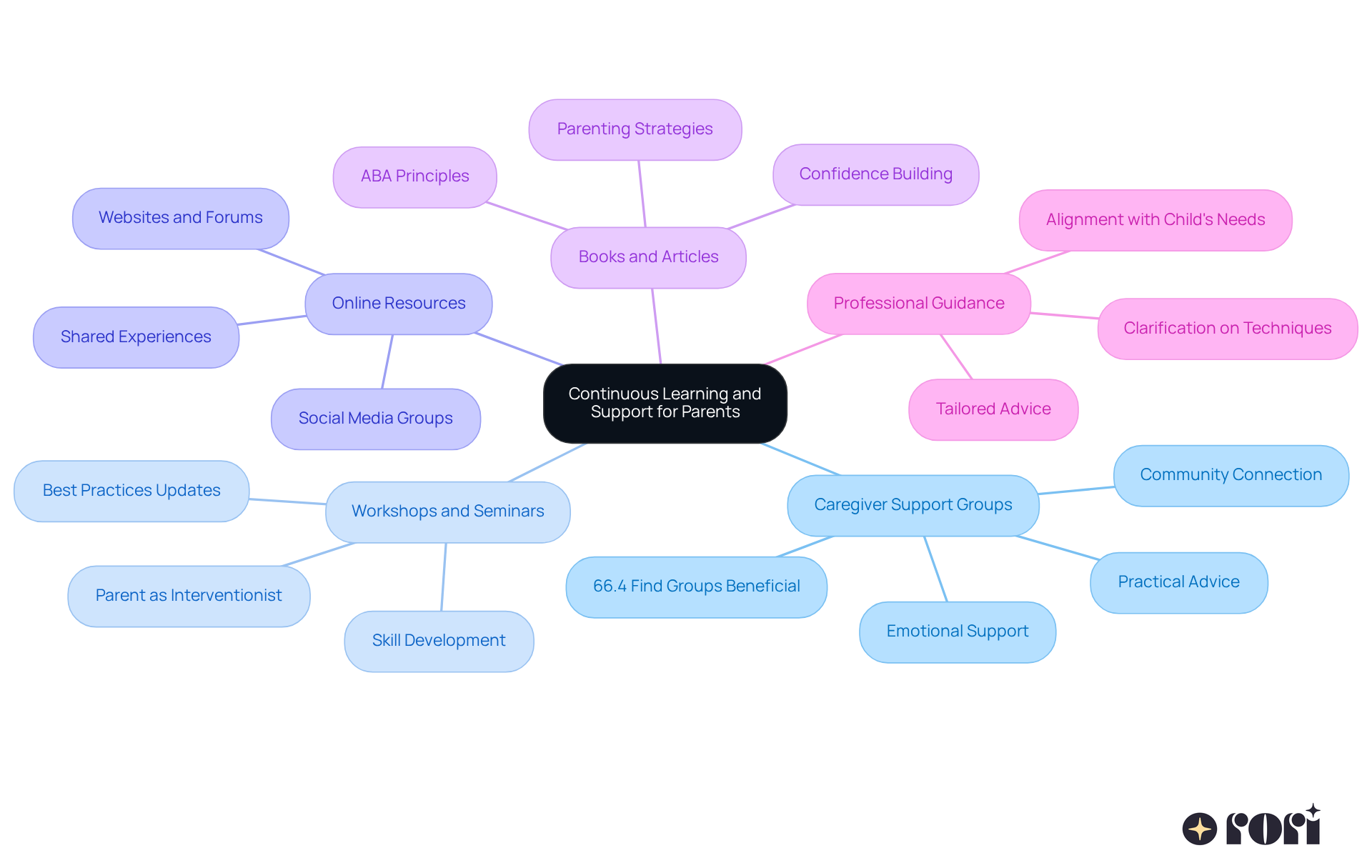
Ongoing parent education in ABA therapy is crucial for caregivers navigating the complexities of this treatment. Let’s explore some effective ways to engage in ongoing education and support:
By engaging in continuous learning, parents can deepen their understanding of parent education in ABA therapy, which helps them adapt to their child’s evolving needs and become more effective advocates for their child’s development. We’re here to help you every step of the way!
Empowering children through Applied Behavior Analysis (ABA) therapy really comes down to how involved parents are. When caregivers grasp the core principles of ABA - like reinforcement, prompting, shaping, generalization, and data collection - they can make a big difference in their child's learning and behavior at home. This foundational knowledge helps parents create a nurturing environment that promotes growth and success.
Let’s talk about some key strategies parents can easily implement at home! Think about:
Incorporating play and modeling desired behaviors can also be super effective. Plus, staying in touch with ABA professionals through regular communication and participating in therapy sessions helps everyone work together toward shared goals. Engaging in continuous learning - whether through support groups, workshops, or online resources - empowers caregivers to adapt to their child's evolving needs.
Ultimately, navigating ABA therapy is all about partnership and learning. By embracing ongoing education and collaboration, parents can become strong advocates for their children, leading to better behavioral outcomes and a brighter future. Committing to understanding and implementing ABA strategies not only benefits individual children but also strengthens family dynamics, creating a supportive network that’s essential for success in therapy.
So, let’s explore this journey together! Remember, you’re not alone in this. We’re here to help you every step of the way!
What is Applied Behavior Analysis (ABA) therapy?
ABA therapy is a therapeutic approach that uses principles of behavior to improve specific behaviors, skills, and learning in individuals, particularly children with autism.
What are the core principles of ABA therapy?
The core principles of ABA therapy include reinforcement, prompting, shaping, generalization, and data collection.
How does reinforcement work in ABA therapy?
Reinforcement involves providing a reward after a desired action, which increases the likelihood that the action will be repeated. For example, praising a child or offering small treats for good behavior.
What is prompting in the context of ABA therapy?
Prompting is the technique of giving cues or hints to encourage a child to perform a desired action. For instance, an adult might prompt a child to say 'please' by asking, 'What do you say?'
Can you explain shaping in ABA therapy?
Shaping involves reinforcing small steps toward a desired action. For example, when teaching a child to tie their shoes, a parent might first reward them for holding the laces, then for crossing them, and so on.
What is the purpose of generalization in ABA therapy?
Generalization ensures that skills learned in one environment can be applied in different settings. Parents can support this by practicing skills in various locations, such as home, park, or school.
Why is data collection important in ABA therapy?
Data collection is crucial for tracking progress and adjusting treatment plans effectively. It helps therapists understand a child's behaviors and document sessions without interrupting therapy.
What percentage of kids show progress with ABA therapy?
About 90% of kids show progress when the recommended hours of therapy are fully implemented with active caregiver involvement.
How does Rori Care support families after an autism diagnosis?
Rori Care offers free consultations with Board Certified Behavior Analysts to empower families and provides parent education in ABA therapy to help their child achieve developmental goals.