Introduction
Understanding the fears that children face, especially those with autism, is such an important step toward nurturing their emotional well-being. 🌈 ABA therapy is a fantastic approach that provides a structured way to help these kids tackle their anxieties, ultimately empowering them to lead more confident lives. But how can parents effectively bring these strategies into their homes? How can they ensure their child not only faces their fears but also thrives in the process?
Let’s explore the principles and techniques of ABA therapy together! By diving into these actionable insights, we can transform fear into resilience. We’re here to help you every step of the way!
Understand ABA Therapy and Its Role in Addressing Fears
Applied Behavior Analysis (ABA) therapy is a scientifically validated method designed to enhance specific behaviors while diminishing undesired ones. ABA therapy focuses on empowering children with autism to face their fears with ABA therapy by using organized interventions that help kids understand and handle their anxiety effectively.
- Principles of ABA: At its core, ABA is grounded in behaviorism, which means it operates on the idea that behaviors can be learned and changed through reinforcement and consequences. This foundational understanding is super important for parents and caregivers who want to implement ABA strategies effectively.
- ABA therapy is effective in empowering children with autism to face their fears by breaking down overwhelming situations into manageable steps. This gradual exposure plays a crucial role in empowering children with autism to face their fears with ABA therapy, as it helps build confidence and eases the anxiety tied to their fears. Techniques like systematic desensitization and modeling are key here, allowing children to confront their fears in a safe environment. Research shows that this approach can significantly reduce avoidance behaviors and enhance coping skills.
- Data-Driven Approach: ABA relies on careful data collection to track progress and adjust strategies as needed. This ensures that interventions meet each child's unique needs, making the therapy more effective in tackling specific fears. Recent studies highlight that tailored treatment plans in ABA can lead to meaningful improvements in how children manage anxiety, with many reporting increased confidence and reduced fear responses over time.
By weaving these principles together, ABA therapy is focused on empowering children with autism to face their fears with ABA therapy while also equipping them with essential coping skills. This paves the way for healthier emotional development and a better quality of life. Let’s explore this together!

Implement Home Reinforcement Strategies for Fear Management
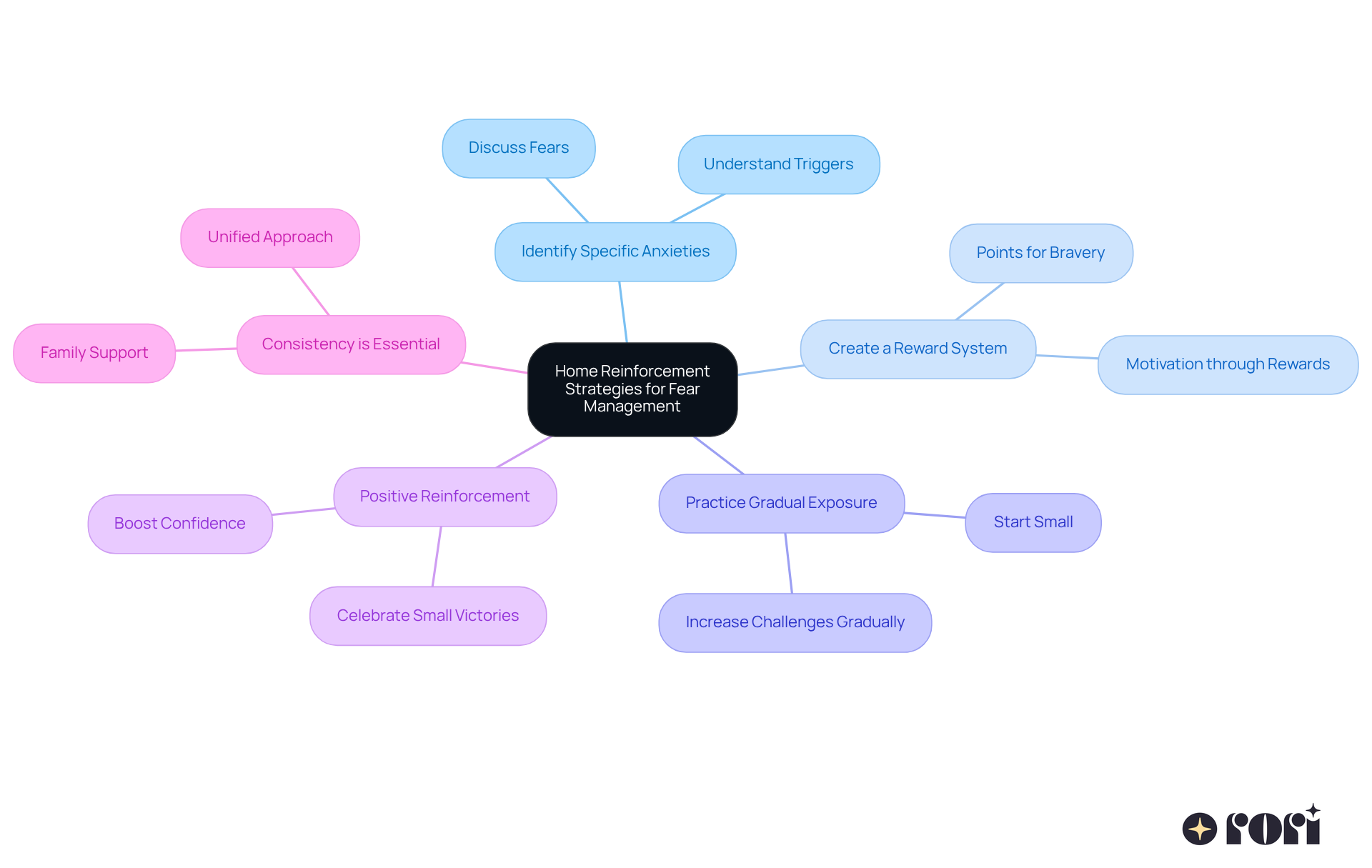
Home reinforcement strategies are super important for helping your child tackle their fears. Let’s dive into some actionable steps to make these strategies work for you:
- Identify Specific Anxieties: Sit down with your child and chat about what exactly makes them anxious. Is it the dark, social situations, or something else? Understanding their specific fears is key to .
- Create a Reward System: How about setting up a fun reward system? It can motivate your child to face their fears. For example, if they bravely try something they’re scared of, they could earn points towards a special treat or activity. Research shows that reward systems can really help with behavior change, making them a great tool for managing anxiety.
- Practice Gradual Exposure: Try using gradual exposure techniques at home. Start with less intimidating situations related to their anxiety and slowly increase the challenge as your child gains confidence. This approach aligns with ABA principles, focusing on manageable steps to overcome fears.
- Positive Reinforcement: Celebrate those small victories! When your child makes progress, shower them with praise or a little reward. This not only encourages them to keep trying but also boosts their sense of achievement, helping them build resilience.
- Consistency is Essential: It’s crucial that everyone in the family is on the same page with these reinforcement methods. Consistency creates a supportive environment where your child feels safe and understood, which is so important for their emotional well-being.
By using these strategies, you’re empowering children with autism to face their fears with ABA therapy, which helps them build confidence and strength, paving the way for personal growth and emotional stability. Let’s explore this together!
Apply Exposure and Desensitization Techniques in ABA Therapy
Exposure and desensitization techniques are essential for empowering children with autism to face their fears with ABA therapy, enabling them to confront and manage their fears effectively. Here’s how to implement these strategies:
- Create an Anxiety Hierarchy: Start by outlining scenarios that provoke anxiety, ranking them from least to most distressing. This hierarchy acts as a guide for the exposure process, enabling a systematic method to address anxieties.
- Start Small: Initiate the process with the least intimidating situation on the hierarchy. For instance, if your offspring has a fear of dogs, start by showing them pictures of dogs before gradually progressing to videos or even observing dogs from a distance.
- Gradual Exposure: Introduce your offspring to the feared situation in a controlled manner, allowing them to engage at their own pace. This ensures they feel safe and supported throughout the exposure, which is crucial for building confidence.
- Use : Role-playing can be an effective tool for helping children practice their responses to feared situations in a safe environment. This technique not only builds confidence but also prepares them for real-life encounters, making the transition smoother.
- [Monitor Progress](https://vincegowmon.com/inspiring-quotes-on-child-learning-and-development): Keep a close eye on your offspring's reactions during exposure sessions. Adjust the pace of exposure based on their comfort level, and celebrate their achievements to reinforce positive behavior. This ongoing support is vital for fostering resilience and independence.
By systematically applying these techniques, you can focus on empowering children with autism to face their fears with ABA therapy, while also improving their overall well-being and addressing the needs of individuals with ADHD, learning disabilities, and other behavioral challenges.

Collaborate with Therapists for Effective Fear Management
Collaborating with therapists is crucial for empowering children with autism to face their fears with ABA therapy by customizing fear management strategies to fit your child's unique needs. Here are some friendly steps to help you foster that collaboration:
- Keep the Conversation Going: Make sure to maintain open lines of communication with your child’s therapist. Regular updates about your child’s progress and any challenges they face can really help the therapist tweak their strategies, ensuring a responsive approach to therapy.
- Join Therapy Sessions: If you can, try to attend therapy sessions at Rori Care with your child. Being there allows you to see the techniques in action and ask questions about how to use them at home. It’s a great way to deepen your understanding of the therapeutic process!
- Share What You See: Don’t hesitate to share your observations from home with the therapist. For instance, how does your child react to certain situations? This kind of insight is super valuable for fine-tuning the treatment plan and making sure it fits your child’s real-life experiences.
- Set Goals Together: Work alongside the therapist to set realistic and for managing your child’s fears. This teamwork is crucial for empowering children with autism to face their fears with ABA therapy, ensuring everyone is on the same page and working towards shared objectives, which can really boost your child’s confidence.
- Stick to the Plan: Make it a point to consistently apply the strategies and recommendations from the therapist at home. This not only reinforces the therapeutic work but also creates a unified approach to fear management, helping your child make progress.
Remember, as parents, you play a crucial role in supporting your child’s therapy. By collaborating with the therapist and fostering a nurturing home environment, you can make a significant difference. Let’s explore this together! By embracing ABA principles and strategies, you can truly enhance your child’s behavioral goals and overall development.

Conclusion
Empowering children with autism to face their fears through ABA therapy is truly a journey filled with understanding and patience. It’s all about creating a supportive environment where emotional growth and resilience can flourish. With the right approach, children can learn to navigate their anxieties more effectively.
Key strategies like:
- Gradual exposure
- Positive reinforcement
- Teamwork with therapists
are vital in this process. These techniques help kids break down their fears into manageable steps, giving them the tools they need to tackle challenges head-on. Plus, the data-driven nature of ABA means that interventions are tailored to each child’s unique needs, boosting their chances of overcoming anxiety.
But remember, this journey isn’t just about managing anxiety; it’s about building confidence and independence. By embracing ABA principles and actively engaging in home reinforcement strategies, you can play a crucial role in your child’s emotional and behavioral development. Taking these steps can lead to meaningful improvements in their lives, paving the way for a brighter, more confident future.
Let’s explore this together! We’re here to help you every step of the way!
Frequently Asked Questions
What is ABA therapy?
ABA therapy, or Applied Behavior Analysis therapy, is a scientifically validated method designed to enhance specific behaviors while diminishing undesired ones, particularly in children with autism.
How does ABA therapy help children with autism face their fears?
ABA therapy helps children with autism face their fears by breaking down overwhelming situations into manageable steps, using techniques like systematic desensitization and modeling to build confidence and ease anxiety.
What are the key principles of ABA therapy?
The key principles of ABA therapy are grounded in behaviorism, which emphasizes that behaviors can be learned and changed through reinforcement and consequences.
How does ABA therapy collect data to track progress?
ABA therapy relies on careful data collection to track progress and adjust strategies as needed, ensuring that interventions are tailored to meet each child's unique needs.
What techniques are used in ABA therapy to address fears?
Techniques such as systematic desensitization and modeling are used in ABA therapy, allowing children to confront their fears in a safe environment.
What outcomes can be expected from ABA therapy for children with autism?
Research shows that ABA therapy can significantly reduce avoidance behaviors, enhance coping skills, and lead to meaningful improvements in how children manage anxiety, resulting in increased confidence and reduced fear responses over time.
How does ABA therapy contribute to emotional development?
By empowering children with autism to face their fears and equipping them with essential coping skills, ABA therapy promotes healthier emotional development and improves overall quality of life.