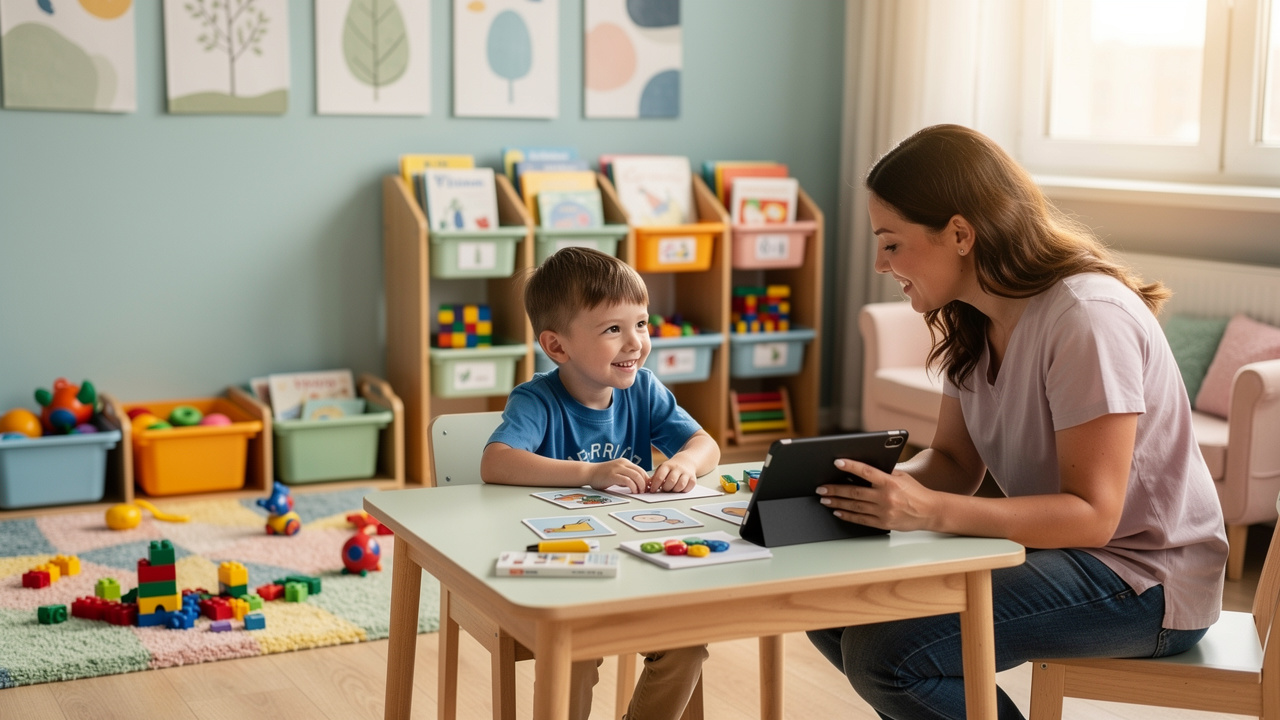
Empowering children with autism to master self-care skills goes beyond just teaching them to brush their teeth or get dressed. It’s really about fostering independence and boosting their confidence in everyday life. As these young learners navigate the complexities of personal care, they often encounter unique challenges that can make even simple tasks feel overwhelming.
So, how can caregivers effectively support their children in developing these essential skills while also addressing sensory sensitivities and emotional hurdles? Let’s explore this together! This article dives into practical strategies and insights that can illuminate the path toward greater autonomy. Our goal is to ensure that children with autism not only learn self-care but truly thrive in their personal growth.
Practicing self-care, including brushing teeth, washing hands, and getting dressed, is one of the effective strategies for empowering children with autism in self-care. They really impact daily life and social interactions! When kids master these skills, they gain independence, boost their self-esteem, and rely less on caregivers. Studies show that kids who develop personal care skills often feel more in control and confident, which leads to better social interactions and overall well-being. For example, when a child learns to dress independently, they not only feel accomplished but also experience less anxiety in social situations like school or playdates. This sense of empowerment is key, as it sets the stage for in their lives.
But let’s be real-teaching self-care skills can be tricky. Some kids on the autism spectrum might find daily hygiene practices overwhelming due to sensory sensitivities. Dr. Megan Anna Neff points out, "Personal hygiene does not always come easy to Autistic people. Due to heightened sensory sensitivities, daily hygiene practices like bathing, brushing teeth, and grooming can feel overwhelming."
So, what can we do? Incorporating structured approaches, like visual supports and step-by-step instructions, can really help. Plus, when caregivers are equipped with ABA principles and strategies, they can better support their kids' behavioral goals through active involvement and data collection. Caregiver education is crucial here, providing the support needed for informed decision-making and improved behavioral outcomes. By addressing these common challenges and employing effective strategies for empowering children with autism in self-care, parents can assist their kids in developing essential personal management skills that lay the groundwork for increased independence and self-direction.
Let’s explore this together! We’re here to help you every step of the way!

Teaching personal care skills can feel like a big task, but it doesn’t have to be! Let’s explore effective strategies for empowering children with autism in self-care to make this journey smoother for both you and your little ones.
And let’s not forget about empowering caregivers! Educating them on ABA principles and strategies can significantly enhance their ability to support their children’s learning. When caregivers understand these techniques, they can make informed decisions that positively impact their child’s progress, leading to better behavioral outcomes and a more supportive home environment.
Establishing reliable routines is key to effectively teaching personal care practices. So, let’s take this journey together! We’re here to help you every step of the way!

Positive reinforcement is one of the effective strategies for empowering children with autism in self-care skills! 🌟 By giving immediate rewards for positive behaviors - like a cheerful compliment, a fun sticker, or a little treat - children are more likely to repeat those actions. For instance, when a child brushes their teeth all by themselves, a simple "Great job!" or a sticker can really celebrate that achievement.
Research shows that when kids receive immediate and predictable reinforcement, it helps them link their actions to positive outcomes, making learning so much more enjoyable. It’s important to find out what motivates each child, as everyone has different preferences for rewards. Some kids might light up at the sight of a sticker, while others might prefer a small treat or extra playtime.
Using effective reward systems, like token economies or behavior charts, can really help track progress visually and celebrate those little victories along the way. Consistency is key! When is applied regularly, it creates a clear connection between behavior and reward, making the whole learning process both effective and fun.
By tailoring rewards to what each child loves and adjusting them as they grow, parents can utilize effective strategies for empowering children with autism in self-care while creating a nurturing environment that encourages independence. Plus, when caregivers are equipped with ABA principles and strategies, they can better support their child’s behavioral goals, leading to even better outcomes and a more cohesive approach to therapy.
Caregiver education is crucial in this journey, as it gives parents the tools they need to make informed decisions that positively influence their child’s progress. Let’s explore this together! We’re here to help you every step of the way!

Creating organized habits is essential for implementing effective strategies for empowering children with autism in self-care skills development. Let’s dive into some key components to consider:
Research shows that kids with established routines have a 47% chance of maintaining strong social-emotional health as they grow older. By creating a structured environment, you’re using effective strategies for empowering children with autism in self-care while promoting emotional stability and independence.
Plus, understanding and applying ABA principles can really enhance your ability to support your child’s progress. Here’s how:
This active involvement not only improves behavioral outcomes but also empowers you as a caregiver. It fosters a collaborative approach to skill development.
So, let’s explore this together! Remember, you’re not alone on this journey.
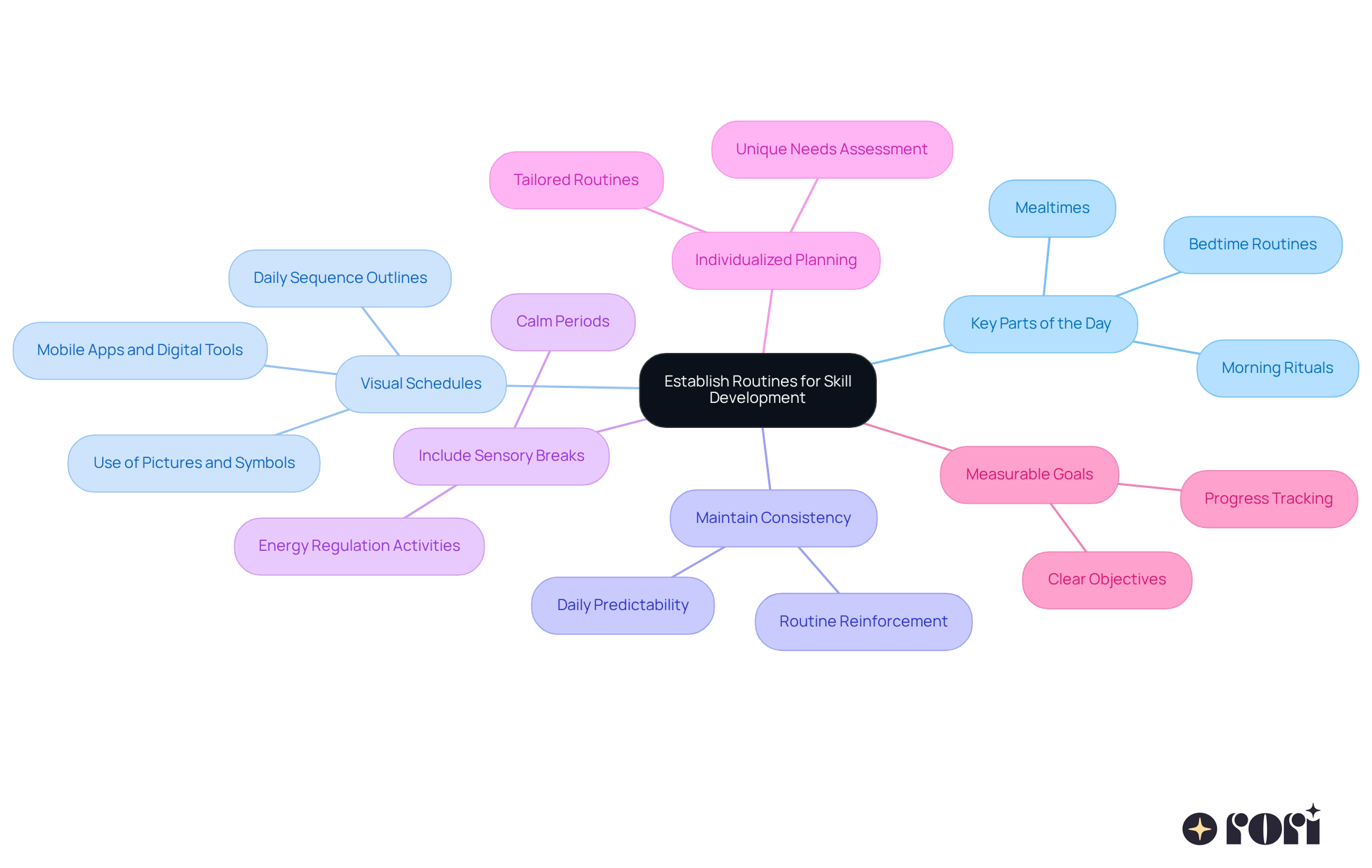
Empowering children with autism through effective self-care strategies is truly a journey of transformation! 🌟 It’s all about helping them gain independence and build self-esteem. When caregivers equip their children with essential personal care skills, it opens up a world of confidence, making daily life a bit easier and enhancing social interactions along the way. It’s important to recognize the unique challenges these kids face, like sensory sensitivities, so we can tailor self-care practices to fit their needs.
Let’s talk about some key strategies!
Each of these approaches helps create a structured environment that promotes learning and skill development. Plus, when caregivers get involved and learn about ABA principles and behavioral strategies, the chances of success skyrocket! It’s all about working together for growth.
The importance of self-care skills for children with autism really can’t be overstated. Implementing practical strategies and establishing reliable routines not only empowers these kids but also nurtures their emotional stability and independence. As caregivers embark on this journey, remember to embrace the process! Every small victory counts and contributes to your child's long-term success and independence. Let’s explore this together! We’re here to help you every step of the way!
Why are self-care skills important for children with autism?
Self-care skills, such as brushing teeth, washing hands, and getting dressed, empower children with autism by promoting independence, boosting self-esteem, and reducing reliance on caregivers. Mastering these skills leads to better social interactions and overall well-being.
How do self-care skills affect a child's confidence and social interactions?
When children learn self-care skills, they feel more in control and confident, which results in improved social interactions. For instance, dressing independently can reduce anxiety in social situations like school or playdates.
What challenges might children with autism face when learning self-care skills?
Children on the autism spectrum may find daily hygiene practices overwhelming due to sensory sensitivities, making tasks like bathing and grooming difficult.
What strategies can help teach self-care skills to children with autism?
Incorporating structured approaches, such as visual supports and step-by-step instructions, can be effective. Additionally, caregivers trained in ABA principles can better support their children's behavioral goals.
Why is caregiver education important in teaching self-care skills?
Educating caregivers equips them with the knowledge and strategies needed to support their children effectively, facilitating informed decision-making and improving behavioral outcomes.
How can parents assist their children in developing self-care skills?
By addressing challenges and employing effective strategies, parents can help their children develop essential personal management skills that promote independence and self-direction.