Navigating the journey to empower autonomy in children with autism can feel like a rollercoaster ride-challenging yet incredibly rewarding. As parents and caregivers, you’re faced with a sea of therapeutic options, each promising to make a difference. One method that often comes up is Applied Behavior Analysis (ABA) therapy. It’s well-regarded for its structured techniques and measurable outcomes. But let’s not forget about traditional methods that focus on developmental and relational approaches; they also pave valuable pathways to independence.
So, this brings us to an important question: which approach truly fosters the best outcomes for our children with autism? And how can families like yours make informed decisions in a landscape filled with diverse strategies? Let’s explore this together! Your journey matters, and we’re here to help you every step of the way!
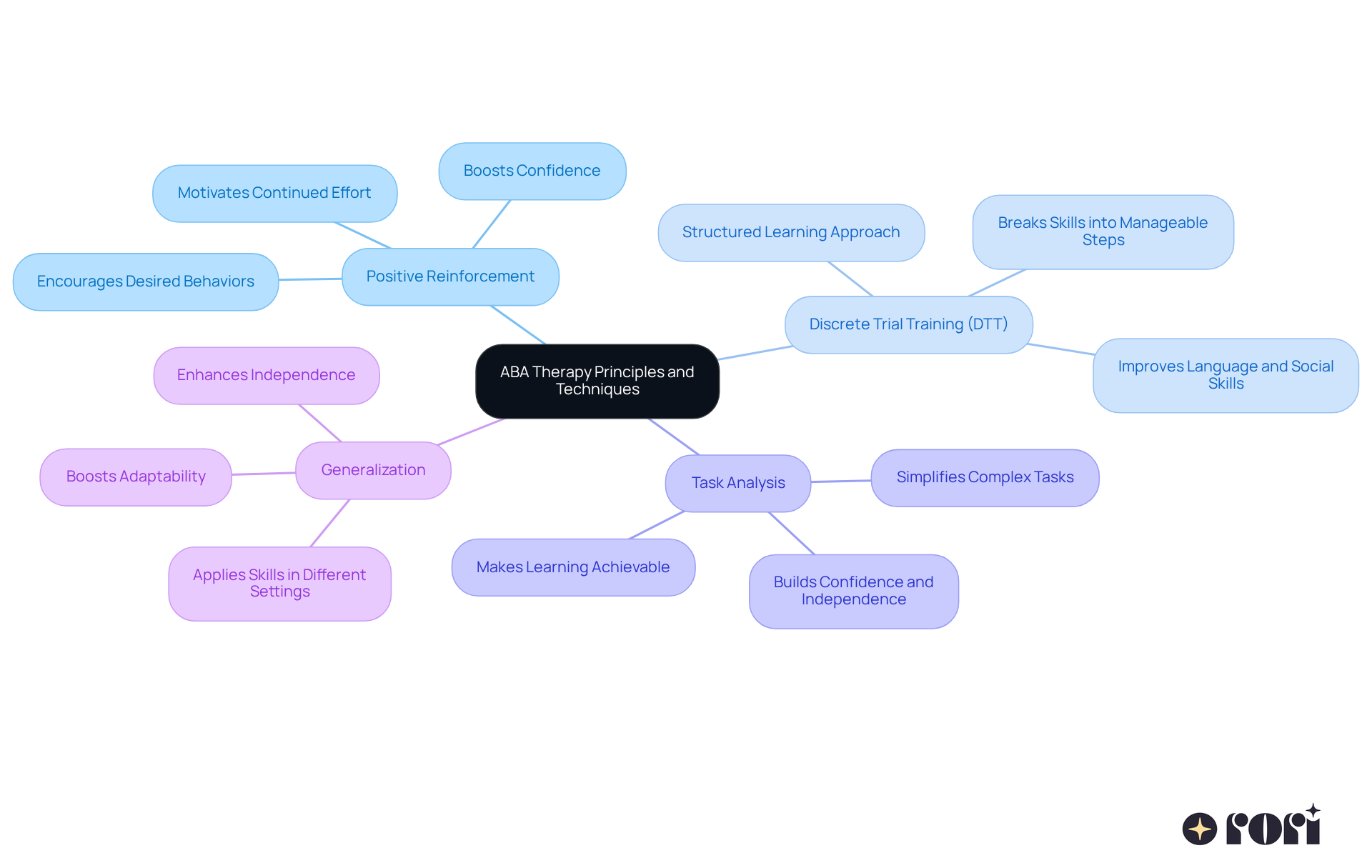
Applied Behavior Analysis (ABA) therapy is all about understanding and changing behaviors in a positive way. It focuses on what we can see and how we can encourage good behaviors through rewards. Let’s break down some key techniques that make ABA effective:
Together, these techniques aim to and help individuals thrive in their daily lives. It’s heartening to know that about 90% of young individuals show significant progress when they receive the recommended hours of therapy, especially with active caregiver involvement. Plus, ABA therapy is the only scientifically backed treatment for autism that insurance covers, making it more accessible for families.
Current research backs up the effectiveness of DTT, showing real improvements in target behaviors, especially when paired with positive reinforcement. This highlights how crucial personalized interventions are in making a meaningful difference for those on the autism spectrum.
So, if you’re a parent navigating this journey, remember: you’re not alone! Let’s explore this together and find the best resources to support your child!
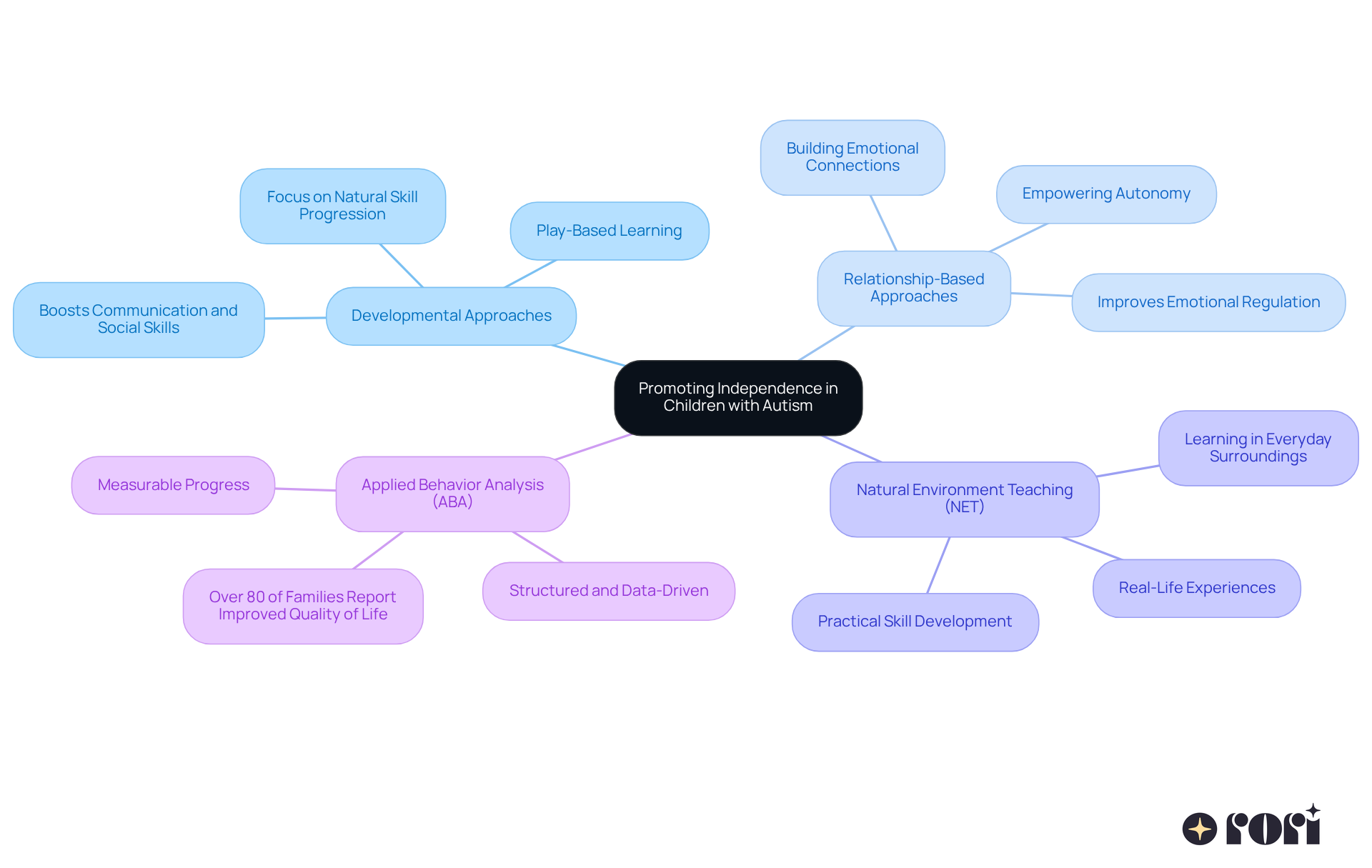
When it comes to helping children with autism gain independence, traditional methods often focus on developmental and relationship-based approaches. Let’s take a closer look at these strategies:
While these traditional methods can effectively nurture emotional and social skills, they might not always deliver the structured, data-driven outcomes that come with (ABA). ABA therapy has proven to lead to significant improvements in independence, with over 80% of families reporting a better quality of life after early intervention. This structured approach allows for measurable progress, making it a vital part of the journey toward empowering autonomy in children with autism. Plus, when caregivers are educated in ABA principles, they’re better equipped to support their child’s behavioral goals, leading to improved outcomes and stronger family dynamics.
So, if you’re navigating this journey, remember that you’re not alone. Let’s explore this together!
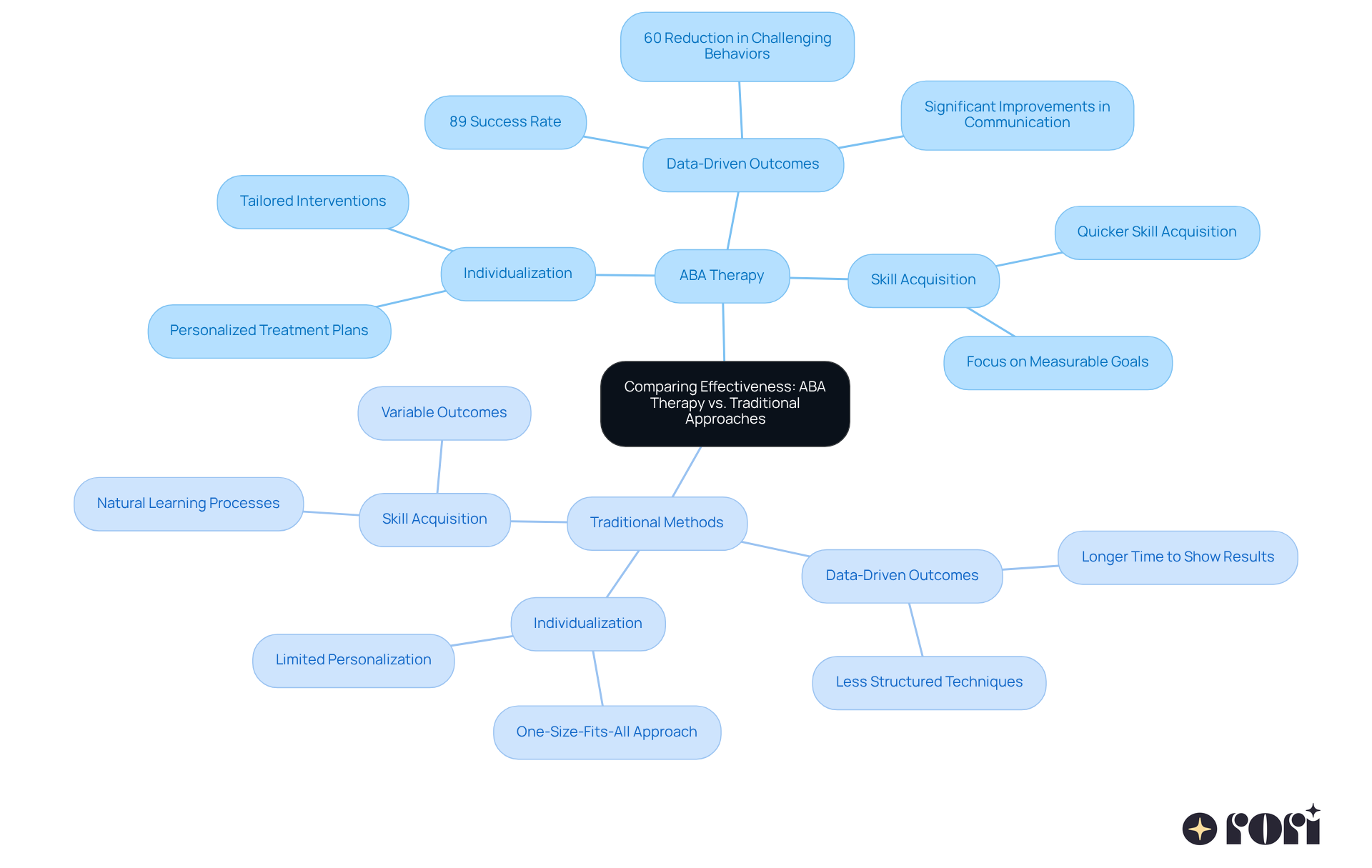
When it comes to choosing between ABA therapy and traditional methods, there are a few important things to consider:
In summary, while both ABA therapy and traditional methods have their perks, ABA-especially as practiced by Rori Care-tends to be more effective in empowering autonomy in children with autism by delivering reliable and measurable results. Let’s explore this together and see how we can support your child’s journey!
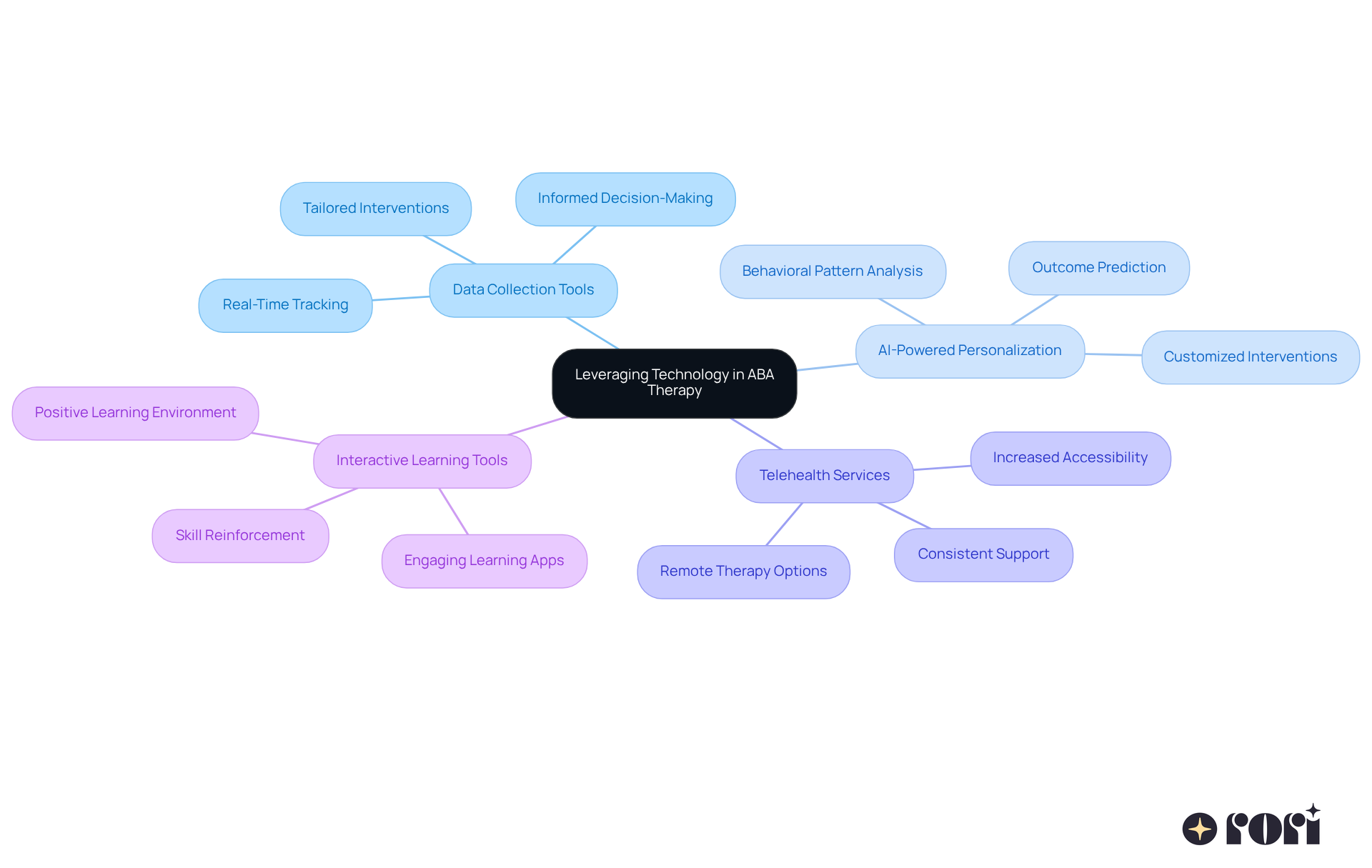
Incorporating technology into ABA practices has truly changed the game for how interventions are delivered and monitored. Let’s take a look at some key advancements that are making a real difference:
These technological advancements not only boost the effectiveness of ABA therapy but also contribute to empowering autonomy in children with autism, enabling families and clinicians to achieve amazing outcomes. Together, we’re paving the way for in children with autism to achieve greater independence and self-reliance!
Let’s explore this journey together!
Empowering children with autism to achieve autonomy is quite the journey, isn’t it? It’s a multifaceted path that calls for thoughtful methods. In this article, we’ve explored how Applied Behavior Analysis (ABA) therapy shines compared to traditional approaches, highlighting the importance of tailored interventions that truly meet individual needs. While both methods have their perks, ABA really stands out with its data-driven results and structured techniques that help kids pick up skills faster and show measurable progress.
Let’s dive into some key insights! ABA includes techniques like positive reinforcement and discrete trial training, which not only foster independence but also boost confidence in children. On the flip side, traditional methods focus on emotional connections and natural learning environments. These can enhance social and emotional skills, but they might not deliver the structured outcomes that ABA offers. Plus, the integration of technology in ABA therapy allows for real-time data tracking and personalized interventions, making a real difference in the lives of children with autism.
Ultimately, choosing between ABA therapy and traditional methods should hinge on what each child specifically needs. By prioritizing effective, evidence-based practices, caregivers can empower their children to thrive and gain the independence they deserve. As the world of autism therapy keeps evolving, it’s so important for families to explore these options and seek out the best resources available. Let’s explore this together and support your child’s journey toward autonomy!
What is ABA therapy?
Applied Behavior Analysis (ABA) therapy is a method focused on understanding and changing behaviors positively, encouraging good behaviors through rewards.
What is positive reinforcement in ABA therapy?
Positive reinforcement is a technique used to encourage desired behaviors by rewarding them, such as giving praise or treats when a young person completes a task independently.
What is Discrete Trial Training (DTT)?
DTT is a structured approach in ABA therapy that breaks down skills into smaller, manageable pieces, allowing for focused learning and quick rewards, particularly beneficial for children with autism.
How does task analysis work in ABA therapy?
Task analysis simplifies complex tasks into smaller steps, helping individuals master each step gradually, which builds confidence and independence.
Why is generalization important in ABA therapy?
Generalization teaches skills in various settings, enabling children to apply what they learn in different environments, which enhances their adaptability and independence.
What is the success rate of ABA therapy for young individuals?
Approximately 90% of young individuals show significant progress when they receive the recommended hours of ABA therapy, especially with active caregiver involvement.
Is ABA therapy covered by insurance?
Yes, ABA therapy is the only scientifically backed treatment for autism that is covered by insurance, making it more accessible for families.
What does current research say about the effectiveness of ABA techniques?
Current research supports the effectiveness of techniques like DTT, showing improvements in target behaviors, particularly when combined with positive reinforcement.