Understanding the nuances of Autism Spectrum Disorder (ASD) is so important for building meaningful social connections in our kids. Many children with autism truly want friendships, but they often encounter some tough challenges when it comes to communication and social interaction.
In this article, we’ll explore four best practices that can empower you as a parent. These strategies are designed to help enhance your child's social skills and overall development. How can we turn these challenges into opportunities for growth and connection? Let’s dive in together!
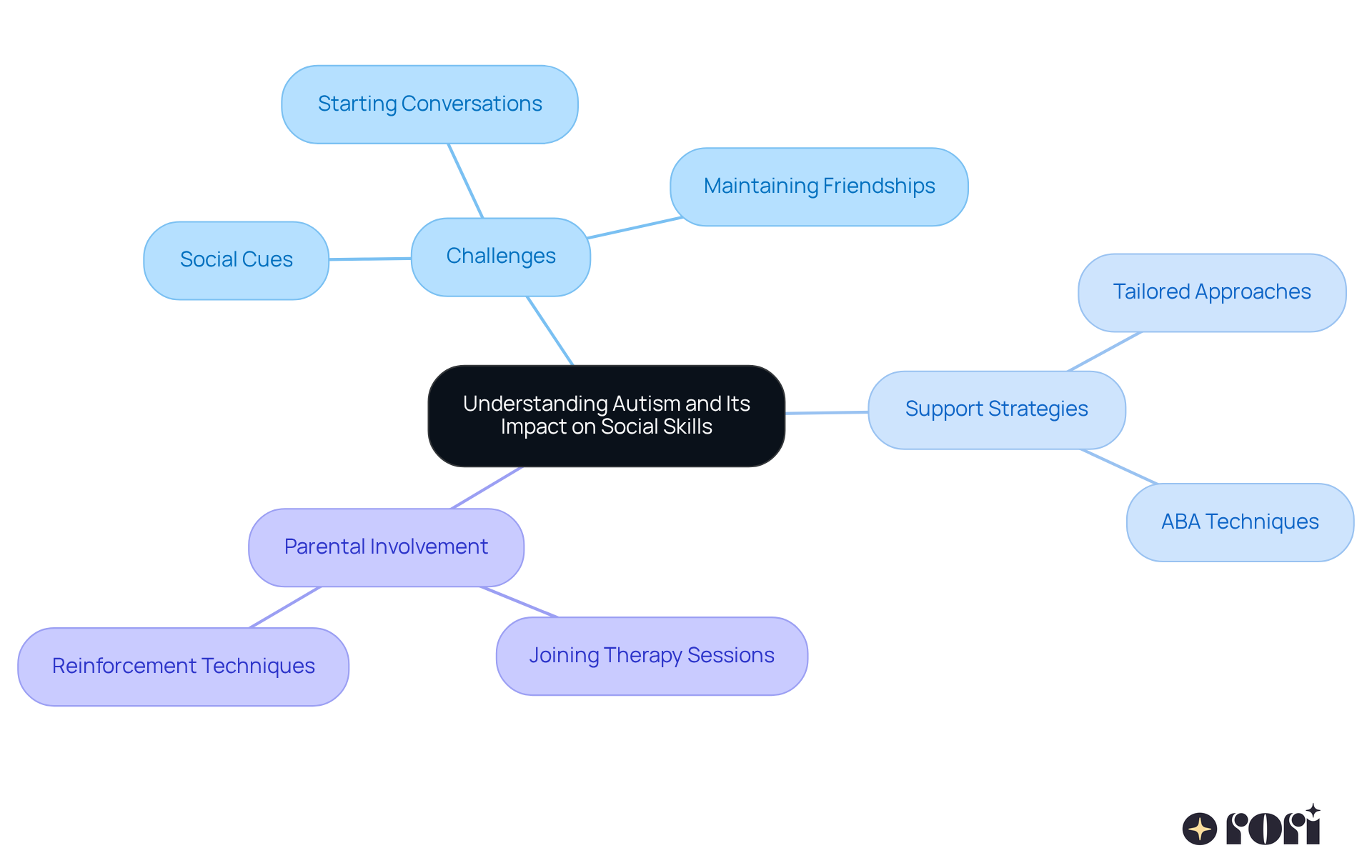
Autism Spectrum Disorder (ASD) can really change how young people communicate and connect with others. Many kids with autism struggle to pick up on social cues, start conversations, and keep friendships going, which can leave them feeling lonely and frustrated. It’s important to know that while these kids often want to make friends, they might not have the skills to do it just yet.
For example, did you know that ? This highlights just how crucial it is to have . for what their kids are going through and emphasize the importance of social skills in their overall development.
By understanding how social interactions work, parents can be empowered to support their child with autism in . This, in turn, can really boost their ability to form . , especially with knowledge of , contributes to empowering parents to .
For instance, if you join in on your child’s therapy sessions, you can help reinforce what they’ve learned in real-life situations, making social interactions feel easier and more enjoyable. This kind of support not only leads to but also helps reduce stress and creates a more harmonious family atmosphere.
Let’s explore this together! We’re here to !
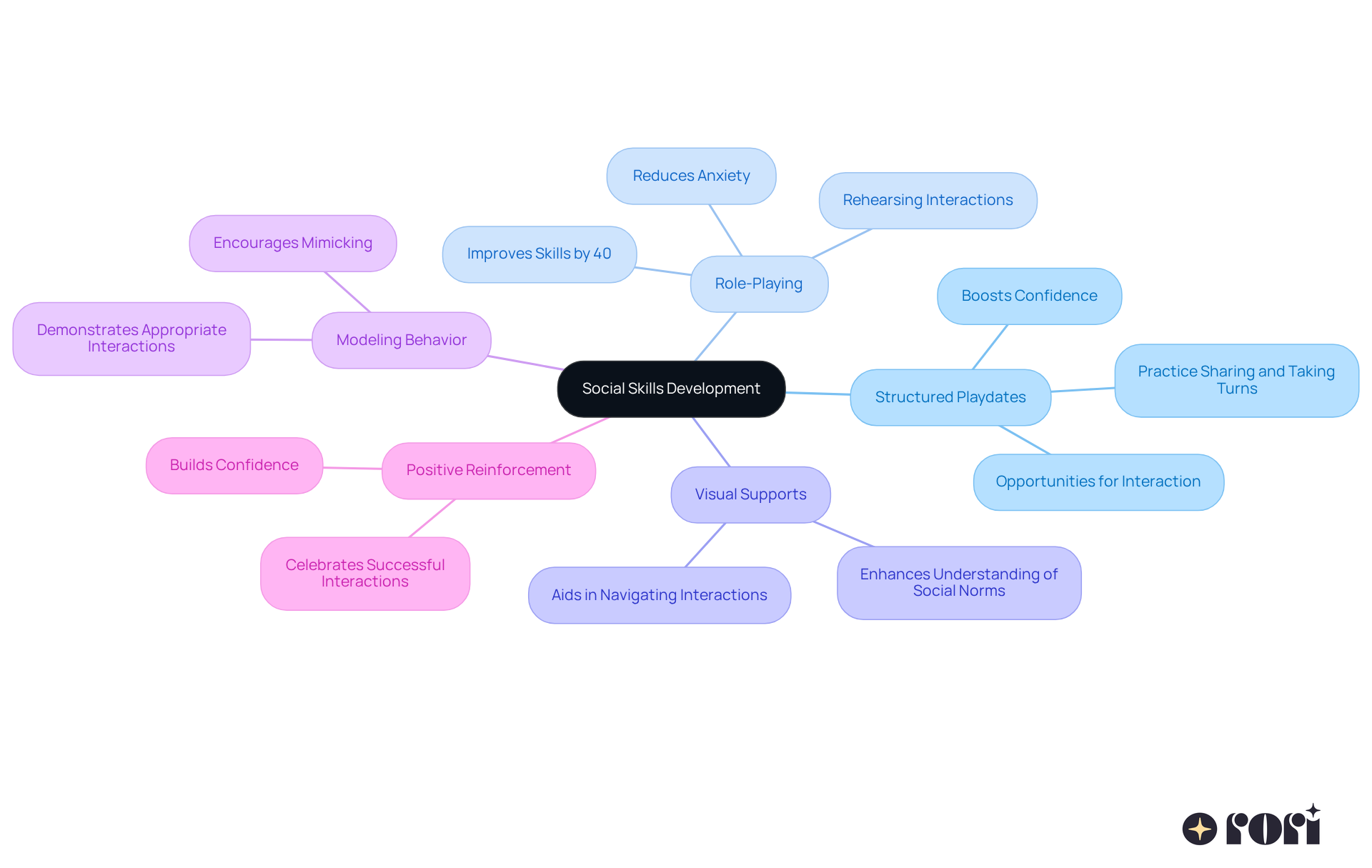
Enhancing social skills in kids can feel like a big task for parents, but there are some that can make it easier and even fun! Let’s explore this together!
Incorporating these strategies not only helps your child navigate social situations and build meaningful relationships but also focuses on to support their child with autism in . By using , you can contribute to to support their child with autism in , leading to better outcomes. Remember, you’re not alone in this journey-we’re here to help you every step of the way!
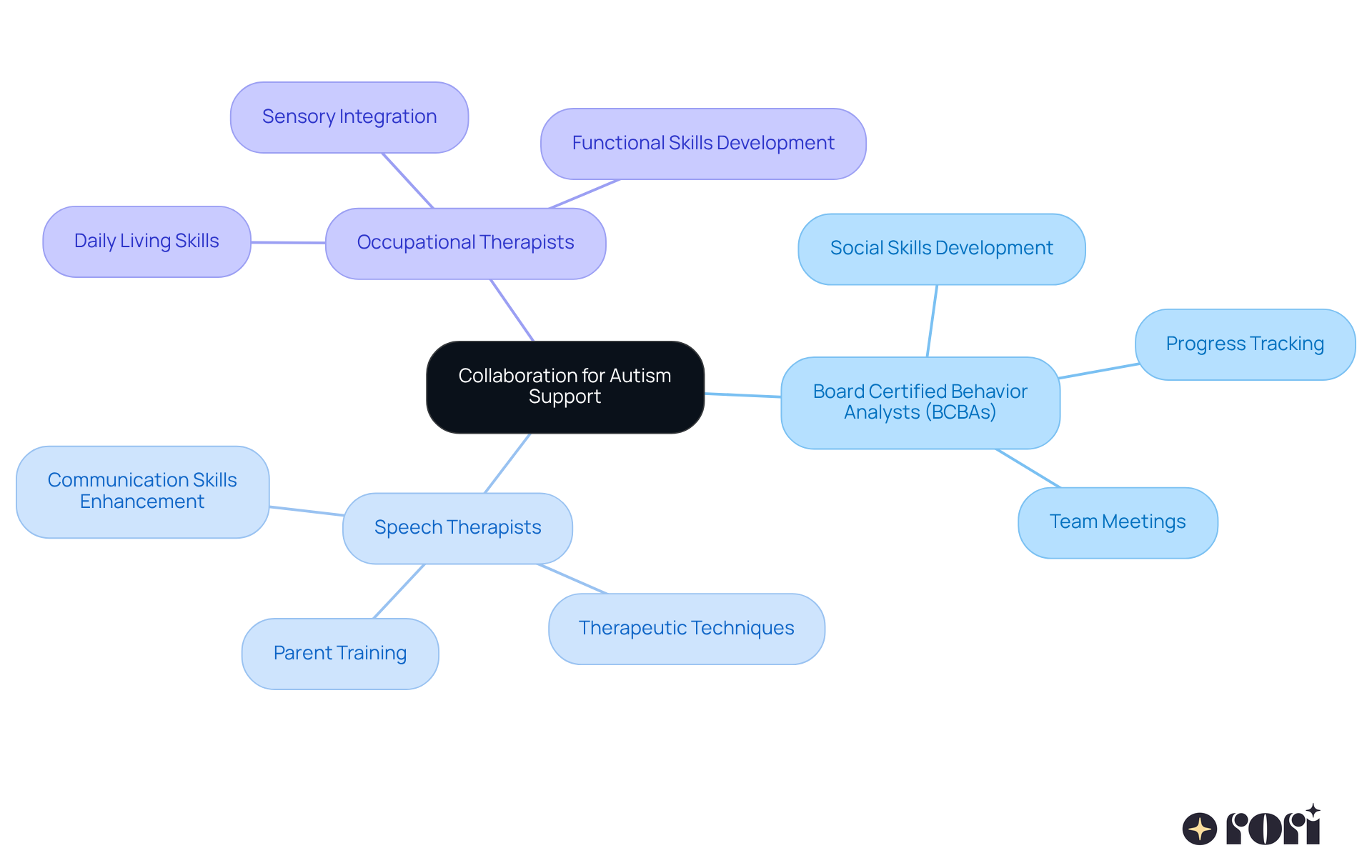
Collaboration with professionals is so important when it comes to . Parents, you’ll want to actively engage with , speech therapists, and occupational therapists as part of a strategy focused on . When you keep the lines of communication open with these specialists, you can easily and adjust strategies as needed.
Joining and sharing your insights can create a collaborative atmosphere where everyone is on the same page. This teamwork not only helps your child grow but also plays a crucial role in through a and resources. Did you know that studies show kids who participate in therapy, including speech and occupational interventions, tend to have the best outcomes? It really highlights how crucial a .
In fact, 90% of individuals show significant progress when they fully engage in the recommended hours of , especially with . And let’s not forget, empowering parents to support their child with autism in social skills development is key for effective caregiver education! It provides the to support their child with autism in social skills development effectively.
Remember, you’re not alone on this journey. Together, we can create a world where everyone belongs. Let’s explore this together!
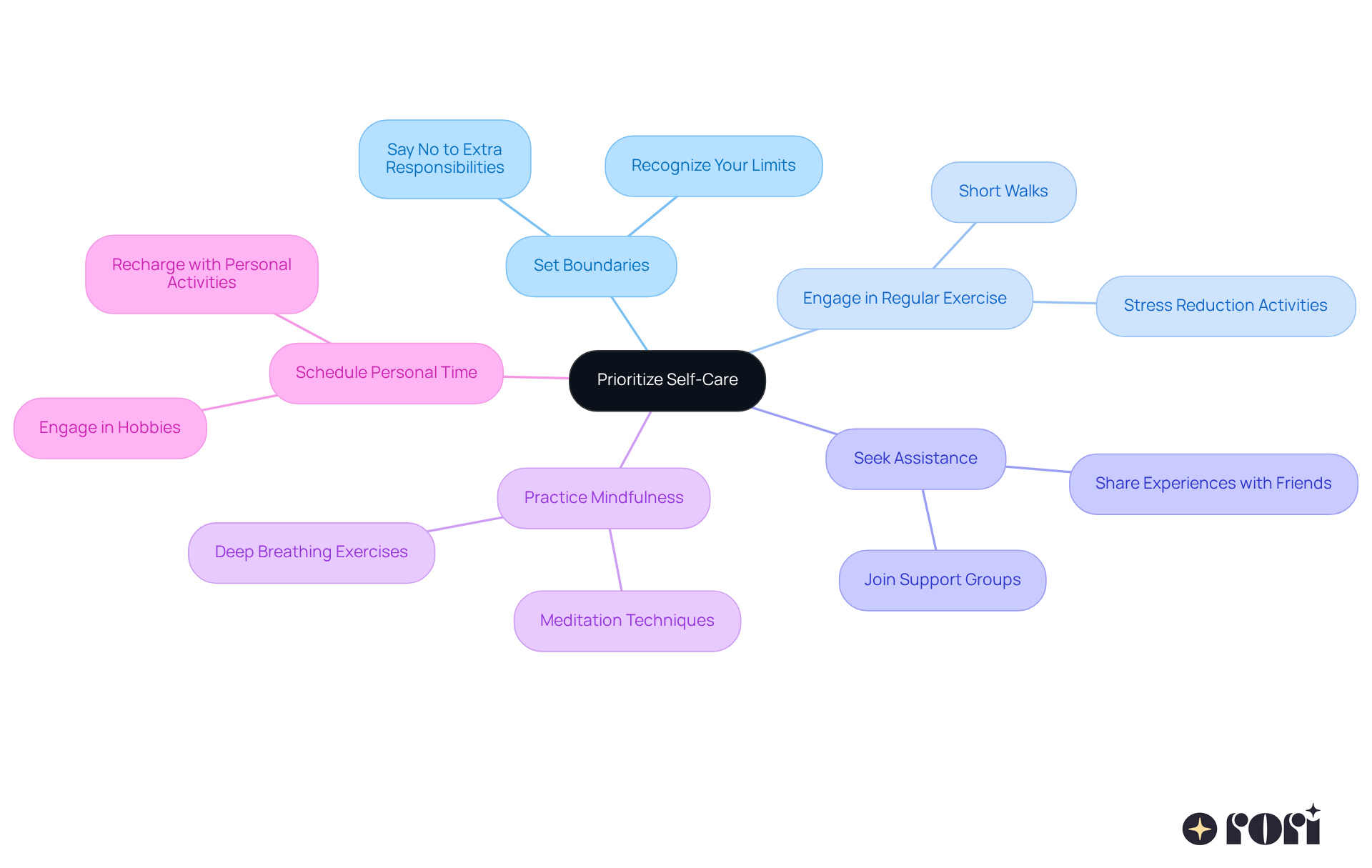
Self-care is so important for caregivers of children with autism. It helps you maintain both your physical and emotional health. Let’s explore some together:
Additionally, Rori Care's services can help tailor strategies that fit your family's unique needs. By prioritizing self-care and utilizing available resources, you can recharge and stay effective in your role, ultimately benefiting your children. Remember, you’re not alone in this journey! We’re here to help you every step of the way!
Empowering parents to support their children with autism in developing social skills is so important for building those meaningful connections and boosting overall well-being. By understanding the unique challenges that kids with Autism Spectrum Disorder (ASD) face and using effective strategies, caregivers can really make a difference in their child's social development. This journey not only helps the child but also strengthens family bonds and creates a nurturing environment.
Key strategies like structured playdates, role-playing, visual supports, and positive reinforcement are fantastic ways to enhance social skills. Working together with professionals, such as behavior analysts and therapists, ensures a well-rounded approach to support. This collaboration allows parents to adapt and refine techniques as their child grows. Plus, don’t forget about self-care! It’s crucial for parents to take care of their own physical and emotional health while navigating the ups and downs of caregiving.
Ultimately, the journey toward empowering parents and children with autism is a team effort that calls for understanding, patience, and dedication. By embracing these best practices and building a strong support network, families can create an environment where children can truly thrive socially and emotionally. Engaging with available resources and communities can significantly enhance this process, paving the way for a brighter future filled with connection and belonging. Let’s explore this together!
What is Autism Spectrum Disorder (ASD) and how does it affect social skills?
Autism Spectrum Disorder (ASD) can significantly impact how young people communicate and connect with others. Many children with autism struggle to understand social cues, initiate conversations, and maintain friendships, which can lead to feelings of loneliness and frustration.
How prevalent is autism among boys compared to girls?
Boys are diagnosed with autism at a rate nearly four times higher than girls, highlighting the need for support strategies tailored to each child's individual needs.
Why is it important for caregivers to understand the challenges faced by children with autism?
Understanding the challenges that children with autism face can help caregivers develop empathy, recognize the importance of social skills, and support their child's overall development.
How can parents support their child's social skills development?
Parents can support their child's social skills development by understanding how social interactions work and actively engaging in their child's journey. This includes participating in therapy sessions and reinforcing learned skills in real-life situations.
What role does Applied Behavior Analysis (ABA) play in supporting children with autism?
ABA concepts, such as reinforcement techniques, can empower parents to support their child's social skills development effectively, leading to better behavioral outcomes and a more harmonious family atmosphere.
What are the benefits of parents participating in their child's therapy sessions?
By joining their child's therapy sessions, parents can help reinforce what their child has learned, making social interactions feel easier and more enjoyable, while also reducing stress within the family.