Engaging children with autism through their unique interests can truly transform their educational experience. It opens doors to comfort, motivation, and social interaction. When caregivers and educators recognize and value these individual preferences, they can create tailored learning environments that not only enhance understanding but also foster a sense of belonging.
But here’s the challenge: how can we effectively weave these interests into educational activities to maximize engagement and emotional growth? 🤔 Exploring this question reveals some powerful strategies that can bridge the gap between personal passions and meaningful learning experiences. Let’s explore this together!
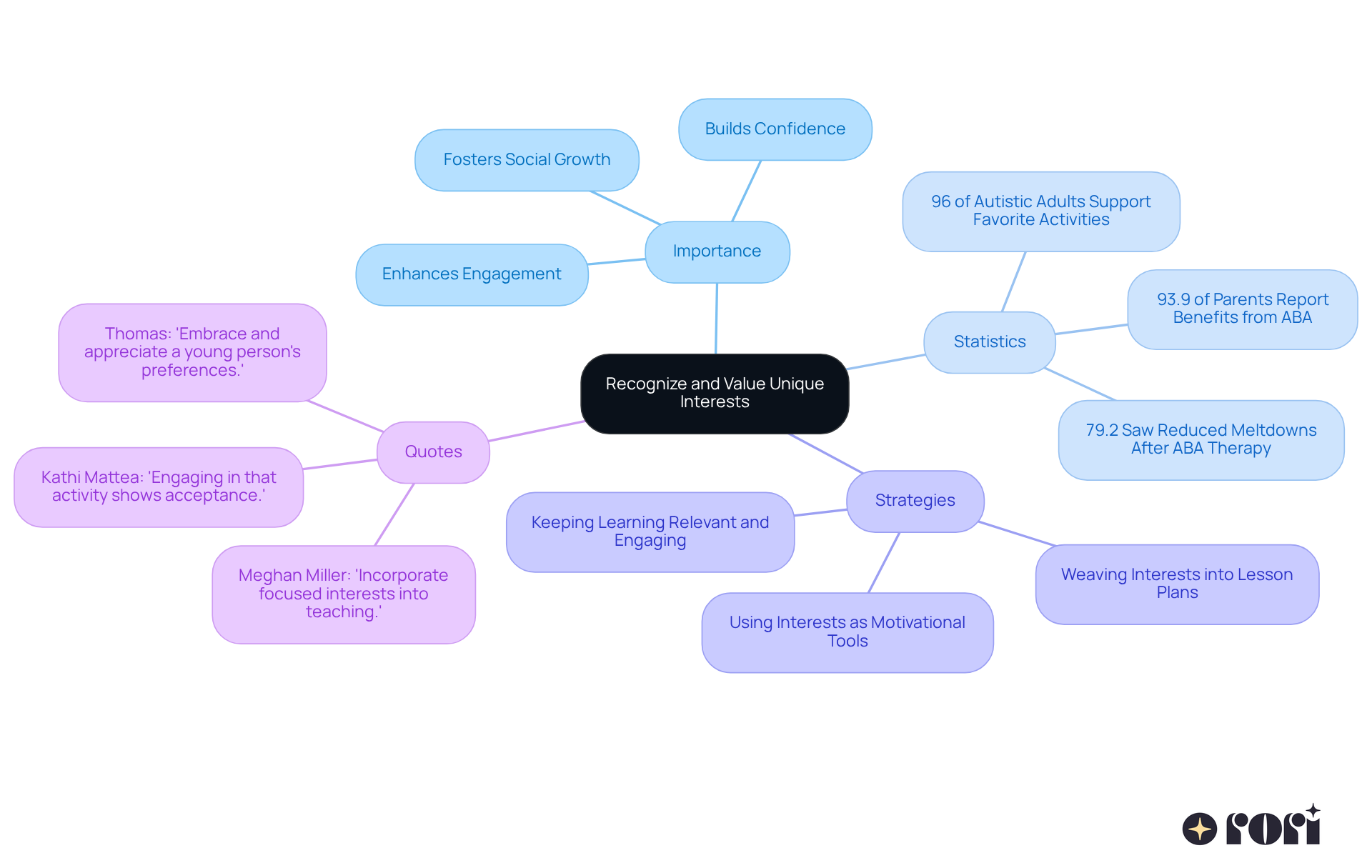
It is crucial to recognize and value the unique preferences of individuals with autism for and fostering . Engaging children with autism through unique interests can serve as a source of comfort and motivation, aiding in the enhancement of understanding and . For example, think about a young person who loves trains. When educational activities include , it can make a world of difference! This approach not only celebrates their passions but also focuses on engaging children with autism through unique interests to encourage them to actively participate and express themselves in their learning journey.
Did you know that 96% of autistic adults support promoting young people's favorite activities? These activities can lead to mastery, confidence, and social connections. Plus, 93.9% of parents have noticed their children benefiting from ABA sessions, highlighting how effective can be. By observing and noting these interests, caregivers and educators can focus on engaging children with autism through unique interests, tailoring their approaches to what truly engages the child and creating a more supportive and effective learning environment.
Here are some successful strategies to consider:
This strength-focused approach not only boosts involvement but also nurtures a sense of belonging and acceptance, which is vital for the of individuals with autism. Moreover, enhances their ability to support their children's behavioral goals through active involvement and data collection.
As Thomas, a youth psychologist, wisely points out, "When we embrace and appreciate a young person's preferences, instead of dissuading them, we cultivate deeper connections, while also fostering social and emotional growth." Let’s explore this together!
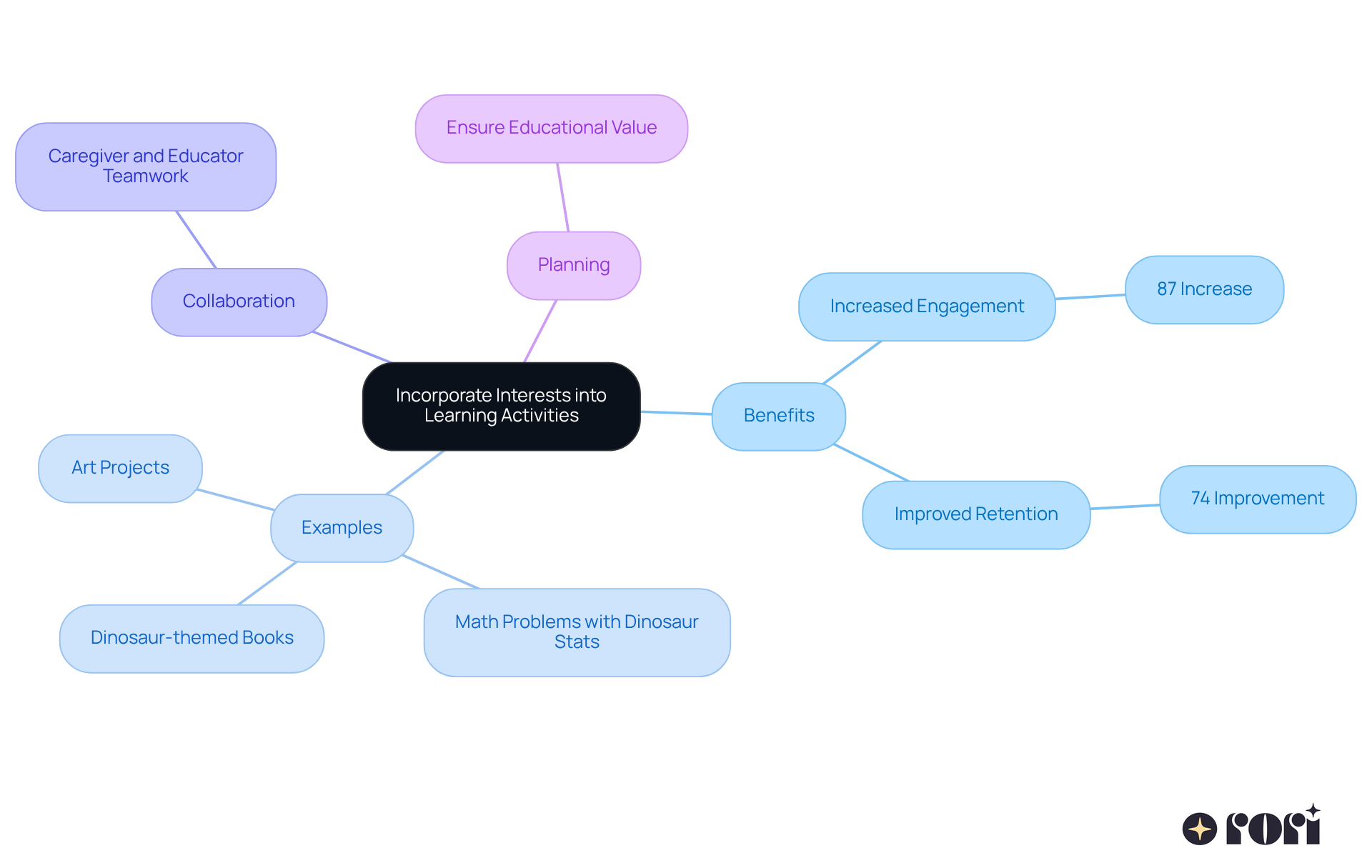
in educational activities can really boost their motivation and involvement! 🌟 For instance, if a child loves dinosaurs, educators can use dinosaur-themed books, create math problems with dinosaur stats, or design art projects around these fascinating creatures. This approach not only makes learning more fun but also focuses on engaging children with autism through unique interests, helping them connect new information to what they already know, leading to a deeper understanding and better retention of concepts.
Research shows that weaving personal passions into education can lead to an and a 74% boost in information retention. Isn’t that amazing? Caregivers are encouraged to to develop with autism through unique interests in the curriculum, ensuring that learning remains relevant and exciting for the child. By doing this, they can and nurtures a love for learning.
As Brian R. King wisely puts it, "" This emphasizes the through unique interests. Plus, can lead to better academic outcomes for autistic students, making collaboration essential. Rori Care’s commitment to neurodiversity, backed by a knowledgeable clinical leadership team of behavioral therapy and education specialists, reinforces this approach, ensuring individuals receive the tailored they need.
However, it’s important to plan these interest-based activities carefully to keep them educational and not just focused on fun. Let’s explore this together and see how we can make learning a joyful journey!
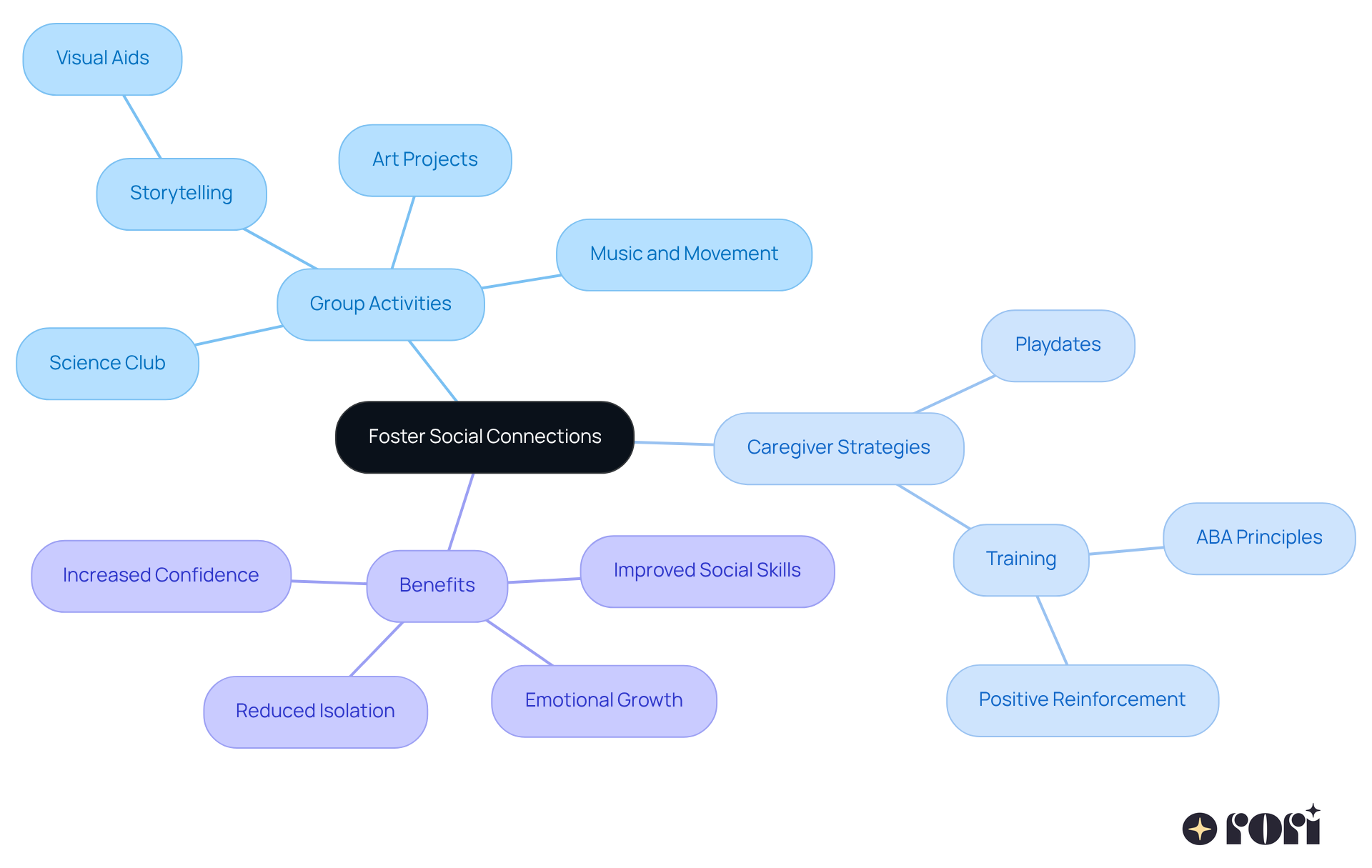
can significantly nurture social bonds and boost a young person's social skills and emotional growth. Consider organizing through unique interests, such as a science club for kids fascinated by space. It creates a where they can engage and connect. These shared experiences provide a natural setting for engaging children with autism through unique interests, allowing them to practice their communication skills, learn about teamwork, and build friendships. Research shows that engaging children with autism through unique interests in organized activities tailored to their preferences leads to better interpersonal skills, with .
Caregivers can help foster these connections by organizing , which are through unique interests. This not only encourages interaction but also helps reduce feelings of isolation. For example, engaging children with autism through unique interests like group storytelling with visual aids can really engage sensory-sensitive kids, while allow for creative expression and teamwork. By equipping caregivers with - like using reinforcement techniques and modeling appropriate social behaviors - they can make informed choices that positively impact their children's development in interactive settings. One parent shared how their initially hesitant child blossomed socially after joining group activities at CST Academy, showcasing the powerful impact of these interactions.
By focusing on common goals and applying the knowledge gained through caregiver training, parents can and help kids build trust and confidence in their interactions. This ultimately leads to a . So, let’s explore this together! We’re here to help you every step of the way!
Creating a nurturing atmosphere for exploration is essential for so that they can truly thrive. Imagine a sensory-friendly space filled with resources that spark their interests, which is essential for engaging children with autism through unique interests and ! For instance, think about a stocked with books on a young person’s favorite topics. It can inspire them to explore independently and develop a love for learning.
Caregivers can really make a difference by applying . Organizing , like field trips to museums or nature centers, can be incredibly rewarding when engaging children with autism through unique interests that align with their passions. Research shows that , helping young individuals build confidence and independence.
Occupational therapists highlight that these not only cater to sensory needs but also ignite curiosity. This ultimately supports overall growth and well-being. By , caregivers equipped with ABA strategies can focus on engaging children with autism through unique interests, helping them blossom into confident learners. Let’s explore this together and support their growth and independence!

Recognizing and valuing the unique interests of children with autism is so important for their engagement and development. When we embrace these passions, caregivers and educators can create a nurturing environment that not only motivates kids but also boosts their social interactions and emotional growth. Tailoring learning experiences around these interests turns education into a more meaningful and enjoyable journey, allowing children to truly thrive in their learning and social environments.
Let’s talk about some key strategies! We can:
Research shows that this approach brings significant benefits, like increased engagement and better retention of information. Plus, creating supportive environments that encourage exploration and curiosity is vital for helping children with autism build confidence and independence.
Ultimately, we can’t overstate how important it is to engage children with autism through their unique interests. By implementing these strategies, caregivers and educators can cultivate deeper connections, promote social skills, and support emotional development. The journey toward understanding and embracing the unique interests of autistic children isn’t just beneficial for them; it enriches the entire community, fostering a more inclusive and understanding world. Let’s explore this together!
Why is it important to recognize and value the unique interests of individuals with autism?
Recognizing and valuing the unique preferences of individuals with autism is crucial for engaging them and fostering meaningful involvement. It serves as a source of comfort and motivation, enhancing their understanding and social interactions.
How can engaging children with autism through their unique interests benefit them?
Engaging children with autism through their unique interests can lead to mastery, confidence, and social connections. It encourages active participation and self-expression in their learning journey.
What percentage of autistic adults support promoting young people's favorite activities?
96% of autistic adults support promoting young people's favorite activities.
What have parents observed regarding the benefits of ABA sessions for their children?
93.9% of parents have noticed their children benefiting from ABA sessions, indicating the effectiveness of personalized methods that consider children's preferences.
What strategies can be used to engage children with autism through their interests?
Successful strategies include weaving focused interests into lesson plans, using them as motivational tools, and keeping learning relevant and engaging.
How does a strength-focused approach impact individuals with autism?
A strength-focused approach boosts involvement and nurtures a sense of belonging and acceptance, which is vital for the emotional and social growth of individuals with autism.
What role do caregivers play in supporting children with autism?
Empowering caregivers with ABA principles and strategies enhances their ability to support their children's behavioral goals through active involvement and data collection.