For individuals with nonverbal autism, communication can present unique challenges that require specialized strategies. While traditional spoken language may not be their primary mode of expression, these individuals possess a myriad of ways to understand and convey their thoughts and emotions. Educators, parents, and caregivers play a crucial role in recognizing the importance of alternative communication methods to enrich the lives of nonverbal children and support their learning journey.
Augmentative and alternative communication (AAC) systems, such as electronic tablets or picture-based communication, have proven to be life-changing tools for these children, empowering them to effectively express themselves. Understanding that communication is a two-way street is also fundamental, as both individuals with autism and neurotypical people face challenges in understanding each other. By embracing a multi-faceted approach that includes alternative communication methods, recognizing the significance of body language, and involving various communication partners, we can unlock the communicative capabilities of children with nonverbal autism.
With the right support and understanding, we can create pathways for them to connect with the world around them in meaningful ways.
For individuals with nonverbal autism, each day can present communication hurdles that necessitate unique and dedicated strategies. These individuals may not use traditional spoken language, but they express themselves and understand the world in many other ways. It is essential for educators, parents, and caregivers to recognize the importance of to enrich these children's lives and support their learning.
systems can be life-changing for nonverbal children by providing them with the tools to express their needs, thoughts, and emotions. An inspiring case is that of a 10-year-old who began using an electronic tablet to point to pictures, enabling him to communicate his thoughts effectively. This breakthrough was not only pivotal for his family but also sparked a global interest in AAC, demonstrating the vast potential these tools have in unlocking the communicative capabilities of children with complex communication needs.
Understanding that is fundamental when teaching nonverbal children with autism. Research has introduced the concept of the 'double empathy problem,' which suggests that communication difficulties are not solely experienced by individuals with autism but also by neurotypical people trying to understand them. This reframes the approach to communication, highlighting the need for mutual effort and understanding.
The development of requires the involvement of various . These include family members, speech-language pathologists (SLPs), teachers, and paraeducators. Recent grants have been awarded to projects aimed at developing training interventions for school-based SLPs.
This training is designed to enhance the ability of family members to implement communication strategies with children who use AAC, marking a significant step forward in .
Moreover, recognizing the importance of body language as a means of communication can be particularly enlightening. Nonverbal behaviors such as gestures, facial expressions, and posture play a crucial role in how we convey information. This understanding is especially relevant for individuals with nonverbal autism, for whom body language may be a primary mode of expression.
It's vital for those around them to become attuned to these nonverbal cues and to learn to interpret them accurately.
In Australia, where the prevalence of autism is approximately 1 in 70, like the National Disability Insurance Scheme (NDIS) provide early intervention and support services. These services focus on critical areas such as communication and language development, showcasing the country's commitment to fostering an inclusive environment for individuals with autism.
Overall, it is clear that a multi-faceted approach that includes understanding, empathy, and the right support can significantly enhance the communication outcomes for children with nonverbal autism. By embracing a variety of communication methods and tools, we can create pathways for these children to connect with the world around them in meaningful ways.
Creating a sensory-rich environment is pivotal for the development of nonverbal , who often experience the world differently. By incorporating stations with a variety of textures, sounds, and visual elements, parents and educators can offer a stimulating backdrop that fosters exploration and . These not only cater to their unique sensory preferences but also bolster vital skills such as , motor coordination, and .
For children with , activities that allow safe exposure to different textures can be transformative. A child who might be initially apprehensive about the feel of a certain material can gradually become more comfortable as they engage with sensory bins filled with rice, beans, or water beads. Similarly, auditory and visual stimuli can be modulated to fit the child's comfort level, reducing distress and promoting a sense of calm.
Recent advancements and innovations, such as the development of augmented reality (AR) applications, are now transforming tactile sensations into visual and auditory experiences, thus aligning with the strengths of the autistic community. For instance, an AR tool designed for dental visits has been prototyped to alleviate discomfort by substituting the overwhelming sensation of a dental drill with more manageable visual and sound cues.
Moreover, the introduction of accessible toys by major toy manufacturers, including sensory-friendly LEGO playsets with Braille bricks, is a testament to the growing recognition of the importance of inclusive play. Educational toy companies like Solobo, operated by neurodivergent individuals, underscore the creative potential unleashed through . These endeavors highlight the significance of sensory activities in enhancing learning and self-expression for children of all abilities.
The impact of sensory play is not only immediate but also long-lasting. As parents and educators have noted, children retain knowledge more effectively when it's acquired through sensory-rich experiences compared to conventional methods like worksheets. This approach to learning reinforces neural pathways and connections, leading to a more robust and integrated sensory system.
The joy and tranquility that these activities bring to children are invaluable, making sensory play an essential component of daily routines for families with .
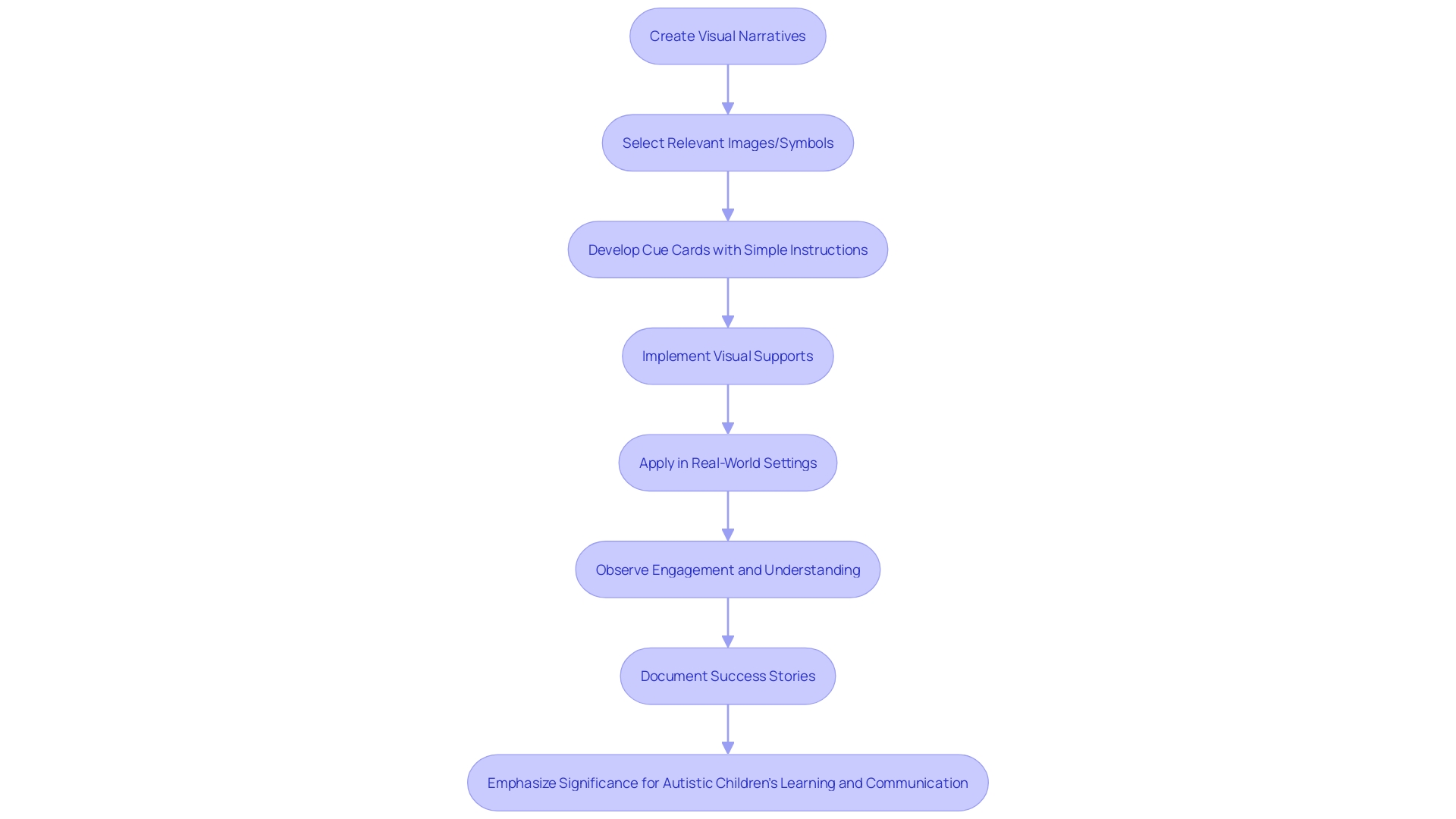
For nonverbal children on the autism spectrum, the integration of and can be transformative in enhancing understanding and communication. By crafting visual narratives with relevant images or symbols to illustrate daily activities or routines, we provide a structured visual context that these children can follow with greater ease. Furthermore, that carry simple instructions or prompts serve as clear guides to assist them in comprehending and executing tasks.
Such visual tools not only boost their ability to comprehend but also significantly aid in the development of their .
The efficacy of visual aids in supporting autistic children is underscored by real-world applications. For instance, the creation of a for Lil, a 17-year-old transitioning from special school to a new community setting, leveraged visual elements to ease the challenge of unfamiliar environments and routines. Similarly, the use of in a classroom setting enabled a six-year-old autistic student to engage in a group project, demonstrating the potential of these tools to facilitate inclusive learning experiences.
Recent developments further highlight the significance of visual communication, as evidenced by the success story of Joshie, who used picture-based communication on a tablet, leading to an advocacy movement for the educational rights of children with special needs. This story illuminates the profound impact that visual communication tools can have, not only on the individual child but also on broader societal perceptions and practices.
Statistics on emotion recognition and production indicate that autistic children may learn to mimic emotions through visuals, suggesting that visual aids like can be especially resonant for these children. These books provide an alternative learning method that aligns with the unique cognitive processing styles of autistic individuals, offering them a way to engage with the world that traditional methods may not.
In conclusion, , including storytelling and cue cards, are not just supplementary tools but are pivotal in empowering nonverbal autistic children to navigate their learning and communication pathways with confidence and clarity.
Integrating music into the lives of children with autism, particularly those who are nonverbal, has been shown to offer a multitude of benefits. , a well-researched and low-risk intervention, can aid in addressing various conditions and improving overall quality of life. For children on the autism spectrum, , fostering , emotional expression, and social engagement.
Incorporating music into daily routines can be particularly effective during transitions, which may be challenging for . It provides structure and predictability, while also serving as a soothing mechanism that can help in calming and refocusing. Furthermore, engaging children in movement activities, such as dance or gentle exercises, can promote a sense of body awareness and provide an avenue for .
Dr. Pamela Heaton, a leading researcher in music and autism, has provided insight into the connection between music and the diagnostic features of autism. By understanding each child as an individual and tailoring musical experiences to their unique needs and strengths, educators and parents can optimize the impact of . This approach is supported by , such as the one of Jacob Rock, an autistic individual who composed a symphony, illustrating the profound potential for music to unlock communication and creativity in nonverbal .
Debbie Geraghty, Executive Director of Plymouth Music Zone, an organization dedicated to using music for inclusion and social change, emphasizes the powerful personal and social impacts of music. Their approach, rooted in inclusivity, reflects the in the lives of those with autism.
Statistics reveal that a significant percentage of autistic individuals face barriers in obtaining the necessary support to develop key skills. This underscores the importance of accessible interventions like music therapy, which can play a critical role in supporting the development of self-care skills and enhancing the well-being of autistic children. Overall, the integration of music and movement into the lives of nonverbal autistic children is not only engaging but can also be a vital part of their growth and development.
For , and are essential tools that bridge the gap in communication. These devices empower children to convey their basic needs, deepest thoughts, and emotions when words fail them. By using visuals such as pictures and symbols, or even text, children can effectively communicate with their caregivers, educators, and peers.
Case studies illustrate the profound impact these technologies have on individuals like Lil, a 17-year-old preparing for a major life transition, who might find solace in the consistency provided by AAC devices during uncertain times. Similarly, the innovation of an AR application that translates tactile sensations into visual and auditory information exemplifies the potential of tailored interactive solutions to address the unique sensory challenges faced by autistic individuals.
The story of Joshua, who used an electronic tablet to communicate, highlights the transformative power of technology. It not only enables children with autism to express themselves but also challenges societal expectations, showcasing their potential to inspire on a global scale.
Incorporating these technologies isn't just about choosing the latest gadgets; it's about selecting tools that align with the individual's communication goals and preferences, as underscored by the need for careful consideration in tool selection discussed in recent news. When introduced appropriately, can become integral to a child's daily interactions and overall development.
Furthermore, the in research underscores the importance of incorporating , ensuring that the chosen methods are effective, safe, and respectful of the autistic community's needs.
In essence, into the lives of nonverbal autistic children is not just about providing a means to communicate; it's about opening a world of possibilities, enabling them to connect and thrive in their own unique way.
Engaging in art and craft activities is more than a pastime for nonverbal children on the autism spectrum; it's a vital avenue for . Through the tactile experience of molding clay or the vibrant strokes of a paintbrush, these children find a voice in the silence—a way to . For Alex Schlueter, diagnosed with autism at a young age, his exceptional artistic abilities—his keen eye for perspective and detail—were evident in his early drawings.
Similarly, James, who found solace in his art during challenging school years, used his artwork as a means of communication when verbal expression was limited.
, supported by studies emphasizing painting, drawing, and paper media, offers children a sense of control and autonomy, as they choose their materials and subjects. This sense of choice is crucial for children with autism, reinstating a degree of independence in a world that often feels out of their control. Parents and educators see the of art, not only as a tool for developing fine motor skills but also for and aiding sensory integration.
Furthermore, embracing can lead to profound moments of connection and understanding. Recalling a medical conference, one parent shared the story of a non-speaking autistic teenager who, assumed to be disconnected, stunned everyone by typing 'help me it hurts' on a preschool alphabet toy. This moment underscored the importance of alternative forms of communication, reminding us that every behavior has a purpose and that art can be a lifeline.
The maker culture in STEM education also shines a light on the importance of , emphasizing the design process and problem-solving as key to developing strength-based programs. As we continue to explore and support the diverse needs of children with autism, the integration of art in their learning and communication toolkit remains a beacon of hope for their personal growth and self-expression.
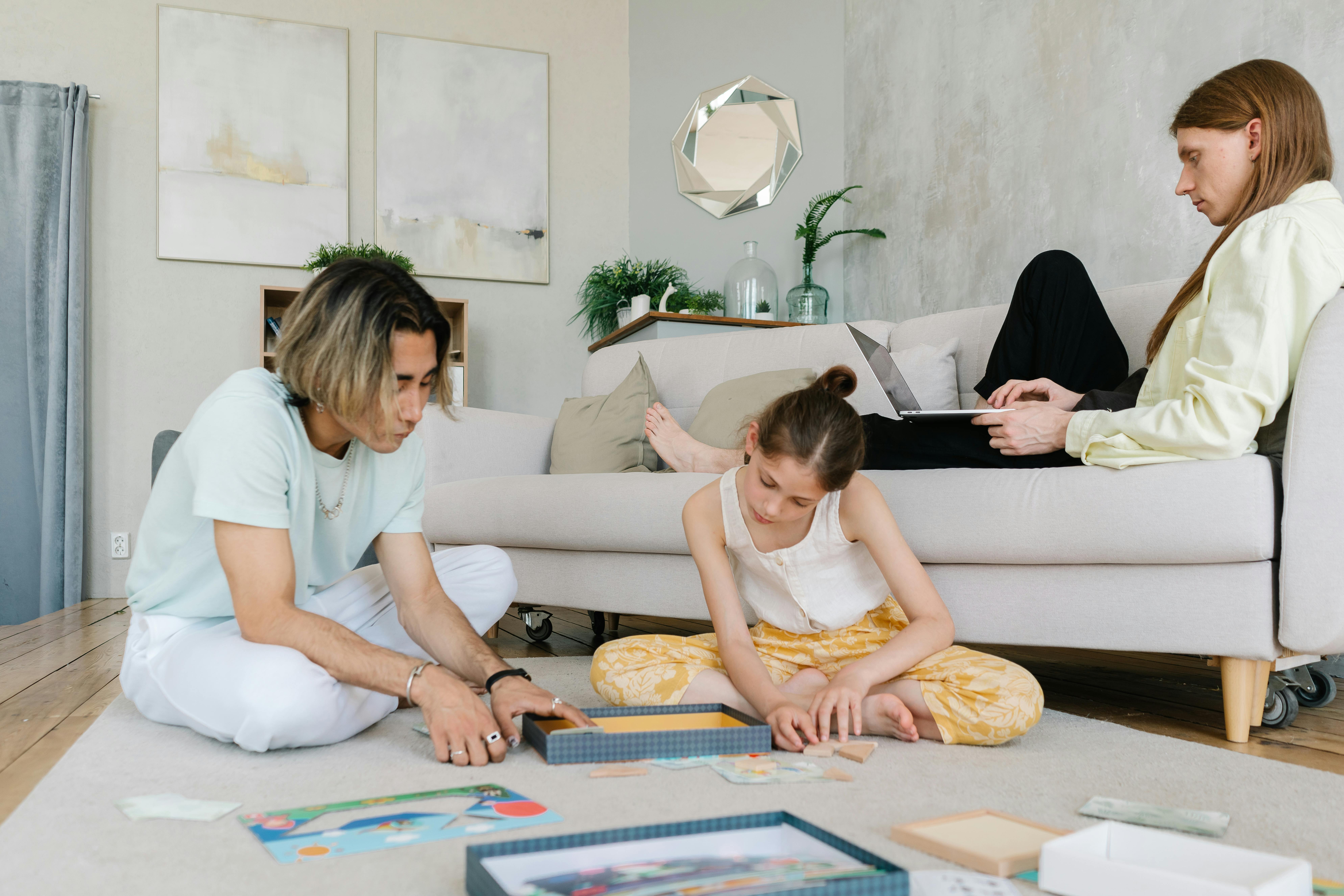
To foster in , simple and repetitive games that emphasize basic but crucial skills such as can be highly effective. These activities not only enhance cognitive abilities but also encourage essential social interactions and opportunities for communication. A profound example is the experience of a non-speaking autistic teenager who, despite being presumed unable to comprehend, used an alphabet toy to express his pain, highlighting the importance of providing .
Furthermore, recent research has revealed that autistic individuals often gravitate towards activities such as board games, which can support their engagement and learning in a structured yet enjoyable manner.
Research underscores the necessity to discard outdated assumptions that speech incapacity equates to a lack of language or cognitive ability. Instead, it's recognized that with proper instruction, individuals who are nonverbal can learn to express language through alternative means, such as sign language or picture-based communication systems. However, these systems have limitations and are not a one-size-fits-all solution.
It's critical that are made accessible to nonverbal autistic individuals to enhance their educational and social prospects.
In practice, this approach is supported by , which is tailored to each individual after a comprehensive evaluation of their strengths and challenges. ABA is a data-driven and evidence-based method that includes strategies for improving communication skills and other socially significant behaviors. Activities such as those provided by mobile applications like AutiSpark can be incorporated into , offering a variety of interactive games that cater to the learning needs of autistic children, including activities focused on spelling, mathematics, memory, and puzzles.
The benefits of play for children's learning and development are well-documented. Researchers have explored the motivations behind children's play, whether to win or for fun, and suggest that understanding these motivations could lead to the creation of more effective educational tools. Therefore, incorporating play into the learning process of autistic children is not only a strategy for skill acquisition but also a means to tap into the innate joy and rewards that play provides.
Encouraging autonomy in nonverbal autistic children can significantly enhance their and overall . By presenting them with opportunities to choose between various activities or objects, you honor their preferences and give them a valuable sense of empowerment. Additionally, mirroring their actions and sounds can foster an environment of , paving the way for and a more engaging learning atmosphere.
These strategies align with the , emphasizing the importance of to each child's unique abilities and interests without attempting to alter their intrinsic nature. Notably, these approaches are supported by recent case studies and research illustrating their effectiveness in promoting communication and independence among .
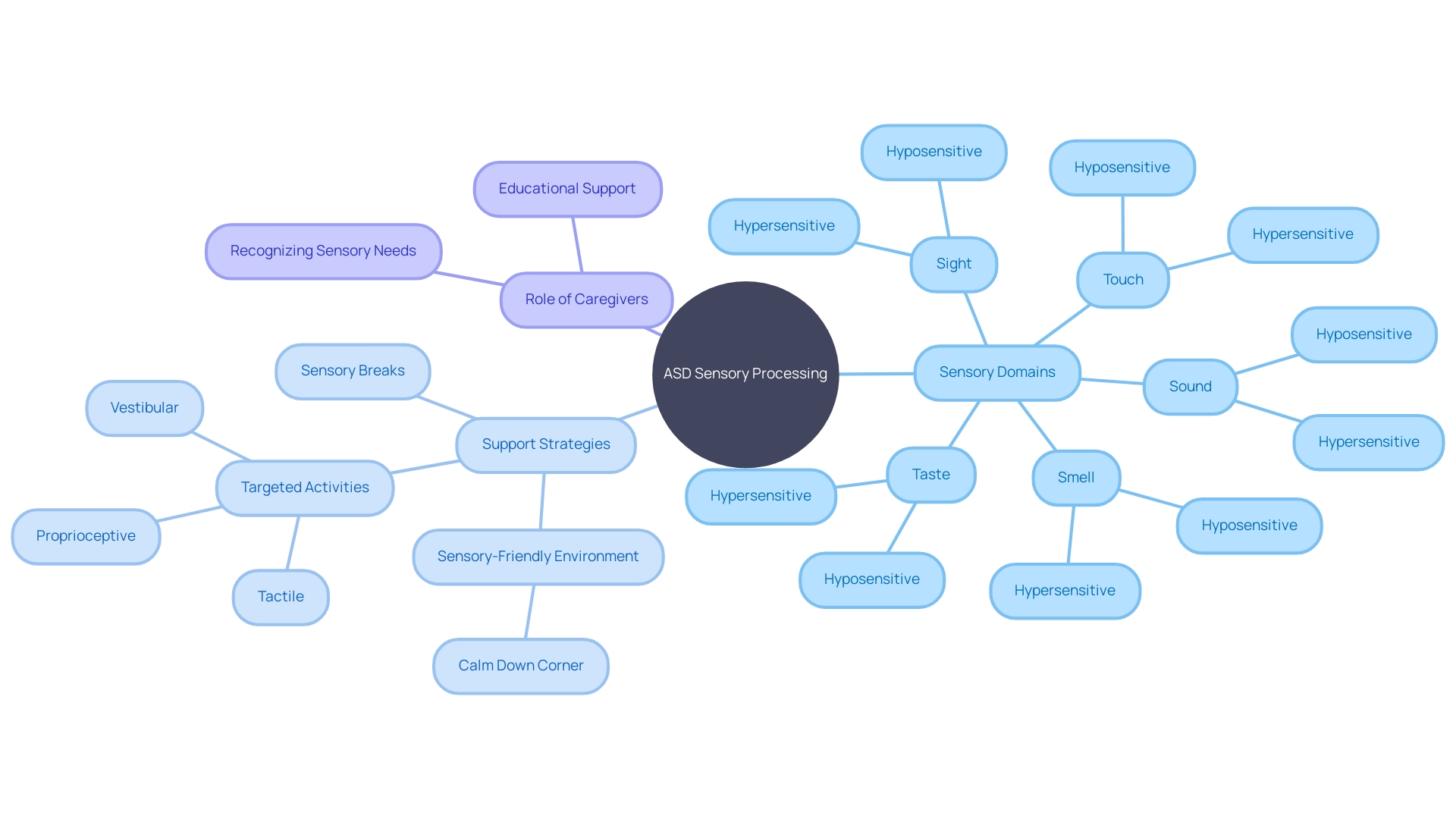
Children with autism spectrum disorder (ASD) often have unique sensory processing patterns and may be hypersensitive or hyposensitive to different stimuli. This can manifest as either an or an under-reaction to it. For instance, they might find certain sights, sounds, tastes, smells, or textures either overwhelmingly intense or not intense enough.
Such can significantly affect their behavior, learning, and development.
Creating a dedicated space in educational settings, such as a ',' can provide a safe haven for students with ASD when they feel overstimulated. This area should be designed with attention to that cater to the individual needs of the child. For example, including tools that offer deep pressure can be soothing and help regulate their emotions, assisting them to refocus and engage with classroom activities.
Furthermore, are essential in helping students with ASD manage sensory overload. These breaks can include activities that incorporate the tactile, proprioceptive, and vestibular systems, which are critical to sensory integration. Engaging in these activities can aid in calming the nervous system and improving the child's overall well-being.
The importance of and social participation of children with disabilities, including those with ASD, cannot be overstressed. By recognizing their and providing appropriate support, caregivers and educators play a pivotal role in creating an equitable environment where these children can thrive.
Outdoor play is not just a form of recreation for nonverbal autistic children, but a critical component of their development. Engaging in sensory-rich activities such as swinging, climbing, or playing in the sand serves more than one purpose. It offers a platform for sensory exploration which is vital for children who experience the world differently.
These activities are not only fun but also crucial for , stimulating their vestibular system—which is responsible for balance—and proprioceptive sense—regarding the position and movement of the body.
Moreover, the nurturing of these sensory and motor skills can have a ripple effect, potentially bolstering , fine motor abilities, , and even self-regulation. The importance of play in bolstering children's physical, mental, and social health is so profound that it is enshrined in the United Nations Convention on the Rights of the Child.
Research by Dr. Mariana Brussoni at the University of British Columbia emphasizes the need for children's outdoor play and risk-taking. Her studies have shown that these experiences are fundamental to children's happiness and are now less common than they used to be. It's essential to recognize that while some risks are involved in outdoor play, they are a natural and necessary part of children's play experiences.
Distinguishing between manageable risks and hazardous situations is key in providing a safe yet enriching play environment.
Given the benefits, it is concerning that less than half of adults with mobility disabilities in the US engage in aerobic . This statistic is a stark reminder of the importance of establishing exercise routines early in life, as emphasized by , pediatric neurologist and CEO of Cognos. Regular is just as important for individuals with disabilities as it is for those without, to promote health and prevent disease.
Incorporating outdoor and physical activities into the daily routines of not only supports their well-being but is a step toward equity and inclusion, ensuring that they can participate meaningfully in the social spheres of school and community life.
Integrating can be a transformative experience for children with autism, particularly those who are . Vivid, in comic books, for example, have proven to be a compelling medium for engaging children with autism, as they cater to their distinct learning preferences and expressive needs. By selecting books with , and incorporating tools like picture schedules or storyboards, parents and educators can significantly enhance a child's understanding and enjoyment of the story.
Active participation is encouraged by involving the child in page-turning or through the use of gestures, drawing them into the narrative in a tactile and interactive way. This approach not only fosters but also supports comprehension, offering a that resonates with the unique ways in which perceive and interact with their world.
In conclusion, effective communication strategies are crucial for individuals with nonverbal autism. Augmentative and alternative communication (AAC) systems empower nonverbal children to express themselves effectively. By embracing alternative communication methods, recognizing body language, and involving various communication partners, we can unlock the communicative capabilities of children with nonverbal autism.
Sensory play stations and activities provide a stimulating backdrop, fostering exploration and cognitive growth. Visual storytelling and cue cards enhance understanding and communication. Music and movement activities serve as therapeutic tools, fostering communication, expression, and engagement.
Interactive technology and AAC devices bridge the communication gap for nonverbal children. Art and craft projects offer a vital avenue for self-expression and development.
Simple, repetitive games, offering choices, and imitating child behavior encourage autonomy and enhance communication skills. Creating calm down corners and incorporating sensory breaks support sensory processing challenges. Outdoor and physical activities promote development and inclusivity.
Integrating visual aids into reading and storytelling enhances language development and comprehension.
Overall, by implementing these strategies, we can empower nonverbal autistic children to communicate effectively, enrich their lives, and support their learning and development. Understanding, empathy, and the right support are key to creating pathways for these children to connect with the world in meaningful ways.
What is nonverbal autism?
Nonverbal autism refers to a subset of individuals on the autism spectrum who do not use traditional spoken language to communicate. They may express themselves and understand the world using alternative methods.
Why is alternative communication important for individuals with nonverbal autism?
Alternative communication methods are important because they provide the means for individuals with nonverbal autism to express their needs, thoughts, and emotions, thereby enriching their lives and supporting their learning.
What are AAC systems, and how do they help nonverbal children?
Augmentative and Alternative Communication (AAC) systems are tools that help nonverbal children communicate. They can include devices like electronic tablets with picture-based interfaces, allowing children to point to pictures to convey their thoughts.
What is the 'double empathy problem' in the context of autism?
The 'double empathy problem' is a concept suggesting that communication difficulties are experienced not only by individuals with autism but also by neurotypical people trying to understand them. It emphasizes the need for mutual effort and understanding in communication.
Who are communication partners, and why are they important?
Communication partners include family members, speech-language pathologists, teachers, and paraeducators. They play a critical role in the development of communication skills in nonverbal children with autism by implementing strategies and supporting their use of AAC.
How can body language be used as a form of communication for nonverbal individuals with autism?
Body language, including gestures, facial expressions, and posture, can be a primary mode of expression for individuals with nonverbal autism. Recognizing and interpreting these nonverbal cues is crucial for effective communication.
What role does the National Disability Insurance Scheme (NDIS) play in Australia for individuals with autism?
The NDIS provides early intervention and support services focusing on communication and language development, which are essential for creating an inclusive environment for individuals with autism.
How does sensory play benefit nonverbal autistic children?
Sensory play stations that include various textures, sounds, and visual elements cater to the unique sensory preferences of nonverbal autistic children, aiding in language development, motor coordination, and social interaction.
What are visual storytelling and cue cards, and how do they support communication?
Visual storytelling uses images or symbols to illustrate daily activities or routines, while cue cards carry simple instructions or prompts. Both tools help nonverbal autistic children understand and communicate more effectively.
Can music therapy be beneficial for nonverbal children with autism?
Yes, music therapy can aid nonverbal children with autism by enhancing communication, emotional expression, and social engagement. It provides a structured and soothing aid during transitions and engages children in movement activities.
How do interactive technology and AAC devices assist nonverbal autistic children?
These tools allow nonverbal autistic children to communicate by using visuals such as pictures, symbols, or text. They help convey basic needs, thoughts, and emotions effectively.
What impact do art and craft projects have on nonverbal autistic children?
Art and craft activities provide a vital avenue for self-expression and development for nonverbal autistic children, helping them convey their inner world, develop fine motor skills, and aid sensory integration.
Why are simple, repetitive games important for nonverbal autistic children?
Simple and repetitive games that involve turn-taking, matching, and sorting enhance cognitive abilities, encourage social interactions, and provide alternative means for communication.
What strategies can encourage autonomy in nonverbal autistic children?
Offering choices between various activities or objects and mirroring the child's actions and sounds can enhance communication skills and provide a sense of empowerment and agency.
How can a 'calm down corner' or sensory breaks help children with ASD?
These spaces and techniques provide a safe haven with sensory-friendly elements for students with ASD to manage sensory overload, regulate emotions, and refocus on classroom activities.
What are the benefits of outdoor and physical activities for nonverbal autistic children?
Outdoor and physical activities support gross motor development, stimulate sensory systems, and can improve language skills, social interactions, and self-regulation. They are essential for the overall well-being and development of nonverbal autistic children.
How does reading and storytelling with visual aids assist nonverbal autistic children?
Using visual aids like hand-painted illustrations and storyboards during reading and storytelling can enhance understanding and engagement for nonverbal autistic children, providing a multisensory experience that supports language development and comprehension.