Building effective partnerships between schools and autism care specialists isn’t just a good idea; it can truly change the game for children with autism. When educational leaders and care providers come together, they can craft personalized strategies that really boost student engagement and learning outcomes. But here’s the big question: how can these important players communicate and coordinate their efforts to make sure every child gets the support they deserve?
Let’s dive into some best practices for enhancing collaboration, using technology, and providing ongoing training. Together, we can create a nurturing environment for children on the autism spectrum. We’re here to help you every step of the way!
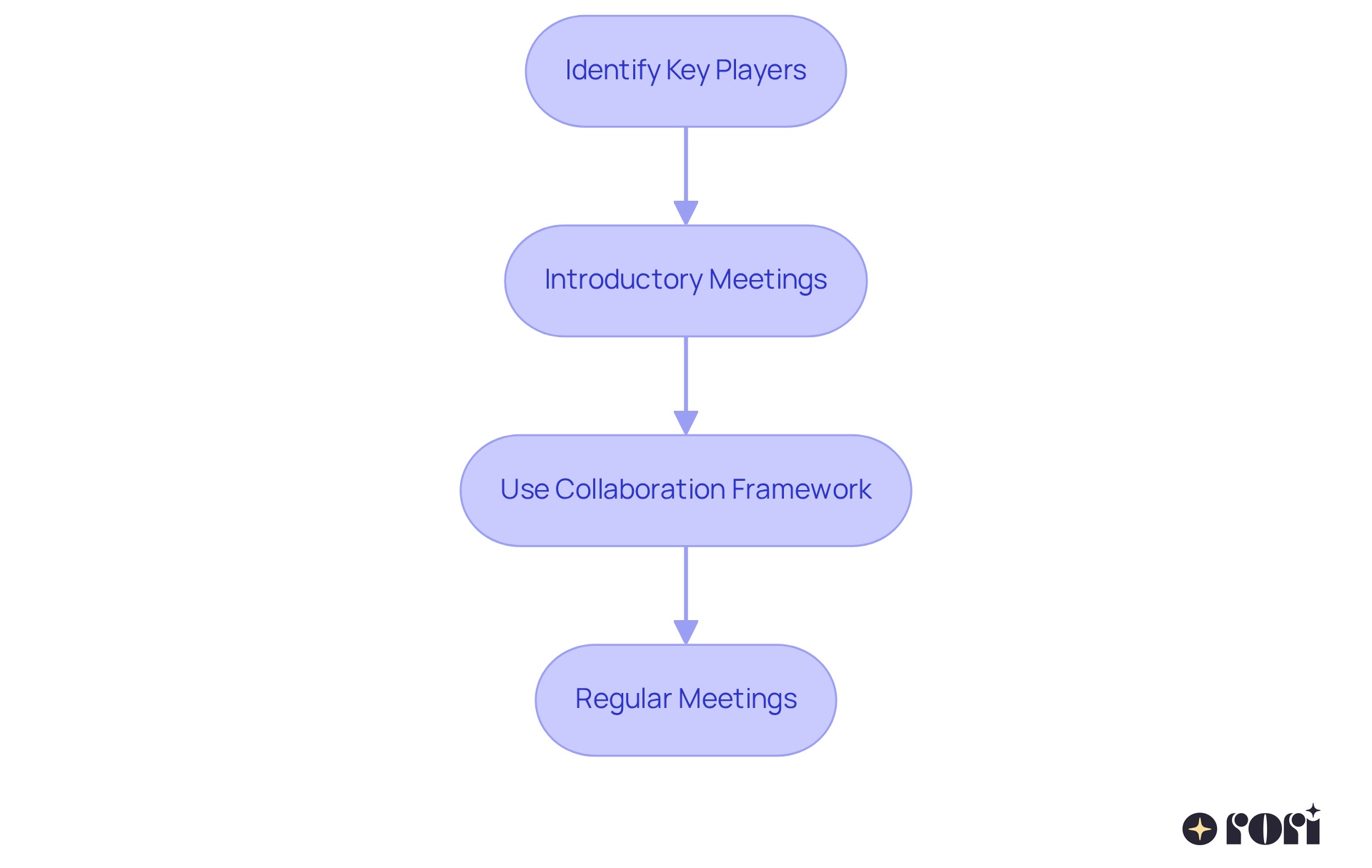
To build between schools and , it’s crucial to recognize key players such as educational leaders and special education instructors. Starting off with some introductory meetings can really help everyone discuss . By using frameworks like the , we can foster mutual respect and clarity about each person’s role.
Regularly scheduled meetings are crucial for and building trust. For example, a school district that benefited from and autism care specialists saw a fantastic 30% boost in student engagement! This was all thanks to the tailored developed through their cooperative efforts. Let’s explore this together!
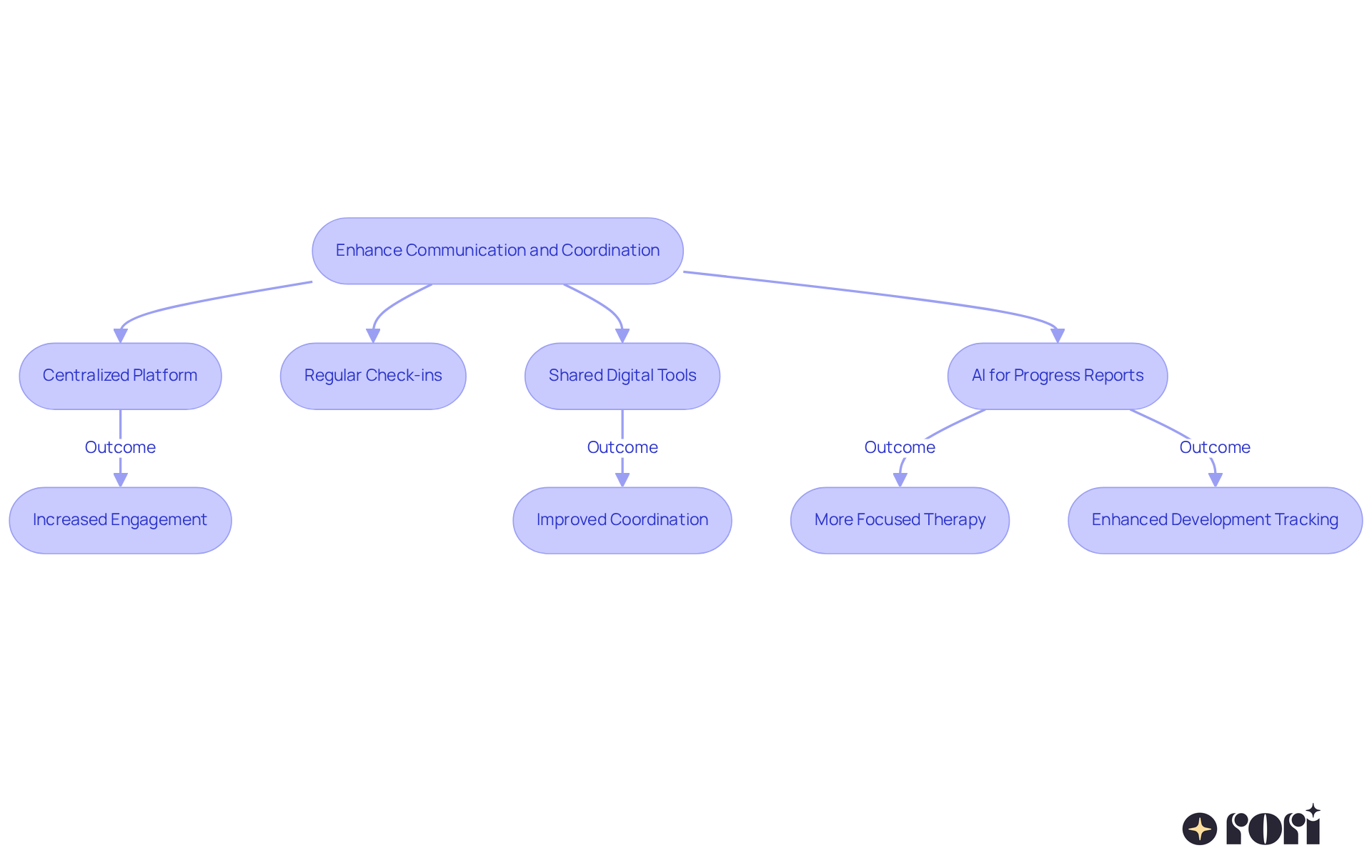
To enhance communication, let’s think about setting up a where everyone involved can easily share updates, resources, and feedback. Regular check-ins, whether in-person or virtual, can really help keep the conversation going. Plus, using tools like shared digital calendars and tracking systems can keep everyone in the loop about the little one’s development.
For instance, Rori Care’s refreshes after each session based on what’s been achieved. This way, caregivers stay . It’s pretty impressive that this method has shown when the recommended hours are fully implemented!
And here’s something exciting: by using , Rori Care frees up 50% more time for child treatment. This means more focused and . One educational institution that adopted a even reported , demonstrating the benefits of , which led to a 40% increase in the consistency of behavioral interventions applied in the classroom.
Let’s explore this together! It’s all about creating a supportive environment for our kids.
Let’s talk about how technology can really make a difference in autism care! By using tools like , collaborative software, and , we can enhance communication and coordination in the . This service is here for individuals of all ages facing or skill deficits, including those with Autism Spectrum Disorders, ADHD, and learning disabilities.
Imagine being able to connect with specialists from the comfort of your home! , which is a game-changer for families in rural or underserved areas. A school district that embraced a telehealth program recently shared a heartwarming story: they saw a 50% ! This boost was thanks to better access to specialists and .
And it doesn’t stop there! Data management systems help track a student’s development, making it easier for educators and therapists to share insights. Rori Care is stepping up the game with , which not only enhances the effectiveness of but also gives caregivers actionable data. This means 50% more time for treatment, allowing everyone to focus on what truly matters.

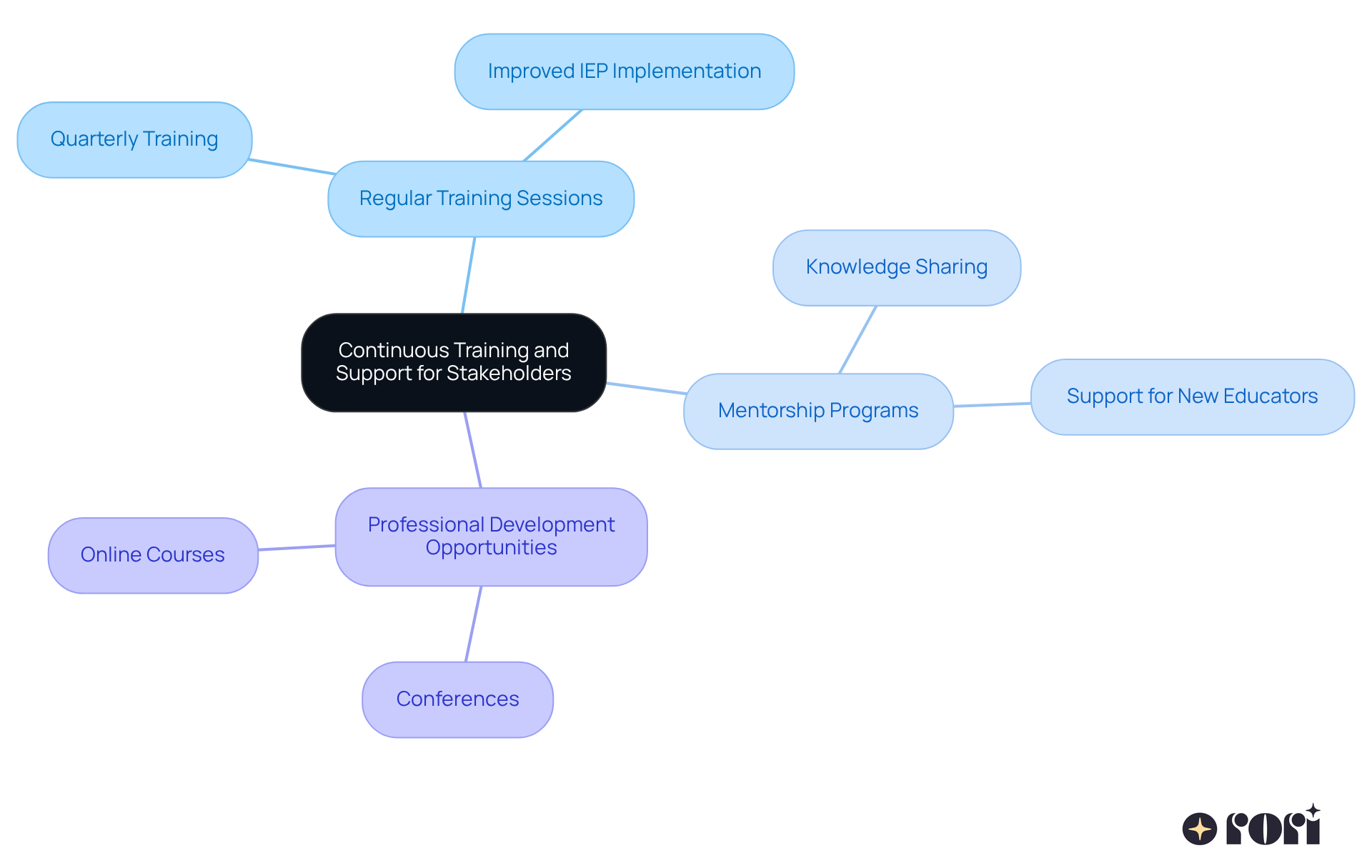
Let’s talk about something really important: and how we can support our kids effectively. At Rori Care, our clinical leadership group is made up of skilled and caring professionals who truly believe in . We’re all about empowering caregivers with and strategies to help their children reach their behavioral goals.
Regular training sessions and workshops can make a world of difference! Imagine a school that started holding . The implementation of improved significantly due to the , leading to better educational outcomes for students with autism. Isn’t that inspiring?
And here’s another idea: ! Pairing experienced staff with newer educators can really foster knowledge sharing and support. This not only enhances caregiver education but also improves .
So, let’s explore this together! Encouraging participation in , like conferences and online courses, is essential. We’re here to help you every step of the way!
Building effective collaborations between schools and autism care specialists is so important for creating a supportive environment for children with autism. When strong partnerships are formed, and technology is utilized, along with ongoing training, everyone involved can really boost educational outcomes and overall well-being for these amazing kids.
Let’s take a look at some key strategies for improving collaboration! Regular communication is crucial, and using centralized platforms for sharing information can make a world of difference. Schools that have embraced these practices have seen remarkable improvements in student engagement and satisfaction. Isn’t that encouraging? It shows just how beneficial interagency cooperation can be!
Ultimately, when we prioritize collaboration between educational institutions and autism care specialists, we’re not just enriching the learning experience for students; we’re also empowering families and caregivers. By embracing these best practices and continuously seeking innovative solutions, we can create immense potential for positive change in autism education outcomes.
Engaging in these efforts can truly pave the way for a brighter future for children with autism, ensuring they receive the support they need to thrive. So, let’s explore this together! We’re here to help you every step of the way!
What is the importance of establishing effective partnerships for interagency collaboration?
Establishing effective partnerships is crucial for building productive collaborations between schools and autism care specialists, which helps in recognizing key players and fostering mutual respect.
Who are the key players involved in interagency collaboration?
The key players include educational leaders and special education instructors.
How can introductory meetings help in collaboration?
Introductory meetings allow participants to discuss shared goals and expectations, laying the groundwork for effective collaboration.
What framework can be used to enhance interagency collaboration?
The Interagency Collaboration Model can be used to foster mutual respect and clarity about each person’s role in the collaboration.
Why are regularly scheduled meetings important?
Regularly scheduled meetings are important for keeping communication open and building trust among collaborators.
What was the outcome of a successful collaboration between schools and autism care specialists?
A school district that collaborated effectively saw a 30% boost in student engagement due to tailored educational strategies developed through their cooperative efforts.