Enhancing collaboration in multidisciplinary autism treatment isn’t just a nice-to-have; it’s essential for providing the best care for our kids on the spectrum. By setting up clear frameworks, defining roles, and involving families, professionals can build a supportive system that really makes a difference in outcomes.
But as the world of autism care changes, how can teams effectively blend their diverse expertise while keeping families actively involved in their child's journey? Let’s explore this together! In this article, we’ll dive into the best practices for collaboration in autism treatment, looking at how teamwork and technology can transform care strategies.
We’re here to help you every step of the way!
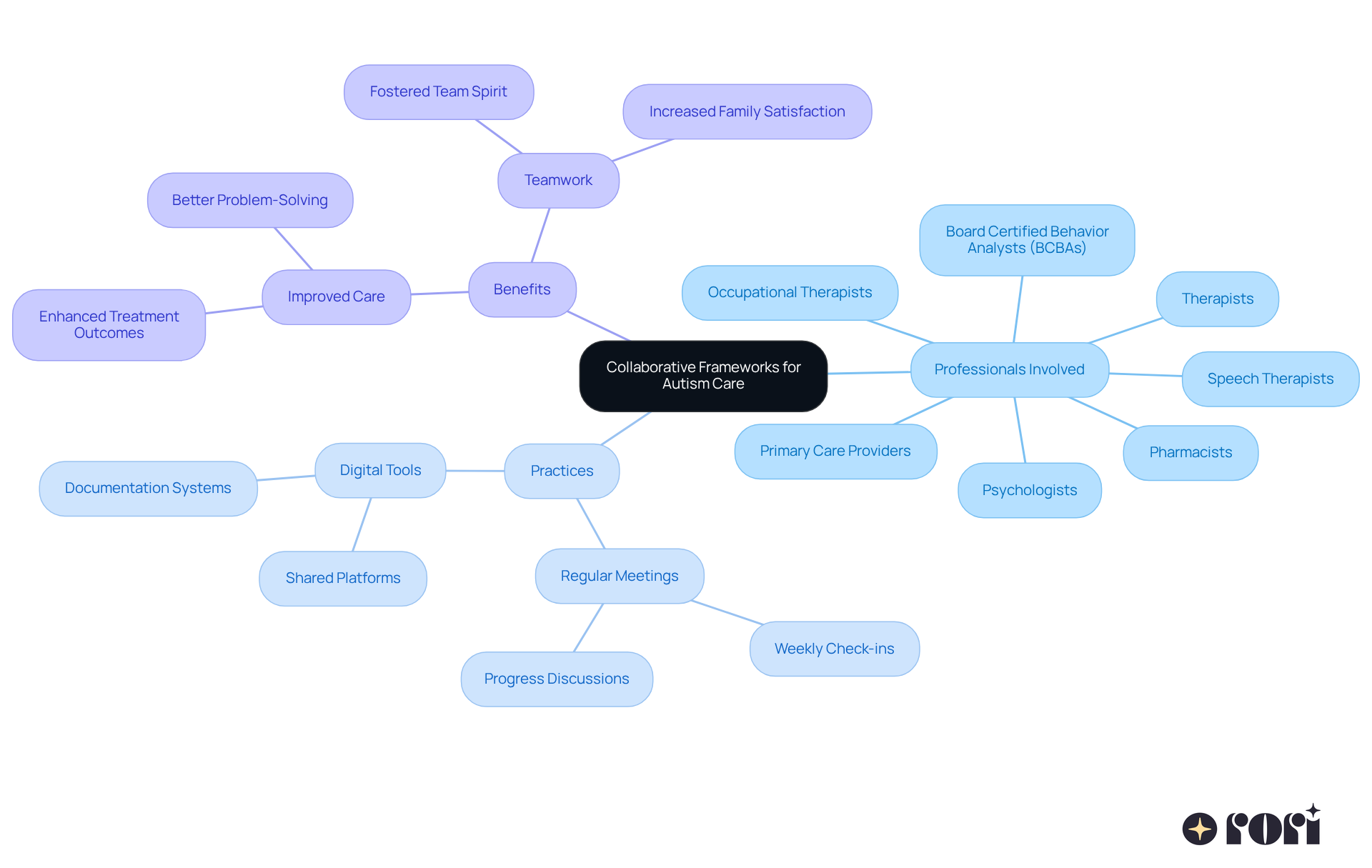
Enhancing collaboration in is crucial, and having a can make all the difference! This framework should outline how professionals like , psychologists, and therapists can work together effectively. Imagine - maybe weekly - where everyone can chat about the young person’s progress. It’s a great chance for team members to share insights and tweak care plans as needed.
Using collaborative tools, like shared digital platforms, really helps . This way, everyone stays on the same page! It’s not just about being organized; it fosters a that can significantly . Research shows that when professionals engage in , the results are improved. Through collaboration in , we can bring together diverse expertise and perspectives to truly support the child’s development and well-being.
Let’s explore this together! Your can make a huge impact!
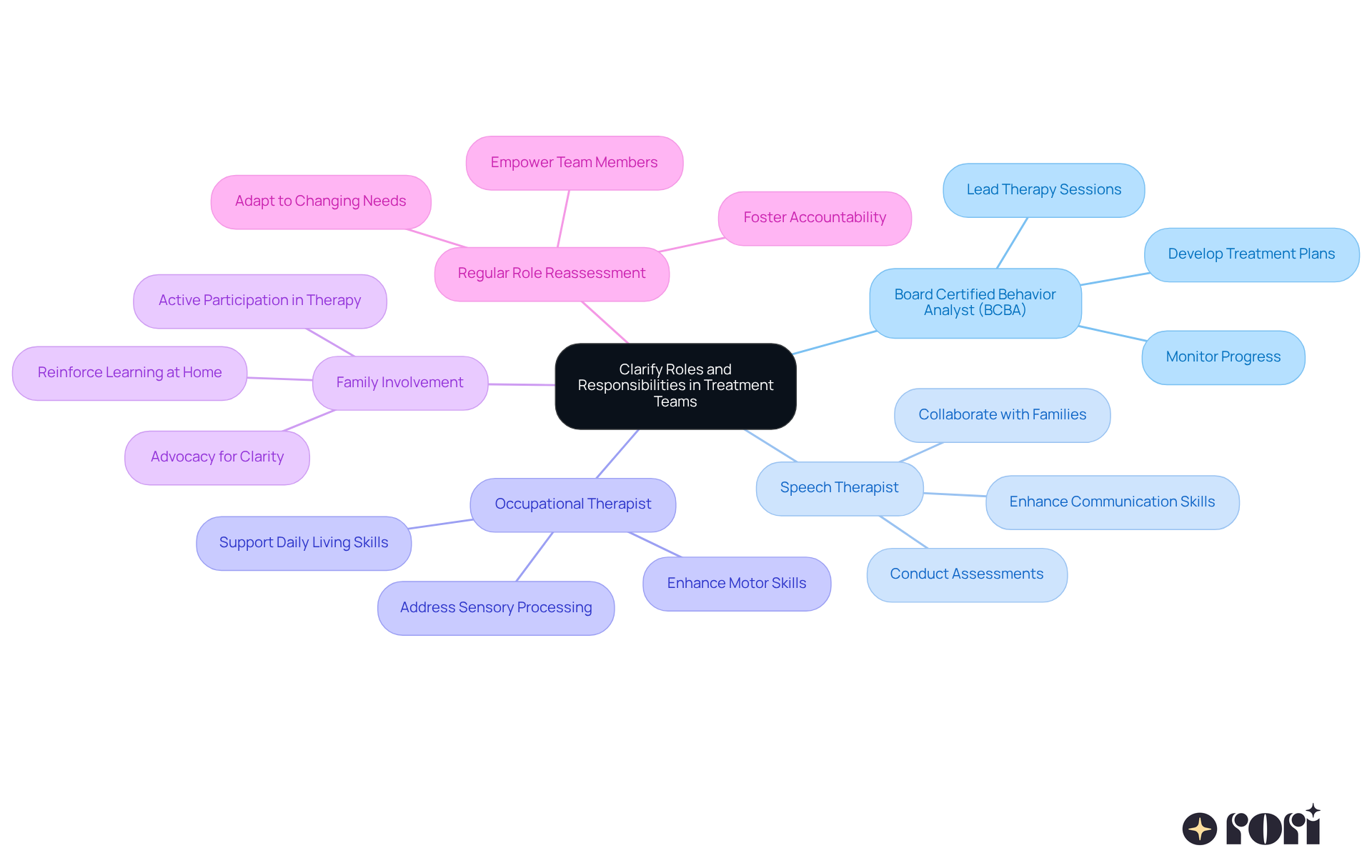
Effective collaboration in is key when it comes to autism care! It all starts with within the care group. For example, a Board Certified Behavior Analyst (BCBA) usually takes the lead in developing the treatment plan, while a speech therapist focuses on . By clearly outlining these roles, everyone can work more efficiently, .
At Rori Care, we’re all about neurodiversity! Our clinical leadership emphasizes a through , tailored to meet each individual’s unique needs. And here’s something encouraging: when recommended hours are fully implemented with active caregiver involvement, about 90% of youngsters show progress! That’s a significant number, right?
The Centers for Disease Control and Prevention (CDC) reports that . This highlights just how crucial really is. It’s important to regularly revisit and update these roles as the individual’s needs change. This not only fosters accountability but also empowers each member to contribute effectively.
An organized approach simplifies the care process and enhances the overall quality of support for young individuals with developmental disorders. Miscommunication or overlapping roles can lead to inefficiencies, so it’s vital for parents to . Let’s explore this together! We’re here to !
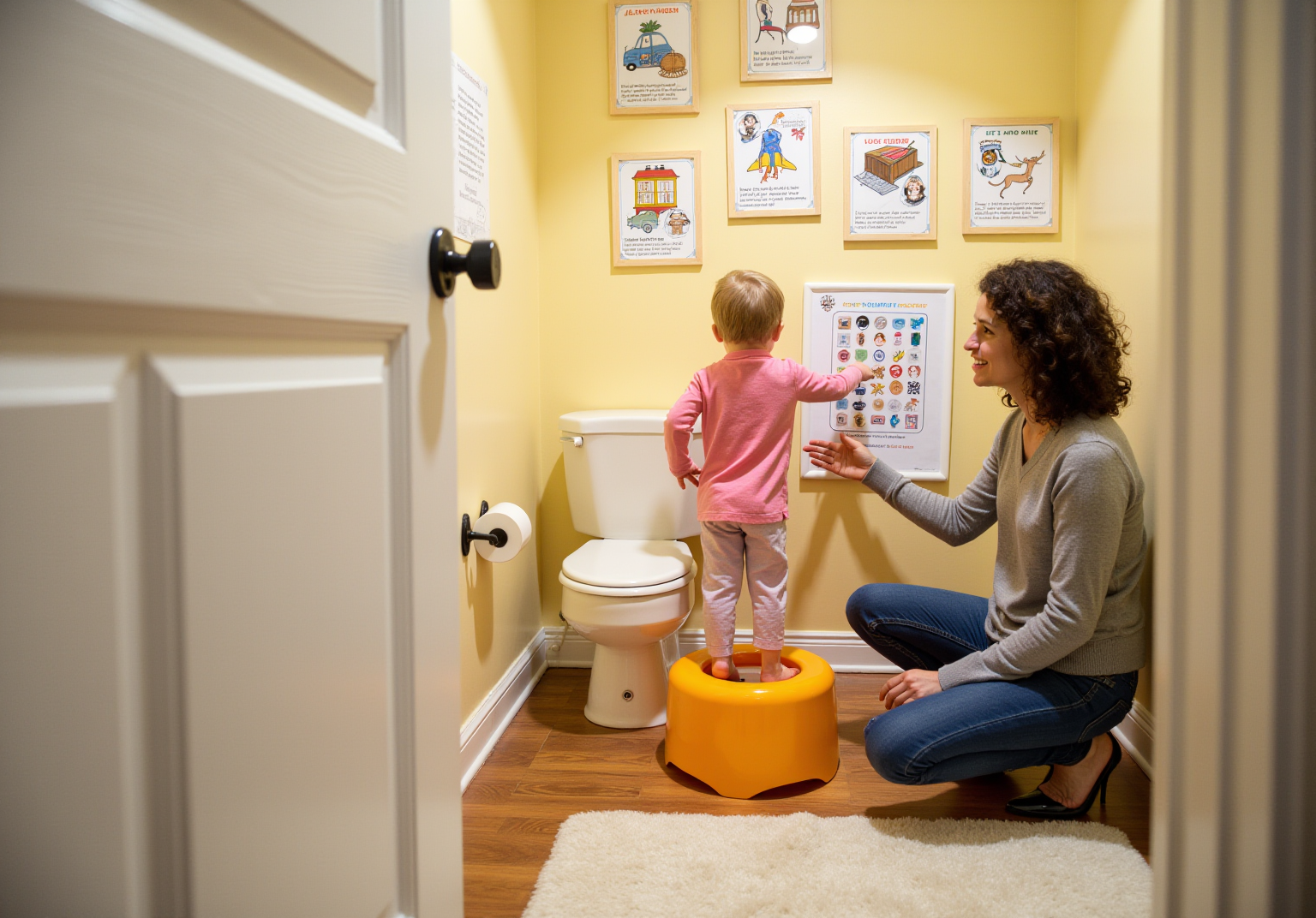
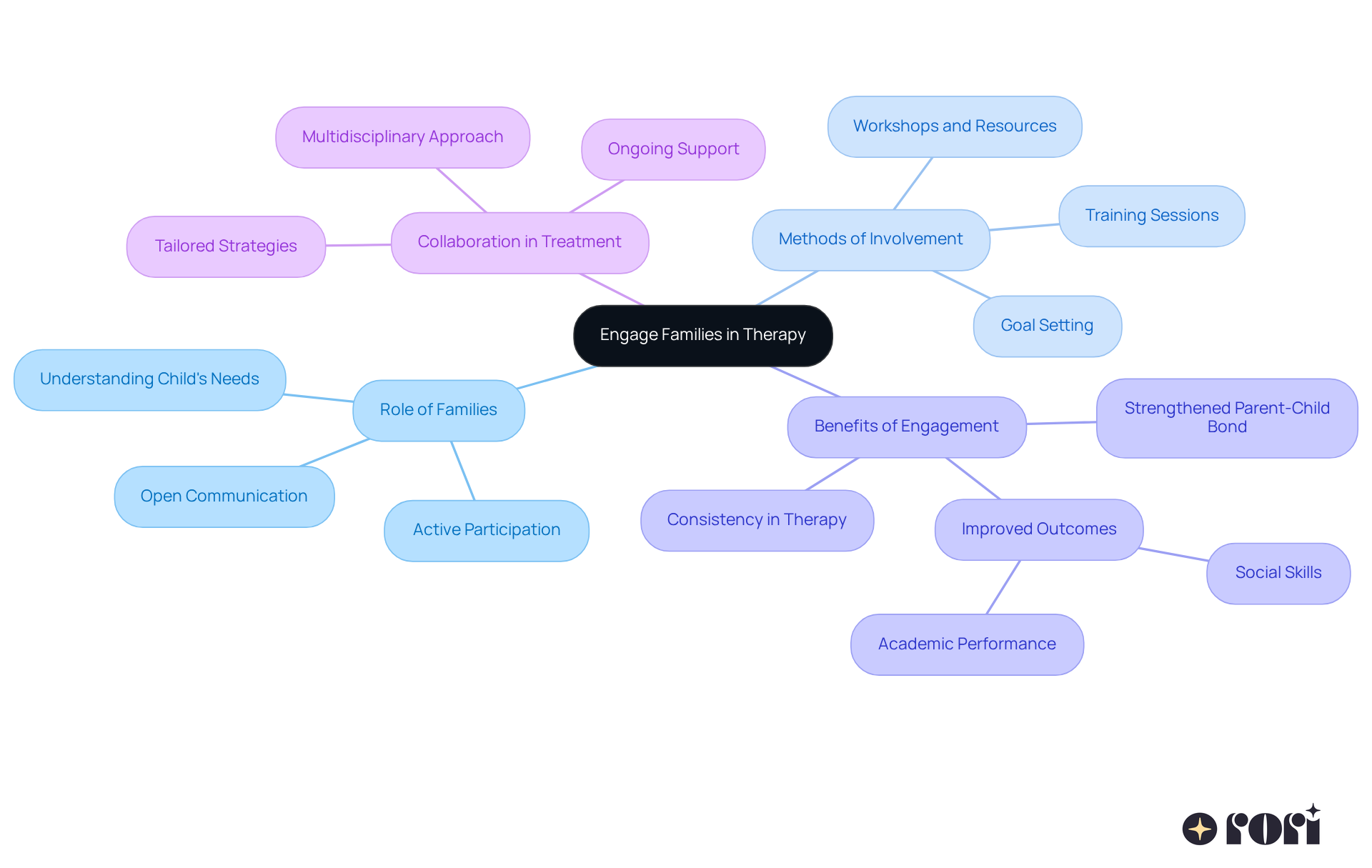
Families play a vital role in autism care, and getting them involved in the therapy process can make a world of difference. By keeping the lines of communication open, offering training sessions, and setting goals together, we can create a . For example, when parents join therapy sessions, they can see firsthand the techniques and strategies that can be used at home. This not only helps them understand their child's needs better but also strengthens that all-important .
to contribute effectively to their child's progress. When parents are , it leads to consistency in applying . Research shows that , which translates to improved overall outcomes. Plus, . Kids with involved parents often reach their goals faster!
By equipping caregivers with a solid understanding of , we help them make informed decisions that positively impact their child's journey. This collaboration in truly unlocks the potential for treating developmental disorders, paving the way for lasting change in children's lives. Let’s explore this together and see how we can support each other on this journey!
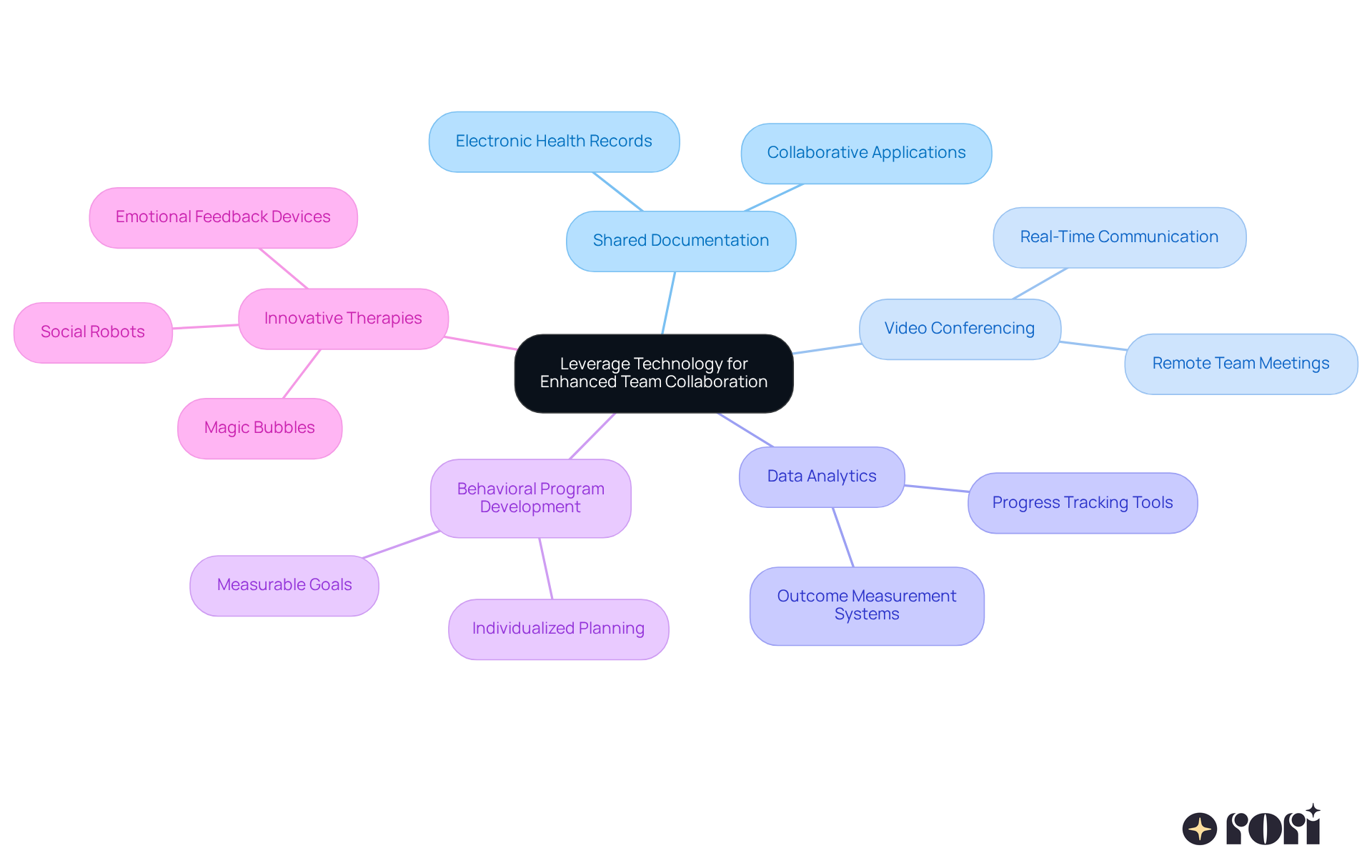
Technology is truly a game-changer for enhancing collaboration in . Imagine a world where everyone involved can access and update vital information in real-time, thanks to shared documentation platforms like electronic health records and collaborative applications. This way, everyone stays in the loop! Plus, , no matter where they are. And let’s not forget about data analytics tools - they're essential for tracking a young person's progress and outcomes, giving us insights that help guide necessary treatment adjustments. By embracing these technological advancements, we not only boost communication and efficiency but also significantly enhance the quality of care for individuals with autism.
At Rori Care, we focus on key elements of , such as individualized planning and measurable goals. Each behavioral plan is crafted to meet the unique needs of the individual, ensuring and clear progress tracking. Our to apply the most effective methods for behavior change. We also prioritize to optimize results based on the individual's progress.
To illustrate the impact of technology, consider a study published in Frontiers in Virtual Reality that introduced 'Magic Bubbles,' an AR environment designed for young individuals with severe learning disabilities on the Autism Spectrum. This innovative therapy combines audio, visual, and tactile elements to create a comforting and interactive space, showcasing how in line with Rori Care's practices.
Moreover, technology-based interventions like social robots and emotional feedback devices are making strides in developing social and communication skills for autistic individuals. An expert noted, ' and responses to different interventions,' which highlights the potential of technology to personalize care. At Rori Care, we harness advanced AI to monitor and prepare progress reports, freeing up 50% more time for treatment. This empowers caregivers with ABA principles and boosts the overall effectiveness of our programs.
However, it’s important to be mindful of common pitfalls when implementing these technologies. Challenges like ensuring adequate training for providers and addressing privacy concerns need to be navigated to maximize the benefits of technology in developmental disability care.
In summary, by effectively leveraging technology, multidisciplinary teams can improve , enhance communication, and ultimately provide better outcomes for children with autism. Let’s explore this together!
Enhancing collaboration in multidisciplinary autism treatment is so important for providing the best care tailored to each child's unique needs. By setting up clear frameworks, defining roles, engaging families, and using technology, professionals can team up more effectively to support the growth and well-being of individuals with autism.
Think about it: structured communication among team members is key. When everyone knows their role, it minimizes overlap and confusion. Plus, involving families in the therapeutic process is crucial. And let’s not forget how technology can streamline collaboration, allowing for real-time updates and data tracking that really boost the quality of care. All these elements come together to improve outcomes for children, showing just how powerful teamwork can be in autism treatment.
Ultimately, fostering collaboration in autism care not only helps the professionals involved but also makes a significant difference in the lives of children and their families. It’s vital for everyone to embrace these practices, advocate for clear communication, and stay open to innovative solutions that can truly change the landscape of autism treatment. By working together, we can create a brighter future for those on the autism spectrum. Let’s explore this journey together!
Why is collaboration important in autism care?
Collaboration is crucial in autism care as it enhances the effectiveness of multidisciplinary treatment, bringing together diverse expertise and perspectives to support the child's development and well-being.
What professionals should be included in the collaborative framework for autism care?
The collaborative framework should include professionals such as Board Certified Behavior Analysts (BCBAs), psychologists, and therapists.
How can professionals effectively communicate in a collaborative framework?
Professionals can communicate effectively by holding regular group meetings, such as weekly discussions, to share insights and discuss the young person's progress.
What tools can help streamline communication and documentation among professionals?
Collaborative tools like shared digital platforms can help streamline communication and documentation, ensuring everyone stays organized and informed.
What are the benefits of using a collaborative framework in autism treatment?
The benefits include improved care through teamwork, enhanced communication, and the ability to adjust care plans based on collective insights, ultimately leading to better outcomes for the young patient.