Enhancing social interactions is so important for nonverbal children with autism. It really lays the groundwork for emotional bonds and effective communication. By using targeted behavioral interventions, caregivers can make a big difference in their child's ability to express needs and feelings, helping them build meaningful connections with peers.
But what strategies truly make a difference on this journey? And how can families actively participate in their child's development? Let’s explore this together! Your involvement can be a game-changer!
Enhancing social interactions in nonverbal children with autism through behavioral interventions is so important for our little ones! They help build emotional bonds and improve communication skills. Enhancing social interactions in nonverbal children with autism through behavioral interventions can significantly help kids in expressing their needs and feelings, which can sometimes be a tough hurdle to overcome. You might notice that children with autism often engage less with others, which makes enhancing social interactions in nonverbal children with autism through behavioral interventions crucial.
Getting involved in community activities can lead to better social skills, more eye contact, and even improved emotional regulation. As parents and caregivers, it’s key to prioritize community engagement. Think about including:
in your routine.
At Rori Care - ABA Therapy, we understand how vital caregiver education is. We provide you with the knowledge and tools to help your child reach their behavioral goals. Through group therapy led by skilled professionals, kids can focus on enhancing social interactions in nonverbal children with autism through behavioral interventions, paving the way for stronger connections and friendships.
Let’s explore this together! Your journey in is important, and we’re here to help you every step of the way!

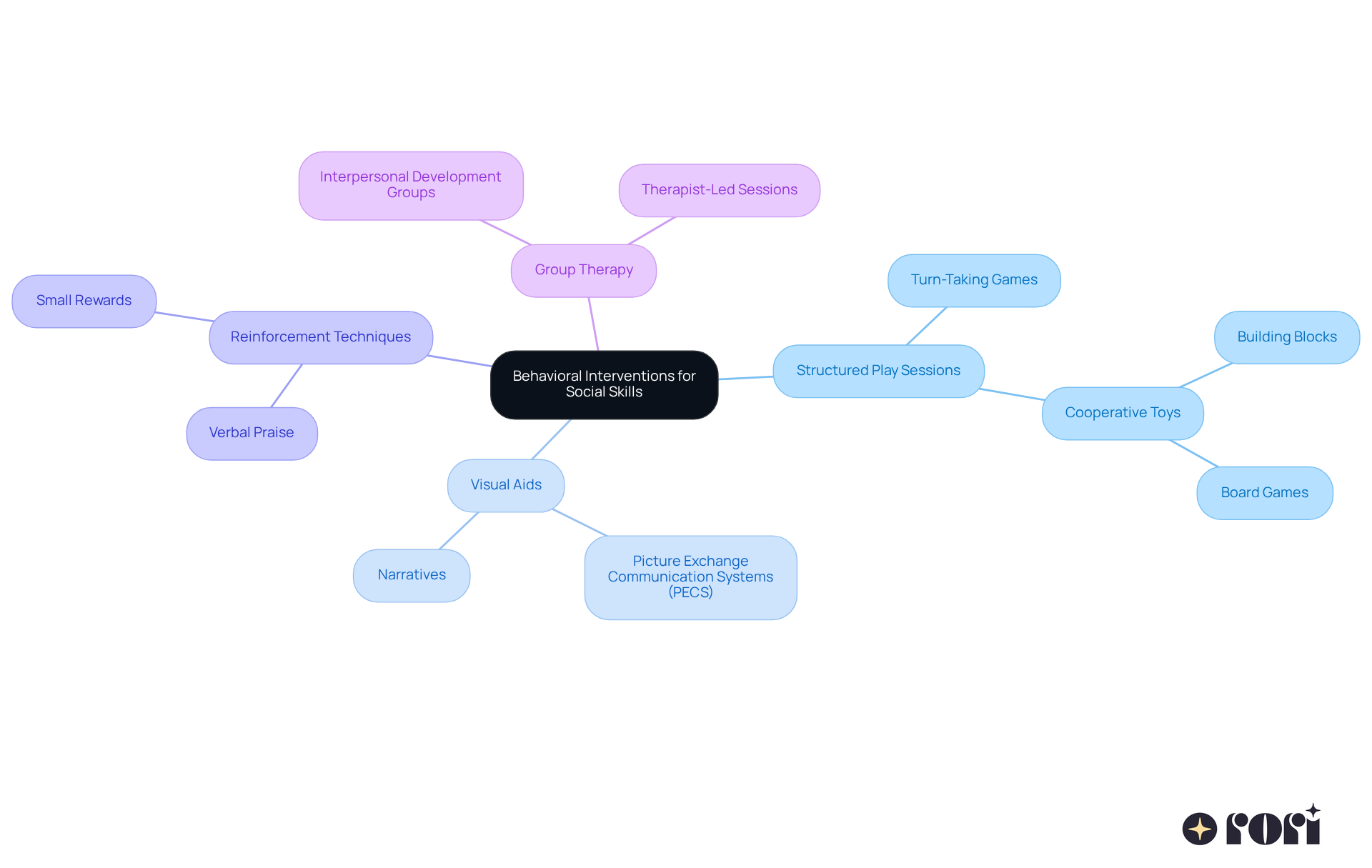
For caregivers, enhancing social interactions in nonverbal children with autism through behavioral interventions can make improving interpersonal skills feel less daunting! One great way to help is by organizing structured play sessions that focus on turn-taking and sharing. Think about using cooperative toys like building blocks or board games - these naturally encourage kids to engage with their peers.
can also make a world of difference! Tools like narratives and picture exchange communication systems (PECS) help youngsters grasp cues and expectations, making interactions feel more approachable. Plus, using reinforcement techniques, like verbal praise or small rewards for successful interactions, can really motivate kids to connect with others.
And don’t forget about the power of group therapy! Regularly organized interpersonal development groups, led by qualified therapists, create a supportive space for practice and feedback. This nurturing environment fosters a sense of community and belonging, which is so important. These groups not only enhance communication skills and boost self-esteem but also play a vital role in enhancing social interactions in nonverbal children with autism through behavioral interventions, making them a fantastic resource for caregivers looking to support their children’s social development.
Let’s explore this together! Remember, you’re not alone in this journey, and there are plenty of resources available to help you every step of the way!
Family participation plays a vital role in enhancing social interactions in nonverbal children with autism through behavioral interventions, helping them improve their interpersonal skills. It’s so important for parents and caregivers to get involved in therapy sessions. By doing so, they can learn effective strategies that really make a difference. Imagine practicing those skills at home - role-playing different situations or using visual tools to boost communication can be a game-changer!
Regular chats between therapists and families are key. They help everyone stay on the same page regarding goals and strategies, creating a unified approach to intervention. Plus, training sessions for families can equip them with the tools they need to support their child’s interpersonal development effectively.
By embracing this collaborative approach, families can create a nurturing environment that supports enhancing social interactions in nonverbal children with autism through behavioral interventions. This not only leads to better interactions with others but also enhances overall developmental outcomes. Let’s explore this together! We’re here to !

To keep improving those all-important interpersonal skills, it’s super helpful to check in on your child’s progress regularly. At Rori Care, we’ve got a neat system in place that gathers data automatically during clinical sessions. This means our clinical team can focus on your loved one without interrupting their therapy for data collection or report writing. Plus, we make sure this data is stored securely, anonymized, and deleted after analysis to keep everything confidential and safe.
Caregivers can really use this data to track how well the young one is interacting and behaving. By setting specific, measurable goals, you can determine if they are making progress in enhancing social interactions in nonverbal children with autism through behavioral interventions. If things seem to slow down, it might be time to shake things up a bit - maybe introduce some new activities or tweak the ones they already enjoy to better match their interests and learning style.
Regular feedback sessions with therapists can provide valuable insights into your child’s development, which is crucial for enhancing social interactions in nonverbal children with autism through behavioral interventions and helping to fine-tune the intervention plan. This ongoing process ensures that your child gets the . Let’s explore this together and make sure they’re on the right path!

Enhancing social interactions for nonverbal children with autism is such an important journey! It can truly make a difference in their emotional and communicative abilities. By focusing on behavioral interventions, caregivers can create wonderful opportunities for these kids to express their needs and feelings more effectively. This, in turn, helps them build deeper connections with others.
There are several strategies that can help achieve this goal. Think about:
These are also key components for nurturing social skills. Plus, regularly monitoring progress and adapting strategies ensures that interventions stay effective and tailored to each child's unique needs.
Ultimately, the journey to enhance social interactions for nonverbal children with autism requires patience, dedication, and teamwork. By embracing these strategies and actively participating in the intervention process, families can create a supportive environment that promotes social development. This not only benefits the child but also enriches the entire family dynamic, paving the way for a brighter, more connected future.
Let’s explore this together! Remember, you’re not alone in this journey, and we’re here to help you every step of the way!
Why is enhancing social interactions important for nonverbal children with autism?
Enhancing social interactions is crucial for nonverbal children with autism as it helps build emotional bonds, improve communication skills, and enables them to express their needs and feelings.
How can community activities benefit nonverbal children with autism?
Community activities can lead to better social skills, increased eye contact, and improved emotional regulation for nonverbal children with autism.
What types of activities can parents include to enhance social interactions?
Parents can include playdates, group activities, and organized social development sessions in their routine to enhance social interactions.
What role does caregiver education play in supporting nonverbal children with autism?
Caregiver education is vital as it provides parents and caregivers with the knowledge and tools needed to help their child reach their behavioral goals.
How does Rori Care - ABA Therapy support children with autism?
Rori Care - ABA Therapy supports children through group therapy led by skilled professionals, focusing on enhancing social interactions and fostering stronger connections and friendships.