Role-playing exercises have become a fantastic way to boost social skills for individuals with autism. By immersing young people in real-life scenarios, these exercises not only help with communication but also nurture empathy and emotional understanding in a safe space. As caregivers and professionals work to empower these individuals, you might wonder: how can we tailor these role-playing techniques to truly maximize their social success?
Exploring this approach opens up a world of possibilities for building confidence and interpersonal skills. Imagine your child feeling more at ease in social situations, transforming their interactions with peers. Let’s dive into how these exercises can make a real difference!
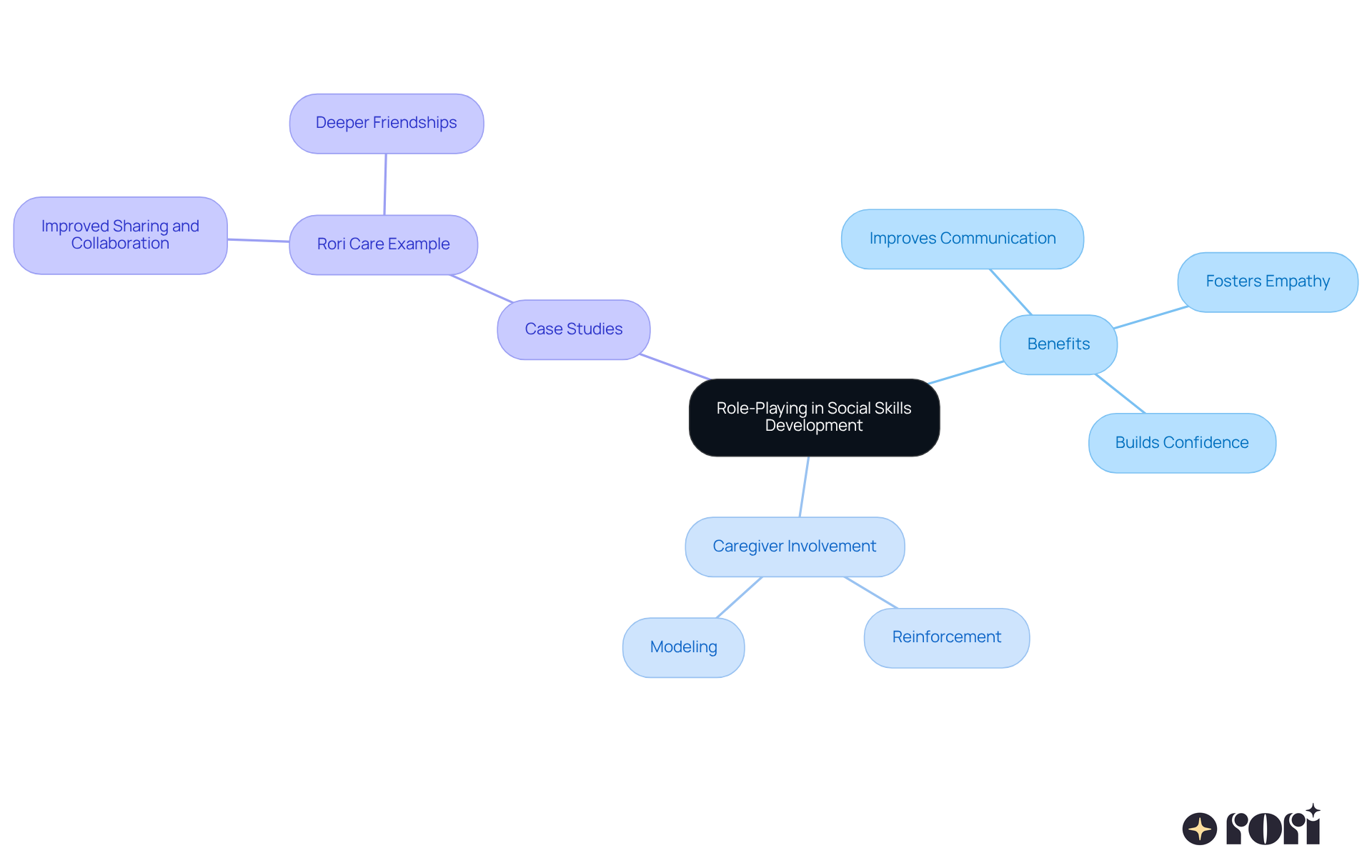
are a fantastic and interactive way for young individuals with autism to in a nurturing environment. Imagine them stepping into simulated interactions that mirror real-life situations - like greeting friends, sharing toys, or even resolving little conflicts. By acting out these scenarios, they can really start to see things from different perspectives, which helps foster empathy and boost their communication skills.
Research shows that engaging in can lead to . It’s a vital part of ! Psychologists emphasize that this approach not only aids in skill development but also builds confidence, empowering young individuals to navigate social settings more successfully.
And let’s not forget the role of caregivers! When they actively participate, using , it really enhances the effectiveness of these interactions. can offer consistent support at home, complementing professional help and leading to better behavioral outcomes.
Take, for example, a case study from Rori Care - ABA Therapy. It highlighted a young individual who, through regular interactive sessions and caregiver involvement, improved their ability to share and collaborate with peers, leading to deeper friendships. So, it’s clear that role-playing exercises for improving social communication in autism are a key approach for . Let’s explore this together!
When it comes to using for improving , starting with scenarios that mirror everyday experiences is key. This relevance really helps keep kids engaged and makes learning feel more natural. , like cue cards or illustrations, can guide young participants through the role-play. This way, the process feels less intimidating and more structured. You might want to kick things off with simple interactions, like greetings or sharing, and then gradually introduce more complex situations as they gain confidence and comfort.
Encouraging kids to share their feelings and thoughts during role-play is so important. It helps them build . Plus, giving prompt feedback can really reinforce positive behaviors and help them understand the nuances of social interactions. And let’s not forget to sprinkle in some fun! can .
Research shows that acting out scenarios can by as much as 40%! Many kids show better communication and behavior when they regularly engage in these activities. Success stories from various programs highlight how tailored in autism can enhance social skills and emotional growth, making this approach a fantastic resource for both parents and therapists.
So, let’s explore this together! If you’re looking for ways to support your child, consider incorporating in autism into your routine. We’re here to help you every step of the way!

are a fantastic way to help kids ! By acting out real-life situations, young ones can practice starting conversations, picking up on social cues, and responding appropriately in different contexts. This fun method not only boosts their social skills but also helps them . In a safe environment, kids learn how to handle their feelings, which is super important for getting along with others.
Did you know that about 70% of kids who regularly engage in imaginative play show real improvements in their behavior and communication? Plus, acting out scenarios can enhance interaction skills in these youngsters by up to 40%! This means they can . Case studies show that help and increase emotional awareness, allowing kids to recognize and express their feelings more effectively.
At Rori Care, our clinical leadership team is all about . We believe that , such as role-playing exercises for improving social communication in autism, empower kids by helping them build resilience and adaptability in their social settings. And let’s not forget about the vital role of ! It’s essential for parents to have the right tools and knowledge to reinforce these skills at home.
Let’s explore this together! We’re here to help you every step of the way!

When tailoring role-playing exercises for to fit personal needs, it’s all about understanding the individual. Start by looking at their strengths, interests, and areas where they might want to grow. This is at the heart of Rori Care’s ABA therapy.
Collaborating with the young person is key! Let them choose scenarios that resonate with them, making sure they feel invested in the process. Adjust the difficulty of the in autism to match their abilities, and don’t forget to weave in their favorite themes or characters. This personal touch really boosts their involvement.
Why is this so important? Well, is seen in 90% of youngsters when the suggested hours are fully applied with . Regularly checking in on the child's progress is essential, too. Adjust the scenarios as needed to keep challenging them while providing the support they need. This empowers them to through . Let’s explore this together!

Engaging in role-playing exercises to improve social communication in autism is a fantastic way to help young individuals build essential social skills. When kids step into the shoes of different characters and navigate fun, simulated interactions, they not only practice their communication but also develop empathy and confidence-two key ingredients for their social growth.
This approach really shines in several ways. It highlights how effective role-playing can be in boosting communication skills, emotional awareness, and overall behavior. With caregivers actively involved, tailored scenarios, and structured techniques, children can see real improvements in their social interactions. Just think about the success stories that show how these exercises can lead to meaningful relationships and emotional growth!
The importance of role-playing in developing social skills truly can’t be overstated. It’s a vital tool for both kids and caregivers, creating a collaborative environment where skills can thrive. By embracing these techniques, families can empower young individuals to navigate their social worlds with greater ease and confidence. Let’s explore this together and pave the way for a brighter future filled with connection and understanding!
What is the purpose of role-playing exercises in social skills development for individuals with autism?
Role-playing exercises aim to improve social communication skills in individuals with autism by simulating real-life interactions, helping them build interpersonal skills in a nurturing environment.
How do role-playing exercises benefit young individuals with autism?
These exercises foster empathy, boost communication skills, and allow individuals to see things from different perspectives, leading to significant improvements in their interactions with others.
Why is caregiver involvement important in role-playing exercises?
Caregiver involvement enhances the effectiveness of role-playing by providing consistent support at home, using techniques like reinforcement and modeling, which complement professional help and lead to better behavioral outcomes.
Can you provide an example of the effectiveness of role-playing in social skills development?
A case study from Rori Care - ABA Therapy demonstrated that a young individual improved their ability to share and collaborate with peers through regular interactive sessions and caregiver involvement, resulting in deeper friendships.
What do psychologists say about the role of role-playing in autism treatment?
Psychologists emphasize that role-playing is a vital part of effective autism treatment, as it aids in skill development and builds confidence, empowering individuals to navigate social settings more successfully.