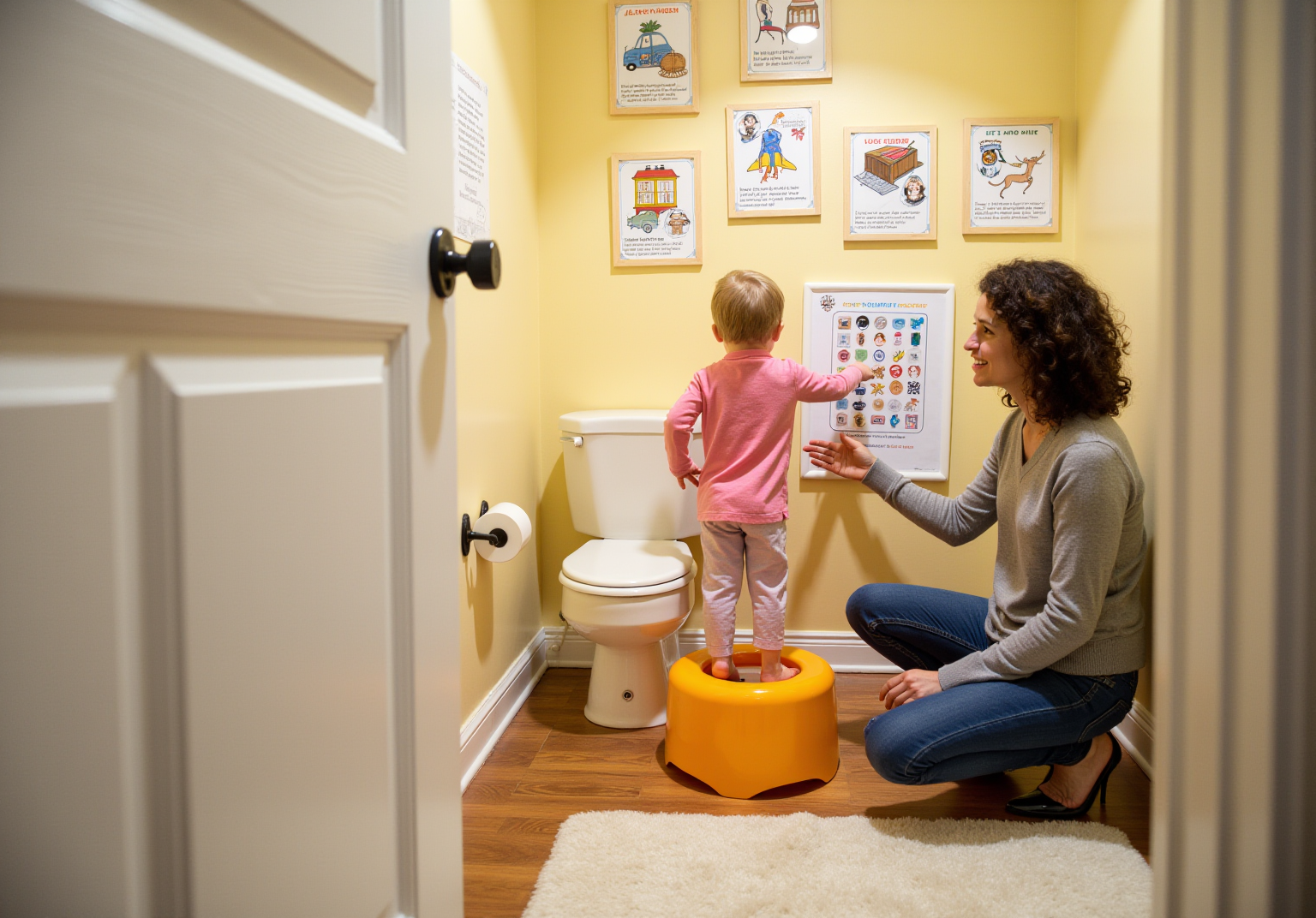
Parental involvement in Applied Behavior Analysis (ABA) therapy isn’t just beneficial; it’s essential for helping your child reach their full potential. Research shows that when parents actively engage in their child’s therapeutic journey, the outcomes can improve dramatically. This engagement fosters skill development and independence, which is what we all want for our kids, right?
But many caregivers might wonder: how can they effectively participate in this process? This article dives into key practices that empower parents to enhance ABA therapy, transforming you into a vital ally in your child’s growth and progress. Let’s explore this together!
is absolutely essential for to maximize the effectiveness of the treatment. The results can be truly remarkable when parents are involved in enhancing ABA therapy through active parental participation in their child’s therapy. This means , joining in on sessions, and reinforcing what’s learned at home. Research shows that enhancing ABA therapy through active parental participation helps kids develop skills faster and gain more independence. Plus, enhancing ABA therapy through active parental participation creates a where .
Benefits of :
By embracing their vital role, caregivers can become empowered allies in enhancing ABA therapy through active parental participation, ensuring that the benefits of treatment extend beyond the clinic and into everyday life. Let’s explore this together!

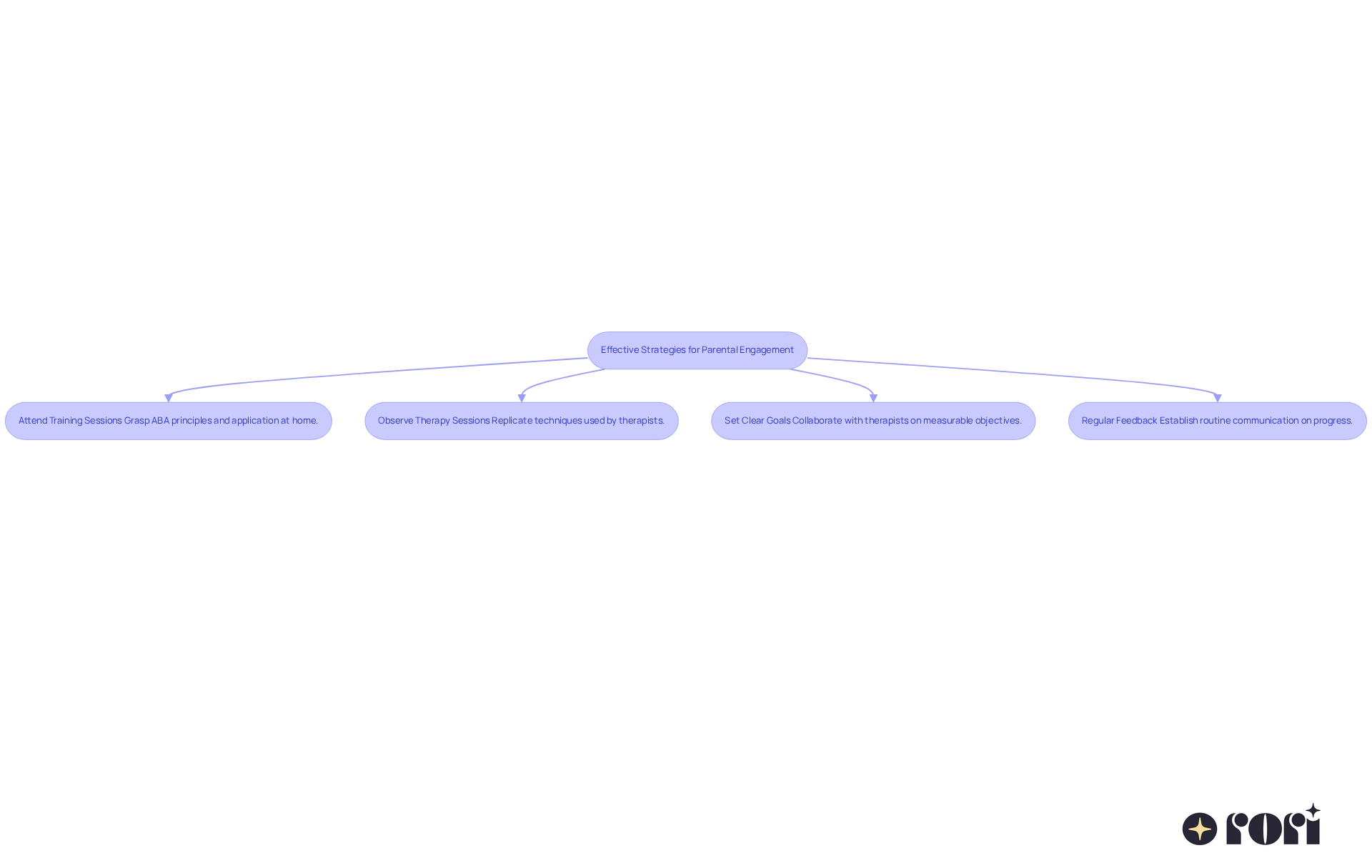
To promote in ABA intervention, let’s explore some strategies that can really make a difference:
By applying these strategies, you not only boost parental engagement but also support enhancing ABA therapy through . We’re here to !
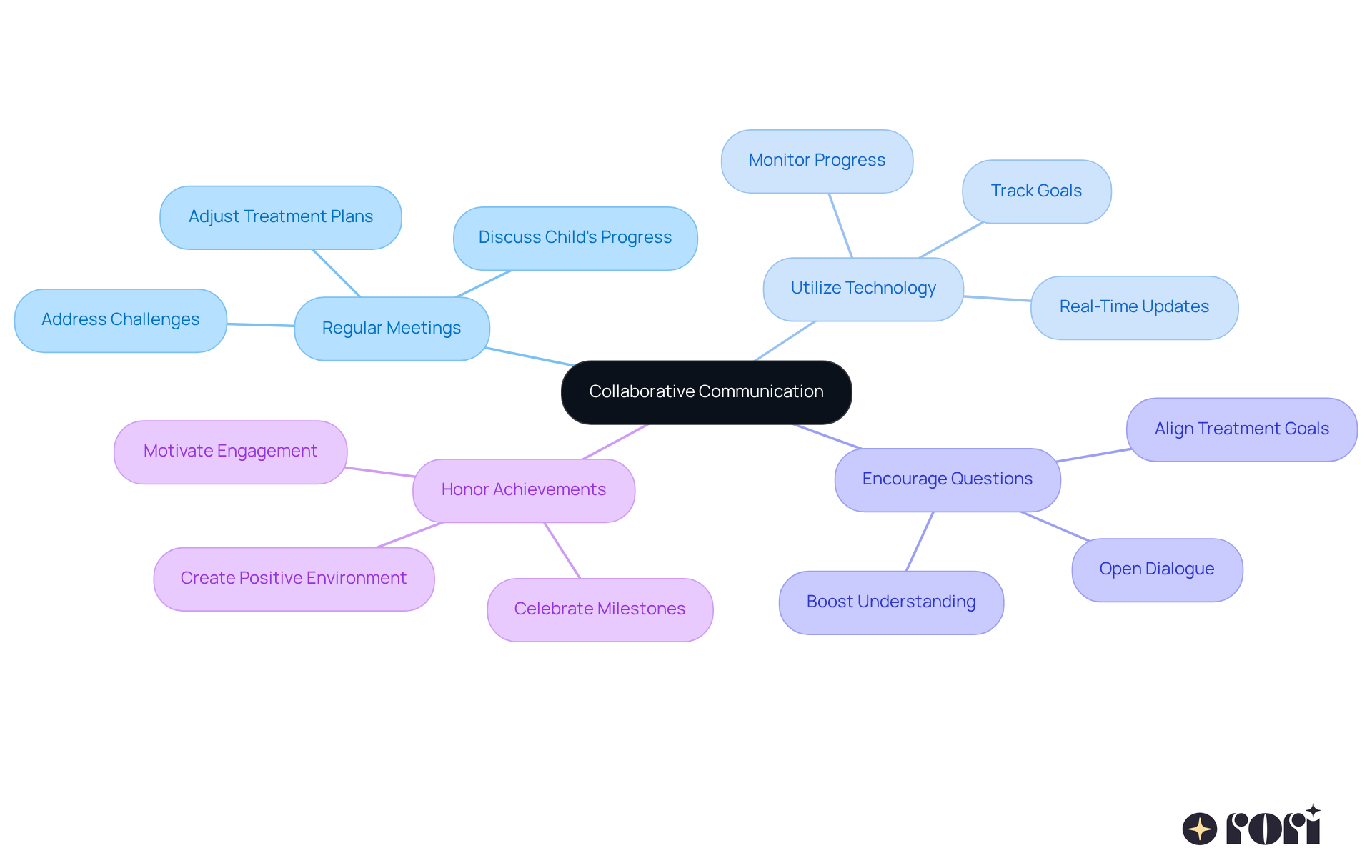
A solid communication framework between parents and therapists is essential for through . Let’s dive into some friendly practices that can really enhance collaboration:
By focusing on and [enhancing ABA therapy](https://rori.care/services/caregiver-education) through active parental participation, you and your therapist can work together more efficiently to support your child’s development. Remember, we’re here to help you every step of the way!
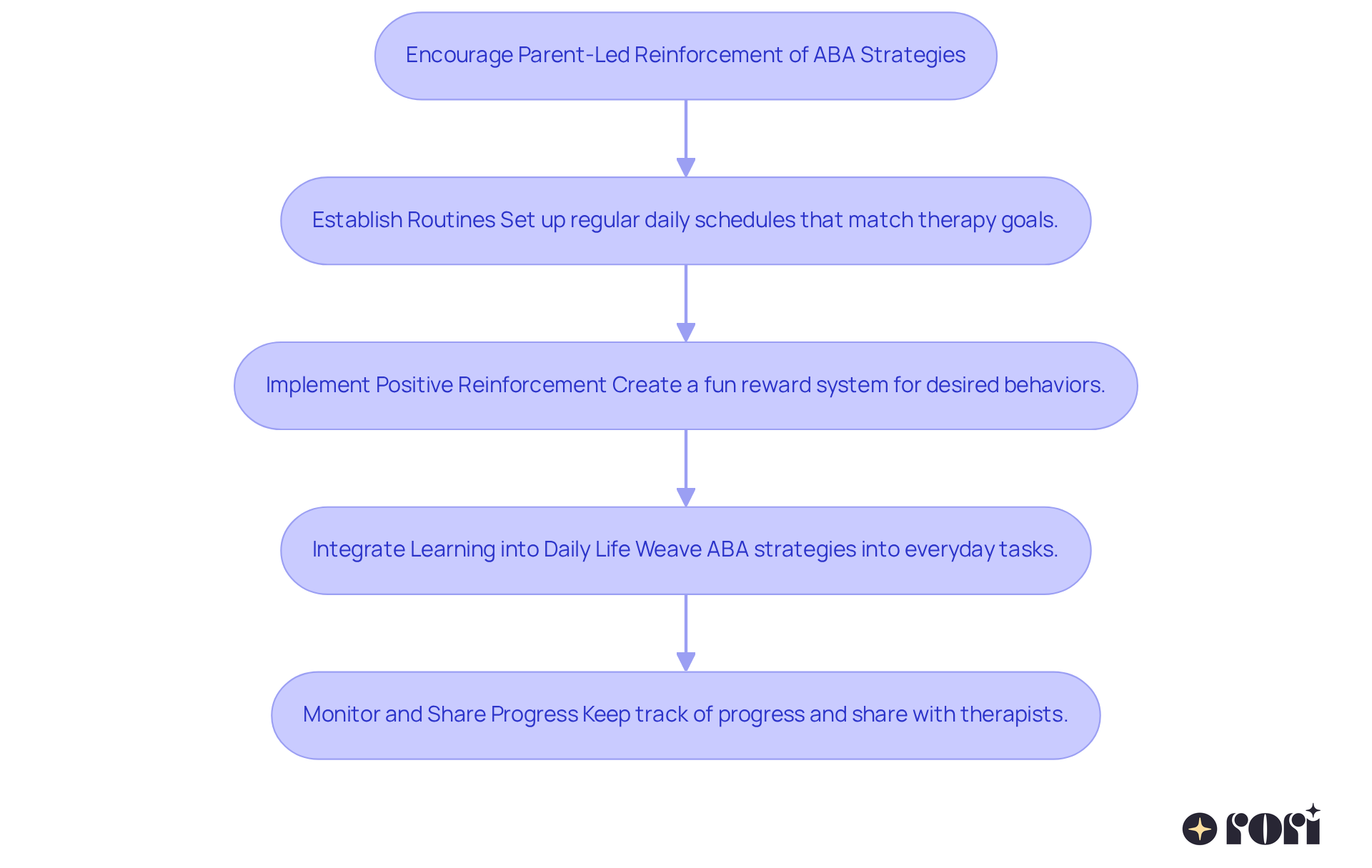
To truly maximize the benefits of ABA interventions, enhancing ABA therapy through is extremely helpful for parents to reinforce strategies at home. can really ! Here are some to get you started:
By getting involved in your child’s learning and creating structured environments, you can support enhancing ABA therapy through active parental participation. Together, we can and independence! Let’s explore this journey together!
Parental engagement in ABA therapy is truly a cornerstone for making interventions more effective for children with behavioral challenges. When parents actively participate in their child's therapy, they not only gain valuable insights into treatment goals but also create a supportive environment that helps carry those lessons into daily life. This teamwork can lead to amazing improvements in skills and independence for children, showing just how vital parents are in the therapeutic journey.
Throughout our discussion, we've highlighted some key strategies to boost parental involvement. Think about:
Each of these practices helps create a more unified approach to therapy, allowing for informed decisions and consistent reinforcement of strategies at home. Plus, the benefits of caregiver education really shine a light on how engaged parents can positively impact their child’s behavioral outcomes.
Ultimately, we can’t stress enough how important active parental participation in ABA therapy is. By embracing this role, parents can turn their involvement into a powerful partnership with therapists, ensuring that the strategies and skills learned in therapy are reinforced in everyday situations. This not only enriches the child's learning experience but also empowers families to cultivate a nurturing environment that promotes growth and independence. The journey of enhancing ABA therapy through active parental participation is a collaborative one, and every step taken together can lead to significant progress for children and their families. Let’s explore this together!
Why is parental involvement important in ABA therapy?
Parental involvement is essential in ABA therapy as it enhances the effectiveness of treatment, helps children develop skills faster, and promotes greater independence.
How can parents actively participate in their child's ABA therapy?
Parents can actively participate by understanding treatment goals, joining in on therapy sessions, and reinforcing what their child learns at home.
What are the benefits of caregiver education in ABA therapy?
Caregiver education provides enhanced support, informed decision-making, improved behavioral outcomes, and empowers caregivers with confidence and skills.
How does active parental participation impact a child's development?
Active parental participation leads to faster skill development and greater independence for the child, as it creates a collaborative atmosphere for practicing skills in various settings.
What role do caregivers play in the success of ABA therapy?
Caregivers play a vital role as empowered allies, ensuring that the benefits of ABA therapy extend beyond the clinical setting into everyday life.