Visual aids have become a vital part of educating children with autism, turning traditional teaching methods into engaging and effective experiences. By focusing on the visual strengths of these learners, educators can boost communication, ease anxiety, and promote independence. But here’s the question: how can educators and caregivers make the most of these tools?
Let’s dive into the different types of visual aids, explore practical strategies for using them, and look at the positive outcomes that can truly transform autism education for the better. Together, we can navigate this journey!
Visual supports play a crucial role in enhancing autism education with visual aids! They really tap into the sight-based strengths of many kids on the autism spectrum, enhancing autism education with visual aids for those with ADHD and other learning challenges. Research shows that enhancing autism education with visual aids can help reduce challenging behaviors, boost social interactions, and improve learning outcomes. For instance, studies reveal that 87% of individuals using schedules see better task completion and fewer problem behaviors within just the first month of using them.
Enhancing autism education with visual aids involves providing clear, visual representations of ideas that help young learners understand their environment and express their needs more effectively. Did you know that enhancing autism education with visual aids can help about 90% of people with autism learn best through images? That’s why enhancing autism education with visual aids is crucial for effective education! Enhancing autism education with visual aids, such as picture schedules, can really help kids anticipate transitions and ease anxiety, creating a sense of safety and control over their daily routines.
Understanding these benefits, as well as the significance of enhancing autism education with visual aids to meet each child's unique needs, is the first step in effectively using these resources in educational settings. Plus, when caregivers are equipped with ABA principles and strategies, they can better support their children's behavioral goals. This ensures a consistent and nurturing environment that maximizes the effectiveness of these interventions. Let’s explore this together!
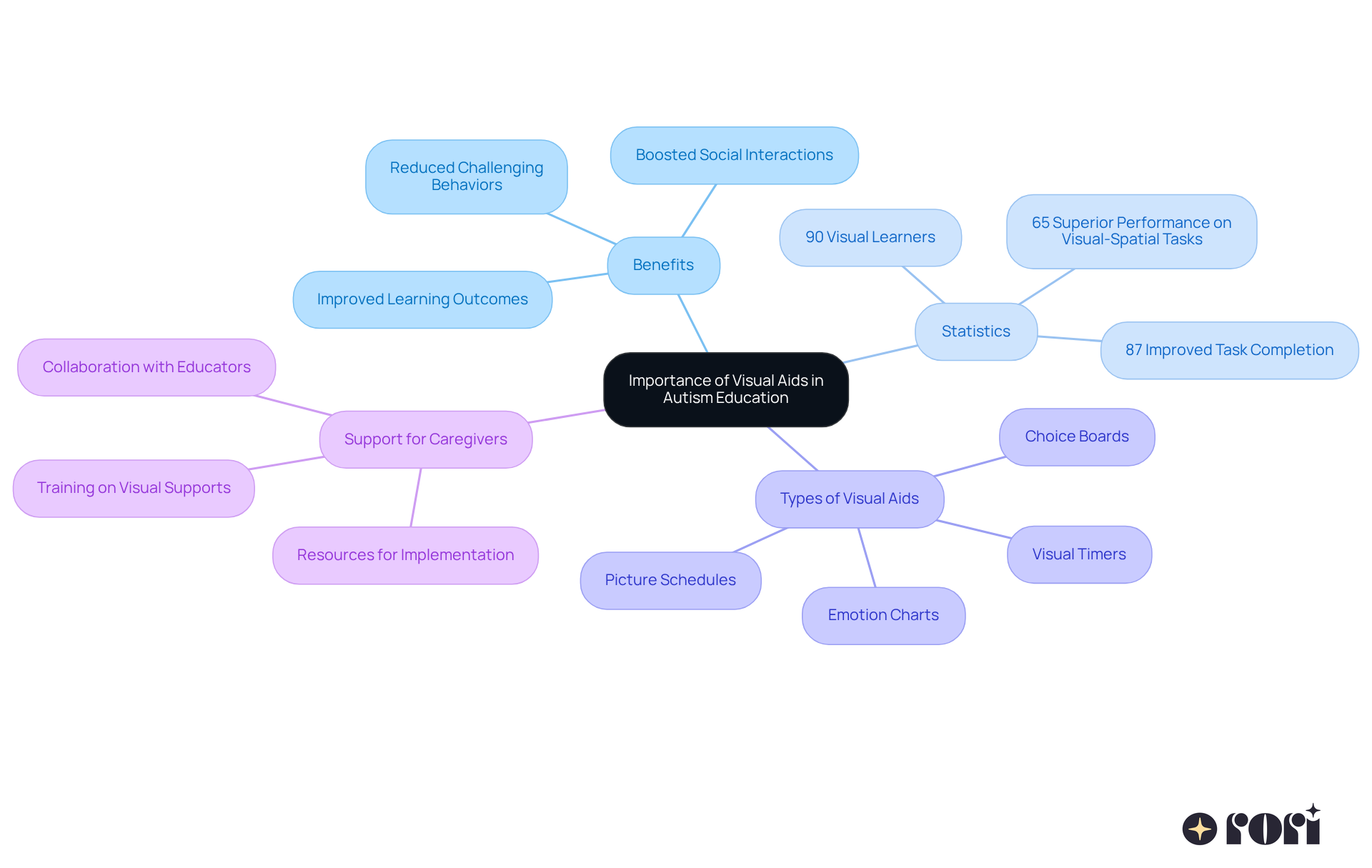
Enhancing autism education with visual aids is truly essential, as effective graphic aids offer structured support that meets the unique needs of our youngsters. Let’s take a look at some key types:
Effectively using these instructional tools plays a crucial role in enhancing autism education with visual aids, creating a supportive educational atmosphere that allows individuals with autism to thrive both academically and socially. Let’s explore this together!
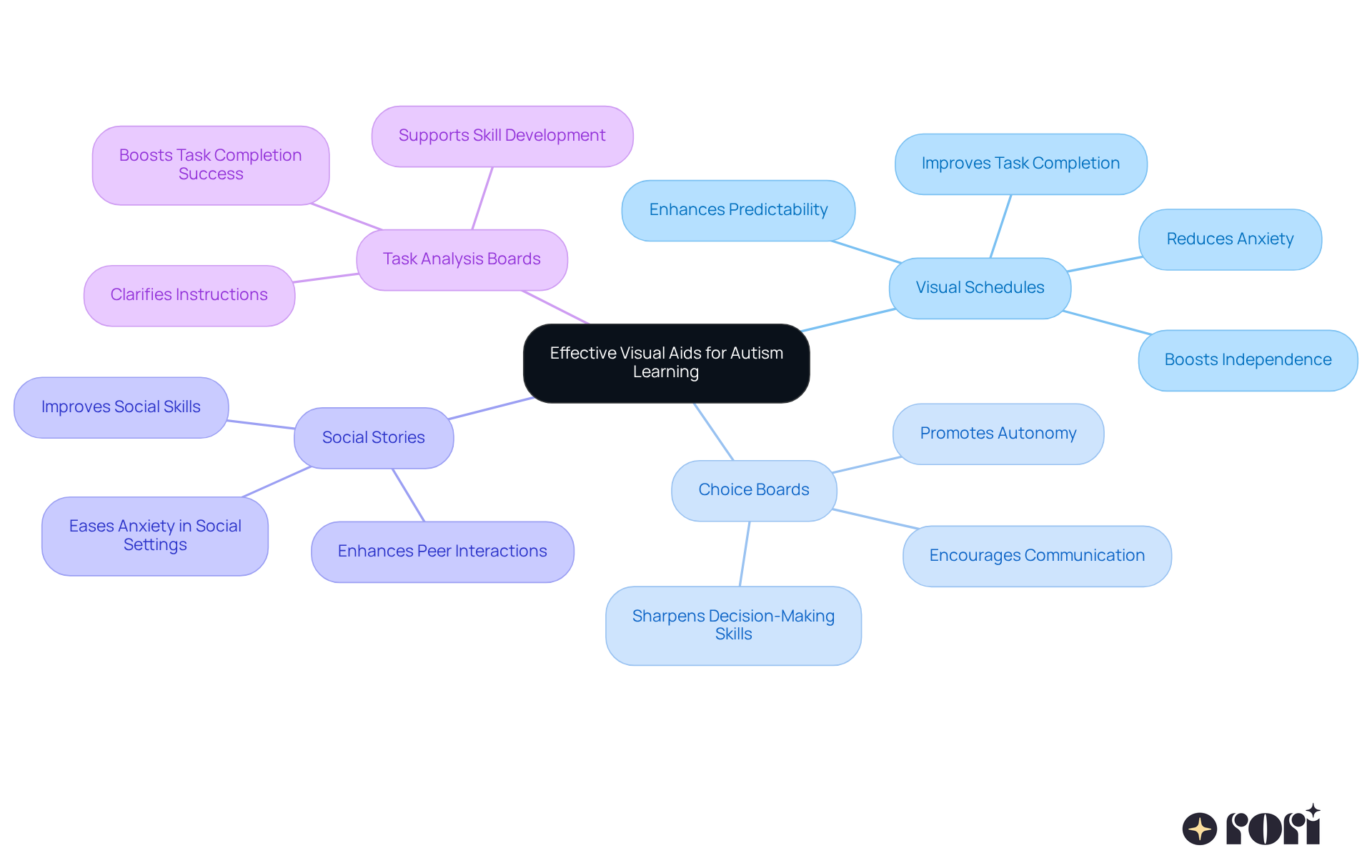
To effectively use visual aids in educational settings, let’s explore some friendly strategies together:
By embracing these strategies, educators and parents can create a more effective educational environment, enhancing autism education with visual aids to truly harness the power of visual supports. Let’s make learning fun and engaging together!
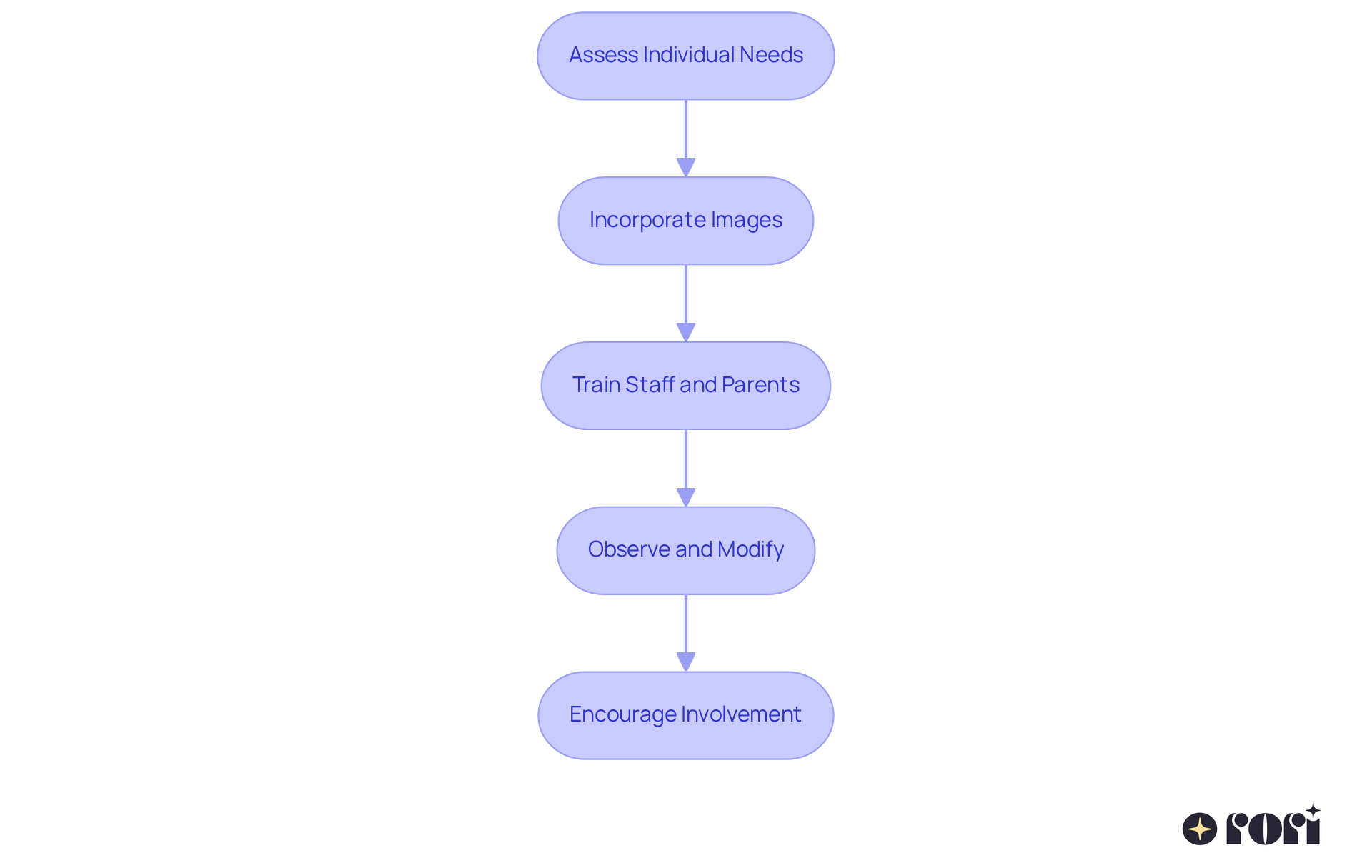
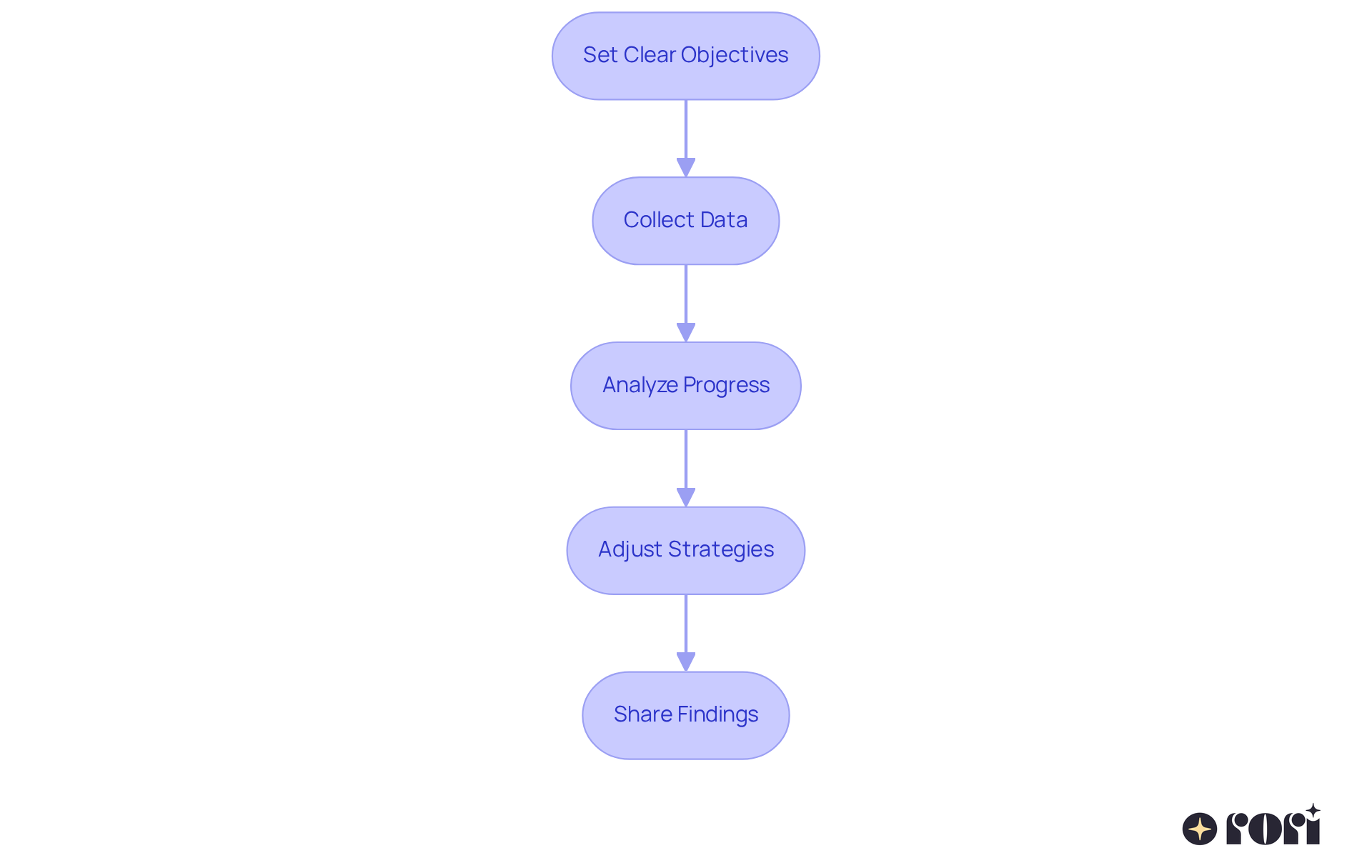
To effectively evaluate how visual aids can impact learning outcomes for children with autism, let’s walk through some essential steps together:
By systematically evaluating the impact of visual aids, we can ensure that educators and parents are effectively enhancing autism education with visual aids to support the learning and development of children with autism. Together, we can support this journey, backed by Rori Care’s commitment to neurodiversity and empowering caregivers. Let’s explore this together!
Visual aids are truly essential in enhancing education for children with autism. They tap into the visual learning strengths of these kids, helping them understand and communicate better. By weaving these supports into educational settings, educators and caregivers can create a nurturing environment that not only boosts learning outcomes but also uplifts emotional well-being.
Throughout this article, we’ve explored various types of visual aids - like visual schedules, choice boards, social stories, and task analysis boards. Each of these tools serves a unique purpose, promoting independence, easing anxiety, and improving social interactions. We also highlighted strategies for effectively implementing these aids, such as assessing individual needs and encouraging active participation from students. These steps are vital for maximizing the benefits of visual supports.
But the significance of visual aids goes beyond just immediate educational gains. It’s about embracing neurodiversity and supporting each child's unique learning journey. By prioritizing visual supports, educators and parents can empower children with autism to thrive both academically and socially. This paves the way for a more inclusive and understanding society. Embracing these strategies not only enhances education but also celebrates the strengths of every learner.
So, let’s explore this together! By taking these steps, we can create a brighter future for our children, filled with opportunities to shine.
What is the significance of visual aids in autism education?
Visual aids are crucial in autism education as they leverage the sight-based strengths of many children on the autism spectrum, enhancing their learning experiences and outcomes.
How do visual aids benefit children with autism and other learning challenges?
Visual aids help reduce challenging behaviors, boost social interactions, and improve learning outcomes. Research indicates that 87% of individuals using visual schedules experience better task completion and fewer problem behaviors within the first month.
What percentage of individuals with autism learn best through images?
Approximately 90% of individuals with autism learn best through images, highlighting the importance of visual aids in their education.
How do visual aids help children anticipate transitions?
Visual aids, such as picture schedules, help children anticipate transitions and reduce anxiety, creating a sense of safety and control over their daily routines.
What is the first step in effectively using visual aids in educational settings?
Understanding the benefits of visual aids and their significance in meeting each child's unique needs is the first step in effectively using these resources in educational settings.
How can caregivers support their children's behavioral goals using visual aids?
When caregivers are equipped with ABA principles and strategies, they can better support their children's behavioral goals, ensuring a consistent and nurturing environment that maximizes the effectiveness of visual aids.