Introduction
Understanding sensory processing is key for parents of children with autism, as it shapes how they experience the world around them. By exploring some helpful strategies, you can create a nurturing, sensory-friendly home that helps your child feel comfortable and grow. It can feel overwhelming to understand what your child is experiencing, but with the right strategies, you can help them feel more at ease in both familiar and public spaces.
Understand Sensory Processing in Autism
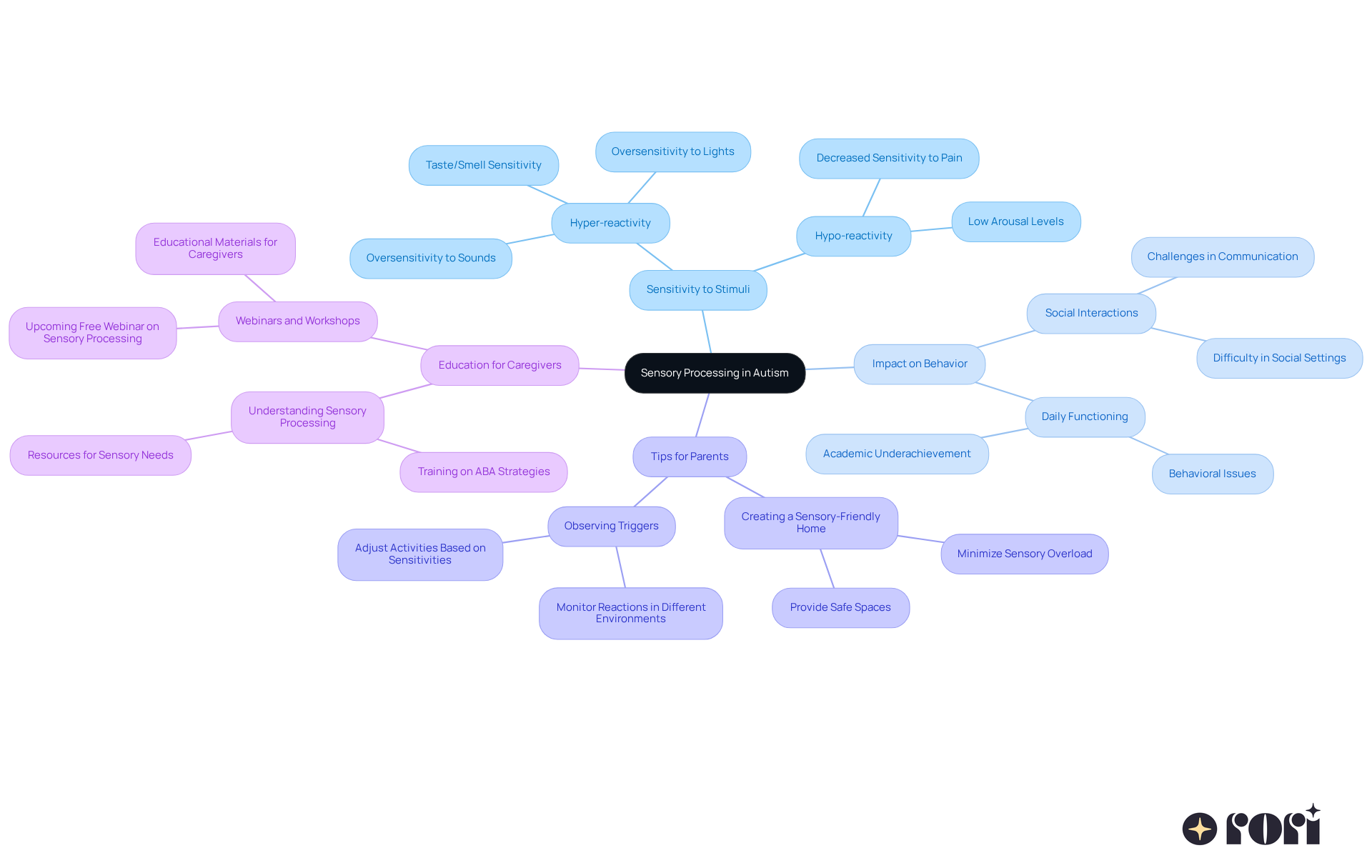
Have you ever noticed how some sounds or lights seem to bother your child more than others? Processing information is how our brains make sense of the world around us. For kids with autism, this can look a bit different, sometimes making them super sensitive to sounds or, on the flip side, not sensitive enough. Understanding these differences is so important, and there are valuable tips for parents of children with sensory challenges in autism who want to create a loving and supportive home.
Did you know that nearly all kids with Autism Spectrum Disorder (ASD) experience some differences in how they process information? This can really affect how they interact with the world around them. It’s helpful for parents to pay attention to how their kids react in different places - like at home, school, or out in public - to spot what seems to bother or excite them. When you know what triggers your child, you can make changes that help them feel more at ease and behave better in different situations.
Experts agree that recognizing these sensory challenges is really important. Dr. Fakhri Shafai points out that these unusual responses can come from differences in how the brain works, affecting everything from learning to social skills. By understanding these sensory needs, parents can apply tips for parents of children with sensory challenges in autism to create a home that truly helps their kids grow and thrive.
Plus, it’s super important for those who support kids to get educated about these needs. When caregivers learn about ABA strategies, they can make better choices that really help kids move forward. This knowledge boosts caregivers’ confidence and helps them support their kids better, leading to positive changes in behavior.
Don’t miss out on our free webinar on May 27, 2026, where we’ll dive deeper into these processing issues!
Create a Sensory-Friendly Home Environment
While creating a sensory-friendly home can feel overwhelming, following tips for parents of children with sensory challenges in autism can make it easier! Here are some effective strategies that can really make a difference:
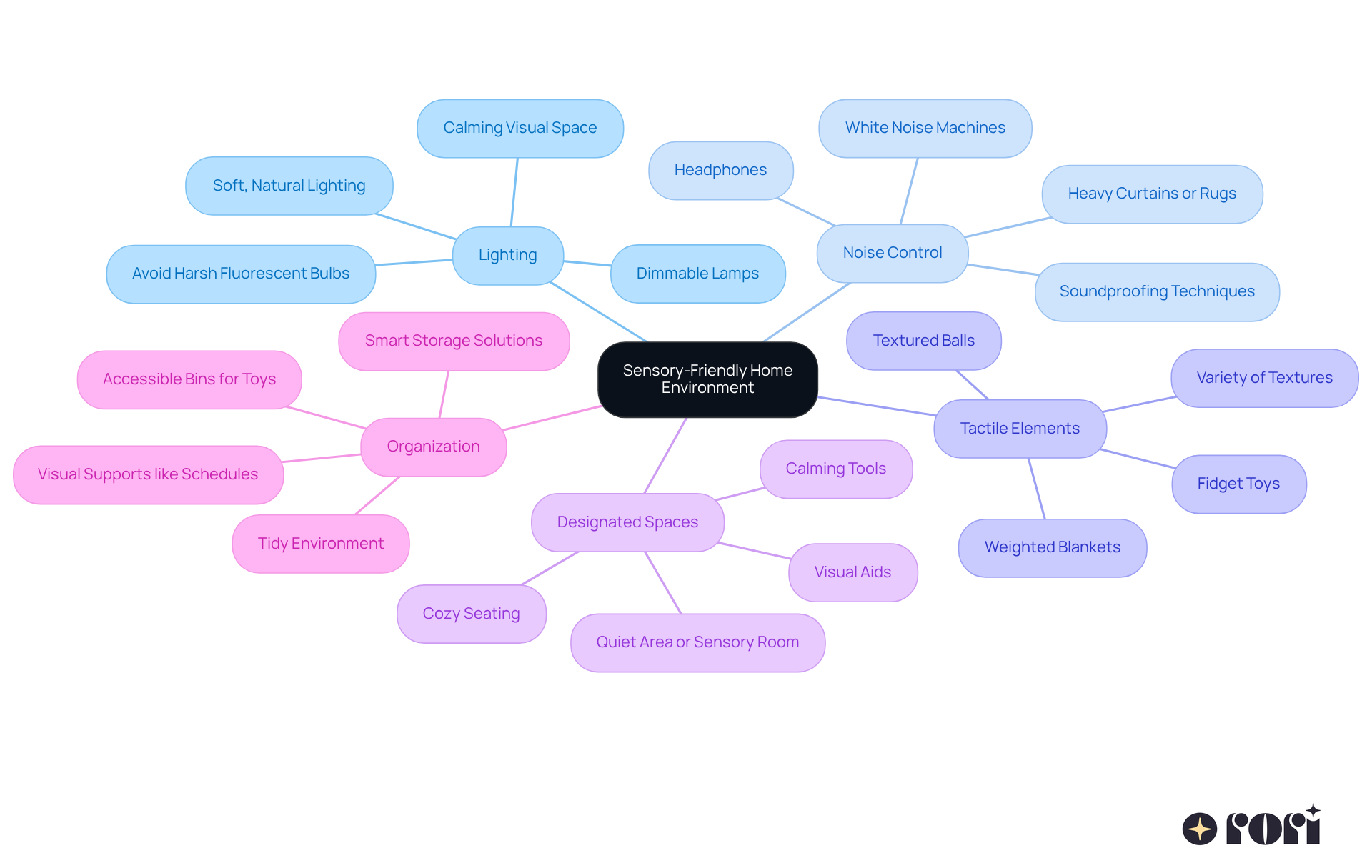
- Lighting: Go for soft, natural lighting and steer clear of those harsh fluorescent bulbs. Dimmable lamps are a great choice, letting you adjust the brightness to fit your needs and keep sensory overload at bay. Studies show that creating a calming visual space can really help kids with autism feel more stable and secure. When caregivers understand these principles, they can make choices that truly support their child's comfort, leading to better behavior.
- Noise Control: Let’s talk about noise! Using soundproofing techniques like heavy curtains or rugs can really help cut down on disruptive sounds. You might also consider soundproof panels, white noise machines, or even headphones to create a peaceful auditory backdrop. By understanding these strategies, parents can create a soothing sound environment that helps reduce stress for everyone at home, providing valuable tips for parents of children with sensory challenges in autism.
- Tactile Elements: Adding a variety of textures can be super beneficial! Think soft furnishings, weighted blankets, and tactile toys. These items can be a game-changer for kids who need that tactile input to feel calm. Keeping fidget toys and textured balls in easy-to-reach bins can encourage engagement and help with self-regulation. When caregivers learn about the tips for parents of children with sensory challenges in autism, they can choose the best tools to help their kids thrive.
- Designated Spaces: It’s important to have a quiet area or sensory room where kids can retreat when they’re feeling overwhelmed. This space should be filled with calming tools like fidget toys, cozy seating, and visual aids to help them relax. It’s all about keeping an eye on how the space is working and being ready to make changes as kids grow and their needs change. This is where caregiver training really shines, offering tips for parents of children with sensory challenges in autism to help families feel less stressed.
- Organization: Keeping things tidy can really help reduce visual distractions. Using smart storage solutions can keep things organized, making kids feel more secure and at ease. Visual supports like schedules can also help cut down on visual overwhelm, making the environment more manageable. When caregivers understand the importance of organization, they can apply tips for parents of children with sensory challenges in autism to create a more supportive space for their child's development.
Let’s explore these ideas together! When we take these steps, we’re not just improving our homes; we’re nurturing happier, healthier kids!
Collaborate with Professionals for Tailored Support
Navigating sensory challenges can feel overwhelming, but there are valuable tips for parents of children with sensory challenges in autism to help you through it! Cooperation with experts can make a world of difference. Here are some friendly strategies to consider:
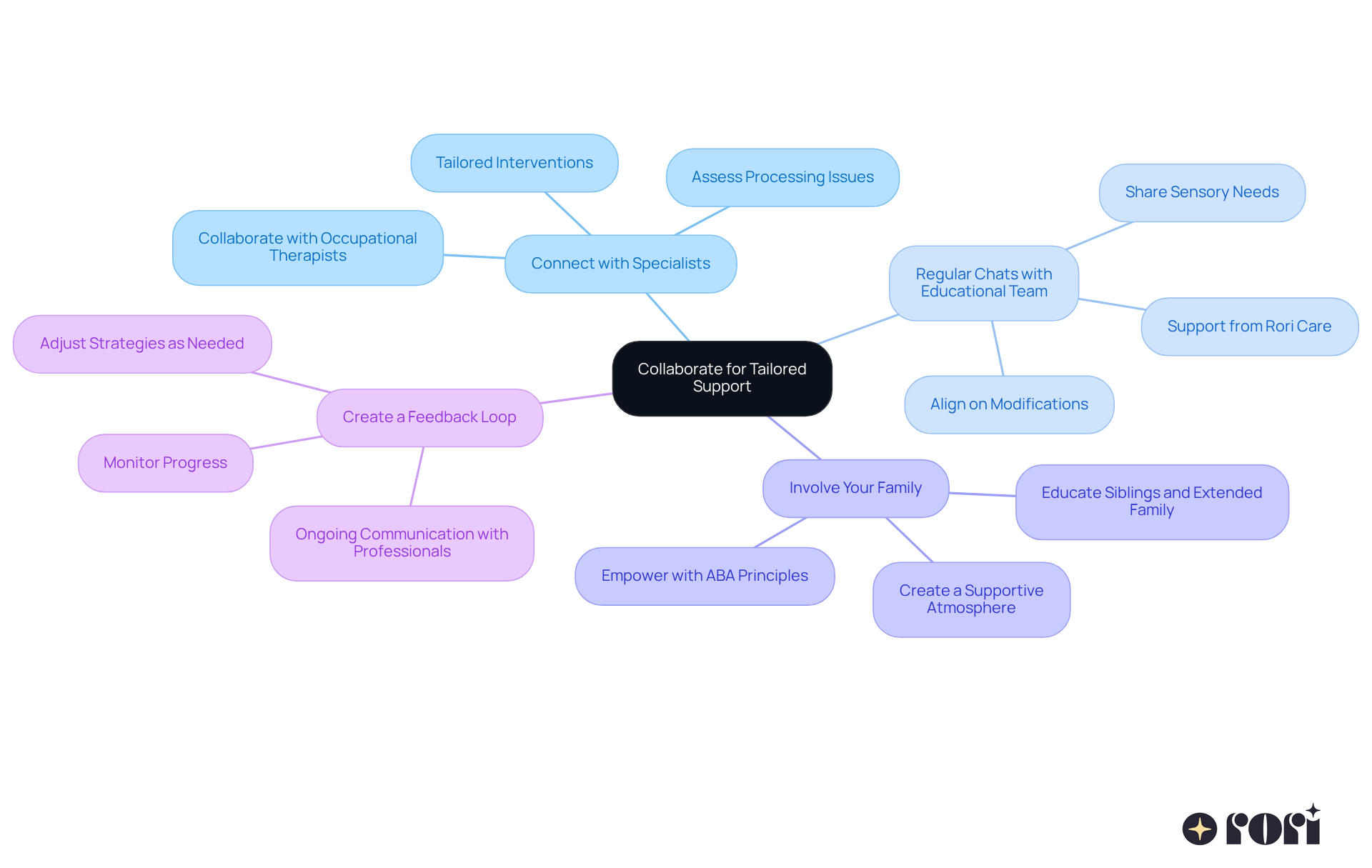
- Let’s connect with specialists: Collaborate with occupational therapists who can help assess processing issues and recommend tailored interventions. These experts provide tips for parents of children with sensory challenges in autism, offering approaches for integration therapy that help young individuals process information from their senses more effectively.
- How about setting up regular chats with your child’s educational team? It’s a great way to share tips for parents of children with sensory challenges in autism and keep everyone aligned on their sensory needs and essential modifications. Our caring team at Rori Care is here to support your family every step of the way, making sure everyone is on the same page!
- Involve your family: Bring family members into the therapy process. Providing tips for parents of children with sensory challenges in autism can help inform siblings and extended family, creating a supportive atmosphere and reducing misunderstandings. Empowering those who assist with ABA principles enhances their ability to support your child’s behavioral goals, leading to improved outcomes.
- Create a feedback loop: Let’s keep the conversation going with professionals to monitor progress and adjust strategies as needed. Ongoing communication helps refine methods, providing valuable tips for parents of children with sensory challenges in autism to ensure that their child receives the most effective support tailored to their needs. By actively engaging in the therapeutic process and following the strategies outlined by Rori Care, you can make informed decisions that positively influence your child’s development.
By working together with the right support, you can create a nurturing environment that truly helps your child thrive!
Implement Strategies for Outings and Public Spaces
Ever felt that knot in your stomach when heading out with your little one who has sensory sensitivities? Navigating public spaces can be a real challenge, but with some tips for parents of children with sensory challenges in autism, you can make outings more manageable for both of you.
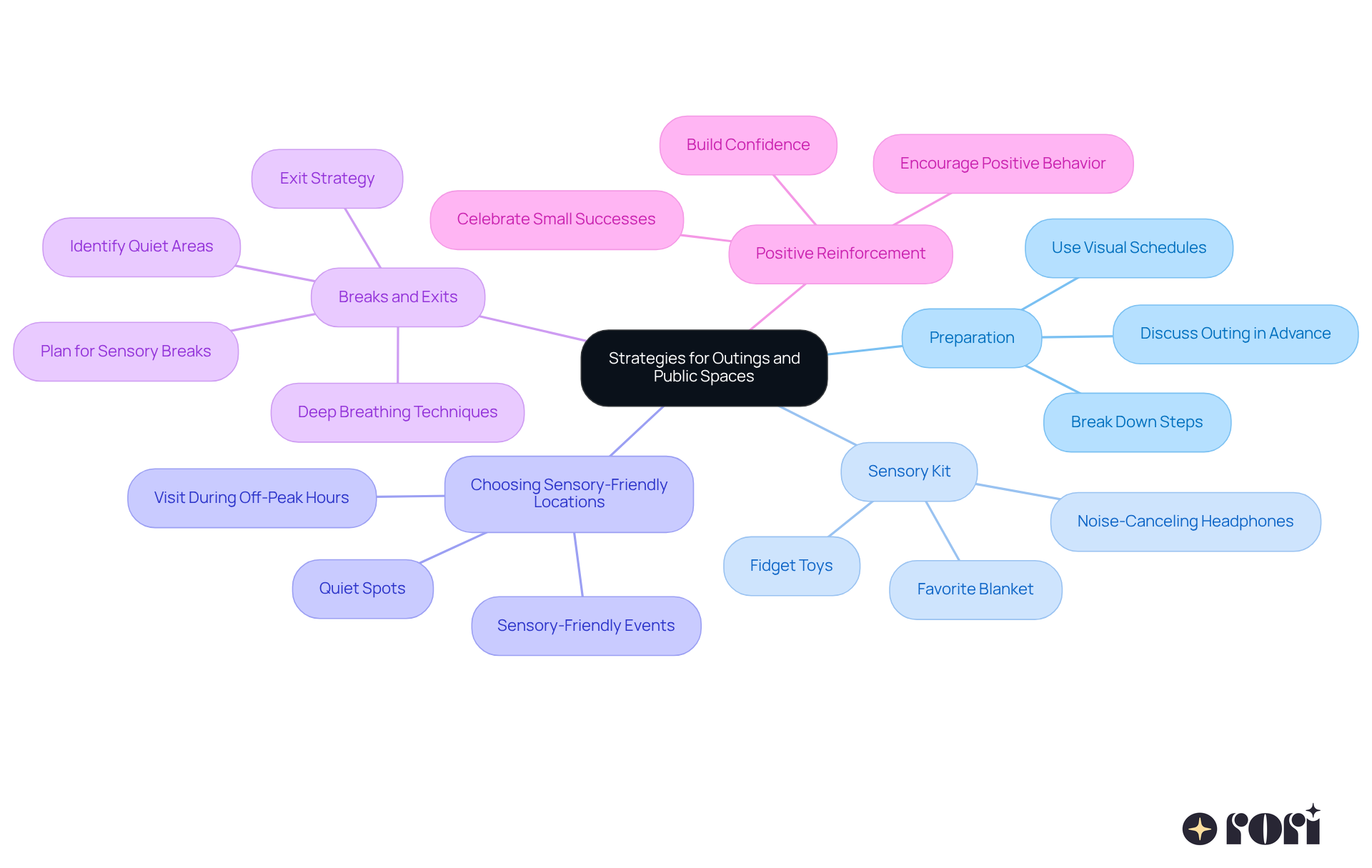
- Preparation: Talk about the outing ahead of time. Explain what to expect and consider using visual schedules or social stories. This can really help ease anxiety! Breaking down the outing into smaller steps can really help your child feel more at ease.
- Sensory Kit: Put together a go-bag filled with comforting items like noise-canceling headphones, fidget toys, or a favorite blanket. One of the tips for parents of children with sensory challenges in autism is to have a sensory kit ready to provide your child with the comfort they need when situations become overwhelming.
- Choosing sensory-friendly locations, such as those with quiet spots or sensory-friendly events, is one of the important tips for parents of children with sensory challenges in autism that can really make a difference! Visiting during off-peak hours can also help create a more enjoyable experience.
- Breaks and Exits: Here are some tips for parents of children with sensory challenges in autism to plan for sensory breaks during outings. Identify quiet areas where your child can decompress if they become overwhelmed. Having an exit strategy can reassure you, knowing you can leave if necessary. Simple techniques like deep breathing can help your child calm down when things feel overwhelming.
- Positive Reinforcement: Celebrate your child's efforts and successes, no matter how small! This builds confidence and reduces anxiety about future outings. With the right tools and strategies, you can turn outings into positive experiences for both you and your child!
Conclusion
Navigating sensory challenges in autism can feel overwhelming for parents, but it doesn’t have to be! When you understand how your child experiences the world, you can find simple ways to help them feel more comfortable and supported. We’ve shared some great tips for parents navigating sensory challenges, focusing on how to tailor your approach to fit your child’s unique needs.
Think about making your home a sensory-friendly space by adjusting lighting, managing noise, and adding comforting textures. Working with professionals like occupational therapists and teachers can really help you understand your child’s needs better. Keeping the conversation open and involving family can help build a strong support system for your child’s growth.
Navigating sensory challenges takes time and understanding, but you’re not alone in this journey! By using these strategies and creating a supportive environment, you can really enhance your child’s experiences at home and out in the world! These efforts not only help your child feel better now but also set the stage for a brighter future!
Frequently Asked Questions
What is sensory processing in the context of autism?
Sensory processing refers to how our brains make sense of the world around us. For children with autism, this can manifest as heightened sensitivity to certain sounds or lights, or, conversely, a lack of sensitivity.
How common are sensory processing differences in children with autism?
Nearly all children with Autism Spectrum Disorder (ASD) experience some differences in how they process information, which can significantly affect their interactions with the world.
Why is it important for parents to understand their child's sensory processing challenges?
Understanding these challenges allows parents to identify what triggers their child’s sensitivities or excitements, enabling them to make adjustments that help their child feel more comfortable and behave better in various situations.
What impact do sensory processing differences have on children with autism?
These differences can affect various aspects of a child's life, including learning and social skills, as they may respond unusually to sensory stimuli.
What can parents do to support their children with sensory challenges?
Parents can apply specific tips for creating a supportive home environment that caters to their child's sensory needs, helping them grow and thrive.
How can caregivers improve their support for children with sensory processing challenges?
Caregivers can educate themselves about these needs and learn ABA (Applied Behavior Analysis) strategies, which can boost their confidence and effectiveness in supporting their children.
Is there an opportunity for further learning on this topic?
Yes, there is a free webinar scheduled for May 27, 2026, that will explore sensory processing issues in more depth.
List of Sources
- Understand Sensory Processing in Autism
- Frontiers | Physiological and behavioral differences in sensory processing: a comparison of children with Autism Spectrum Disorder and Sensory Modulation Disorder (https://frontiersin.org/journals/integrative-neuroscience/articles/10.3389/neuro.07.029.2009/full)
- Part 1: Brain & Sensory Processing Differences Across the Lifespan (https://autism.org/brain-sensory-processing-differences)
- Fact 3: Up to 96% of individuals with ASD have sensory processing differences. (https://handsinautism.iu.edu/education/asd/asd-facts-and-misconceptions/asd-fact-3.html)
- Addressing Sensory Processing Differences in Children with ASD (https://autismspectrumnews.org/addressing-sensory-processing-differences-in-children-with-asd)
- Create a Sensory-Friendly Home Environment
- Sensory-Based Autism Interventions For The Home (https://newpatternsaba.com/blog/sensory-based-autism-interventions-for-the-home)
- The Best Occupational Therapy Quotes - The OT Toolbox (https://theottoolbox.com/occupational-therapy-quotes)
- Implication of the Sensory Environment in Children with Autism Spectrum Disorder: Perspectives from School (https://mdpi.com/1660-4601/18/14/7670)
- 29 Occupational Therapy Quotes! • OT Potential (https://otpotential.com/blog/occupational-therapy-quotes)
- Collaborate with Professionals for Tailored Support
- The Best Occupational Therapy Quotes - The OT Toolbox (https://theottoolbox.com/occupational-therapy-quotes)
- Systematic review of sensory-based interventions for children and youth (2015–2024) - PMC (https://pmc.ncbi.nlm.nih.gov/articles/PMC12658592)
- 29 Occupational Therapy Quotes! • OT Potential (https://otpotential.com/blog/occupational-therapy-quotes)
- Long-Term Impact of an Occupational Therapy Intervention for Children With Challenges in Sensory Processing and Integration (https://research.aota.org/ajot/article/78/4/7804185060/25197/Long-Term-Impact-of-an-Occupational-Therapy)
- Implement Strategies for Outings and Public Spaces
- How Public Spaces Can Become More Autism-Friendly | Links (https://linksaba.com/how-public-spaces-can-become-more-autism-friendly)
- Strategies for Managing Sensory Overload in Public Spaces | Helping Hands Family (https://hhfamily.com/strategies-for-managing-sensory-overload-in-public-spaces)
- Strategies for Autistic Individuals Navigating Sensory Overload In Pub (https://thetouchpointsolution.com/blogs/autism/strategies-for-autistic-individuals-navigating-sensory-overload-in-public-spaces?srsltid=AfmBOorLh_dxQNrrCAtCA61jt1JFkf_GcAJZU92Ron2LbG4stvZpmZi3)
- Autism and Sensory Overload: ABA Techniques for Public Spaces - Avion ABA (https://avionaba.com/autism-and-sensory-overload-aba-techniques-for-public-spaces)
- 5 Tips for Managing Sensory Overload in Public Places (https://achievepsychology.org/post/5-tips-for-managing-sensory-overload-in-public-places)