Establishing a consistent routine is so important for kids going through Applied Behavior Analysis (ABA) therapy. It really sets the stage for better behavioral outcomes and helps kids feel secure. As parents, you play a key role in this journey! By creating structured environments, you can make a big difference in your child's learning and emotional regulation.
But let’s be real - keeping these routines can be tough. Many parents find themselves asking: how can I tackle these challenges while making sure my child thrives in a predictable setting? 🤔
Let’s explore this together! You’re not alone in this, and there are ways to navigate these obstacles.
Applied Behavior Analysis (ABA) intervention is a that aims to improve specific behaviors and skills in youth with autism. At its core, ABA focuses on understanding behavior dynamics, including what shapes behavior and how reinforcement strategies can effectively modify it.
Creating is essential for establishing a consistent . By establishing a , these settings provide individuals with clear expectations and consistent routines, which can really help reduce anxiety and foster independence. Imagine a young person following a - this can lead to better communication and social interactions as they become familiar with the sequence of activities and what’s expected of them.
Real-life stories highlight the amazing impact of organized practices in ABA therapy. For example, one young person who struggled with communication thrived after a consistent was established, leading to significant improvements in verbal skills and social interactions. In another case, a young individual with challenging behaviors found that through organized practices and , their behavior aligned more closely with peers, enhancing their social skills.
Ultimately, the focus on in ABA therapy not only boosts but also significantly enhances learning. Research shows that individuals with autism who are focused on establishing a consistent often see better learning outcomes, including improved language skills and emotional regulation. By weaving ABA principles into daily life, parents can create a that supports their child’s development and encourages lasting growth.
At Rori Care, we’re all about empowering caregivers through education on ABA principles and strategies. This enhances their ability to support their loved ones’ behavioral goals. Our services include and automatic progress report generation, giving caregivers the tools they need to track progress effectively. This active involvement not only leads to better but also fosters a supportive atmosphere that aids their child’s development and encourages lasting growth.
Let’s explore this together! We’re here to !
Consistency is key when it comes to effective ! Kids with autism really thrive in . When they , they feel more secure and focused. This not only boosts their ability to engage in positive behaviors but also helps reduce those challenging moments. For parents, establishing a consistent is essential. It creates a that supports their child’s learning and development.
To help with this consistency, why not create a ? Clearly outlining specific times for treatment sessions, play, meals, and other activities can make a big difference. For example, using can help kids understand their daily tasks and transitions. This way, they feel more in control and less anxious. Sticking to this schedule also reinforces the skills learned during sessions, making it easier for kids to transfer those skills to different environments like home, school, and the community.
But that’s not all! Keeping a schedule not only aids in but also boosts engagement during treatment sessions. Regularly scheduled activities give kids the chance to practice their skills consistently, which is crucial for establishing a and their long-term success. As they become familiar with their daily routines, they’re better equipped to handle changes and challenges. This ultimately leads to better and greater independence.
Let’s explore this together! Remember, you’re not alone on this journey. We’re here to help you every step of the way!
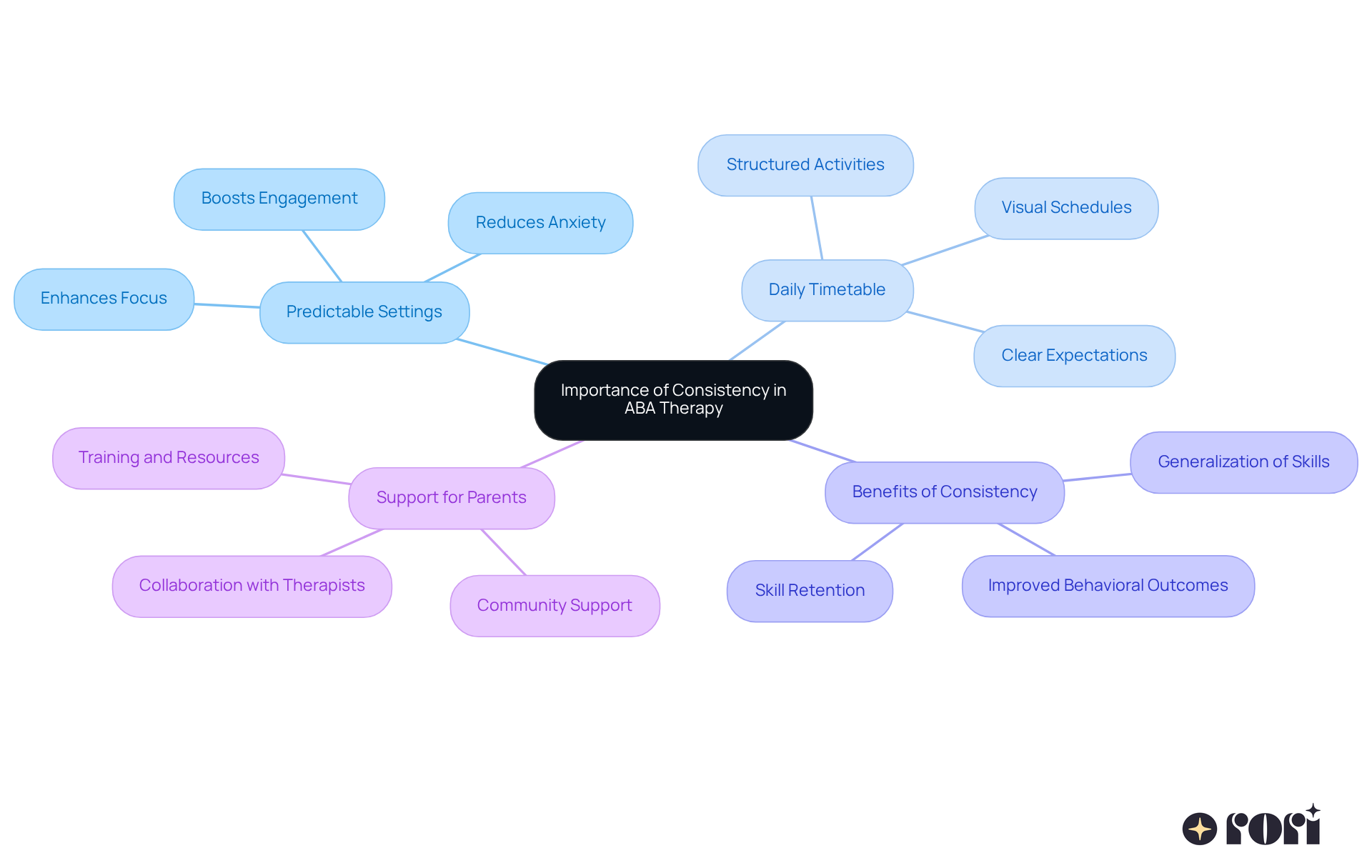
To establish effective routines at home, let’s explore some friendly strategies together:
Let’s keep this conversation going! What strategies have you found helpful in your own home?

Maintaining consistent routines can be tough, right? But don’t worry! There are several you tackle those common obstacles effectively:
By putting these strategies into practice, you can create a more stable and supportive environment that fosters growth and development in establishing a for your child. Let’s explore this together!

Establishing a consistent ABA therapy routine is so important for children with autism. It creates a sense of predictability and security that can really help them thrive. When parents set up structured environments, they can make a big difference in their child's learning and behavior. A well-organized routine not only eases anxiety but also encourages independence and better social interactions.
In this article, we’ve explored some key strategies for making routines effective. Think about using visual schedules, setting clear expectations, and incorporating positive reinforcement. And don’t forget to stay adaptable! Recognizing challenges, like identifying triggers and communicating changes, can really support a stable routine. By actively involving caregivers and using practical tools, the journey toward consistent ABA therapy can feel more manageable and rewarding.
Ultimately, nurturing a consistent ABA therapy routine is crucial. It empowers parents to create a supportive environment that encourages their child's growth. Embracing this journey with patience and understanding can lead to lasting positive changes. So, let’s take actionable steps together! Seek support, celebrate those small victories, and watch your child thrive in therapy and daily life. We’re here to help you every step of the way!
What is ABA therapy?
Applied Behavior Analysis (ABA) therapy is a scientifically validated approach designed to improve specific behaviors and skills in youth with autism by understanding behavior dynamics and employing effective reinforcement strategies.
Why is a structured environment important in ABA therapy?
A structured environment is crucial in ABA therapy as it establishes a consistent routine, providing individuals with clear expectations that help reduce anxiety and foster independence.
How does a consistent ABA therapy routine benefit individuals with autism?
A consistent ABA therapy routine can lead to better communication and social interactions by familiarizing individuals with the sequence of activities and what is expected of them.
Can you provide examples of the impact of organized practices in ABA therapy?
Yes, real-life stories show that individuals who followed a consistent daily schedule experienced significant improvements in verbal skills and social interactions, while others with challenging behaviors aligned more closely with peers through organized practices and positive reinforcement.
What are the learning outcomes associated with ABA therapy?
Research indicates that individuals with autism who establish a consistent ABA therapy routine often see improved learning outcomes, including better language skills and enhanced emotional regulation.
How does Rori Care support caregivers in implementing ABA therapy?
Rori Care empowers caregivers by educating them on ABA principles and strategies, which enhances their ability to support their loved ones' behavioral goals. They offer services like functional behavior analysis and automatic progress report generation to help track progress effectively.
What is the ultimate goal of incorporating ABA principles into daily life?
The ultimate goal is to create a nurturing environment that supports the child's development and encourages lasting growth by actively involving caregivers in the process.