Discrete Trial Training (DTT) is a well-established instructional strategy used in Applied Behavior Analysis (ABA) to help children with autism acquire new skills and engage in positive behaviors. This method breaks down complex abilities into smaller, more manageable steps, allowing for consistent and repetitive trials. The process of DTT involves an antecedent, behavior, and consequence, providing a structured and methodical approach to learning.
By deconstructing information into clear and manageable parts, DTT reduces cognitive load and enhances effective learning. This informative and authoritative article explores the key components of DTT, its role within ABA, the use of rewards and reinforcements, examples of skills taught, data collection and analysis, promoting generalization, practical steps for implementation, combining DTT with other ABA techniques, success stories and research supporting DTT, as well as common criticisms and controversies surrounding the method. By empowering parents with valuable insights and expert advice, this article aims to support children with autism in their learning journey and overall well-being.
Discrete Trial Training (DTT) is a well-established instructional strategy utilized within Applied Behavior Analysis (ABA) to help children with autism acquire new skills and engage in positive behaviors. This approach deconstructs complex abilities into smaller, more digestible steps, allowing for each skill to be taught through a series of consistent and repetitive trials. The process of DTT is methodical, involving an antecedent to cue a specific behavior, followed by the behavior itself, and then a consequence to reinforce the desired response.
The repetition and structure inherent in DTT are crucial, as they support children in mastering each component of a skill, eventually leading to the generalization of these skills into varied contexts.
The effectiveness of DTT, much like teaching strategies for other learning areas such as mathematics, relies on breaking down information into clear, manageable parts. Research has informed us that students benefit from studying worked examples in fields like math, where both procedural and conceptual knowledge are essential. This is akin to , where children can see the steps of a skill laid out before them, reducing the cognitive load and enhancing their ability to learn effectively.
The use of randomized controlled trials in research, which is becoming the standard in autism intervention studies, further underscores the importance of structured methodologies like DTT that allow for clear assessment of outcomes.
Supporting children with autism in their learning journey is not only about academic success but also about ensuring equitable participation in all aspects of life. Dr. David (Dan) R. Offord emphasized the importance of a fair 'race' for children with disabilities, which includes providing them with the necessary tools and support to thrive. DTT plays a role in this by equipping children with autism with the social communication and behavior skills they need to actively participate in their communities.
This approach recognizes the individual needs of each child, as well as their potential to contribute meaningfully to society, thereby addressing the chronic stressors that can affect mental health and overall well-being.
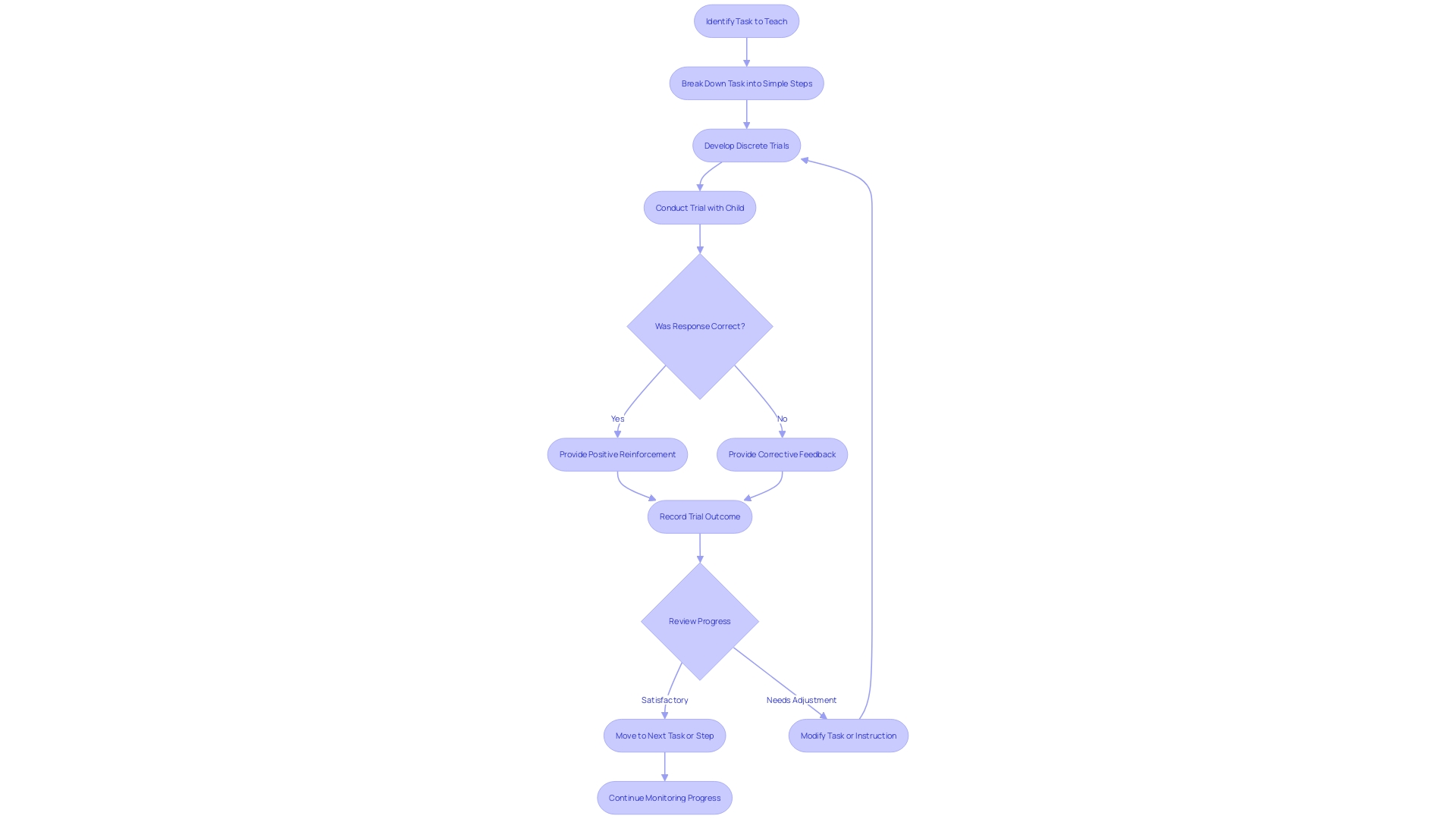
Discrete Trial Training (DTT) stands as a cornerstone within Applied Behavior Analysis (ABA) for assisting individuals with autism. It's not just about modifying behavior but understanding it deeply and using evidence-based methods to encourage positive change. With DTT, therapists have a highly structured and systematic process to hone in on specific skills and behaviors, ensuring each learning opportunity is maximized.
The effectiveness of DTT within ABA is clear, as it allows for precise targeting of learning objectives and meticulous tracking of a child's progress. Drawing on over a decade of clinical expertise, a New York state-licensed and Board-Certified Behavior Analyst emphasizes the importance of integrating technology to enhance the delivery of care. Such innovations aim to ensure that the practices are not only of high quality but also well-coordinated, providing a streamlined experience for both providers and health plans.
This push towards integrating technology reflects the broader narrative in care for autism, where personalized, data-driven approaches are pivotal. As per the insights shared by professionals in the field, the emphasis on crafting tailored technology solutions can significantly uplift the standard of care.
Moreover, statistics highlight the crucial role of in supporting individuals with autism. A comprehensive approach to intervention design considers not just efficacy but also the perceptions of the community regarding the goals and outcomes of the therapy. This includes monitoring any adverse events and maintaining transparency throughout the process, ensuring that interventions are safe, effective, and socially validated.
In line with the thoughts of the late Dr. David (Dan) R. Offord, a child psychiatrist, it is essential to create equitable opportunities for children with disabilities, allowing them to participate fully in all life domains. DTT, as part of ABA, contributes to this equity by providing structured learning experiences that can lead to meaningful and lasting change, in turn supporting the mental health and overall well-being of these children and their families.
Discrete Trial Training (DTT) is an instructional strategy used in Applied Behavior Analysis (ABA) therapy to teach children with autism. The strategy is broken down into a three-part process: the presentation of a stimulus (known as the antecedent), the child's response (the behavior), and the consequence, which is the form of feedback given after the behavior. The antecedent usually takes the form of a that cues the child on what to do.
Once the child responds with a behavior, whether correct or incorrect, the therapist provides a consequence, which could be positive reinforcement for a correct response or no reaction for an incorrect response, followed by guidance on the correct behavior.
The purpose of DTT is to create a predictable and structured learning environment that helps children with autism acquire new skills and behaviors. Each step is crafted to focus on a single skill, minimizing distractions and simplifying the learning process. This methodical approach ensures that children receive immediate and consistent feedback, which reinforces positive behavior and facilitates the development of crucial life skills.
Studies have shown that interventions like DTT that are tailored to the needs of children with autism can lead to meaningful changes in behavior, improving their ability to engage with the world around them. By using DTT, therapists can systematically teach children a variety of skills, from basic obedience to complex social interactions, thereby equipping them with the tools they need for a fair chance at progress and development.
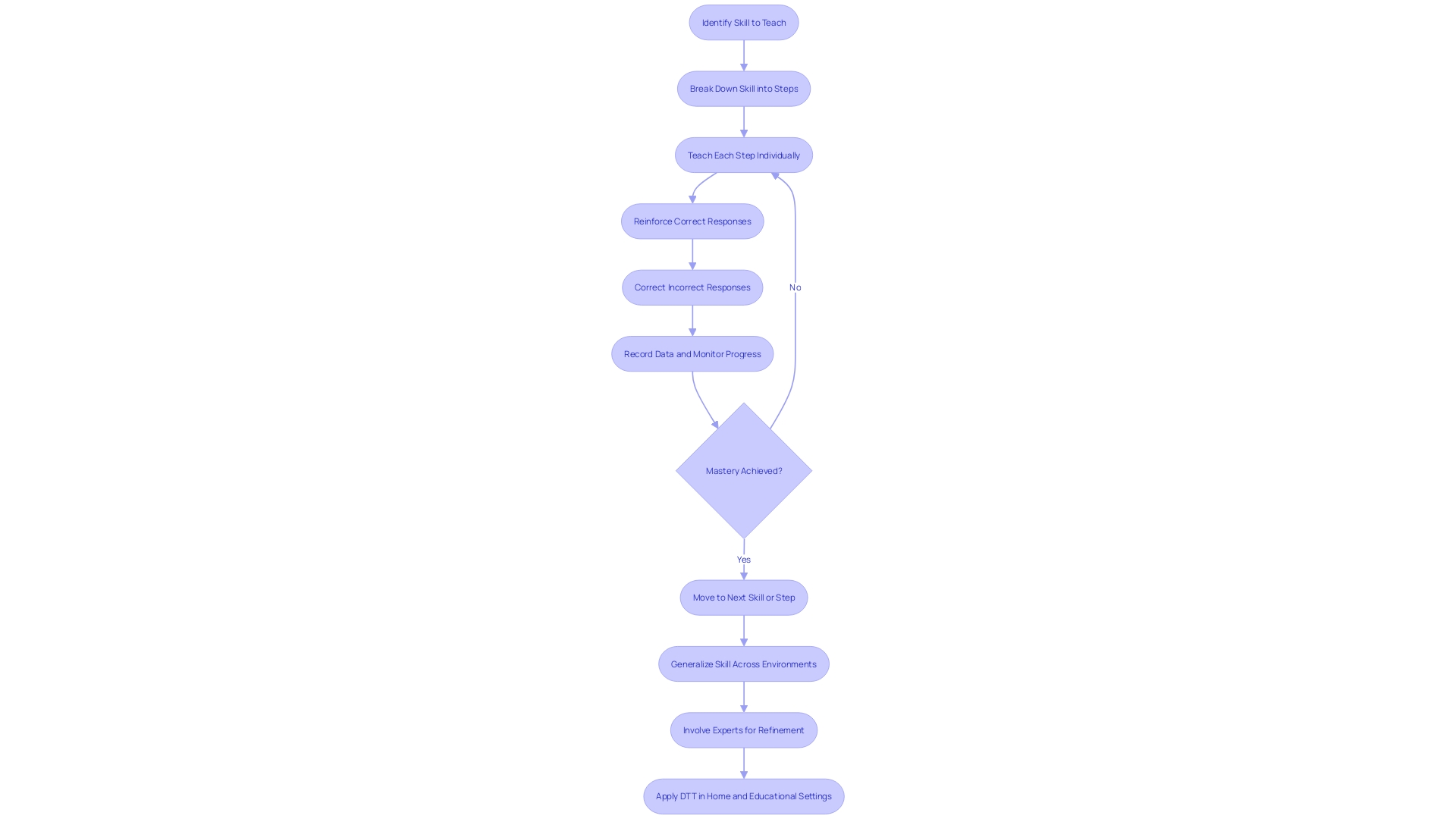
Discrete Trial Training (DTT) serves as a beacon of hope for children with autism, enabling them to navigate complex skills with greater ease. By deconstructing these skills into smaller, digestible parts, DTT fosters a learning environment where children can progress incrementally, building on their existing capabilities. The concise, targeted instructions inherent in DTT clarify the learning process, making it more accessible for children who might otherwise struggle with understanding.
This meticulous and structured method not only promotes the effective acquisition of new skills but also aligns with the for children with disabilities to thrive in education and beyond, as emphasized by child psychiatrist Dr. David (Dan) R. Offord. The approach is in harmony with current research, which underscores the importance of addressing the unique needs of autistic children and enhancing their participation in social settings, as this can significantly influence their mental health and overall well-being. In a world where one in 36 children is diagnosed with autism, early and effective interventions like DTT are critical for fostering their growth and ensuring they're not left behind in the race of life.

The principles of Discrete Trial Training (DTT) are essential in helping children with autism learn new skills. The process begins with an antecedent, which is a clear instruction or cue that guides the child toward the desired behavior. When the child responds, this behavior is either , depending on its alignment with the desired outcome, and this is known as the consequence.
This cycle of antecedent, behavior, and consequence creates a structured environment that is critical for learning and behavior change.
To put this in perspective, DTT's structured approach can be likened to the meticulous process of data transformation in research and technology fields. Just as data scientists aim to map and convert complex data into usable formats, DTT maps out a learning pathway for children with autism, transforming their potential into tangible skills. This systematic method ensures predictability and consistency, which are key for children on the autism spectrum to thrive in their learning journey.
Recent shifts in research methodologies underline the importance of evidence-based practices such as DTT. In the realm of autism, randomized controlled trials have become the gold standard for evaluating the efficacy of interventions like DTT, ensuring that the outcomes are reliable and can be replicated. By adhering to such rigorous scientific standards, DTT aligns with contemporary educational research, providing children with the highest quality of support for their developmental needs.
Moreover, DTT's emphasis on a fair and structured learning race echoes the words of esteemed Child Psychiatrist Dr. David (Dan) R. Offord, who advocated for equitable conditions in the growth and development of all children, including those with disabilities. DTT offers a framework where autistic children can engage in learning in a manner that respects their unique needs while also promoting their mental health and well-being.
In Discrete Trial Training (DTT), the strategic use of rewards and reinforcements is a pivotal element, acting as catalysts to encourage children to adopt desired behaviors and acquire new competencies. These reinforcements can manifest in diverse forms, encompassing verbal praise, tokens, or even physical rewards. The integration of positive reinforcement with accurate responses is an established technique to bolster the frequency of favorable behaviors, thereby fostering an affirmative and enriching educational milieu for children with autism.
The significance of such reinforcements in DTT is underscored by the emphasis on crafting equitable and supportive environments that cater to the unique needs of children with disabilities. This approach aligns with the ethos of fostering mental health and social equity, as articulated by the esteemed Child Psychiatrist Dr. David (Dan) R. Offord, who advocated for a for all children, particularly those who might otherwise lag behind.
Recent advancements in autism intervention research, including over 400 trials in the past decade as estimated by GlobalData, highlight the shift towards evidence-based practices and the importance of randomized controlled trials. This progress in methodology reflects a dedication to providing interventions that genuinely enhance the lives of those with autism, ensuring lasting and meaningful change. Innovations such as the AR application designed to accommodate the tactile sensitivities of autistic individuals during dental visits further illustrate the potential for technology to aid in customizing reinforcement strategies to each child's specific needs.
These developments underscore the critical role of tailored reinforcements in DTT and the broader scope of autism therapies. By leveraging the latest research and technology, therapists can optimize the learning experience for children with autism, ensuring they receive the support necessary for their holistic development and well-being.
[Discrete Trial Training (DTT)](https://rori.care/post/understanding-dtt-meaning-in-aba-therapy-for-your-childs-care) is an educational strategy rich with potential, offering a structured pathway for children with autism to acquire pivotal skills. Excelling in the domains of language, social interaction, daily living, and academics is critical for these children, and DTT is a tool that breaks down learning into manageable chunks, known as discrete trials. Through these trials, therapists can introduce and reinforce , which are foundation for children with autism.
The Science of Language and Reading (SOLAR) Lab highlights that language is a complex dance of content, structure, and pragmatics, all of which DTT can address in a systematic way.
Effective communication is the cornerstone of social and cognitive development, and DTT's focus on language structure and function helps children navigate social situations and engage actively in their communities. The significance of this approach is echoed in recent research that underscores the importance of early interventions targeting preverbal social communication, a core challenge in autism. Such interventions can set the stage for verbal communication and later language competency.
Moreover, DTT's benefits extend to daily living and academic skills, essential for a child's independence and educational success. These skills are cultivated through a series of trials that emphasize repetition and positive reinforcement, fostering an environment where children with autism can thrive.
The power of DTT is also reflected in the embrace of technology to enhance communication for non-speaking children, as seen in the case of Joshua Harris, whose use of an electronic tablet for communication led to the development of picture boards in Peterborough. This integration of technology in learning and communication strategies is a testament to the life-changing potential of structured educational approaches like DTT.
In summary, DTT is a versatile and effective method for teaching crucial skills to children with autism, enabling them to better understand and engage with the world around them. By focusing on the individual components of a skill and offering consistent reinforcement, DTT paves the way for meaningful progress and the mastery of important life skills.
In Discrete Trial Training (DTT), a key component is the meticulous gathering and evaluation of data. ABA therapists meticulously record each response a child gives during the discrete trials, which serves as a vital gauge of their progression. Methods such as tallying the frequency of specific behaviors or noting the duration of tasks are employed to quantify a child's advancements.
Through careful analysis of this data, therapists are able to , pinpoint areas needing more focus, and tailor subsequent instructional approaches accordingly.
The importance of equitable and inclusive support for children with disabilities, as emphasized by Dr. David (Dan) R. Offord, aligns with the principles of DTT. It provides a structured learning environment that can reduce stress and address the unmet needs of children with ASD, including those with concurrent intellectual disabilities or emotional and behavioral problems. This contributes to a 'fair race' where every child has the opportunity for meaningful participation in their education and broader life contexts.
Furthermore, as research methodologies evolve, with a shift from quasi-experimental studies to randomized controlled trials, the data collected and analyzed in DTT becomes ever more critical. It ensures that interventions are based on the most current and reliable evidence, thereby supporting the best possible outcomes for children with ASD and their families. The goal of such rigorous data analysis in DTT is not only to inform decisions but to drive them, leading to interventions that are both effective and tailored to the unique needs of each child.

Discrete Trial Training (DTT) is a teaching methodology designed to encourage skill acquisition in children with autism by breaking down complex tasks into small, manageable units. A vital component of DTT is the concept of generalization, which refers to the transfer of learned skills from the therapy environment to a variety of real-world contexts. For generalization to be effective, therapists may introduce variations in the instructional cues or 'antecedents' and employ different materials or settings.
This strategic variation helps the child understand that the skills they acquire are not limited to a single scenario but are applicable in diverse situations. Additionally, embedding these skills within naturalistic teaching moments further reinforces their use in everyday life, ultimately aiding the child in navigating the complexities of their environment more independently.
Recent shifts in autism research underscore the importance of evidence-based practices in intervention. As studies evolve from quasi-experimental designs to more rigorous randomized controlled trials, the emphasis on generalization within DTT underscores its standing as an essential outcome for interventions. It's not just about whether an intervention works, but how it translates to meaningful changes in a child's daily life.
The aim is to ensure that children with autism can apply what they learn across various contexts, thereby enhancing their ability to function adaptively in society. This focus aligns with broader goals within the field of autism support, which prioritize .
To effectively implement for children with autism, meticulous organization and a supportive learning atmosphere are fundamental. Therapists are tasked with formulating explicit instructions and upholding systematic reinforcement to foster skill acquisition. The essence of DTT lies in segmenting complex skills into smaller, teachable units, thereby setting achievable objectives tailored to each child's unique learning profile.
Collaboration with parents and caregivers is indispensable, not only in the therapy setting but also at home, where the skills acquired can be further reinforced and integrated into daily routines. The significance of this partnership is underscored by the understanding that learning and development are continuous processes extending beyond formal therapy sessions.
Research by The Autism Community in Action highlights the importance of early intervention in autism treatment, suggesting that the sooner behavioral therapy starts, the better the outcomes for the child. This principle aligns with the approach of DTT, which is designed to be an early and integral component of a child's developmental support system.
In the context of enhancing healthcare, such as the nursing apprenticeship program in North Carolina, the emphasis on quality care and meeting workforce demands parallels the need for quality, individualized educational approaches like DTT. Just as healthcare initiatives aim to address the specific needs of communities, DTT focuses on the individualized needs of each child to ensure the best possible outcomes.
As our understanding of treatments for various disorders evolves, it's crucial to recognize the unique contributions of evidence-based practices. DTT, as a component of Applied Behavior Analysis, brings forth a structured methodology that, when effectively executed, can significantly contribute to the positive development of children with autism.
To craft a well-rounded developmental experience for children with autism, therapists often blend Discrete Trial Training (DTT) with other ABA methodologies, creating a personalized and multifaceted treatment plan. This integrative approach may include methods like incidental teaching or pivotal response training, which are designed to enhance the transfer of learned skills to natural settings and encourage the spontaneous emergence of language and social skills. Such combination of strategies allows therapists to address a diverse array of developmental areas, helping children with autism to achieve a more comprehensive skillset.
In line with the insights of Dr. David (Dan) R. Offord, the goal is to ensure that all children, especially those with disabilities, have equitable opportunities to thrive in various life domains. By recognizing the unique strengths and challenges each child presents, and reducing stressors while supporting caregivers, ABA therapy strives to create an inclusive and fair environment conducive to mental health and well-being.
Moreover, as the landscape of autism care evolves, with a shift from quasi-experimental studies to randomized-controlled trials, the emphasis on evidence-based practice grows. This evolution in research underscores the necessity for interventions that not only meet the highest standards of efficacy but also respect and support the complex needs of autistic children and their families. Ultimately, the amalgamation of DTT with other exemplifies the commitment to adapt and refine therapeutic approaches, ensuring they align with the latest research and the individualized needs of each child.

Discrete Trial Training (DTT) has been recognized as a pivotal method in helping children with autism develop essential life skills. Its efficacy is not merely anecdotal; numerous studies have reinforced its status as an evidence-based practice. DTT's structured approach is instrumental in skill acquisition, aiding children to make remarkable strides in communication, social interaction, and academic pursuits.
The transition in autism research towards more rigorous study designs, such as randomized controlled trials, has bolstered the credibility of interventions like DTT. This shift underlines the importance of ongoing scrutiny and adaptation in treatment approaches to ensure the best possible outcomes for children with autism. As researchers like Dr. David (Dan) R. Offord emphasized, equitable access to effective interventions is critical for the mental health and overall well-being of children with disabilities.
Moreover, the insights from various critiques and discussions on platforms like PubPeer highlight the necessity of transparent and consistent research practices. These conversations contribute to a deeper understanding and refinement of interventions, ultimately aiming to meet the diverse needs of the autism community and to provide the necessary support for both children and caregivers.
With the global autism community actively participating in discourse about , it's clear that the success of interventions like DTT hinges on meticulous study design, implementation fidelity, and a commitment to fair and respectful treatment of individuals with autism.
DTT, while praised for its structured approach, has encountered critiques about its potential rigidity. Concerns have been raised regarding the limitations it could place on a child's natural curiosity and the autonomy to learn through exploration. The emphasis on tangible rewards has also been questioned, with some suggesting it might lead to an excessive focus on extrinsic motivation.
The transition of learned skills to everyday environments, a process known as , is another area where DTT is scrutinized. It is critical to balance these considerations with the unique needs and objectives of each child when employing DTT.
Recent shifts in autism research methodologies highlight the importance of evidence-based practices. The move from quasi-experimental designs to more rigorous randomized-controlled trials underpins the commitment to providing reliable and effective interventions for individuals with autism. The conversation around DTT and other therapeutic strategies continues to evolve, informed by ongoing research and clinical expertise.
As clinicians adapt their approaches based on the latest findings, it underscores the dynamic nature of autism treatment and the necessity for continuous evaluation of therapeutic methods.
In the midst of this evolving landscape, it is essential to acknowledge the perspectives of both the scientific community and those directly affected by autism. Social validation, the process of assessing the acceptability of intervention goals and outcomes by community members, plays a vital role in shaping the discourse around autism interventions. The design of outcome variables and the potential risks of bias in studies are critical factors that influence the perceived effectiveness of interventions like DTT.
The dialogue surrounding these issues is integral to enhancing the support provided to individuals with autism and their caregivers.
In conclusion, Discrete Trial Training (DTT) is an effective instructional strategy within Applied Behavior Analysis (ABA) that helps children with autism acquire new skills and positive behaviors. By breaking down complex abilities into manageable steps, DTT reduces cognitive load and enhances effective learning.
DTT plays a crucial role in ABA by providing a structured and methodical approach to target specific skills and behaviors. Integrating technology enhances care delivery and coordination, ensuring high-quality practices.
The strategic use of rewards and reinforcements in DTT creates an affirmative and enriching educational environment, encouraging children to adopt desired behaviors and acquire new competencies.
DTT effectively teaches a variety of skills, including language, social interaction, daily living, and academics. By focusing on discrete trials and offering consistent reinforcement, DTT empowers children with autism to better understand and engage with the world around them.
Data collection and analysis are essential in DTT, allowing therapists to track progress and tailor instructional approaches. DTT aligns with contemporary educational research, providing high-quality support.
Promoting generalization is key in DTT, ensuring that learned skills transfer to real-world contexts. This aligns with broader goals in autism support, prioritizing lasting and socially significant outcomes.
Effective implementation of DTT involves collaboration with parents and caregivers. Early intervention sets the stage for a child's developmental support system and enhances outcomes.
Combining DTT with other ABA techniques creates personalized treatment plans, addressing diverse developmental areas and meeting high standards of efficacy.
DTT's success is supported by research, but criticisms exist regarding rigidity. Ongoing research and clinical expertise inform the evolving conversation surrounding DTT.
In summary, DTT is a versatile and effective method for teaching crucial skills to children with autism, ensuring their equitable participation in all aspects of life.
What is Discrete Trial Training (DTT)?
Discrete Trial Training (DTT) is an instructional technique used in Applied Behavior Analysis (ABA) to teach children with autism. It involves breaking down complex skills into smaller steps and teaching each step through consistent, repetitive trials to help children acquire new skills and positive behaviors.
How does DTT fit into Applied Behavior Analysis (ABA)?
DTT is a fundamental component of ABA that focuses on understanding and modifying behavior. It provides a highly structured and systematic process for targeting specific skills and behaviors, maximizing each learning opportunity, and tracking progress meticulously.
What are the key components of a discrete trial in DTT?
The three key components of a discrete trial in DTT are the antecedent (a clear instruction or cue), the child's behavior (response to the antecedent), and the consequence (feedback provided by the therapist, which can be positive reinforcement for a correct response or guidance for an incorrect response).
How does DTT break down complex skills for children with autism?
DTT deconstructs complex skills into smaller, more manageable parts, providing clear and targeted instructions for each part. This helps children with autism to understand and learn skills incrementally, improving their ability to engage with the world around them.
What is the role of antecedents, behaviors, and consequences in DTT?
In DTT, antecedents act as cues for the desired behavior, behaviors are the child's responses to these cues, and consequences are the feedback provided by the therapist based on the child's behavior. This structured approach ensures predictability and consistency, which are crucial for learning.
How are rewards and reinforcements used in DTT?
Rewards and reinforcements are used strategically in DTT to encourage desired behaviors and skill acquisition. They can take various forms, such as verbal praise, tokens, or tangible rewards, and are provided following correct responses to increase the frequency of positive behaviors.
Can you give examples of skills that are taught using DTT?
Skills taught using DTT can range from basic obedience to complex social interactions and include language and communication, social interaction, daily living, and academic skills. Each skill is broken down into discrete trials for systematic teaching.
How is data collected and analyzed in DTT?
ABA therapists record each response during the discrete trials and use methods like tallying specific behaviors or timing tasks to track a child's progress. This data helps therapists identify patterns, focus on areas needing improvement, and tailor future instruction.
What is generalization in DTT and why is it important?
Generalization in DTT refers to the application of learned skills from the therapy setting to various real-world situations. It is important because it ensures that the skills taught are not just theoretical but can be used by the child in their everyday life.
What are practical considerations for implementing DTT?
Implementing DTT effectively requires clear instructions, systematic reinforcement, collaboration with parents and caregivers, and integration of skills into daily routines. Early intervention and the individualization of objectives based on each child's unique profile are also key considerations.
How is DTT combined with other ABA techniques?
DTT is often combined with other ABA methods like incidental teaching or pivotal response training to create a holistic treatment plan. This helps address various developmental areas and encourages skill transfer to natural settings.
Are there success stories and research supporting DTT?
Yes, numerous studies and success stories have demonstrated the effectiveness of DTT in helping children with autism develop essential life skills. The method is evidence-based and its structured approach aids in communication, social interaction, and academic achievements.
What are common criticisms and controversies surrounding DTT?
Criticisms of DTT include concerns about its potential rigidity, limitations on natural learning, and an overemphasis on extrinsic motivation through tangible rewards. Generalization of learned skills to everyday environments is also an area of scrutiny. However, evidence-based practices and ongoing research continue to inform and refine DTT's application within autism treatment.