An empathetic parent blogger who understands the challenges and emotions of being a parent. They provide support, guidance, and relatable stories to help parents navigate the complexities of raising a child with autism.
Understanding autism and its various manifestations can be a perplexing journey for parents and caregivers. One common behavior observed in children with autism is a tendency to avoid eye contact. This behavior, often misinterpreted as rudeness or disinterest, is actually a reflection of sensory sensitivity that can make direct eye contact overwhelming or uncomfortable for the child. In this article, we will explore the reasons behind this behavior, the impact it has on social communication, and effective techniques to teach eye contact to children with autism. By understanding the sensory challenges and adopting appropriate teaching methods, we can help children with autism develop this crucial social skill and foster meaningful connections with others.
, a neurodevelopmental disorder, often manifests in unique ways, one of which is the avoidance of . This behavior, often noticed when a is , can be perplexing to those unfamiliar with the condition. It's not a sign of disrespect or disinterest, but rather a that can make or overwhelming for the child.
Eye contact plays a crucial role in . It's a way to express interest, show understanding, and . For children with autism, can hinder their and , making it challenging for them to form .
Research suggests that children with autism may avoid due to the intense it provides. The , especially the eyes, convey a that can be overwhelming for a child with autism. This can cause discomfort, leading them to avoid eye contact.
The avoidance of eye contact can have significant implications for a child's and relationships. It can , as others may interpret it as a lack of interest or engagement. This can result in and difficulties in forming with peers.
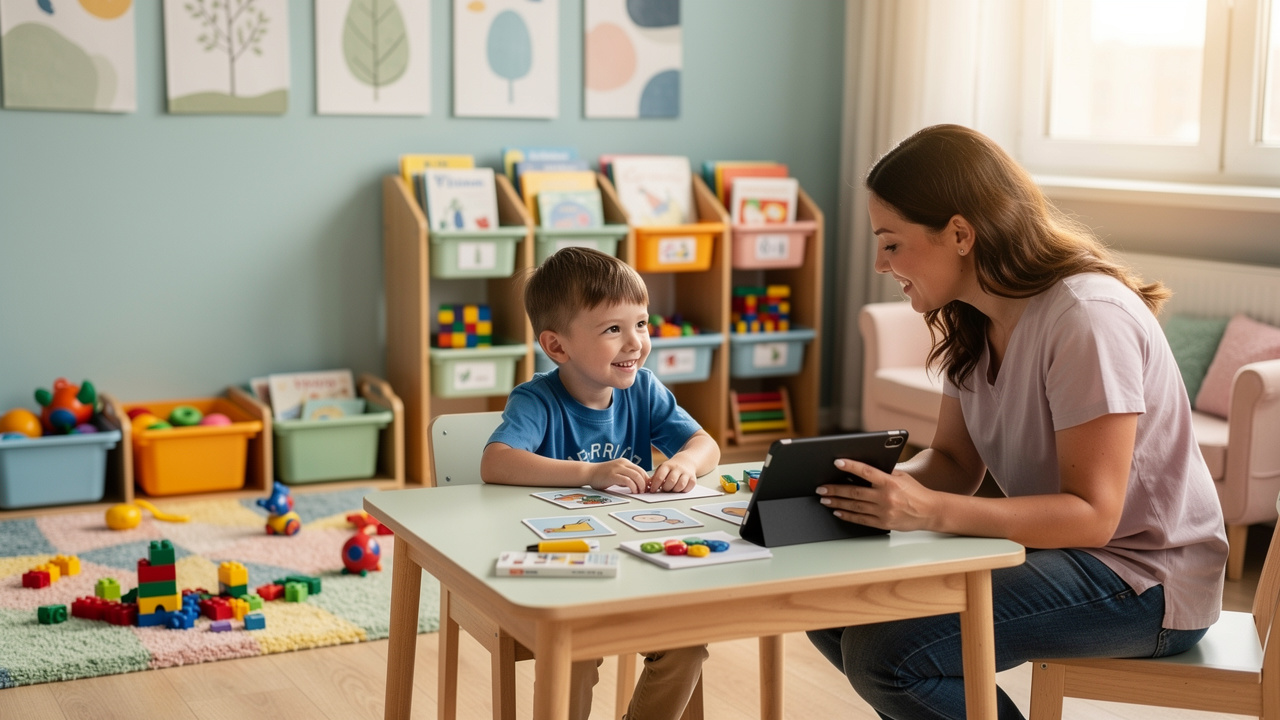
, a proven intervention for autism, can help in . Through and , children can gradually learn to make and maintain eye contact, improving their .
, like those used by Rori Behavioral Innovations Inc., can provide personalized and to in children with autism. These technologies can track eye movements, provide , and , leading to more effective outcomes.
Parents play a vital role in encouraging development in children with . By incorporating eye contact exercises in and providing , parents can help their child feel more comfortable with eye contact. It's important to remember that progress may be slow, but every .
There are numerous improving their eye contact through and . These case studies serve as a beacon of hope, demonstrating that with the right support and interventions, children with autism can overcome their challenges and thrive.
Understanding and addressing the challenges faced by children with autism in maintaining eye contact is crucial for their social development and overall well-being. Avoiding eye contact is not a sign of rudeness or disinterest, but rather a reflection of sensory sensitivity that can make direct eye contact overwhelming or uncomfortable for these children. By recognizing this sensory challenge and implementing effective teaching techniques, we can help children with autism develop the important social skill of eye contact and foster meaningful connections with others.
Eye contact plays a significant role in non-verbal communication and establishing connections. For children with autism, difficulties in maintaining eye contact can hinder their social interactions and relationships. However, there are several effective techniques to teach eye contact, such as visual aids, social rewards, role-modeling, and structured practice sessions. Tailoring these methods to suit each child's unique needs and preferences can enhance their engagement and learning experience. By providing support and guidance in developing appropriate eye contact skills, we can empower children with autism to navigate social situations more effectively and form meaningful connections.