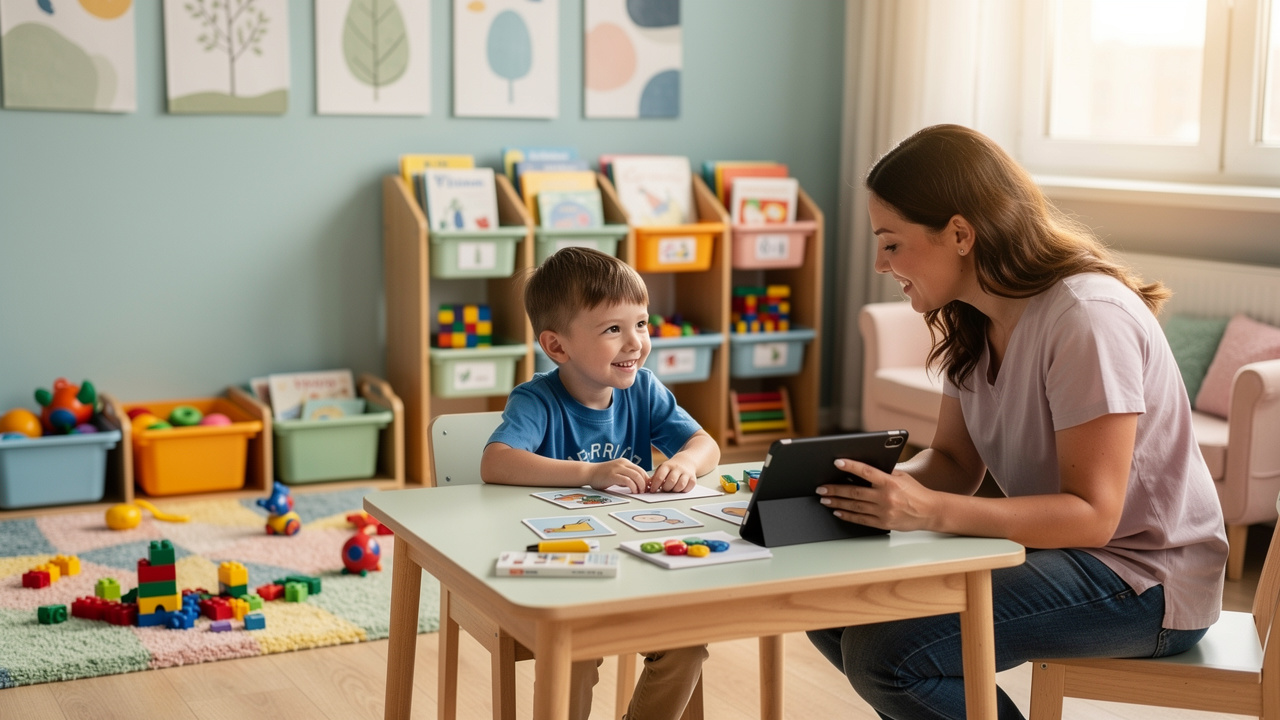
Music has a powerful impact on individuals, and for children with autism, it can be a transformative tool in therapy. The role of "I have autism" songs, specifically designed to resonate with their experiences, is being recognized as a valuable resource in promoting communication, social skills, emotional expression, and sensory integration. These songs create a safe and relatable space for children with autism, allowing them to connect with their surroundings and others in a meaningful way.
In this article, we will explore the potential of "I have autism" songs in therapy and their impact on various aspects of a child's development. We will discuss how these songs can enhance communication skills, foster social interactions, manage sensory sensitivities, and even promote independence. Additionally, we will delve into the challenges of implementing these songs in treatment plans and the future prospects of incorporating AI and technology to enhance their effectiveness. By understanding the power of "I have autism" songs, parents, caregivers, and therapists can harness their potential to support children with autism on their unique journeys.
Music has long been recognized as a powerful therapeutic tool, especially in the field of . Its universal appeal and ability to evoke emotions make it an effective medium for communication and expression. For children with autism, , connecting them with their environment and the people around them. It can help in , , and . , in particular, can provide a safe and comforting space for children to understand and express their experiences.
are musical compositions that aim to capture the experiences and perspectives of individuals with autism. These songs can be a powerful tool for . They can help children with autism , experiences, and challenges in a way that is accessible and relatable. Moreover, these songs can in those who listen to them, promoting a more .
often experience , which can make navigating everyday environments challenging. can play a crucial role in managing these sensitivities. The rhythmic patterns and melodic structures of these songs can provide a . This can help reduce and promote relaxation. Moreover, the repetitive nature of songs can help better process and understand their sensory experiences.
Several case studies have highlighted the effectiveness of in therapy. For instance, a study conducted by found that integrating these songs into therapy sessions led to significant improvements in children's , , and ability to . Another study found that these songs helped children with autism express their feelings and experiences more effectively, leading to improved self-understanding and .
There are several techniques for integrating into . These include using songs as a , incorporating songs into , and using songs to help children understand and manage their . For instance, a therapist might use a song to help a child understand the concept of . Similarly, a song might be used to help a child manage sensory overload during a challenging situation.
Parents play a crucial role in reinforcing the benefits of at home. By incorporating these songs into , parents can they learn during . For instance, a parent might play a song during a challenging transition, such as getting ready for bed, to help their child and sensory experiences. Additionally, parents can use these songs as a tool for with their child.
The future of 'I have autism' songs is promising, with opening up new possibilities for their application. For instance, can be used to and preferences. This can enhance the effectiveness of the songs and make them more . Additionally, technology can be used to create , such as virtual reality concerts or music-based video games, that can further enhance the .
While 'I have autism' songs offer many benefits, there can be challenges in implementing them in treatment plans. These may include finding songs that resonate with a child's and preferences, integrating songs into in a way that aligns with a child's , and managing potential that may be triggered by certain musical elements. However, with and a , these challenges can be effectively managed.
hold great potential in promoting among children with autism. By providing a , these songs can help children more effectively. They can also promote , which are crucial for independence. Moreover, by fostering a sense of belonging and acceptance, these songs can to participate more fully in their communities.
In conclusion, "I have autism" songs have proven to be a powerful tool in therapy for children with autism. These songs provide a safe and relatable space for children to connect with their surroundings and others, enhancing communication skills, social interactions, emotional expression, and sensory integration. The therapeutic benefits of these songs are significant, offering a transformative experience for children with autism. By harnessing the potential of "I have autism" songs, parents, caregivers, and therapists can support children with autism on their unique journeys.
The broader significance of these songs lies in their ability to foster acceptance and inclusion in society. By listening to and understanding the experiences of individuals with autism through these songs, we can cultivate empathy and create a more inclusive environment. Furthermore, the future prospects of incorporating AI and technology to enhance the effectiveness of these songs hold immense promise. Personalized songs tailored to individual needs and immersive experiences through virtual reality concerts can further amplify the therapeutic benefits. To fully utilize the potential of "I have autism" songs, it is crucial for parents, caregivers, and therapists to explore their use in therapy and incorporate them into treatment plans.