Navigating the emotional landscape of children with autism can feel overwhelming for parents and caregivers. With around 80% of individuals on the spectrum facing challenges in emotional regulation, it’s clear that effective strategies are essential. In this article, we’ll explore four key techniques designed to empower you and support emotional growth in your child.
But how can we tailor these approaches to meet the unique needs of each child, helping them not just manage their emotions but truly thrive in their daily lives? Let’s dive in together!
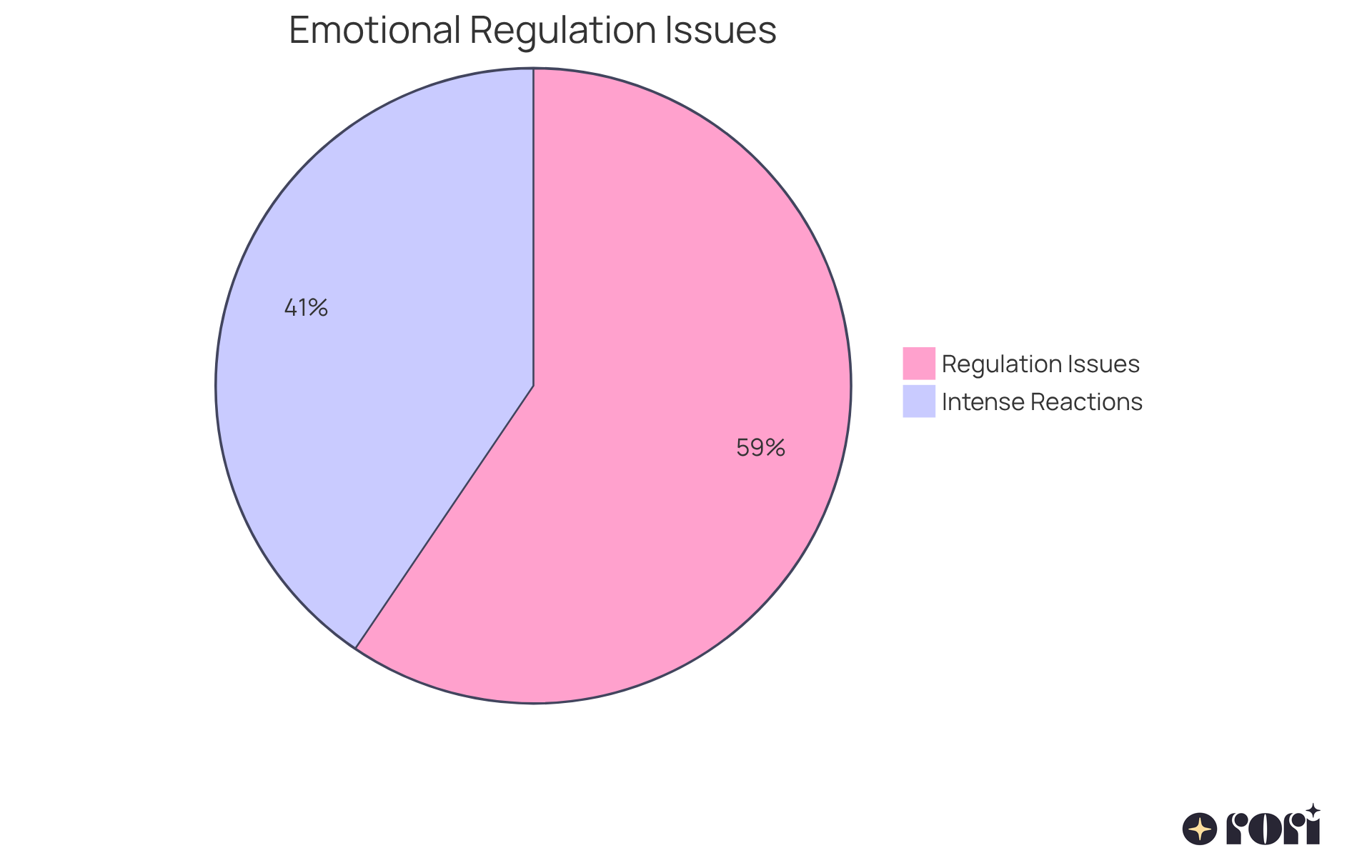
Affect regulation is all about how we monitor, assess, and adjust our feelings in ways that fit social norms. For individuals with autism, this can be quite a challenge. Sensory processing differences, communication hurdles, and social comprehension issues often make this process tougher. Did you know that around 80% of individuals with ASD face ? This includes feelings of irritability, aggression, and anxiety. Plus, about 54.5% of kids show , which can lead to impulsive responses like meltdowns or aggressive actions. Recognizing these challenges is key to and develop better regulation skills.
Parents and caregivers, you play a vital role in this journey! Using can really help kids recognize and label their feelings. Teaching them about physical signs of emotions - like a racing heart or tense muscles - can also empower them to identify their mental states before things escalate. As Kelly Battle Beck, Ph.D., points out, understanding is essential for addressing the psychological challenges faced by youth with developmental disorders. This proactive approach not only boosts but also focuses on helping children with autism manage their emotions effectively.
Incorporating strategies from can really enhance these efforts. ABA is a flexible, patient-centered approach that’s shown great results for autism treatment, especially when . Research shows that significant progress is seen in 90% of youth when the recommended hours are fully implemented with caregiver participation. By grasping ABA principles and aligning strategies with therapeutic goals, you can provide even better support at home, leading to improved behavioral outcomes. For example, Isabella, a participant in the SPARK program, has learned to express her feelings by writing letters to her mom. This really highlights how effective these strategies can be in real-life situations. Empowering caregivers through education and active involvement is crucial for helping children with autism manage their emotions and supporting their overall development. Let’s explore this together!
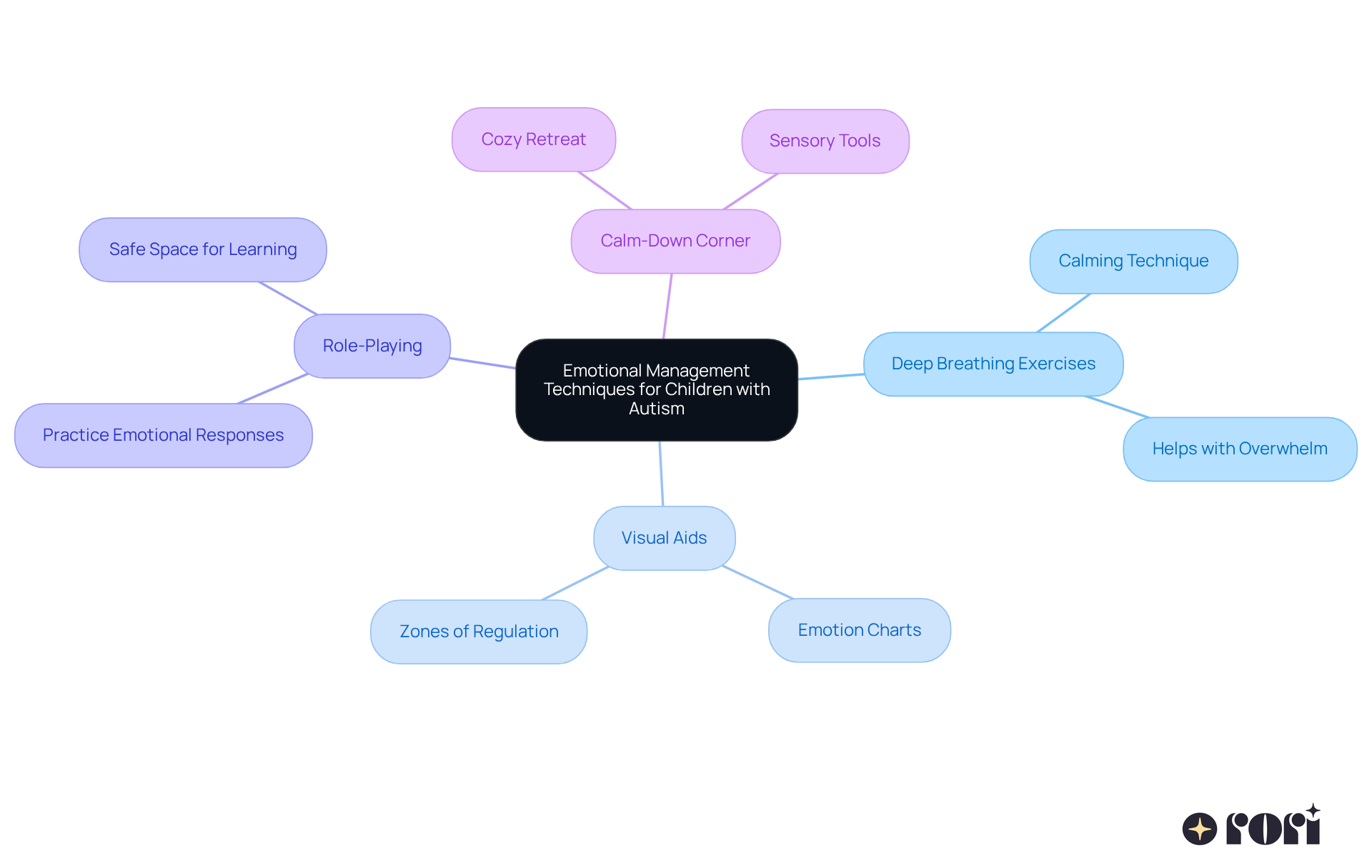
Helping children with autism manage their emotions can feel like a big task, but there are some friendly techniques that can really make a difference! One great way is to teach . These can help little ones calm down when they’re feeling overwhelmed. 🌬️
Another helpful tool is using , like emotion charts or the 'Zones of Regulation.' These can guide kids in recognizing their feelings and understanding how to respond appropriately. Have you ever tried role-playing? It’s a fun way for kids to practice their in a safe space.
Creating a '' at home is another fantastic idea! This cozy spot can be filled with sensory tools like fidget toys or soothing visuals, giving kids a retreat when they need it. By sharing these with caregivers and encouraging them to actively participate in tracking progress, we can contribute to helping children with autism manage their emotions more effectively over time.
Let’s explore this together! Remember, you’re not alone in this journey, and we’re here to help you every step of the way!
Support systems are essential for and for the psychological growth of young people with developmental disorders. Parents can really benefit from connecting with local or online groups, where they can share experiences and strategies with others facing similar challenges. Did you know that over two-thirds of families with kids on the autism spectrum join ? This connection can greatly enhance and reduce feelings of isolation.
Involving siblings in the caring process can also make a big difference. It encourages teamwork and understanding within the family, . Schools and community organizations play a crucial role too, offering resources like and wellness programs that help autistic youngsters thrive.
about feelings and experiences creates a supportive atmosphere that is essential for helping children with autism manage their emotions. This way, young individuals can truly flourish on their unique paths. At Rori Care, we’re all about empowering caregivers with the knowledge and skills they need to support their children’s behavioral goals. By actively engaging and aligning with , we boost caregiver confidence and lead to better for youth. Together, we can create a that maximizes the impact of interventions. Let’s explore this journey together!

As kids with autism grow, their shift, and it’s crucial to regularly check in on how we are . Think about it: how often do we really ? Parents, it’s crucial to keep an eye on how your child responds to different and be ready to adapt when something isn’t working.
For example, if a starts to lose its magic, why not explore new options? or fun physical activities could open up with autism manage their emotions. Plus, involving your child in choosing these strategies not only empowers them but also to using them.
Continuous improvement in helping children with autism manage their emotions is a journey that nurtures your child’s growth and fosters a sense of independence. It’s all about together! Let’s explore this journey together! 😊
Helping children with autism navigate their emotional landscapes is such an important journey! It takes understanding, patience, and some effective strategies. But remember, it’s not just about tackling challenges; it’s about empowering these kids to recognize and manage their feelings. This empowerment is key to fostering their growth and independence.
Let’s dive into four key strategies that can make a real difference:
Each of these plays a crucial role in supporting our children. By using tools like visual aids, having open family conversations, and involving siblings and communities, we can create a nurturing environment that truly promotes emotional well-being.
As we embark on this journey of emotional growth, staying flexible and responsive to our children’s evolving needs is essential. Regularly checking in and adapting our emotional management strategies helps ensure they remain effective and relevant. By fostering a supportive atmosphere and actively engaging in this process, we can significantly impact our children’s emotional development.
Embracing this collaborative journey not only enhances individual outcomes but also strengthens family bonds and community connections. Together, we’re paving the way for a brighter future for our children with autism. Let’s explore this together! We’re here to help you every step of the way!
What is emotional regulation in the context of autism?
Emotional regulation involves monitoring, assessing, and adjusting feelings to fit social norms. For individuals with autism, this can be challenging due to sensory processing differences, communication hurdles, and social comprehension issues.
How common are regulation issues among individuals with autism?
Approximately 80% of individuals with Autism Spectrum Disorder (ASD) experience regulation issues, which can manifest as irritability, aggression, and anxiety.
What percentage of children with autism show intense emotional reactions?
About 54.5% of children with autism exhibit intense reactions that may lead to impulsive responses such as meltdowns or aggressive actions.
How can parents and caregivers assist children with autism in managing emotions?
Parents and caregivers can use visual aids like emotion charts to help children recognize and label their feelings. Teaching children about physical signs of emotions, such as a racing heart or tense muscles, can also empower them to identify their mental states before situations escalate.
Why is understanding emotion dysregulation important for youth with developmental disorders?
Understanding emotion dysregulation is essential for addressing the psychological challenges faced by youth with developmental disorders, as it helps boost emotional awareness and manage emotions effectively.
What role does Applied Behavior Analysis (ABA) therapy play in emotional regulation for children with autism?
ABA therapy is a flexible, patient-centered approach that has shown positive results for autism treatment, particularly when caregivers are actively involved. It can enhance efforts to improve emotional regulation and behavioral outcomes.
What evidence supports the effectiveness of ABA therapy in managing emotions for children with autism?
Research indicates that significant progress is observed in 90% of youth when the recommended ABA therapy hours are fully implemented with caregiver participation.
Can you provide an example of how strategies from ABA therapy can be applied in real life?
An example is Isabella, a participant in the SPARK program, who learned to express her feelings by writing letters to her mom, demonstrating the effectiveness of these strategies in real-life situations.
What is the importance of empowering caregivers in the emotional regulation process for children with autism?
Empowering caregivers through education and active involvement is crucial for helping children with autism manage their emotions and supporting their overall development.