Feeding difficulties in children with autism spectrum disorder (ASD) can be a real challenge for families, and you're definitely not alone in this. Did you know that around 82.4% of autistic children face some kind of dietary struggle? That’s a significant number! So, it’s crucial to find effective strategies to make mealtime a more positive experience for everyone involved.
In this article, we’ll explore five key steps that can help transform mealtime into a more enjoyable occasion. We’ll tackle issues like food selectivity, sensory sensitivities, and anxiety - things that many parents can relate to. How can we create an environment that not only encourages healthy eating habits but also eases the stress that often comes with mealtime? Let’s dive into these essential strategies together, as they might just hold the key to a happier dining experience for both your child and your family!
(ASD) can show up in different ways, highlighting the need for strategies on how to address . You might notice selectivity, aversions to certain textures, or even anxiety around mealtime. Did you know that about 82.4% of autistic children face some kind of dietary challenge? This can really impact their nutrition and overall well-being. Understanding how to is crucial for finding .
As parents, it’s important to recognize that often lead to , which can result in a limited diet. You might find that , like refusing to eat or having tantrums during meals, can make feeding even more complicated. By spotting these patterns, you can discover how to , approaching mealtime with a fresh perspective and that encourages .
Let’s explore this together! By sharing experiences and strategies, we can help each other navigate these challenges. Remember, you’re not alone in this journey!
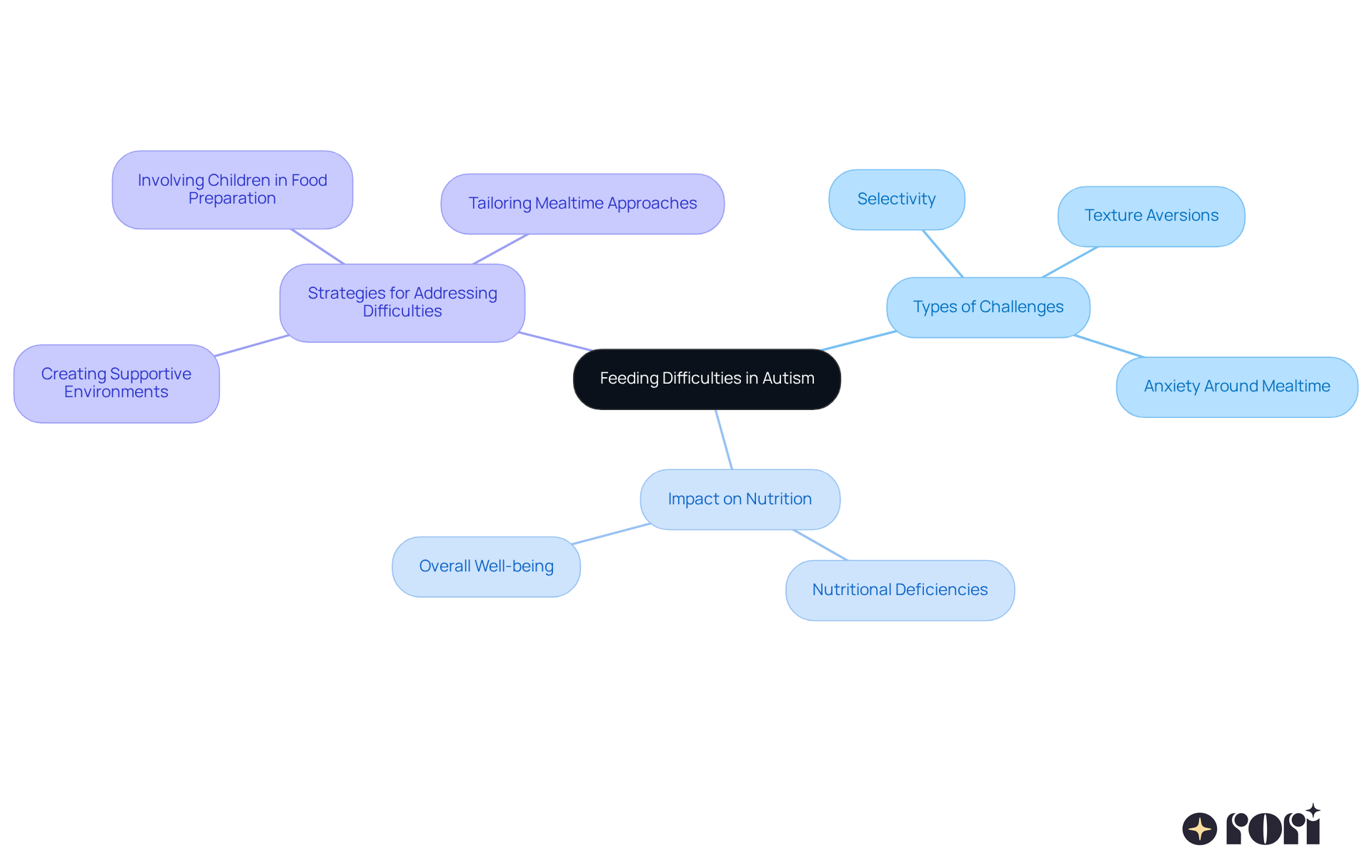
Feeding challenges can be tough for children with autism, and many parents are looking for ways on how to address while navigating a tricky landscape. Let’s take a closer look at some :
Recognizing how to address mealtime difficulties in autism is the first step. By understanding what your child is going through, you can start to . Remember, you’re not alone in this journey-let’s explore this together!
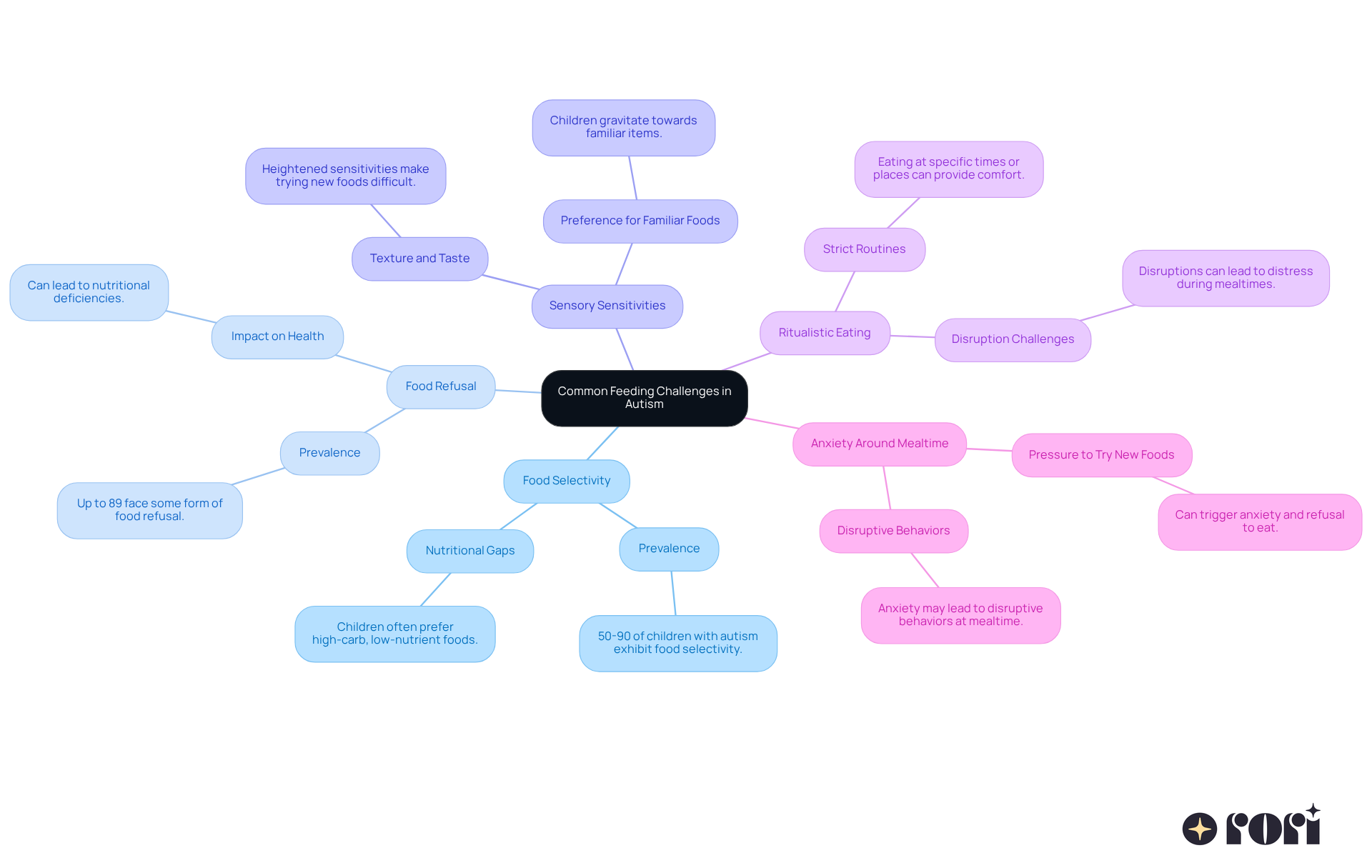
: Let’s start by introducing new foods gradually! Pairing small amounts of unfamiliar choices with familiar favorites can really help ease anxiety around mealtime. Imagine this: a child who once only ate four items expands their diet to over 50 with a little practice! After just nine months of gradual exposure, one participant did just that. It’s all about making the process enjoyable, especially when caregivers are actively involved.
: Now, who doesn’t love a little praise? When your little one tries new dishes or shows positive mealtime behaviors, a bit of encouragement can go a long way. Studies show that positive reinforcement can significantly boost meal acceptance, helping kids engage with nutrition in a healthy way. Bianca E Andreone points out that can lead to nutritional deficiencies, so these strategies are super important. Plus, when caregivers learn about ABA principles, they can really enhance the effectiveness of these reinforcement strategies, leading to better outcomes.
: Establishing consistent meal and snack times can create a comforting structure for your child. Kids with autism often thrive on routine, which is important when learning how to address . When eating becomes predictable, it can lead to better dining behaviors. Caregivers equipped with can implement these routines more effectively, supporting their child’s progress.
: A calm mealtime atmosphere is key! Reducing noise and distractions can help kids focus on eating, which lowers anxiety and makes the experience more enjoyable. Caregivers play a vital role in creating this environment by using their ABA knowledge, leading to better engagement during meals.
: Let’s get kids involved in meal planning and preparation! This can spark their curiosity about food and make them more willing to try new dishes. When children participate, dining becomes more exciting and less stressful. Empowering caregivers with ABA strategies enhances their ability to support their child’s engagement in these activities.
By applying these strategies, parents can understand how to address mealtime difficulties in autism, leading to a more positive and supportive dining experience. Together, we can while actively engaging caregivers in the process. Let’s explore this together!

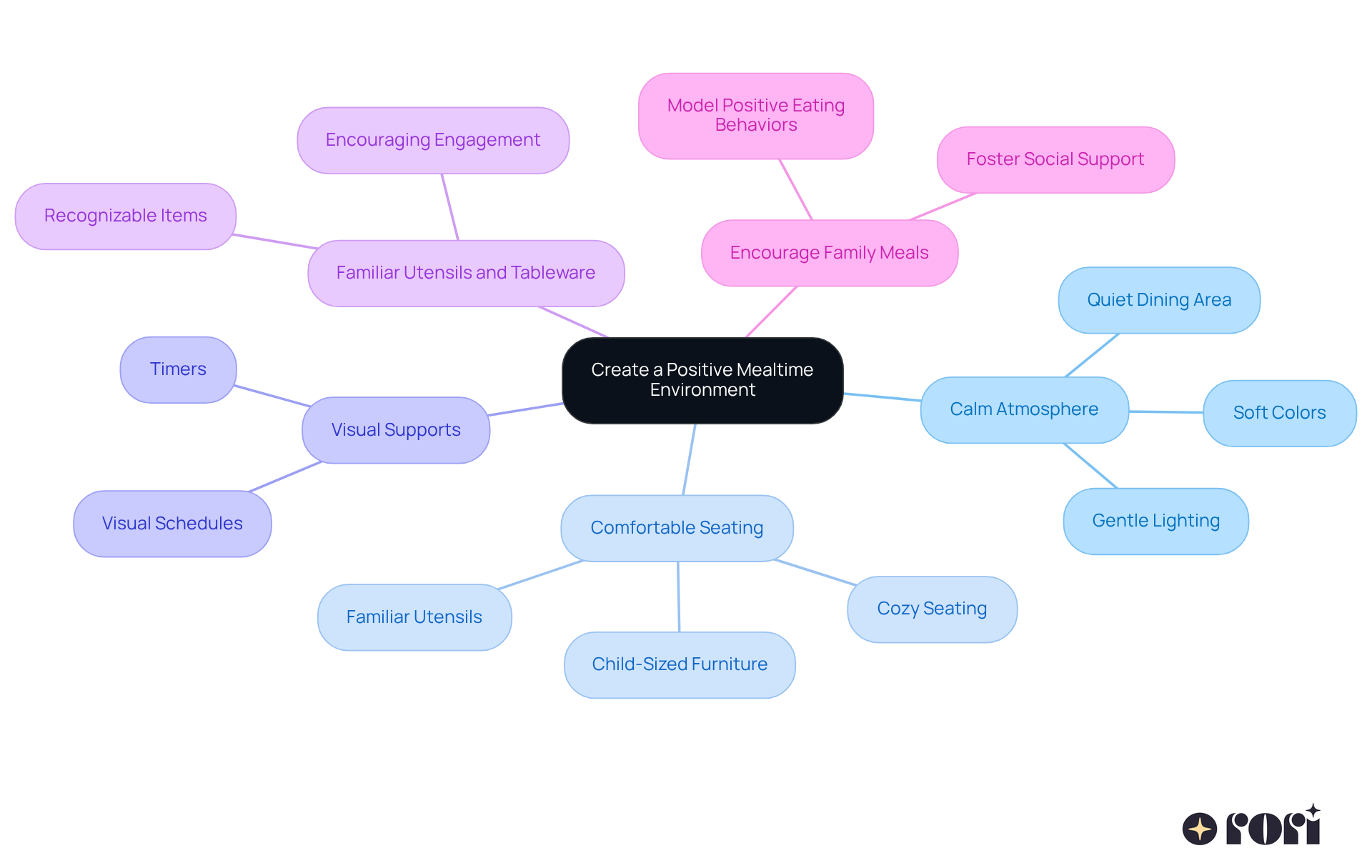
Creating a positive mealtime environment can significantly help families, particularly those looking for ways on . Here are some friendly strategies to help you make mealtime a more enjoyable experience:
By focusing on these elements and tapping into the support from Rori Care’s clinical leadership team, you can create a more enjoyable and less stressful mealtime experience for your family. Let’s explore this together!
When keep popping up despite your best home strategies, understanding how to address by reaching out for professional support can be a game changer. Let’s take a look at some great options:
Working alongside these experts gives parents valuable insights and support, leading to better feeding outcomes for their children. Collaborating with an interdisciplinary team, like the dedicated clinicians at Rori Care, is so important. Rori Care offers comprehensive consultation services, starting with an initial meeting with your child to understand their unique strengths and needs. They also guide you through navigating insurance-based services and provide emotional support for families. This teamwork can tackle the complex nature of feeding challenges in autism, providing strategies on how to address mealtime difficulties in autism while ultimately promoting better nutrition and overall well-being.
Let’s explore this together! We’re here to help you every step of the way!

Addressing mealtime difficulties in children with autism can feel overwhelming, but understanding the unique challenges they face is the first step. By recognizing issues like food selectivity, refusal, and sensory sensitivities, parents can better support their little ones in developing healthier eating habits. Creating a positive mealtime environment, gradually introducing new foods, and involving children in the process can make dining more enjoyable for everyone involved.
Throughout this guide, we’ve highlighted the importance of patience and creativity when navigating these challenges. Whether it’s establishing routines, minimizing distractions, or reaching out for professional support, each approach plays a vital role in enhancing the mealtime experience for both children and their families. Collaborating with pediatric feeding therapists, dietitians, and behavioral therapists can lead to tailored interventions that address specific needs and foster positive eating behaviors.
Ultimately, improving mealtime experiences for children with autism is a journey we can share together. By implementing these strategies and seeking support when needed, families can create a nurturing environment that encourages exploration and acceptance of a diverse diet. Embracing this journey not only benefits your child’s nutritional health but also strengthens family bonds, turning mealtimes into a source of joy and connection. Let’s explore this together!
What are some common feeding difficulties faced by children with autism?
Common feeding difficulties include food selectivity, food refusal, sensory sensitivities, ritualistic eating, and anxiety around mealtime.
How prevalent are feeding challenges among autistic children?
About 82.4% of autistic children face some kind of dietary challenge, which can significantly impact their nutrition and overall well-being.
What is food selectivity, and how does it affect children with autism?
Food selectivity refers to a limited range of foods that children with autism prefer, often favoring those high in carbohydrates but low in essential nutrients. This can lead to nutritional gaps.
What does food refusal mean in the context of autism?
Food refusal is when children with autism, up to 89%, outright refuse certain foods, making it challenging to ensure they receive necessary nutrition for their health and development.
How do sensory sensitivities impact a child's eating habits?
Sensory sensitivities can make children sensitive to textures, tastes, or smells, leading them to prefer familiar foods and avoid trying new ones, which can limit their diet.
What is ritualistic eating, and how can it affect mealtime?
Ritualistic eating involves strict routines around meals, such as eating at specific times or in certain locations. While it can provide comfort, disruptions to these routines can cause distress during mealtimes.
How does anxiety around mealtime manifest in autistic children?
Anxiety around mealtime can lead to refusal to eat or other disruptive behaviors when faced with pressure to try new foods or unfamiliar items, making mealtime stressful for both the child and caregivers.
Why is it important to understand mealtime difficulties in autism?
Understanding mealtime difficulties is crucial for implementing effective strategies that help address these challenges, supporting healthier eating habits and overall well-being for autistic children.