Introduction
Navigating the world of autism treatment can feel overwhelming for parents, especially when it comes to evaluating the effectiveness of Applied Behavior Analysis (ABA) therapy. With its roots in behaviorism and a focus on measurable outcomes, ABA provides a structured way to enhance communication and social skills while also reducing challenging behaviors. But how can you be sure your child is getting the best therapy tailored just for them?
Let’s explore this together! In this guide, we’ll dive into the key indicators of success, the importance of ongoing assessment, and some strategies for collaborating effectively with therapists. By empowering yourself with this knowledge, you can actively engage in your child's developmental journey and feel more confident in the choices you make.
Understand the Basics of ABA Therapy
Applied Behavior Analysis (ABA) therapy is a scientifically validated approach that focuses on improving specific actions and skills in children with autism. Let’s take a closer look at some key components that define its framework:
- Principles of ABA: At its core, ABA is rooted in behaviorism. It centers on observable actions and uses techniques to change them through reinforcement and outcomes. Understanding the role of these actions is crucial for effectively implementing change.
- Goals of ABA: The main aims here are to enhance positive actions, like communication and social skills, while reducing negative behaviors, such as tantrums and aggression. Research shows that kids who start ABA therapy early often see significant improvements in social communication and adaptive behaviors. Isn’t that encouraging?
- [Data-Driven Approach](https://rori.care/services): One of the standout features of ABA is its reliance on data collection to track progress. This systematic monitoring helps therapists make informed decisions about , ensuring that interventions remain effective and aligned with each child’s evolving needs.
- [Individualized Treatment Plans](https://rori.care/services/individual-therapy): Every child benefits from a personalized treatment plan tailored to their unique strengths and challenges. This customization is key! Studies indicate that children receiving intensive and personalized ABA interventions tend to experience greater improvements in communication and social skills.
By understanding these foundational elements, parents can better engage in evaluating ABA therapy effectiveness to see if the practices align with their child's specific needs and expectations. It’s all about fostering a supportive environment for their development. So, let’s explore this together! If you have any questions or thoughts, feel free to share!

Identify Key Indicators of Effectiveness
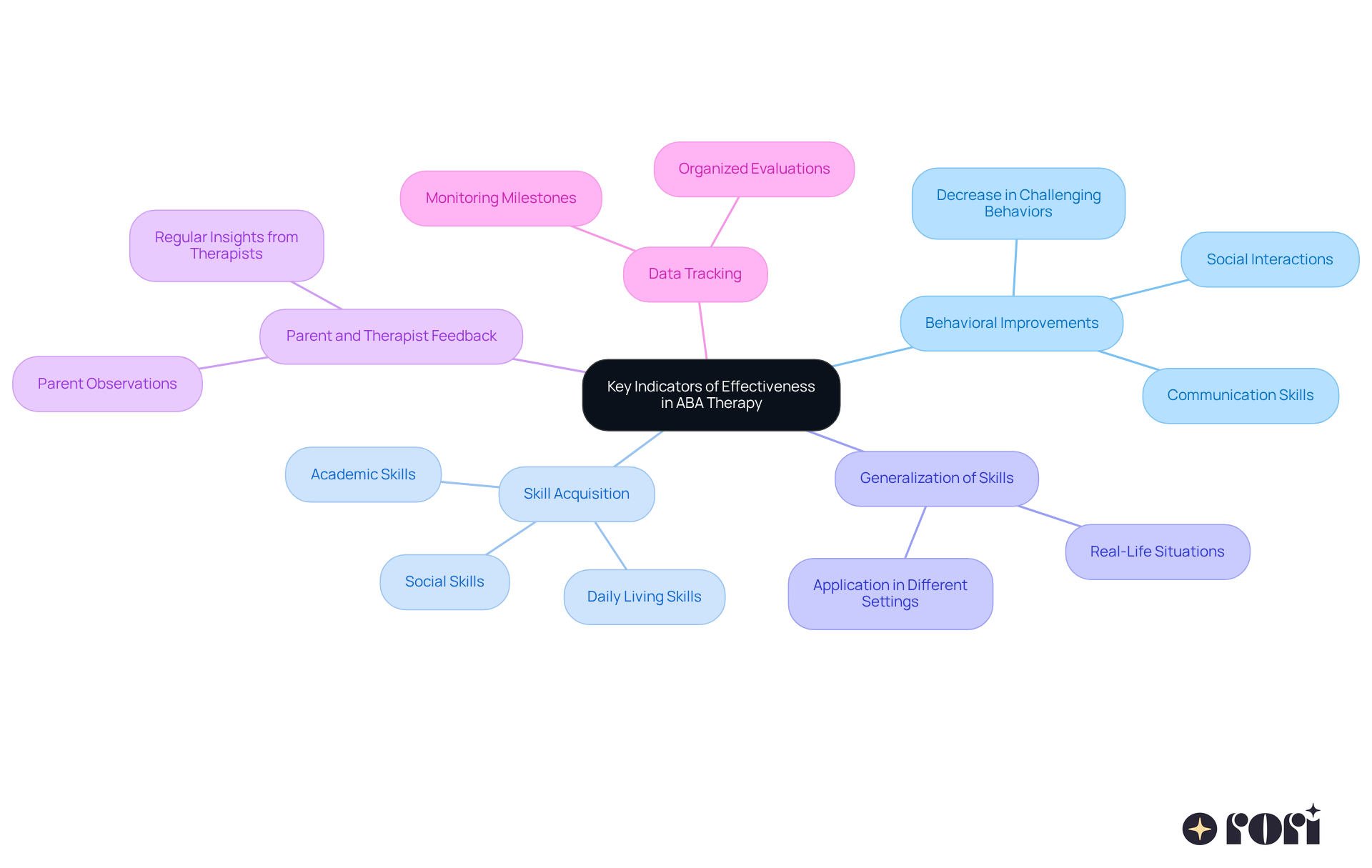
To effectively evaluate the success of ABA therapy, parents can focus on a few key indicators that really matter:
- Behavioral Improvements: Keep an eye out for noticeable changes in behavior. This includes better communication skills, improved social interactions, and a decrease in challenging behaviors. Research shows that kids involved in ABA often make significant strides in these areas, with success rates exceeding 89%!
- Skill Acquisition: Look for advancements in new abilities - whether they’re academic, social, or daily living skills. Studies indicate that children who receive early and intensive ABA therapy, especially before age five, show remarkable improvements in adaptive behaviors and communication skills.
- Generalization of Skills: It’s crucial for kids to apply what they’ve learned in different settings - like at home, school, or in the community. Effective ABA therapy should help children use their skills in real-life situations, showing that the treatment is making a lasting impact.
- Parent and Therapist Feedback: Regular insights from therapists, along with your observations, can shed light on your child’s progress and pinpoint areas that might need extra attention. Engaging in open conversations with counselors ensures that the treatment aligns with your child’s evolving needs.
- Data Tracking: Keeping track of progress over time is essential. By monitoring milestones and behavioral changes through organized evaluations, you can clearly see your child’s growth, which is essential for evaluating ABA therapy effectiveness.
By closely watching these indicators, you can gain a well-rounded understanding of your child’s progress in ABA. This way, you can ensure that the treatment is . Let’s explore this together!
Monitor Progress Through Continuous Assessment
Monitoring progress in ABA therapy can feel like a journey, and there are some key practices that can help make it smoother:
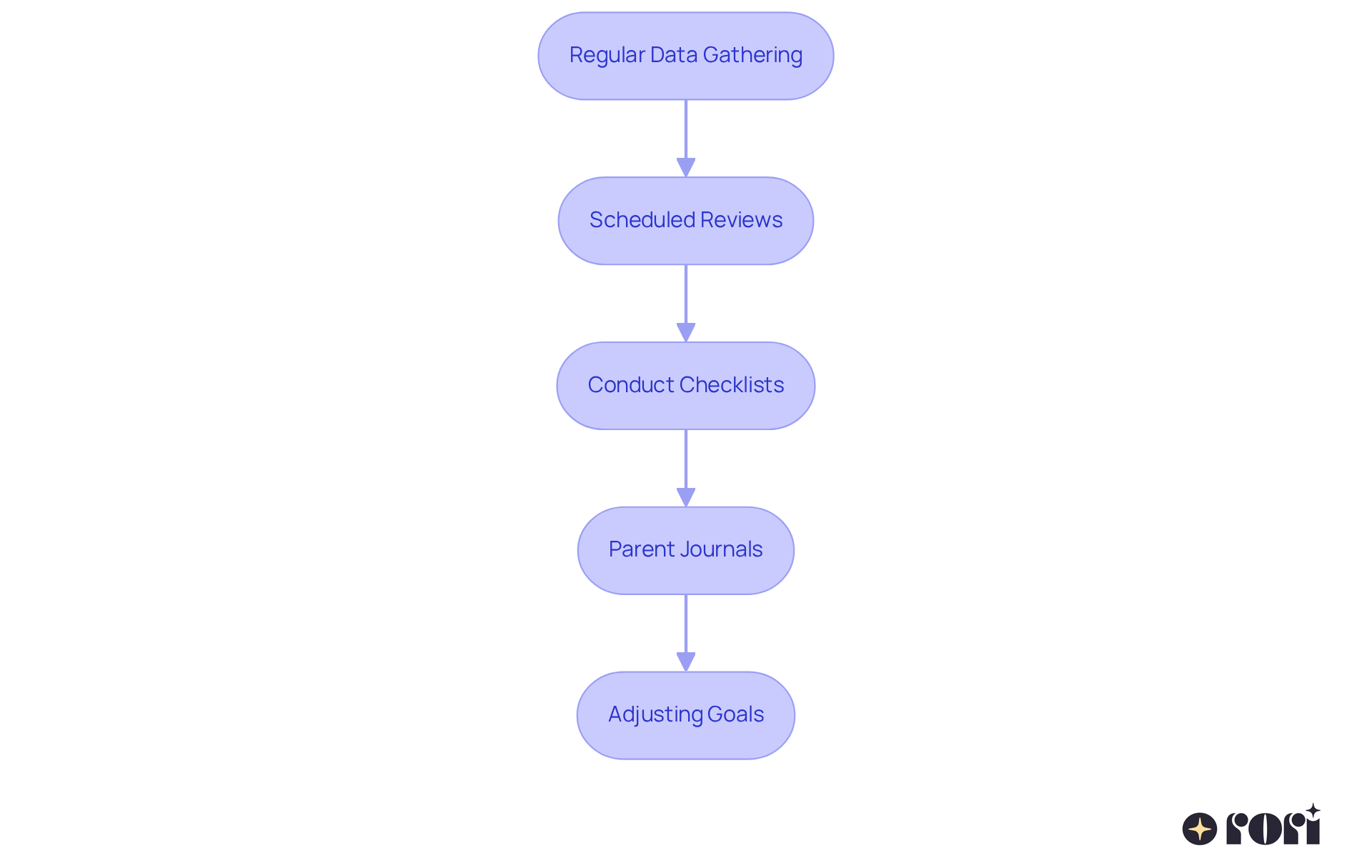
- Regular Data Gathering: It’s important to set up a system for collecting data on specific actions and skills. Think of it as keeping track of little victories! This can include frequency counts, duration measures, and even qualitative observations. Our conduct care engine is designed to revise intervention and skill acquisition plans after each session based on the progress made. This way, treatment plans stay adaptive and responsive to your child’s needs.
- Scheduled Reviews: Setting regular intervals, like monthly or quarterly, to review progress with therapists can be a game changer. It allows for quick adjustments to the treatment strategy based on what your child needs, especially when you’re actively involved in the process.
- Conduct Checklists: Checklists can be a handy tool to monitor specific actions and skills over time. They make it easier to visualize progress, supporting the ongoing evaluation of your child’s development. Plus, who doesn’t love checking things off a list?
- Parent Journals: Encouraging parents to keep a journal documenting their child’s behaviors, challenges, and successes can be incredibly valuable. It not only offers insights during therapy evaluations but also empowers you with ABA principles and strategies to support your child’s behavioral goals.
- Adjusting Goals: Being open to modifying objectives based on your child’s progress is key. If certain goals are consistently met, it might be time to set new, more challenging ones. With AI-driven , caregivers can enjoy 50% more time dedicated to their child’s treatment, allowing for a more focused approach to achieving these goals.
By actively participating in ongoing evaluation, you can ensure that evaluating ABA therapy effectiveness allows the intervention to remain effective and tailored to your child’s development. Let’s explore this together!
Collaborate with Therapists for Effective Evaluation
Effective collaboration with therapists is essential for evaluating ABA therapy effectiveness. Here are some friendly strategies to enhance this partnership:
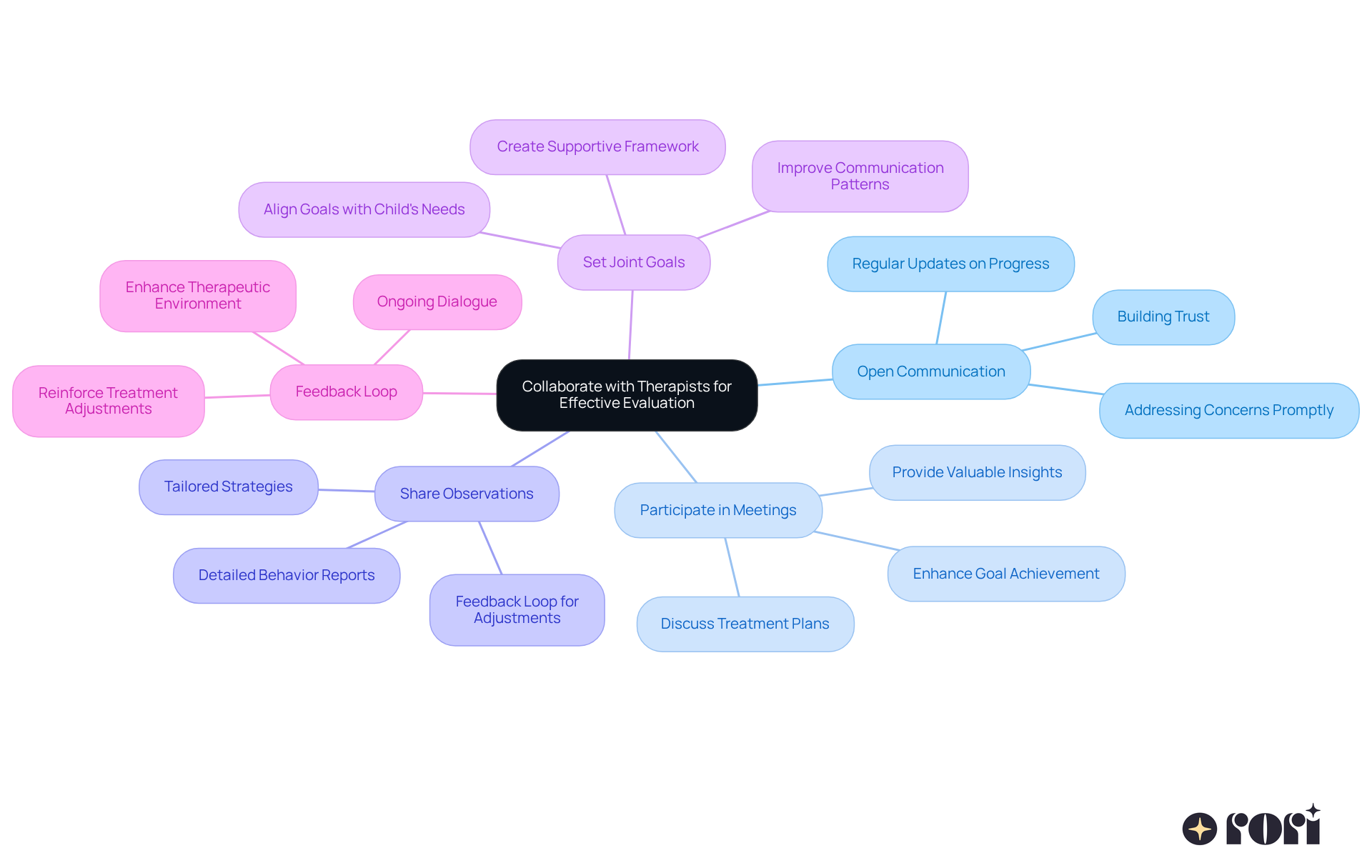
- Open Communication: Keeping those lines of communication open with therapists is key! Regular chats about your child’s progress, challenges, and any concerns can really make a difference in treatment outcomes. Research shows that when parents and professionals communicate effectively, it builds a strong partnership that leads to better results.
- Participate in Meetings: Attending meetings with therapists is a great way for parents to discuss treatment plans and progress. Your insights are super valuable in shaping the therapy! Studies indicate that kids reach their goals faster when caregivers are .
- Share Observations: It’s crucial to share detailed observations of your child’s behavior at home and in different settings with therapists. This info helps them tweak strategies to fit your child’s unique needs. A feedback loop where both parents and therapists share successes and areas for improvement can really enhance this process.
- Set Joint Goals: Work together with therapists to set realistic and achievable goals for your child. Aligning these goals with your child’s needs and family values creates a supportive framework for progress. Research shows that when parents engage in setting objectives, it leads to better communication and interaction patterns, making the whole experience more positive.
- Feedback Loop: Establishing a feedback loop encourages ongoing dialogue between parents and therapists. Regular communication not only addresses concerns as they come up but also reinforces treatment adjustments, making for a more effective therapeutic environment. Studies show that regular parental involvement in counseling sessions is linked to better treatment outcomes and improved behavior in children.
By closely collaborating with therapists, parents can really enhance the evaluation process, which is crucial when evaluating ABA therapy effectiveness and contributing to their child’s success. Let’s explore this together!
Conclusion
Evaluating the effectiveness of ABA therapy is such an important journey for parents wanting the best for their children with autism. By grasping the basics of ABA, spotting signs of success, and keeping an eye on progress, parents can make sure their child's therapy is just right for their unique needs. This proactive approach not only creates a nurturing environment but also empowers caregivers to actively participate in their child's growth.
Key insights from the article remind us how vital behavioral improvements, skill acquisition, and the ability to generalize skills are when assessing ABA therapy's success. Plus, working closely with therapists through open communication and shared goals really enhances the evaluation process. It helps ensure that interventions stay effective and adapt to each child's changing needs. Regularly tracking data and getting parents involved are also crucial pieces that help paint a full picture of a child's progress.
Ultimately, evaluating ABA therapy effectiveness is all about partnership and commitment. By staying engaged and informed, parents can play a key role in their child's therapeutic journey, paving the way for meaningful improvements in communication, social skills, and overall quality of life. Embracing these strategies not only supports the child's development but also highlights the importance of working together to achieve successful outcomes in ABA therapy. Let’s explore this together!
Frequently Asked Questions
What is ABA therapy?
ABA therapy, or Applied Behavior Analysis therapy, is a scientifically validated approach focused on improving specific actions and skills in children with autism.
What are the principles of ABA therapy?
The principles of ABA are rooted in behaviorism and center on observable actions. It uses techniques to change behaviors through reinforcement and outcomes.
What are the main goals of ABA therapy?
The main goals of ABA therapy are to enhance positive actions, such as communication and social skills, while reducing negative behaviors like tantrums and aggression.
How does early intervention in ABA therapy benefit children?
Research shows that children who start ABA therapy early often experience significant improvements in social communication and adaptive behaviors.
What is the data-driven approach in ABA therapy?
The data-driven approach in ABA therapy involves systematic monitoring and data collection to track progress, helping therapists make informed decisions about treatment adjustments.
How are treatment plans developed in ABA therapy?
Treatment plans in ABA therapy are individualized and tailored to each child's unique strengths and challenges, which is key to achieving greater improvements.
Why is it important for parents to understand the foundational elements of ABA therapy?
Understanding the foundational elements of ABA therapy helps parents evaluate its effectiveness and ensure that the practices align with their child's specific needs and expectations.