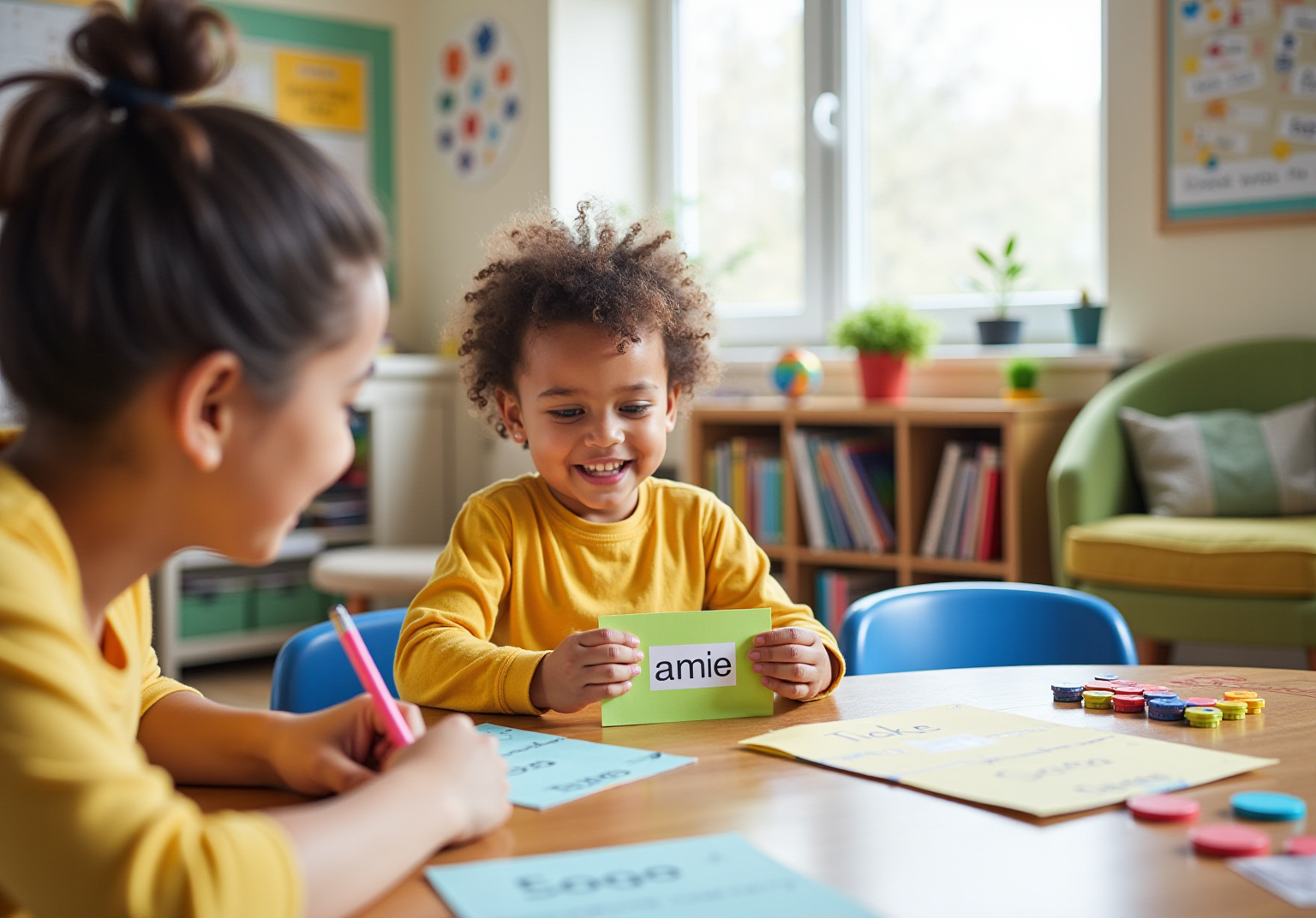
Understanding how children with Autism Spectrum Disorder (ASD) learn and apply skills in real-world situations is so important for their development. 🌱 Promoting generalization skills helps these kids transfer what they’ve learned in therapy to everyday interactions. This not only fosters independence but also enhances their quality of life.
But let’s be real - many parents and caregivers face the challenge of ensuring that these skills are effectively used across different contexts and environments. It can feel overwhelming at times, right? So, what strategies can we use to overcome these obstacles and help our children thrive socially and emotionally? Let’s explore this together!
When it comes to Autism Spectrum Disorder (ASD), one important skill is understanding how to in children with ASD, allowing them to use learned behaviors in different places, with different people, and in various situations. For example, if a child learns to say 'hello' during therapy, , friends, or even strangers in other settings. This skill is vital for social interactions and daily life, especially in understanding how to , helping them apply what they’ve learned beyond the classroom.
We can’t stress enough how important it is for these abilities to be applied in real life. It fosters independence and improves the quality of life for individuals with ASD, ensuring that the benefits of therapy reach into everyday situations. Experts agree that is a key part of , helping bridge the gap between what’s learned in therapy and how it’s used in the real world.
To effectively understand how to , teamwork between parents and therapists is essential. Together, they can create personalized plans that cater to the child’s unique needs, set measurable goals to track progress, and use backed by the latest research. It’s also important to recognize challenges that can make this and limited contextual control, which can hinder a child’s ability to use their skills in different environments.
Think about the success stories: kids who learn to ask for help during therapy and then confidently reach out for assistance at home or school. This kind of progress shows how targeted interventions, along with ongoing evaluation and adjustments to the behavioral plan, can lead to real improvements in a child’s ability to handle social situations and daily tasks. Plus, maintaining those learned skills is crucial, ensuring they stick around over time without needing constant reminders or reinforcement.
By focusing on broadening these skills and equipping caregivers with ABA principles and techniques, therapy can become even more effective in teaching how to . This way, kids can thrive independently and truly flourish in their communities. Let’s explore this together!

Understanding how to is crucial for skill transfer in individuals with autism spectrum disorder. It helps them gain independence and interact socially in different settings. When the skills learned in therapy don’t carry over, it is crucial to understand how to to prevent them from struggling to use those skills in real-life situations. For instance, a young person who follows directions well during a therapy session might find it tough to do the same in a classroom or at home. This illustrates just how crucial it is to understand how to through .
Encouraging is crucial when considering how to , allowing young people to use their talents in everyday life, which boosts their confidence and social interactions. Simple techniques, like using familiar objects from their environment during training sessions, can help bridge the gap between learned behaviors and real-world applications. Plus, is an effective way to learn how to , ensuring these skills are applied in various settings and with different people. This is key! When caregivers are educated, they gain the knowledge and skills needed to support their child’s growth effectively, leading to better and empowering them in the process.
really highlight the benefits of . Kids who develop in structured settings often find it easier to connect with peers in more relaxed environments, leading to stronger friendships and better group dynamics. Additionally, organized support has been shown to enhance , helping young individuals form meaningful relationships. Caregivers who understand ABA principles can make informed choices that positively impact their child’s progress, ultimately leading to improved .
In the end, understanding and applying strategies for how to not only boosts their independence but also enhances their overall quality of life. It helps them thrive in various aspects of their daily experiences. With 1 in 36 kids diagnosed with autism spectrum disorder, the can’t be stressed enough. Let’s explore this together!
To effectively promote , let’s explore some strategies that can really make a difference for your child:
Let’s take this journey together! Your makes all the difference.

Children with Autism Spectrum Disorder (ASD) often face significant challenges in understanding how to in children with ASD when using their skills in various situations. Let’s take a look at some common hurdles and share some friendly strategies to help overcome them:
At Rori Care, we’re all about empowering caregivers with the knowledge and skills to support their loved ones’ behavioral goals. We believe in the power of active involvement and data collection. Our dedicated clinical leadership team is here to foster neurodiversity and ensure children thrive. Together, we can overcome challenges and promote child development through effective . Let’s explore this journey together!

Promoting skill generalization in children with Autism Spectrum Disorder (ASD) is so important! It helps ensure that the valuable lessons learned in therapy actually translate into real-life situations. This process not only boosts a child's ability to interact socially and function independently but also significantly enhances their overall quality of life. By understanding the nuances of skill generalization, caregivers can help make the transition from structured learning environments to everyday contexts smoother, allowing children to truly thrive.
Let’s dive into some key strategies for promoting skill generalization:
It’s also crucial for parents and therapists to collaborate and create tailored plans that meet each child's unique needs. Of course, there are challenges along the way, like recognizing similarities across different contexts and the risk of overgeneralization. But by identifying these hurdles and using targeted strategies, caregivers can effectively support their child's development.
Ultimately, fostering skill generalization is a vital step in empowering children with ASD to navigate their world with confidence. As the prevalence of autism continues to rise, understanding and implementing these strategies becomes even more important. By actively engaging in this journey, caregivers can make a profound difference in their child's ability to generalize skills, leading to greater independence and fulfilling social interactions. Embracing this responsibility not only enriches the lives of children with ASD but also strengthens the bonds within families and communities. Let’s explore this together!
What is skill generalization in children with ASD?
Skill generalization in children with ASD refers to the ability to apply learned behaviors in various settings, with different people, and in different situations. For example, if a child learns to greet someone during therapy, they should also be able to do so with family members or friends outside of therapy.
Why is promoting generalization skills important for children with ASD?
Promoting generalization skills is vital for social interactions and daily life. It fosters independence and improves the quality of life for individuals with ASD, ensuring that the benefits of therapy extend into everyday situations.
How does teamwork between parents and therapists contribute to promoting generalization skills?
Teamwork between parents and therapists is essential for creating personalized plans that cater to a child's unique needs. Together, they can set measurable goals, track progress, and implement evidence-based strategies to promote generalization.
What challenges can hinder skill generalization in children with ASD?
Challenges such as stimulus overselectivity and limited contextual control can make it difficult for children to use their skills in different environments, hindering their ability to generalize learned behaviors.
Can you provide an example of successful skill generalization?
An example of successful skill generalization is a child who learns to ask for help during therapy and then confidently reaches out for assistance at home or school. This demonstrates how targeted interventions can lead to real improvements in handling social situations and daily tasks.
How can therapy be made more effective in promoting generalization skills?
Therapy can be made more effective by focusing on broadening skills and equipping caregivers with ABA principles and techniques, which help children thrive independently and flourish in their communities.