Role-playing has become a wonderful way to help children with Autism Spectrum Disorder (ASD) develop their social skills. It offers a fun and safe space for kids to practice navigating different social situations, which can really boost their confidence and understanding of social cues. But what happens when these role-playing sessions hit a snag?
Let’s take a moment to think about the challenges that can pop up during these activities. Exploring effective strategies for role-playing can truly unlock the door to meaningful social development. It’s so important to recognize both the benefits and the common hurdles that might arise along the way.
So, let’s dive in together and see how we can make the most of these role-playing opportunities!
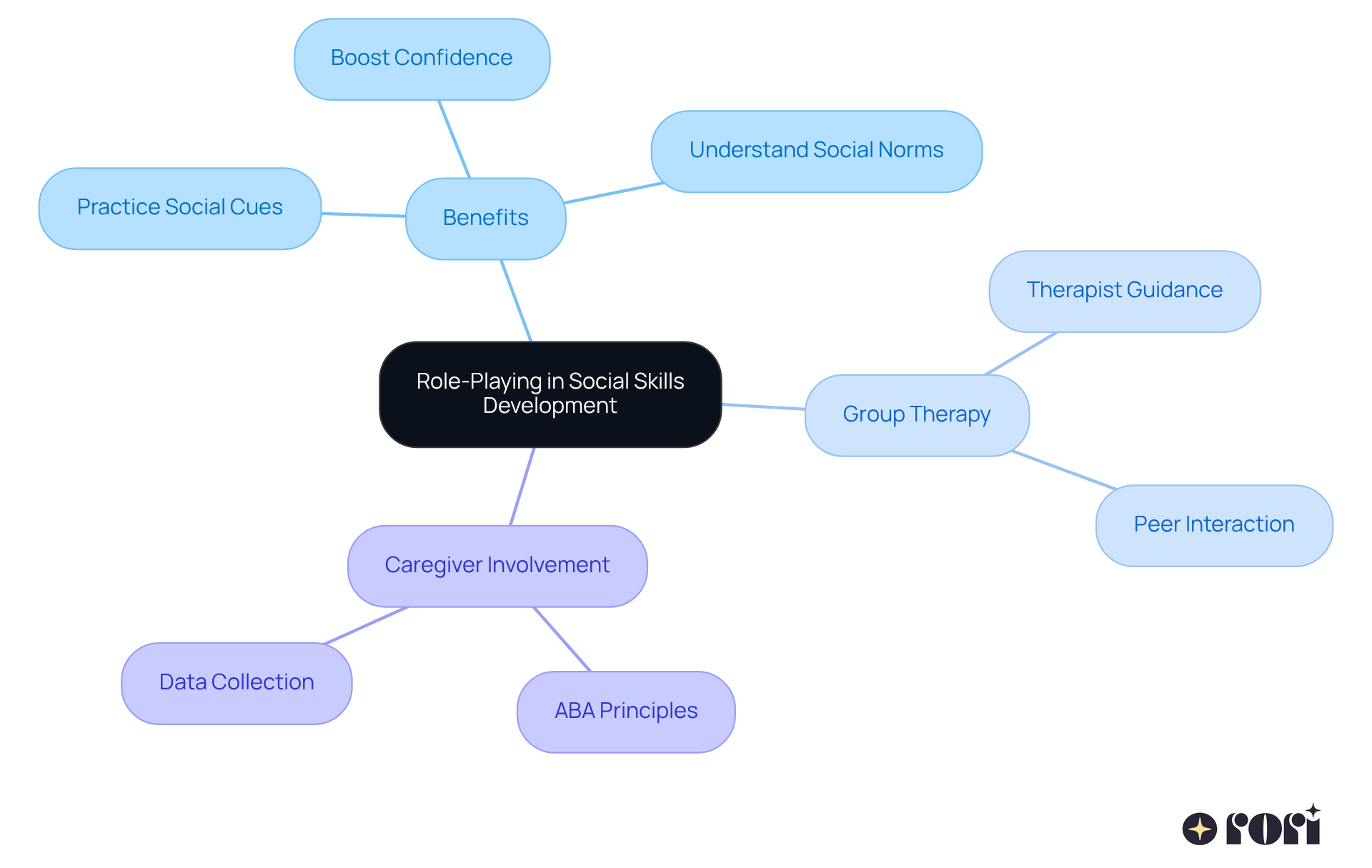
Role-playing can be a game-changer for , demonstrating how to use in children with ASD. It gives young people a chance to step into simulated interactions, helping them practice important cues and responses in a safe space. Imagine your child exploring different social situations - like saying hello to a friend, sharing toys, or even working through a conflict. These scenarios can be tough in real life, but role-playing makes them a bit easier to navigate. Not only does it help kids understand social norms better, but it also boosts their confidence when interacting with others.
At Rori Care, we take this a step further with , led by our caring therapists. This approach enhances and relationships among peers. Research backs this up: understanding how to use role-playing as a tool for , especially in group settings, can significantly , making it a vital part of social development.
And let’s not forget about the caregivers! is key to . By involving caregivers in the process and emphasizing the importance of data collection, Rori Care creates a consistent and that maximizes the effectiveness of interventions. This not only supports individuals with ASD but also helps families tackle challenges together, fostering growth through expertise and compassion.
Let’s explore this journey together! We’re here to help you every step of the way!
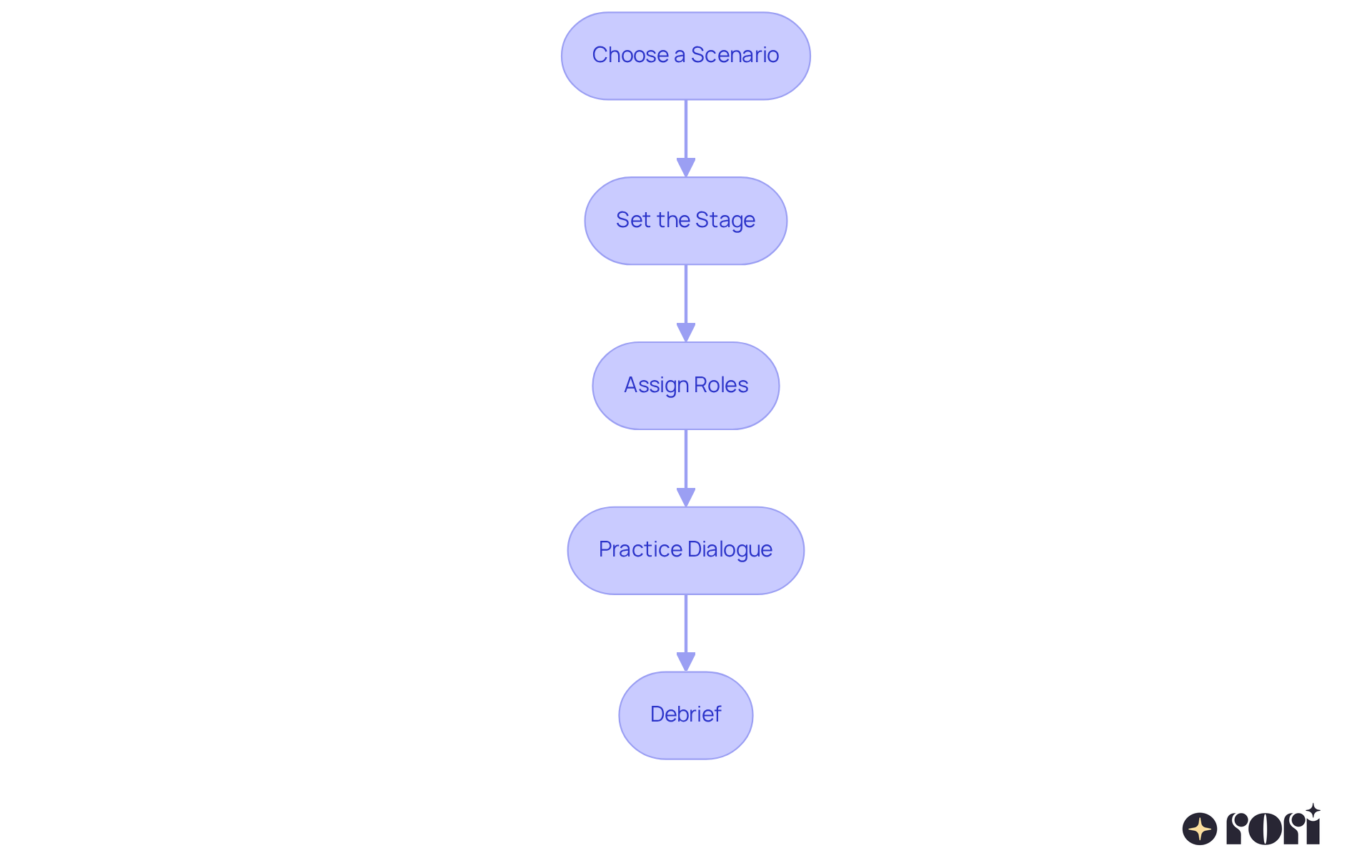
To implement effective , let’s start by picking familiar scenarios that your little one can relate to. Here are some simple steps to follow:
By consistently practicing these activities, kids can learn how to use in children with asd while having fun and staying engaged. Plus, as caregivers, you can enhance your support through informed decision-making and active participation. Let’s explore this together!
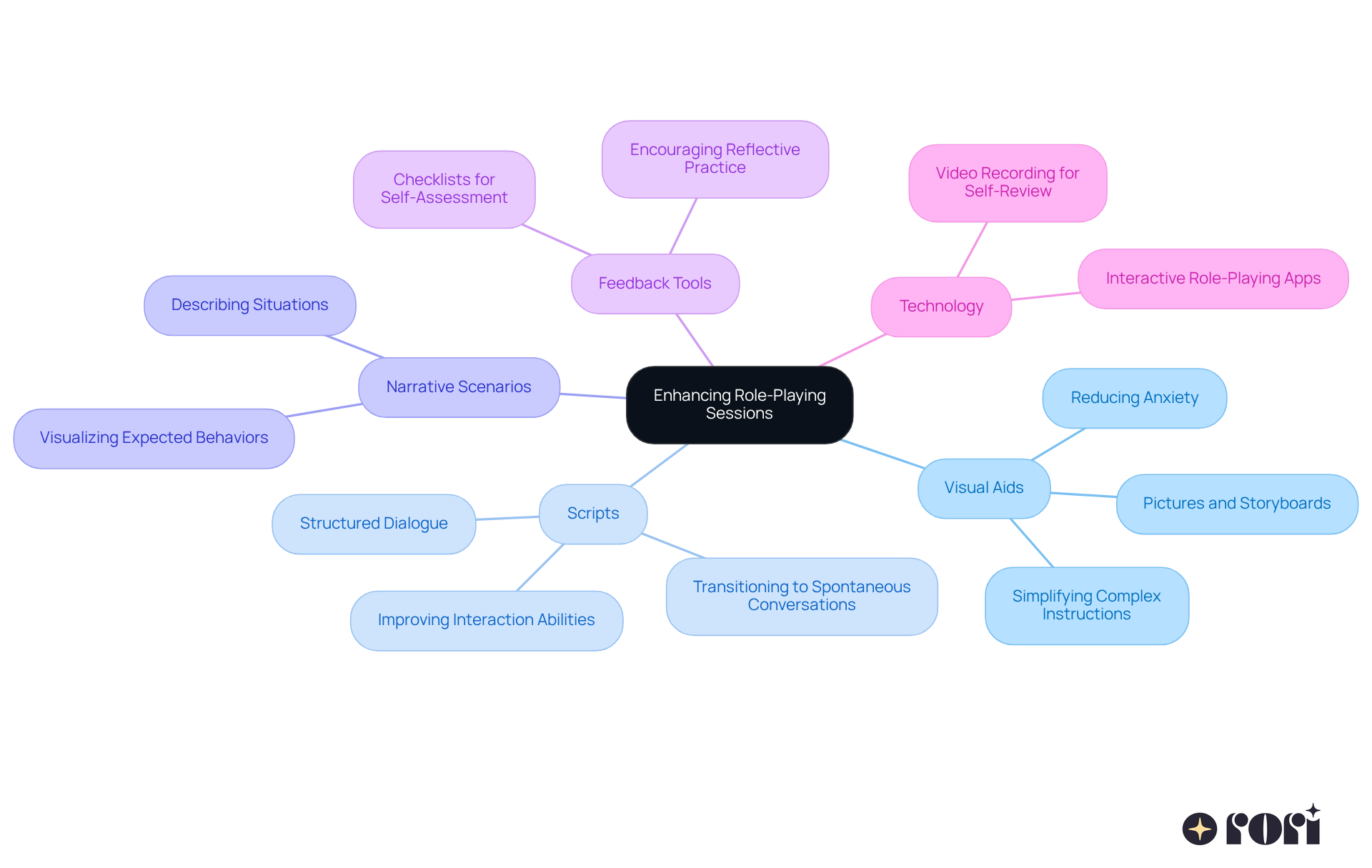
To enhance , let’s explore some helpful tools and resources together:
By using these tools, parents can create a more dynamic and effective role-playing experience that demonstrates how to use role-playing as a tool for in children with ASD, ultimately fostering greater independence and confidence in their interactions. We’re here to help you every step of the way!
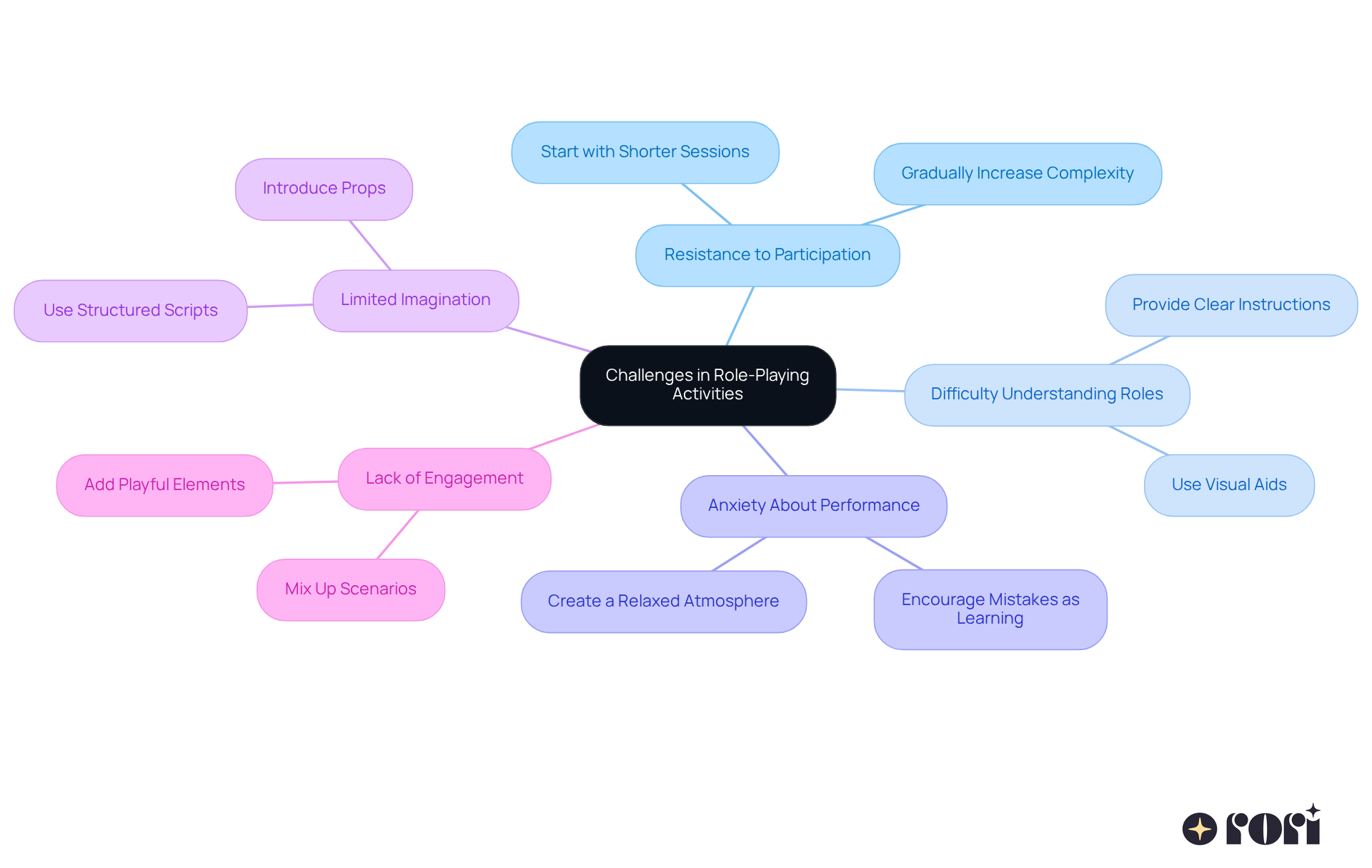
While learning how to use as a tool for in children with ASD can really boost social skills, it’s not without its challenges. Let’s dive into some to tackle common issues:
By proactively addressing these challenges, you can create a nurturing environment that demonstrates how to use role-playing as a tool for in children with ASD. Together, we can empower our children to thrive in social interactions! Let’s explore this journey together!
Role-playing is such a wonderful way to help kids with Autism Spectrum Disorder (ASD) build their social skills! 🌟 This fun approach not only gives them a safe space to practice but also helps them gain the confidence they need to handle real-life social situations. By stepping into different roles, kids can explore and rehearse important social cues, making learning both enjoyable and effective.
Let’s talk about how to implement role-playing activities. It’s all about choosing relatable scenarios and creating a supportive environment. Think about using visual aids, scripts, and feedback tools to make the role-playing experience even better. And don’t worry - if you encounter challenges along the way, there are plenty of strategies to encourage participation and keep things engaging. It’s all about fostering a nurturing atmosphere that promotes growth.
The importance of role-playing in developing social skills for children with ASD really can’t be overstated. It’s a vital intervention that not only supports individual growth but also strengthens family bonds as caregivers join in on the learning journey. By embracing this approach, families can tackle challenges together and celebrate milestones, paving the way for meaningful social interactions and a brighter future for their children.
So, let’s explore this together! Remember, you’re not alone in this journey, and we’re here to help you every step of the way!
What is the role of role-playing in social skills development for children with ASD?
Role-playing serves as a tool for developing interpersonal skills in children with ASD by allowing them to practice important social cues and responses in simulated interactions, helping them navigate various social situations.
How does role-playing help children with ASD?
It helps children understand social norms better and boosts their confidence when interacting with others by providing a safe space to explore different social scenarios, such as greeting friends, sharing toys, or resolving conflicts.
What additional support does Rori Care provide for social skills development?
Rori Care offers group therapy focused on interpersonal skills, led by caring therapists, which enhances role-playing techniques and encourages better communication and relationships among peers.
Is there research supporting the effectiveness of role-playing in group settings for children with ASD?
Yes, research indicates that using role-playing as a tool for social skill development in children with ASD, particularly in group settings, can significantly improve their social skills.
How do caregivers play a role in supporting children with ASD at Rori Care?
Caregivers are empowered with ABA principles and strategies to support their child's behavioral goals, creating a consistent and nurturing environment that maximizes the effectiveness of interventions.
What is the overall approach of Rori Care in supporting individuals with ASD and their families?
Rori Care adopts a holistic approach that not only supports individuals with ASD but also helps families tackle challenges together, fostering growth through expertise and compassion.