Mindfulness has become a wonderful approach in autism care, opening up a pathway for children on the spectrum to connect more deeply with their feelings and the world around them. By weaving mindfulness practices into daily routines, caregivers can help kids manage their emotions, ease anxiety, and sharpen their focus. This not only enriches the lives of children but also brings joy to their families.
But here’s the question: how can we tailor these techniques to fit the unique needs of autistic individuals? Exploring practical mindfulness strategies can shine a light on their benefits while also addressing the specific ways we can implement them in therapeutic settings. Let’s explore this together!
Mindfulness is all about being fully present and engaged in the moment, right? It’s about acknowledging your thoughts and feelings without judgment. For parents of children on the autism spectrum, can be a game-changer. It helps young individuals focus on their present experiences, which can really improve and ease anxiety.
Consider this: activities such as , body scans, and sensory awareness exercises can be customized to address the on the autism spectrum, ultimately improving autism care through mindfulness practices. By nurturing a non-judgmental awareness, kids can better understand their feelings and responses, leading to enhanced coping techniques.
And here’s where Rori Care comes in! Their are designed for individuals of all ages facing challenges like Autism Spectrum Disorders and ADHD. They focus on tailored assistance, transparent progress monitoring, and flexible strategies, ensuring that awareness techniques fit seamlessly into each person’s therapeutic plan.
Plus, Rori Care empowers caregivers with , boosting families' ability to support their children's behavioral goals. This creates a consistent and supportive atmosphere that through mindfulness practices in therapeutic settings.
Let’s explore this together! We’re here to help you every step of the way!

Mindfulness practices are essential for ! 🌟 They help improve feelings regulation, , and . Research shows that just a few minutes of mindfulness each day can significantly lower stress and anxiety levels. Imagine how even short daily sessions can enhance mental wellness!
What’s more, these practices help kids and those of others - a skill that many young ones on the spectrum find tricky. By nurturing this understanding, they can navigate social interactions more smoothly, leading to stronger connections and a better quality of life.
Incorporating mindfulness into daily routines is a way of improving autism care through mindfulness practices, as it aids in emotional control and equips kids with essential tools to manage anxiety. This ultimately supports their overall growth. Rori Care provides a variety of mental health services, including:
All aimed at improving autism care through mindfulness practices to better support children and their families.
It's important to remember that mindfulness techniques might need some tweaking for kids with autism, given their unique sensory sensitivities. Involving the whole family in these practices can make them even more effective. Let’s explore this together! We’re here to help you every step of the way!

Improving through can make the journey wonderful for both you and your child. Here are some friendly strategies to consider:
These methods can easily fit into your daily routine, thereby improving autism care through mindfulness practices and making mindfulness a natural part of your child’s life. Let’s explore this together!
Incorporating awareness techniques into is essential for through , making a real difference for kids with autism. When therapists use strategies created by BCBAs, they can help young individuals gain better and improve their . For example, before diving into a challenging task, a therapist might guide a child through a quick awareness exercise to help them focus. This simple practice can ease , making learning feel a lot more manageable.
Mindfulness is another great tool! It encourages kids to think about their feelings and reactions during therapy sessions, which can strengthen positive behaviors. This holistic approach contributes to improving autism care through mindfulness practices, as it not only targets behavioral goals but also nurtures the emotional well-being of the child. Plus, when caregivers are empowered with ABA principles and strategies, they can provide consistent support at home, which complements the professional help their child receives.
With a better grasp of these principles, caregivers can make that positively influence their child's progress. This leads to improved behavioral outcomes and a happier family dynamic. So, let’s explore this together! We’re here to help you every step of the way!

Improving autism care through mindfulness practices isn’t just beneficial; it can truly change lives. By embracing mindfulness, caregivers and therapists can create a nurturing environment where children on the autism spectrum can thrive emotionally and socially. This approach focuses on being present and engaged, helping kids develop essential coping skills and emotional regulation - key components for their overall growth.
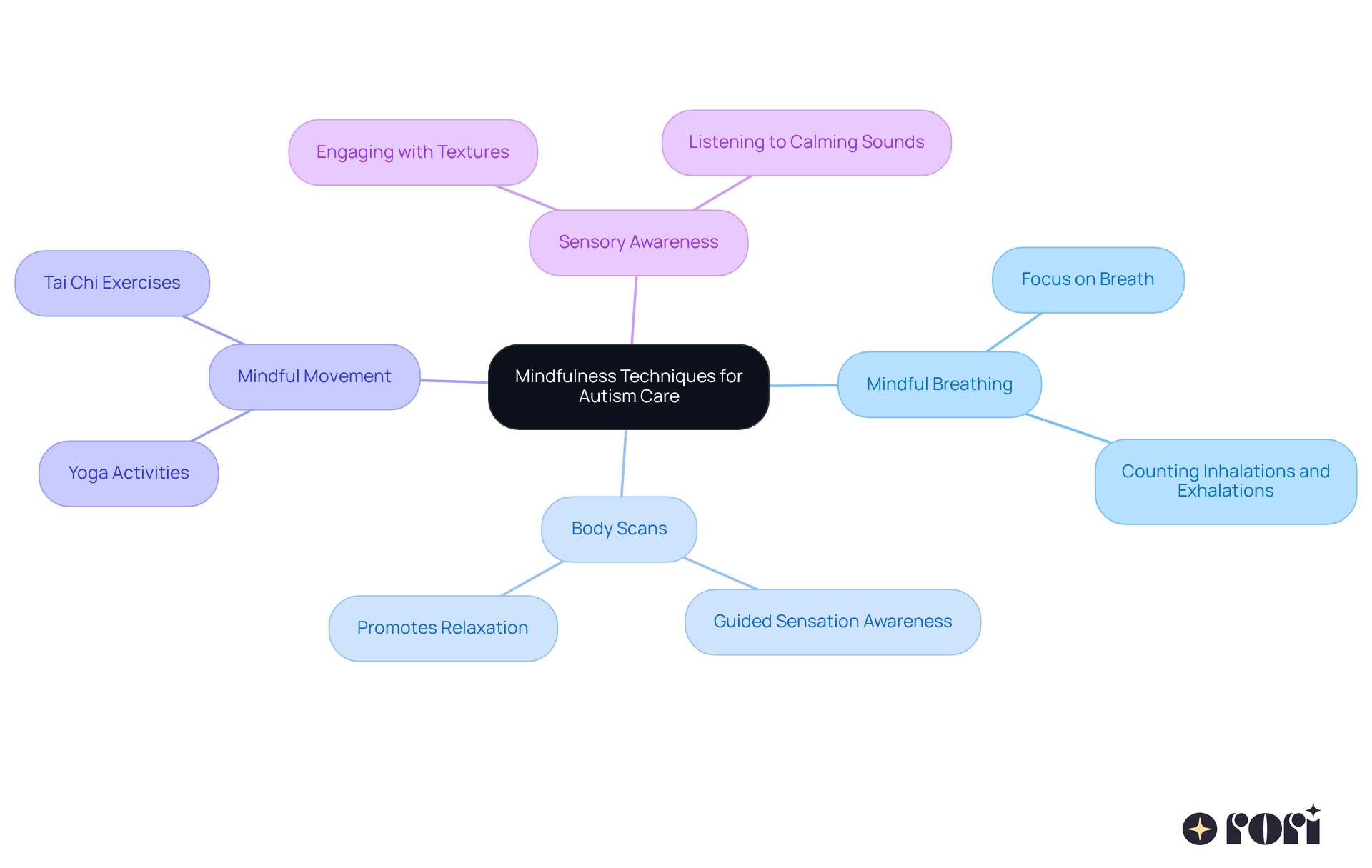
Throughout this article, we’ve explored various effective mindfulness techniques, like mindful breathing, body scans, and sensory awareness activities. These practices not only help reduce anxiety and boost concentration but also allow children to better understand their own feelings and those of others. When mindfulness is integrated with ABA therapy, the benefits multiply, creating a holistic approach that nurtures both behavioral and emotional growth.
Ultimately, we can’t overstate how important it is to incorporate mindfulness into autism care. By making mindfulness a regular part of daily routines, families can foster a supportive atmosphere that empowers children to navigate their experiences with greater ease and confidence. As research continues to shine a light on the benefits of mindfulness for autistic individuals, it’s essential for caregivers, educators, and therapists to embrace these practices. Together, we can ensure that every child has the opportunity to flourish. Let’s explore this journey together!
What is mindfulness in the context of autism care?
Mindfulness is the practice of being fully present and engaged in the moment, acknowledging thoughts and feelings without judgment. In autism care, it helps individuals focus on their present experiences, improving emotional control and reducing anxiety.
How can mindfulness practices improve autism care?
Mindfulness practices, such as mindful breathing, body scans, and sensory awareness exercises, can be customized to meet the unique needs of youth on the autism spectrum. These practices enhance emotional understanding and coping techniques.
What role does Rori Care play in mindfulness and autism care?
Rori Care offers behavioral intervention services for individuals with Autism Spectrum Disorders and ADHD. They provide tailored assistance, transparent progress monitoring, and flexible strategies that integrate mindfulness techniques into therapeutic plans.
How does Rori Care support caregivers in autism care?
Rori Care empowers caregivers by providing them with ABA principles and strategies, which enhances their ability to support their children's behavioral goals and creates a consistent and supportive environment.
What types of mindfulness activities can be used for children on the autism spectrum?
Activities such as mindful breathing, body scans, and sensory awareness exercises can be used to help children on the autism spectrum focus on their feelings and improve emotional regulation.