Helping our kids with autism find their way on public transport can feel like a big challenge, can’t it? Many parents feel overwhelmed by the thought of helping their children navigate public transport. But with the right support, these challenges can turn into stepping stones for growth. Learning to use the bus can empower our children with essential social and communication skills, boosting their independence and confidence.
So, how can we help our kids tackle the unique challenges of public transport, like sensory overload and communication hurdles? Exploring practical strategies and resources together can make this journey smoother for our kids and ourselves. Let’s dive in and discover how we can support our children in this important aspect of their development!
Navigating social situations can be a real challenge for kids with autism, and it’s something many parents worry about. For these kids, improving social integration through learning to get on the bus for children with autism is crucial, as it helps them develop essential communication and social skills. Engaging with peers and participating in community activities can significantly boost their confidence and ability to navigate social situations.
Many kids with ASD struggle to find their place in social circles, which can be tough for both them and their families. But with the right support, these kids can thrive socially and gain confidence. Public transit can really help kids feel more independent and is essential for improving social integration through learning to get on the bus for children with autism, allowing them to connect with different people and places. By mastering public transport skills, children can experience greater autonomy, which is crucial for their overall development and self-esteem.
Furthermore, improving social integration through learning to get on the bus for children with autism can help lead to improved emotional regulation and reduced anxiety in unfamiliar settings. As Kerry Magro wisely says, "Autism doesn't come with an instruction manual. It comes with a family who will never give up." This highlights how important parental support is in navigating these challenges.
At Rori Care, we’re here to help your young one gain the skills they need to navigate the world independently. Our clinical leadership team values neurodiversity and is dedicated to helping youngsters succeed. Plus, the Autism Partner Toolkit offers valuable resources for parents looking to promote their child's social skills and independence. By taking small steps together, we can help our kids build the skills they need to shine in their communities.
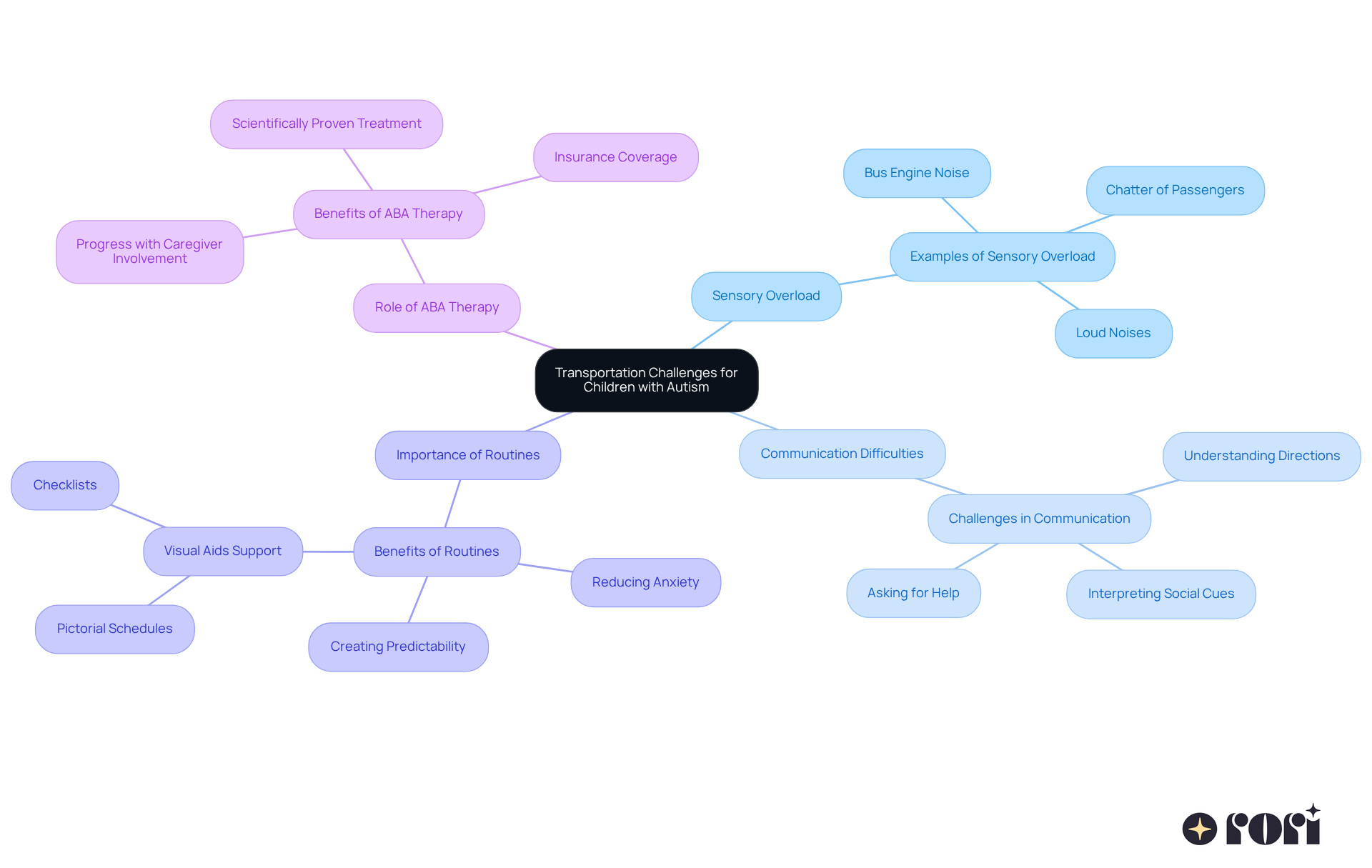
Have you ever felt anxious about taking your child on public transport? Children with autism often face significant transportation challenges. Sensory overload from loud noises, quick movements, and strange smells can really overwhelm kids. This often leads to meltdowns or them wanting to avoid the situation altogether. For example, a young person might get overwhelmed by the sound of a bus engine or the chatter of passengers, making them refuse to board.
Communication can also be tricky. It’s tough for kids to ask for help or understand directions when they’re feeling anxious. Many parents worry about how their child will react to the chaos of public transport. That’s why addressing these challenges is so important for improving social integration through learning to get on the bus for children with autism, as it fosters independence and confidence in travel.
Creating a calm and predictable travel routine is a crucial step in improving social integration through learning to get on the bus for children with autism, as it can significantly lessen anxiety. By establishing a routine, parents can help their children feel more secure and ready for their journeys. Visual aids, such as pictorial schedules or checklists, can support children in improving social integration through learning to get on the bus for children with autism. These tools enable youngsters to anticipate what comes next and manage their expectations successfully.
At Rori Care, we believe in the power of Applied Behavior Analysis (ABA) therapy to help kids overcome these hurdles. It’s encouraging to know that 90% of young individuals show progress when caregivers are actively involved. Plus, ABA therapy is the only scientifically proven treatment for autism that’s covered by insurance, making it an accessible option for families. This active involvement of caregivers, guided by ABA principles, not only enhances the young one's travel experience but also empowers families to support their loved one's behavioral goals effectively. With the right support, your child can navigate these challenges and thrive on their journeys!
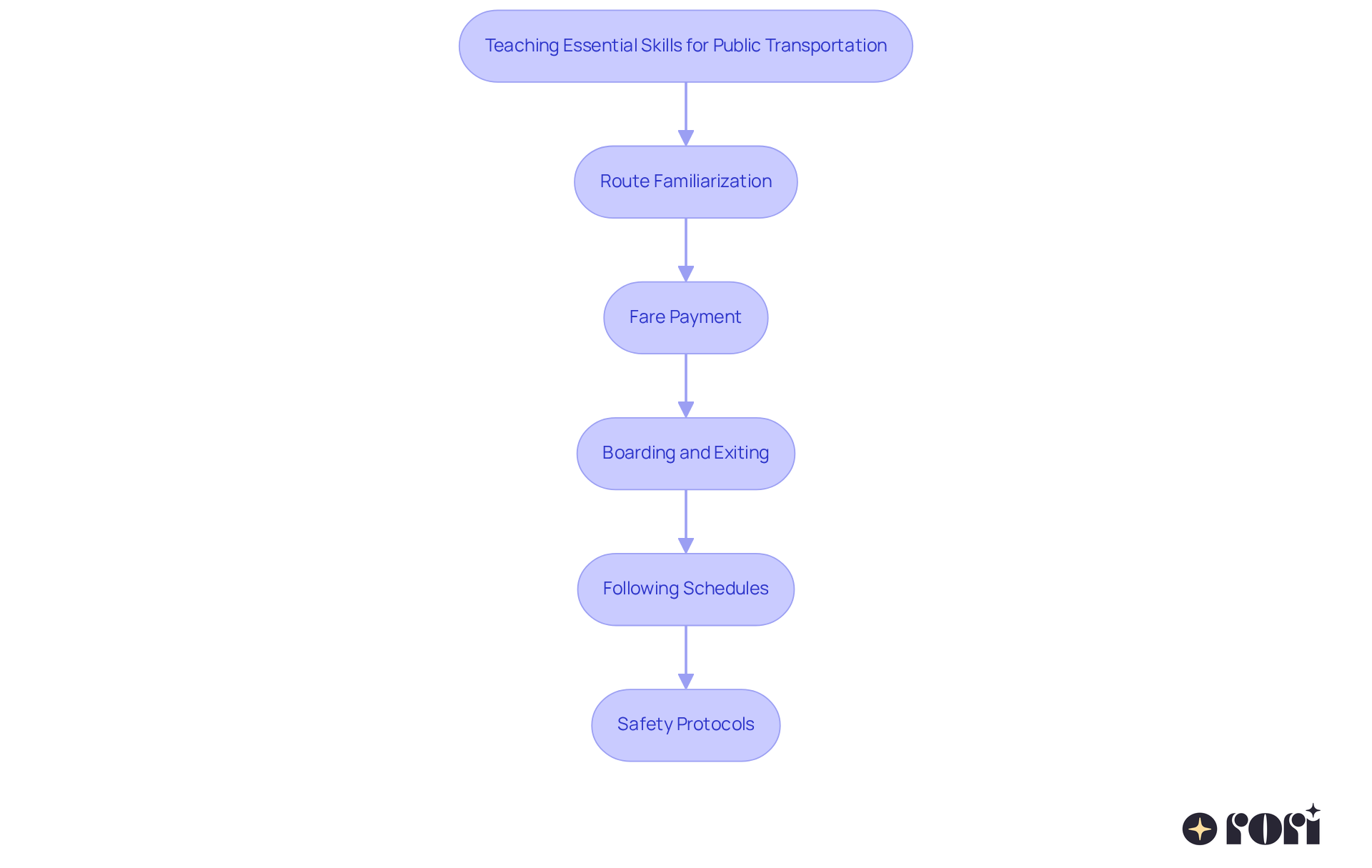
While teaching your child to navigate public transportation can feel overwhelming, it's a valuable journey, particularly in improving social integration through learning to get on the bus for children with autism! Here are some essential skills to get started:
By acquiring these skills, your child will gain confidence and independence, which is essential for improving social integration through learning to get on the bus for children with autism, making their travels a breeze!
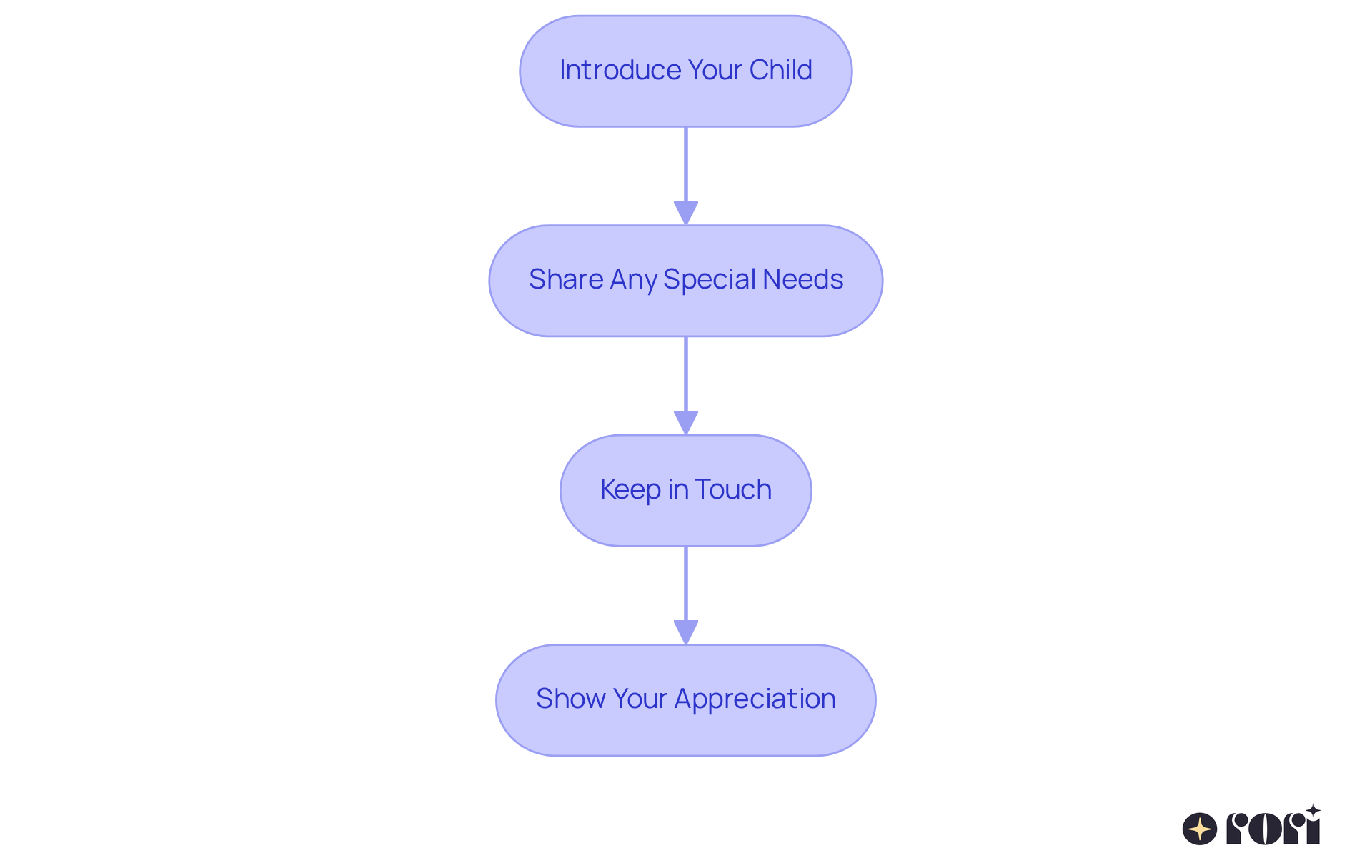
Building a positive relationship with transportation staff can make all the difference for your child's travel experience! Here are some friendly steps to help you foster this connection:
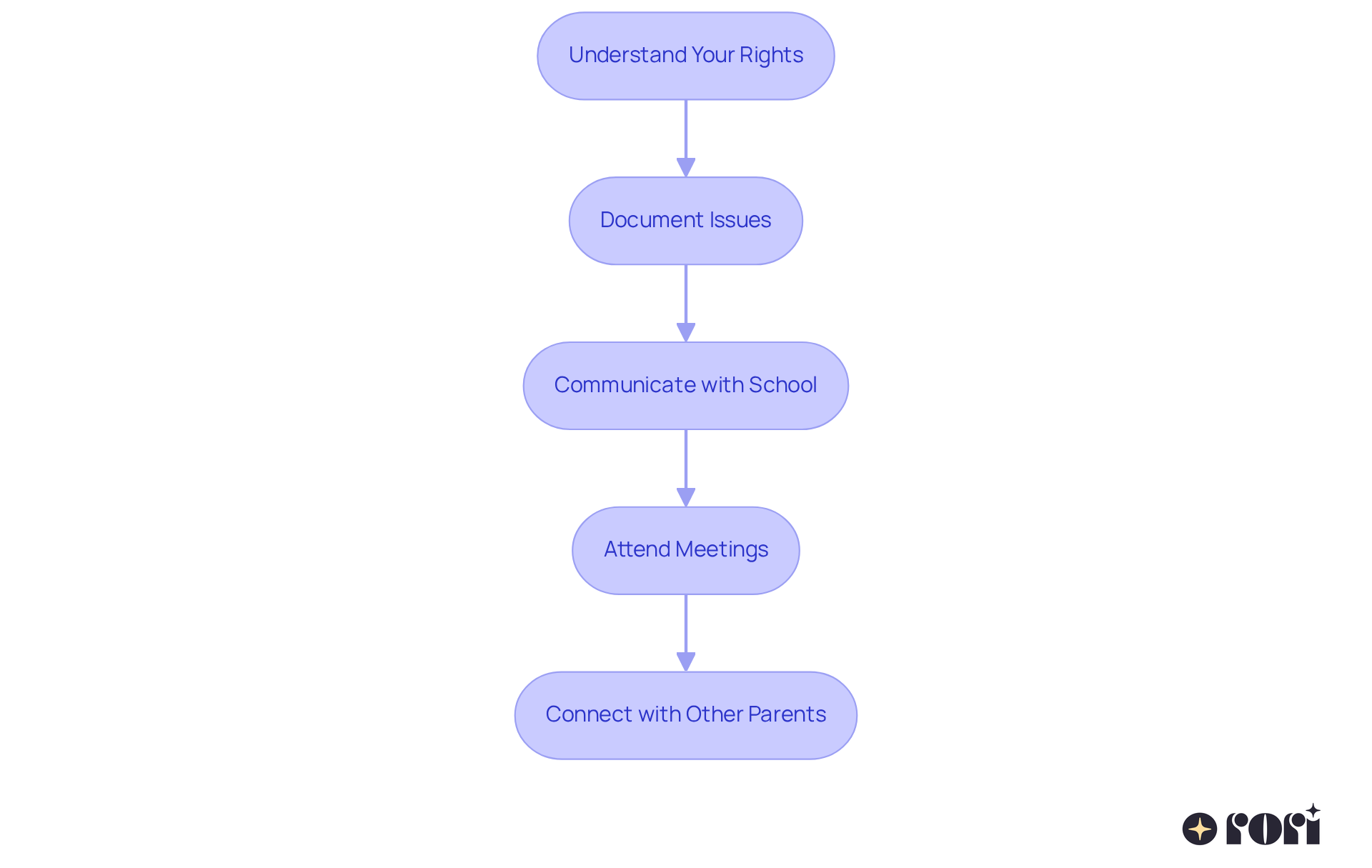
Navigating your child's transportation needs can feel overwhelming, but you're not alone in this journey! Here are some steps to help you advocate effectively:
Taking these steps can make a world of difference for your child's travel experience, so let’s tackle this together!
Navigating public transport can feel overwhelming for children with autism, but it’s a journey worth taking! By teaching kids how to use the bus, families empower them to handle social situations better, boosting their confidence and independence. This journey helps them build essential skills while also making meaningful connections with peers and the community.
There are several key strategies to support this process:
But teaching kids with autism to ride the bus is about so much more than just getting from one place to another! It opens doors to social opportunities and helps them gain independence. By investing time and effort into this process, families can unlock a world of social opportunities for their children, paving the way for a brighter future filled with possibilities.
Why is social integration important for children with autism?
Social integration helps children with autism develop essential communication and social skills, boosts their confidence, and enables them to navigate social situations more effectively.
How can learning to use public transport benefit children with autism?
Learning to use public transport can foster independence, connect children with different people and places, and improve their emotional regulation and anxiety management in unfamiliar settings.
What challenges do children with autism face when using public transport?
Children with autism often experience sensory overload from loud noises and unfamiliar environments, which can lead to meltdowns or avoidance. Communication difficulties can also make it hard for them to ask for help or follow directions.
How can parents help their children with autism feel more comfortable using public transport?
Parents can create a calm and predictable travel routine, use visual aids like pictorial schedules or checklists, and establish consistent practices to help their children feel more secure and ready for their journeys.
What role does parental support play in helping children with autism navigate social situations?
Parental support is crucial as it helps children overcome challenges, enhances their travel experiences, and empowers families to effectively support their child's behavioral goals.
What resources does Rori Care offer to support children with autism in improving their social skills?
Rori Care provides the Autism Partner Toolkit, which offers valuable resources for parents to promote their child's social skills and independence, along with clinical support focused on neurodiversity.
What is Applied Behavior Analysis (ABA) therapy and how does it help children with autism?
ABA therapy is a scientifically proven treatment for autism that helps children overcome challenges and improve their behavior. It is covered by insurance and shows progress in 90% of young individuals when caregivers are actively involved.