In the world of Applied Behavior Analysis (ABA) therapy, play isn’t just a fun addition; it’s a game-changer for growth! 🎉 When we engage children through play, learning becomes a joyful adventure, and it really boosts their cognitive, social, and emotional development. Research shows that play-based strategies can lead to amazing improvements in social skills and engagement. But here’s the catch: many practitioners find it tough to implement these techniques effectively.
So, how can caregivers and therapists tackle these challenges? How can we tap into the full potential of play to help children with autism grow their social skills? Let’s explore this together! We’re here to help you every step of the way!
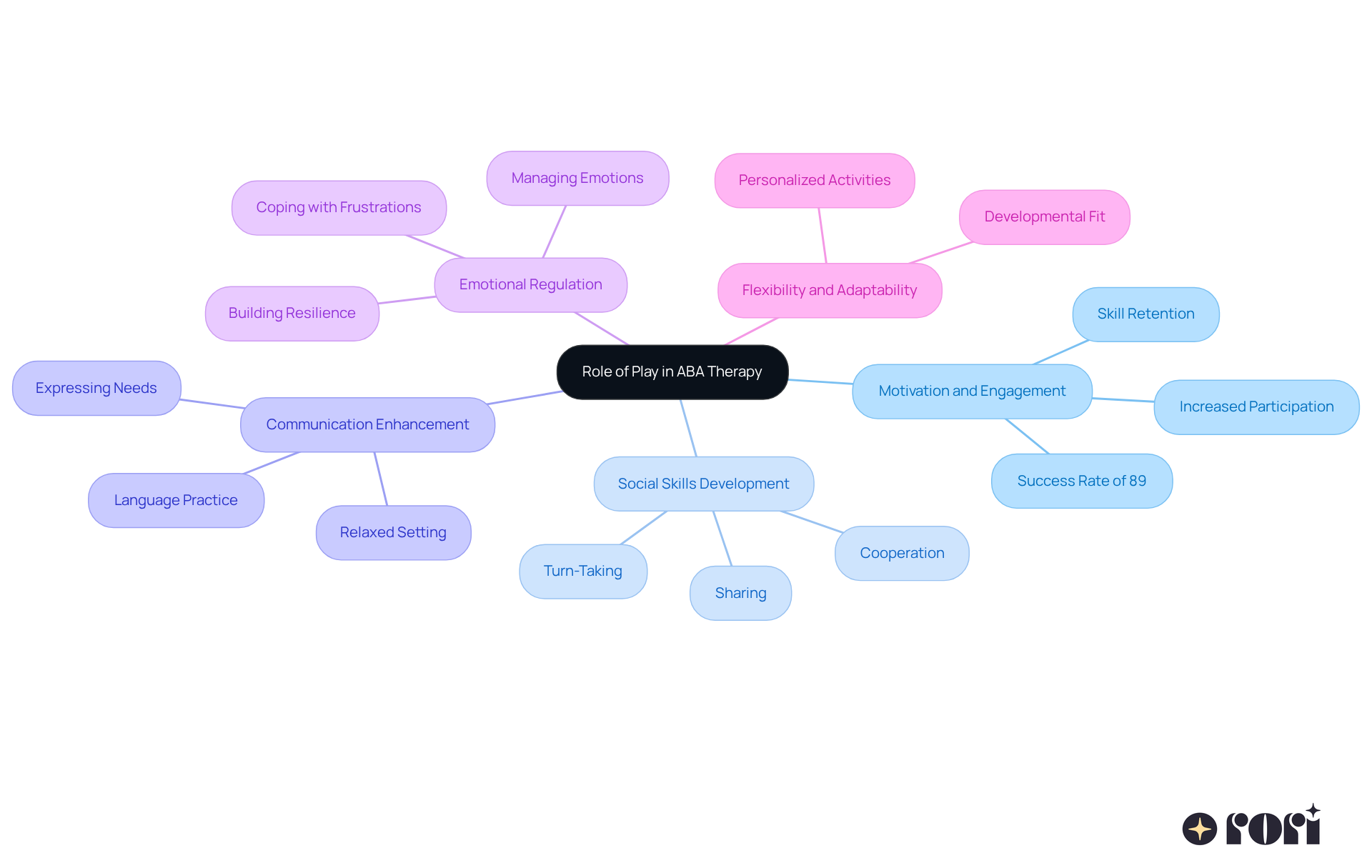
Play is such a vital part of ABA treatment! It creates a fun and engaging way for kids to learn, boosting their cognitive, social, and emotional growth. Let’s dive into some key aspects:
It’s also super important to equip caregivers with ABA principles and strategies to support behavioral goals. Caregivers can learn techniques like using token boards to reinforce positive behaviors and track progress. When caregivers are involved and knowledgeable, it creates a consistent and supportive environment, making the intervention even more effective.
Incorporating play into ABA therapy for social skill development not only fosters a joyful learning atmosphere but also supports the overall growth of individuals with autism. It opens up opportunities for better social interactions and emotional well-being. With the growing need for certified ABA therapists, effective strategies like play-based learning are essential to meet the needs of individuals with autism.
Let’s explore this together! We’re here to help you every step of the way!
To effectively weave play into ABA therapy sessions, let’s explore some friendly strategies:
And don’t forget to sprinkle in positive reinforcement during these activities! Praising your child for their efforts and successes keeps them engaged and fosters a positive connection with play.
Research shows that children incorporating play into ABA therapy for social skill development achieve developmental milestones 8-12 months earlier than those in traditional settings. That’s a big deal! Plus, studies indicate that incorporating play into ABA therapy for social skill development results in 40% higher engagement rates compared to traditional programs. This really highlights how effective these strategies can be in and engagement, especially when incorporating play into ABA therapy for social skill development.
As the US Surgeon General points out, 'ABA is acknowledged as an evidence-based best practice treatment,' highlighting the significance of incorporating play into ABA therapy for social skill development. And remember, ABA intervention is the only scientifically proven treatment for autism that’s covered by insurance, making it accessible for families looking for effective solutions.
Let’s explore this together! We’re here to help you every step of the way!
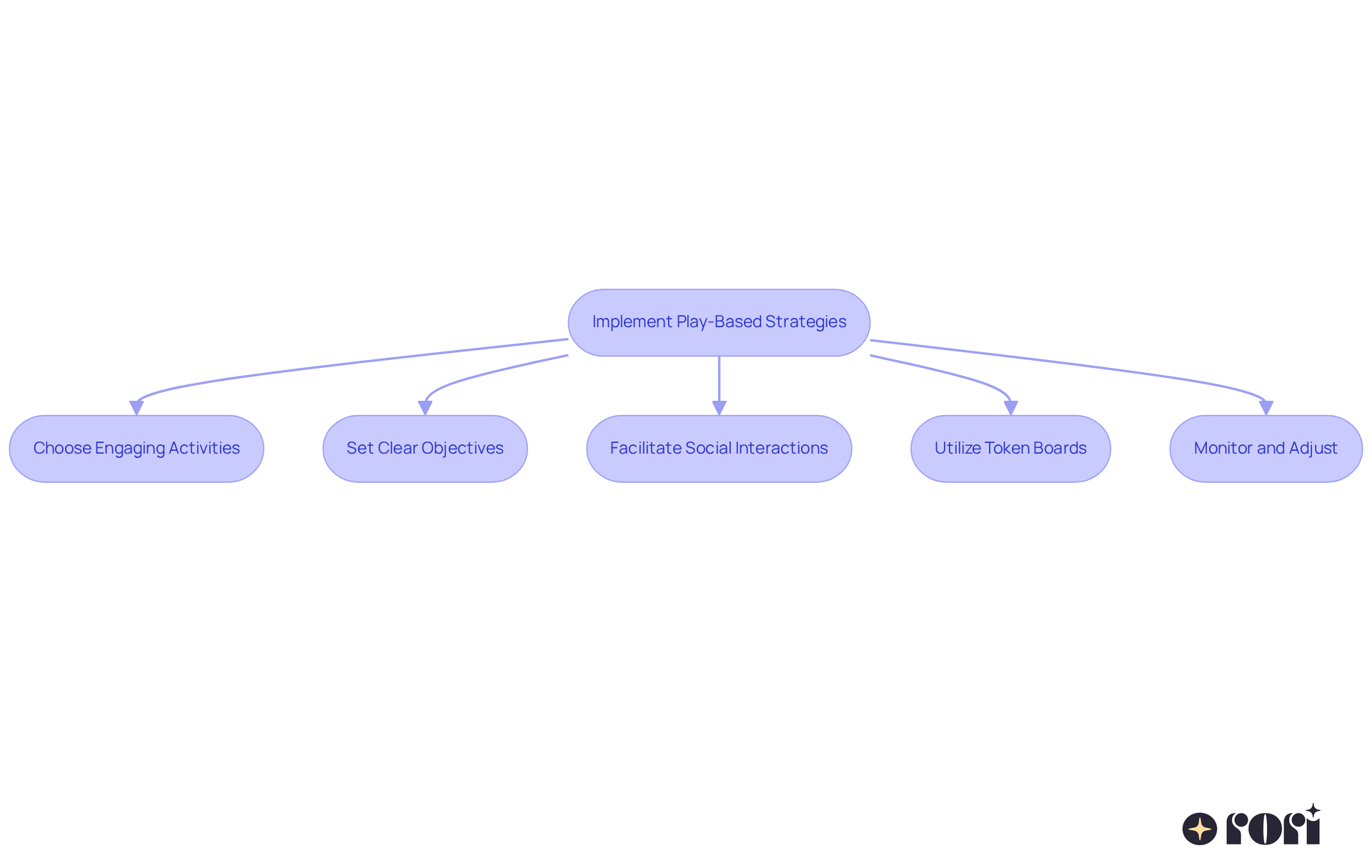
To make play-based strategies in ABA therapy truly effective, let’s walk through some simple steps together:
Stay curious about new techniques, especially incorporating play into ABA therapy for social skill development! Attending workshops or reading up on the latest literature can help you enhance your practice and ensure you’re using evidence-based strategies for the best outcomes.
Let’s explore this together! Your journey in is important, and we’re here to help you every step of the way!
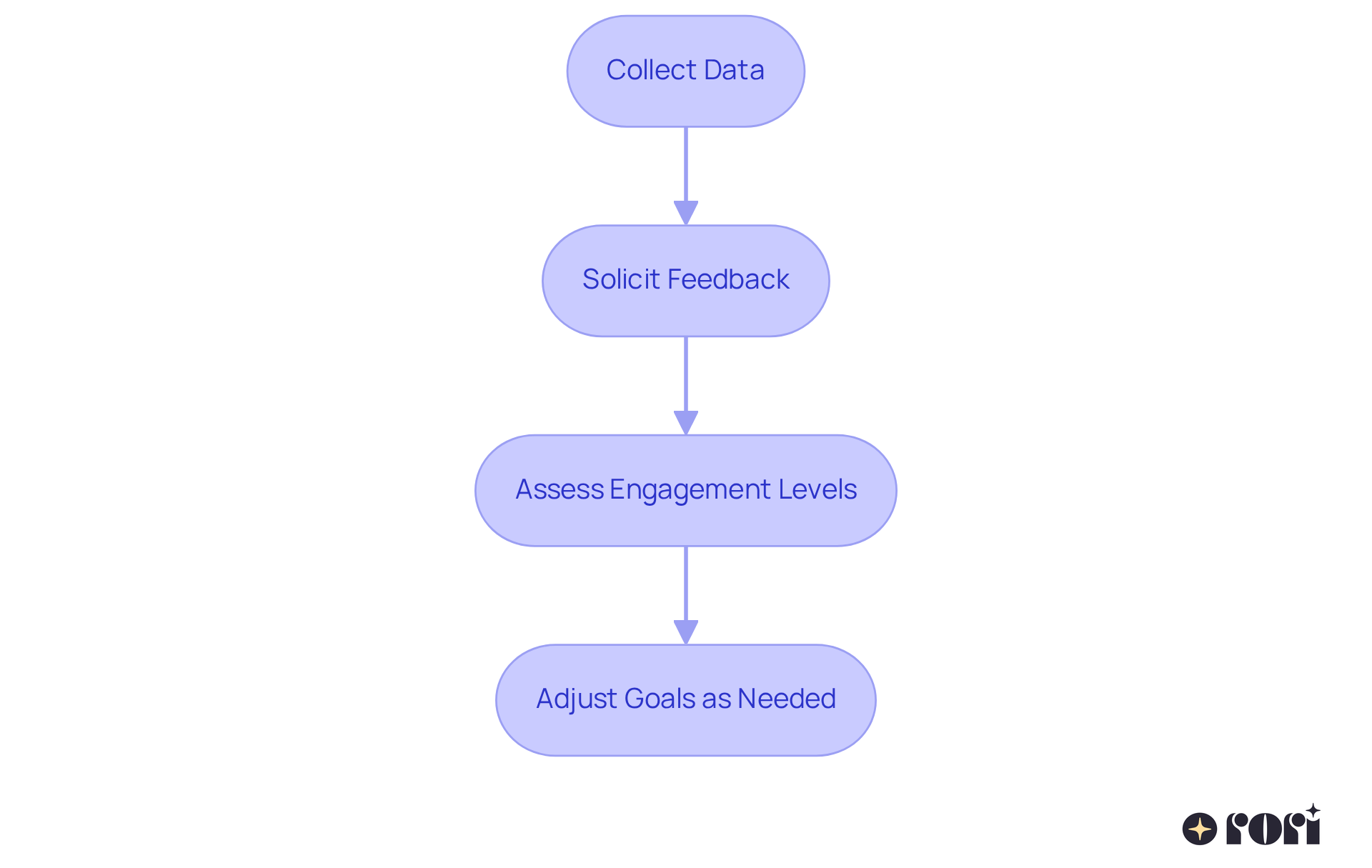
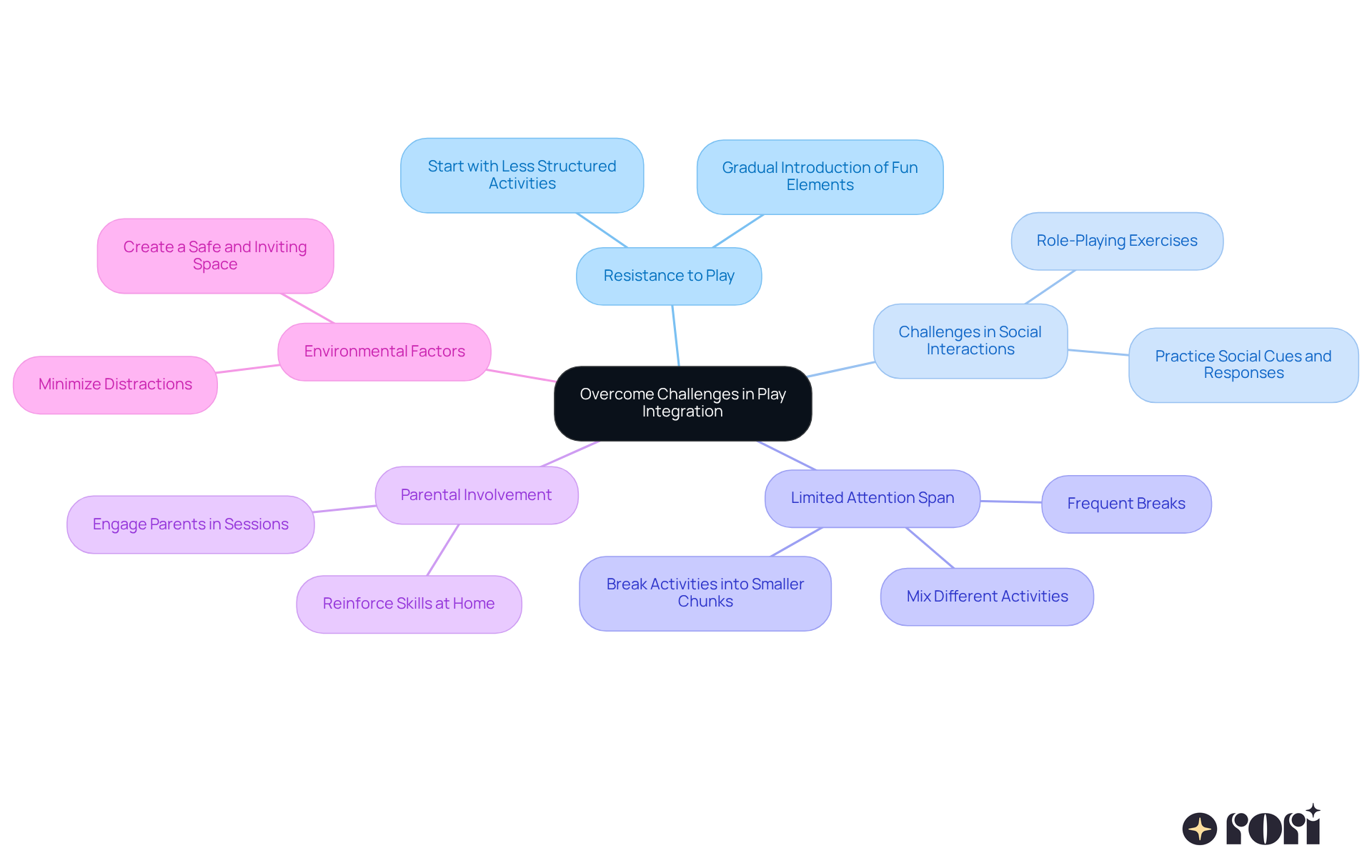
Integrating play into ABA therapy can be a bit tricky, but don’t worry - there are effective strategies to help you navigate these challenges:
Let’s explore this together! Remember, you’re not alone in this journey, and we’re here to help you every step of the way!
Incorporating play into ABA therapy is such a wonderful way to help children with autism grow their social skills! This approach not only makes learning fun but also boosts engagement, retention, and the overall experience in therapy. By weaving play into sessions, caregivers and therapists can create a nurturing environment where kids can truly thrive emotionally, socially, and cognitively.
Let’s take a moment to think about how play contributes to effective ABA therapy. It enhances motivation and communication skills, helps with emotional regulation, and encourages adaptability. The benefits are truly endless! Engaging activities, clear objectives, and ongoing assessments are key strategies that can maximize the impact of play during therapy. Plus, when caregivers are involved, it creates a consistent support system that enriches the child’s learning journey even more.
Ultimately, embracing play in ABA therapy isn’t just about making sessions enjoyable; it’s about unlocking potential and building meaningful connections. Research shows that play-based strategies can lead to quicker developmental milestones and higher engagement rates. By prioritizing play, therapists and families can pave the way for children to develop essential social skills, creating a brighter future filled with opportunities for connection and growth.
So, let’s explore this together! If you’re a parent, consider how you can incorporate play into your child’s therapy. We’re here to help you every step of the way!
Why is play important in ABA therapy?
Play is vital in ABA therapy because it creates a fun and engaging way for children to learn, boosting their cognitive, social, and emotional growth.
How does play influence motivation and engagement in therapy?
When therapy feels like play, children are more likely to participate, which leads to better retention of skills and concepts.
What is the success rate of ABA interventions for youth with ASD?
ABA interventions have an impressive success rate of over 89% in helping youth with Autism Spectrum Disorder (ASD).
How does play help in developing social skills?
Play allows children to learn essential social skills such as turn-taking, sharing, and cooperation, which are crucial for building friendships.
What role do therapists play in social skills group therapy?
Trained therapists enhance interactions and communication among children in social skills group therapy, making it easier for them to connect with others.
In what ways does play enhance communication skills?
Through games, children practice their language and communication skills in a relaxed setting, making it easier for them to express their needs and feelings.
How does play contribute to emotional regulation in children?
Engaging in play helps children learn to manage their emotions, cope with frustrations, and build resilience, which are important skills for everyday life.
Can play-based activities be personalized for each child?
Yes, play-based activities can be tailored to fit each child’s interests and developmental level, ensuring that the treatment is both personalized and effective.
Why is caregiver involvement important in ABA therapy?
Equipping caregivers with ABA principles and strategies supports behavioral goals and creates a consistent and supportive environment, making the intervention more effective.
How does incorporating play into ABA therapy benefit individuals with autism?
Incorporating play fosters a joyful learning atmosphere, supports overall growth, and opens up opportunities for better social interactions and emotional well-being for individuals with autism.