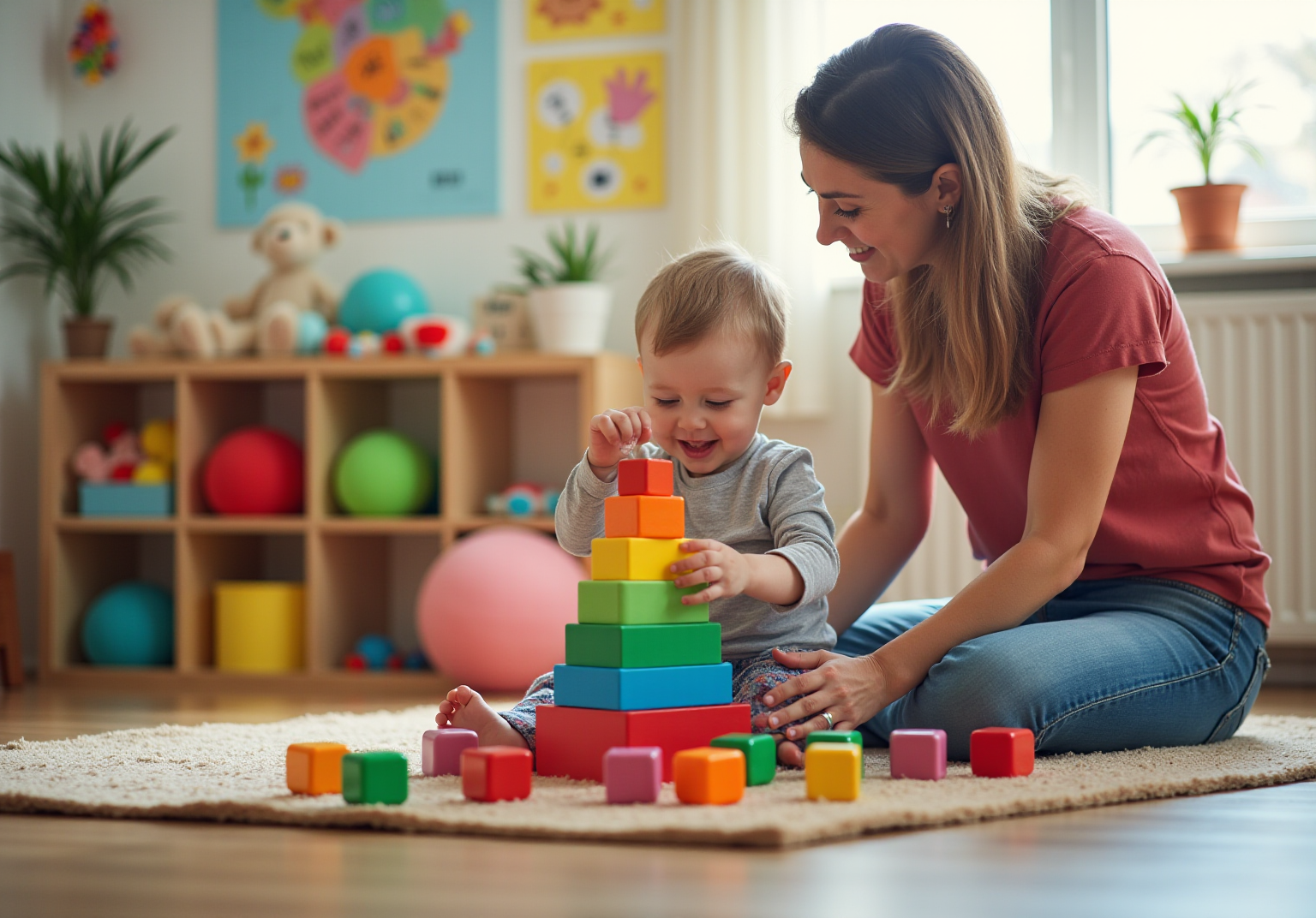
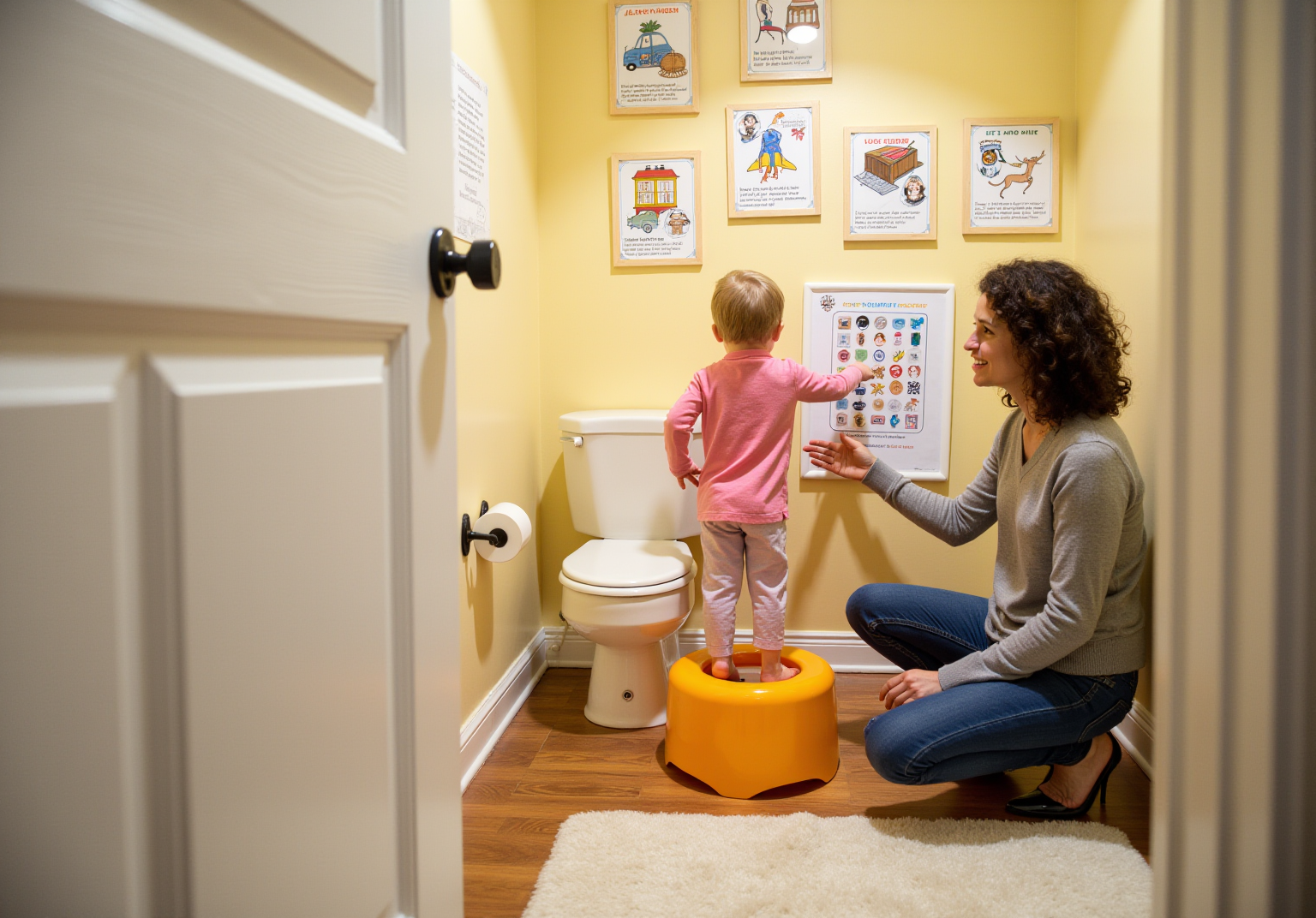
When it comes to therapy for children with Autism Spectrum Disorder (ASD), role-playing stands out as a truly engaging tool. 🌟 It’s not just about having fun; this interactive approach helps kids develop essential social skills and boosts their emotional intelligence. Imagine your child confidently navigating social situations!
But here’s the thing: designing role-playing scenarios that truly resonate with each child’s unique experiences and interests can be a bit tricky. How can caregivers and therapists tap into the power of role-playing to create meaningful learning opportunities for children with ASD? Let’s explore this together!
By understanding the challenges and finding relatable ways to connect, we can make a real difference in our children’s lives. We’re here to help you every step of the way!
Incorporating role-playing into therapy sessions for social skill development in children with ASD is a dynamic and interactive method to help kids develop those all-important social skills. It creates a safe space where young ones can step into real-life situations, helping them navigate social interactions more effectively. Through pretend play, they can explore different roles, gain insights into various perspectives, and .
Did you know that studies show role-playing can lead to a 40% improvement in communication skills among kids with autism? That really highlights how effective this approach can be! Not only does it enhance communication abilities, but it also builds confidence, allowing kids to practice responses to tricky social situations. By acting out scenarios like greeting friends, sharing toys, or resolving conflicts, they learn to pick up on social cues and appropriate behaviors.
Therapists often emphasize the importance of tailoring role-play scenarios to fit each child’s interests and abilities. This customization keeps them engaged and optimizes their learning experience. For instance, using visual aids like scripts or storyboards can really help clarify expectations during these sessions.
There are some heartwarming case studies showing that kids who regularly engage in pretend play activities see significant improvements in their behavior and communication skills. This really underscores the value of incorporating role-playing into therapy sessions for social skill development in children with ASD. Incorporating role-playing into therapy sessions for social skill development in children with ASD has become a vital tool for helping kids build better social connections. Plus, incorporating role-playing into therapy sessions for social skill development in children with ASD as part of group therapy led by trained therapists can greatly enhance communication and relationship-building among peers.
This structured approach, rooted in Applied Behavior Analysis (ABA) therapy, focuses on the individual needs of each child. And when caregivers actively participate, it boosts the effectiveness of these sessions even more, leading to improved social skills and self-esteem for kids with ASD.
So, let’s explore this together! If you’re interested in learning more about how role-playing can benefit your child, we’re here to help you every step of the way!

Creating successful interactive scenarios can be a game-changer for your child! Start by recognizing those typical social situations where they might struggle, like making friends, sharing toys, or joining in group activities. Here’s how you can craft impactful scenarios:
By following these steps, you can create scenarios that not only enhance your child’s social skills but also help them navigate interactions with newfound confidence. Let’s explore this together!
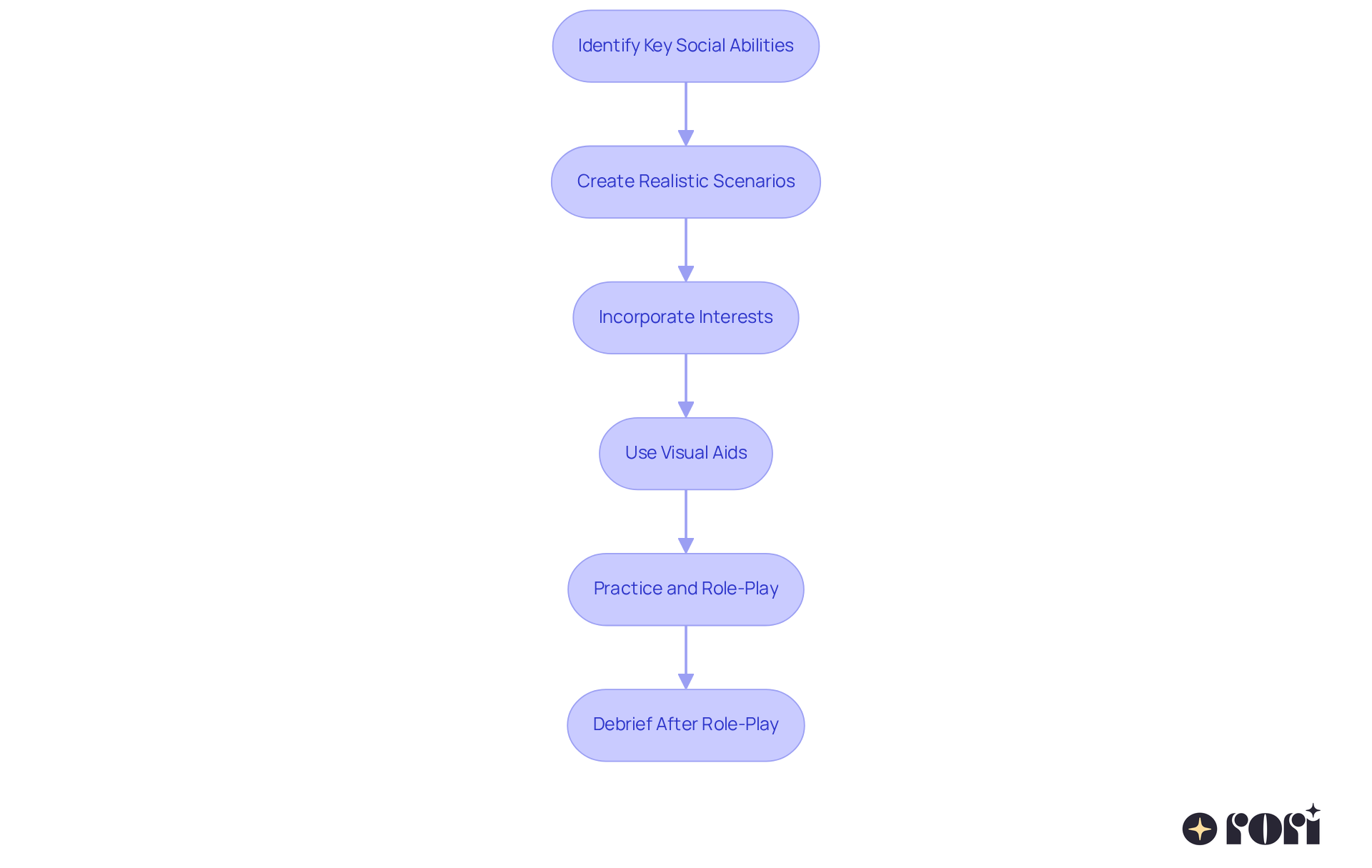
To really make work for kids with autism spectrum disorder (ASD), it’s super important to keep checking in and tweaking these methods based on how each child is growing. Here’s a friendly guide to help you along the way:
By using these strategies, you can create a nurturing environment that helps your child develop essential social skills. Remember, you’re not alone in this journey-let’s explore this together!
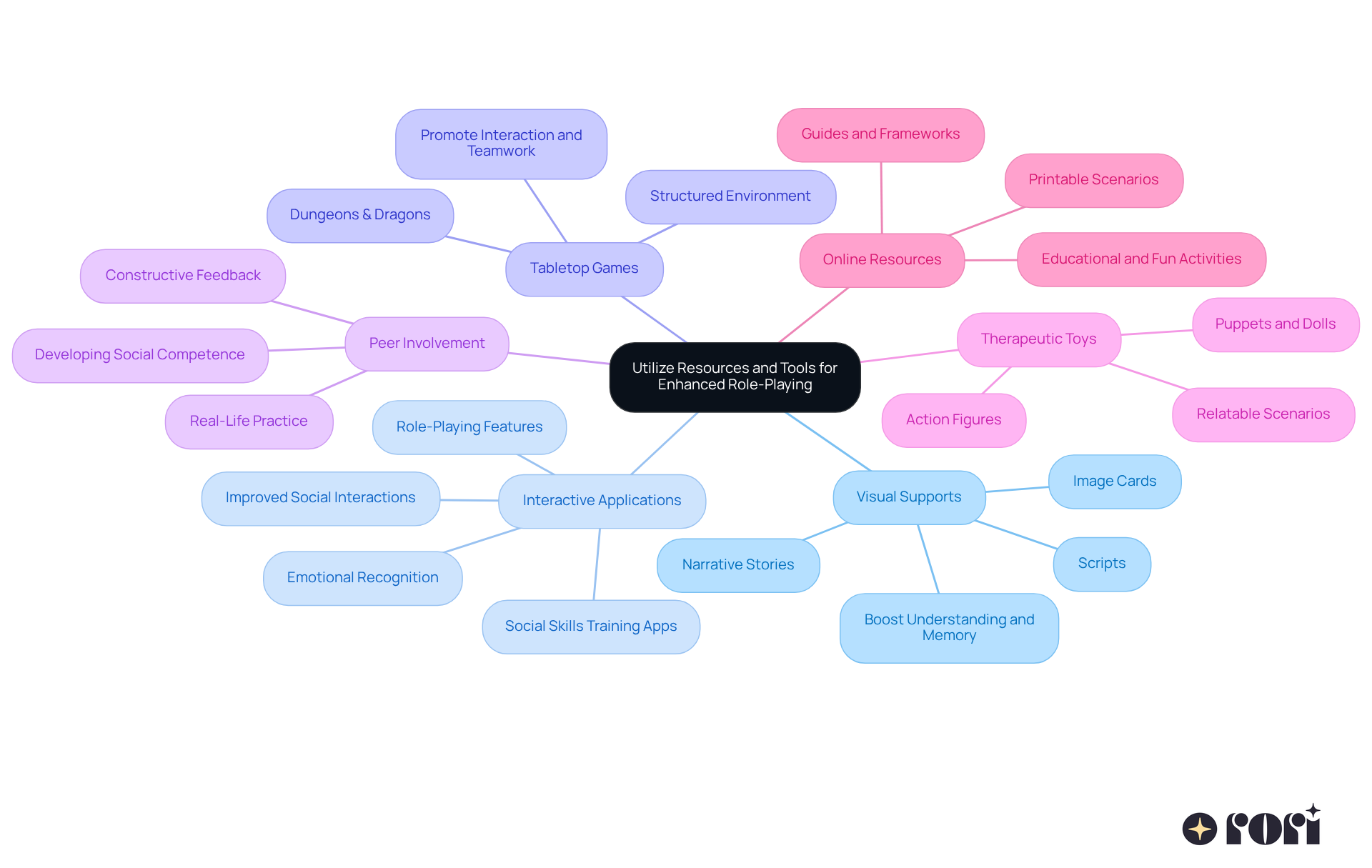
Enhancing role-playing activities is essential, especially when incorporating role-playing into therapy sessions for social skill development in children with ASD, as it can be a rewarding journey! Let’s explore some resources and tools that can make these experiences more engaging and effective:
By incorporating these strategies, you can see significant improvements in social skills. Many case studies highlight the positive impact of incorporating role-playing into therapy sessions for social skill development in children with ASD. So, let’s take this journey together and explore the possibilities!
Incorporating role-playing into therapy sessions for children with ASD is such a wonderful approach! It really helps kids develop those crucial social skills they need. This interactive method creates a safe space for children to practice real-life scenarios, enhancing their communication abilities, boosting their confidence, and helping them understand social cues more effectively.
Let’s dive into some key strategies for successfully implementing role-playing in therapy:
Ultimately, embracing role-playing as a therapeutic tool is essential for helping children with ASD navigate social interactions with greater ease and confidence. By actively participating in this journey and using the strategies and resources we've discussed, caregivers can truly make a profound impact on their child’s social skills development. The potential for growth and connection is immense! 🌟 The benefits of role-playing in therapy can lead to lasting improvements in the lives of children with autism. Let’s explore this together!
What is the role of role-playing in therapy for children with ASD?
Role-playing in therapy helps children with Autism Spectrum Disorder (ASD) develop social skills by creating a safe environment to practice real-life situations, enhancing their ability to navigate social interactions effectively.
How effective is role-playing in improving communication skills in children with autism?
Studies show that role-playing can lead to a 40% improvement in communication skills among children with autism, highlighting its effectiveness in enhancing communication abilities.
What are the benefits of role-playing for children with ASD?
Role-playing boosts children's confidence, allows them to practice responses to social situations, helps them learn to pick up on social cues, and improves their overall communication and behavior.
How should role-play scenarios be tailored for each child?
Role-play scenarios should be customized to fit each child's interests and abilities, which keeps them engaged and optimizes their learning experience.
What tools can enhance role-playing sessions in therapy?
Visual aids like scripts or storyboards can clarify expectations and enhance the effectiveness of role-playing sessions in therapy.
What evidence supports the effectiveness of role-playing in therapy?
Heartwarming case studies indicate that children who regularly engage in pretend play activities see significant improvements in their behavior and communication skills.
How does group therapy with role-playing benefit children with ASD?
Incorporating role-playing into group therapy led by trained therapists enhances communication and relationship-building among peers, contributing to improved social skills.
What is the structured approach used in role-playing therapy for children with ASD?
The structured approach is rooted in Applied Behavior Analysis (ABA) therapy, focusing on the individual needs of each child to enhance their social skills and self-esteem.
How can caregivers contribute to the effectiveness of role-playing therapy?
When caregivers actively participate in role-playing therapy sessions, it boosts the effectiveness of the sessions, leading to better social skills and self-esteem for children with ASD.