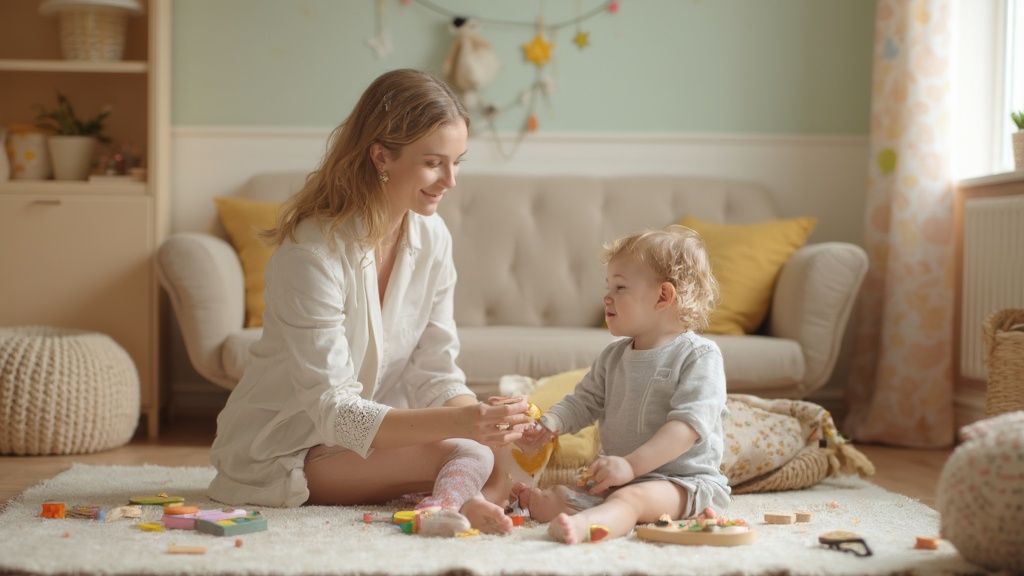
Recognizing the unique passions that many individuals with autism develop isn’t just a fascinating part of who they are; it’s a powerful tool for boosting motivation and engagement in their care. By weaving these special interests into therapeutic settings, caregivers and educators can craft personalized learning experiences that truly resonate. This approach not only supports academic success but also nurtures emotional well-being.
But here’s the thing: balancing these interests with the risk of isolation or an overwhelming focus can be tricky. How can caregivers tap into these passions to foster social skills and emotional growth while navigating the complexities that come with them? Let’s explore this together!
Imagine a child who lights up at the mention of trains. By incorporating this interest into their learning, caregivers can create a more engaging environment. It’s all about finding that sweet spot where passion meets purpose. We’re here to help you every step of the way!
Special passions in autism are those intense, focused enthusiasms that many individuals on the spectrum develop. These can range from dinosaurs and trains to activities like drawing or playing video games. Recognizing these interests is so important! They serve as powerful motivators for learning and engagement.
Research shows that incorporating interests for motivation in autism care by integrating these unique passions into therapeutic settings can really boost motivation, enhance social interactions, and help with emotional regulation. For example, think about a young learner who’s fascinated by space. By using space-themed activities, we can spark their interest in math and science, making learning not just effective but also fun!
Did you know that about two-thirds of autistic individuals report having special passions? There’s a positive link between motivation for these interests and overall well-being. This really highlights how crucial it is to tailor autism care by incorporating interests for motivation in autism care, which leads to more personalized and impactful therapeutic outcomes.
And let’s not forget about the caregivers! Empowering them with ABA principles and strategies can significantly enhance their ability to support their child’s development. This alignment not only promotes consistency in interventions but also fosters informed decision-making, leading to better behavioral outcomes and stronger family dynamics.
So, let’s explore this together! If you’re a parent navigating this journey, remember that you’re not alone. We’re here to !

To effectively weave special passions into learning activities, it’s essential to start by recognizing what excites the young person. Once you’ve acknowledged their interests, you can create tailored learning opportunities that resonate with them. For instance, if a child is captivated by trains, why not use train-themed books for reading exercises or craft train-related math problems to teach counting and addition? 🚂
Visual aids and hands-on experiences tied to their interests can really boost understanding and memory. When young individuals engage in activities that align with their passions, can spark motivation while fostering a sense of achievement and joy in learning. Research shows that interest-based interventions can lead to significant improvements in youth outcomes, with average effect sizes indicating notable enhancements in communication and prosocial behavior.
Caregivers and educators can create a more effective and enjoyable learning environment for kids with autism by incorporating interests for motivation in autism care. Plus, caregiver education is vital in this journey, as it strengthens support, informs decision-making, and enhances behavioral outcomes, ultimately empowering caregivers to assist their children better.
However, it’s important to recognize that while these strategies can be effective, challenges may arise, such as the risk of specific agendas becoming overwhelming. Let’s explore this together! We’re here to help you every step of the way!

While unique groups can bring some great benefits, they can also lead to challenges like or having a hard time stepping back from these interests. To tackle these issues effectively, it’s important to set clear boundaries and expectations. For example, if a young person gets really wrapped up in a specific passion, caregivers can create organized time limits for their involvement. This way, the passion stays a positive part of their life.
This approach aligns perfectly with the measurable goals set in individualized behavior intervention plans crafted by the skilled analysts at Rori Care. Encouraging young ones to share their passions with friends can help build social connections, which is key to reducing feelings of isolation. Plus, role-playing different situations can be super helpful, allowing kids to practice switching between tasks while keeping a good relationship with their interests.
By addressing these challenges head-on and equipping caregivers with ABA principles and strategies, Rori Care ensures that incorporating interests for motivation in autism care allows special passions to become a source of joy rather than a point of conflict. Let’s explore this together!

Incorporating interests for motivation in autism care can be a fantastic way to help young people with autism build their interpersonal skills and emotional growth. Getting involved in group activities that match these interests - like clubs or classes - can really boost their interactions with others. For example, if a young person loves art, they might shine in art classes, where they can meet peers who share that passion.
These interests can also spark conversations, giving kids a chance to practice social skills in a comfortable environment. Role-playing different social situations related to their interests can further help them navigate interactions. By embracing these passions, children not only gain confidence but also improve their interpersonal skills and form meaningful relationships.
Research shows that incorporating interests for motivation in autism care can lead to significant improvements in social abilities, demonstrating the effectiveness of this approach in autism support. As Dr. Temple Grandin wisely says, 'I am different, not less,' reminding us of the importance of celebrating these unique interests. Plus, studies reveal that young people engaged in interest-based activities see a 30% boost in social skills over six months - what a powerful testament to this strategy!
At Rori Care, our clinical leadership team is dedicated to neurodiversity and the success of young individuals. They equip caregivers with the tools and knowledge to through active involvement and data collection. However, it’s important for parents to be mindful of potential challenges, such as incorporating interests for motivation in autism care to ensure these interests are integrated into social settings without becoming isolating. By addressing these aspects, parents can truly support their child's growth through their special interests. Let’s explore this together!

Incorporating special interests into autism care isn’t just a method; it’s a heartfelt approach that can truly boost motivation, learning, and emotional growth for individuals on the spectrum. When we recognize and tap into these unique passions, we create a more engaging and personalized therapeutic environment. This can lead to better social interactions and emotional regulation, which is something we all want for our loved ones.
Throughout this article, we’ve explored key strategies for weaving special interests into learning activities. From using themed materials that resonate with kids to empowering caregivers with the right tools and knowledge, it’s clear how important it is to align interventions with these interests. Plus, by addressing any challenges that come with intense passions, we can ensure these interests remain a source of joy and connection, rather than conflict.
But this approach isn’t just about individual benefits; it’s a rallying cry for all caregivers, educators, and practitioners to celebrate the unique qualities of each child. By nurturing an environment that honors these interests, individuals with autism can truly thrive socially and emotionally. This paves the way for meaningful relationships and personal fulfillment. Embracing this methodology not only enriches the lives of those with autism but also strengthens the support systems around them, creating a more inclusive and understanding community.
So, let’s explore this together! By taking these steps, we can make a real difference in the lives of our children and those around us.
What are special interests in autism?
Special interests in autism are intense, focused enthusiasms that many individuals on the spectrum develop, such as passions for dinosaurs, trains, drawing, or playing video games.
Why are special interests important for individuals with autism?
Special interests are important because they serve as powerful motivators for learning and engagement, enhancing motivation, social interactions, and emotional regulation.
How can special interests be incorporated into autism care?
Special interests can be integrated into therapeutic settings to boost motivation and make learning more effective and enjoyable. For example, using space-themed activities can spark interest in math and science for a child fascinated by space.
What percentage of autistic individuals report having special passions?
About two-thirds of autistic individuals report having special passions.
What is the relationship between special interests and overall well-being?
There is a positive link between motivation for special interests and overall well-being, highlighting the importance of tailoring autism care to incorporate these interests.
How can caregivers support the development of individuals with autism?
Caregivers can support development by being empowered with ABA principles and strategies, which enhance their ability to support their child effectively and promote consistency in interventions.
What benefits can arise from aligning caregiver strategies with autism interventions?
Aligning caregiver strategies with autism interventions can lead to better behavioral outcomes and stronger family dynamics.