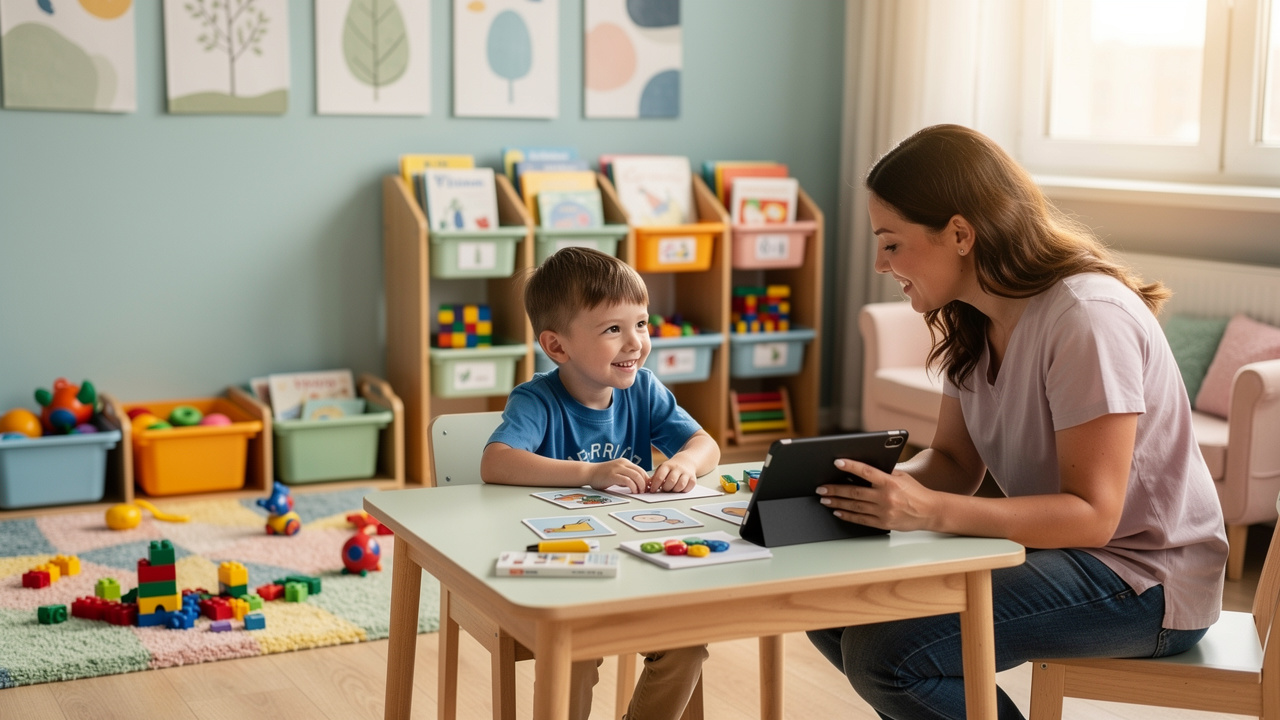
Children with autism spectrum disorder (ASD) often face challenges in recognizing, understanding, and managing their emotions, leading to emotional dysregulation. Understanding these triggers and teaching emotional awareness and regulation skills are crucial for supporting children with autism. Strategies such as active listening, empathy, and practical experiences can be transformative in helping them navigate their emotional landscape.
Adapting to their unique challenges requires a multi-faceted approach, including therapy, interventions, and creating a supportive environment. By fostering a collaborative approach and providing family training, we can ensure consistent reinforcement of emotional regulation strategies. Tailoring these strategies to the individual needs of children with autism is essential for their long-term mental health and social well-being, fostering a more inclusive and supportive society for all.
Children with autism spectrum disorder (ASD) often experience dysregulation of their emotions, which manifests as challenges in recognizing, understanding, and managing their emotions. This can lead to intense reactions or difficulties in expressing emotions appropriately. Developing to support these individuals involves that lead to stress behavior, leveraging their strengths, and providing the assistance they need to feel safe.
Active listening plays a crucial role in connecting with an individual experiencing . By establishing a peaceful setting and enabling the young one to articulate their thoughts, parents and caregivers can assist in and validation towards their emotions. This method is not only efficient for individuals with autism but also for those with ADHD and executive functioning challenges.
Empathy is another key element in fostering emotional intelligence and regulation. Teaching young individuals skills such as perspective-taking can help them relate to others and navigate social situations more effectively. , when demonstrated by parents and caregivers, enable individuals to manage their emotions and build resilience.
Moreover, , like the initiatives by Emirates and Dubai International Airport, provide neurodivergent individuals with rehearsal experiences that can significantly enhance their coping mechanisms in various environments.
Regulating feelings is a intricate process, and the incapacity to handle experiences effectively can have negative consequences for interpersonal relationships and overall well-being. Thus, integrating approaches that involve attentive listening, understanding, and real-life encounters can have a profound impact on assisting individuals with in better navigating their feelings and emotions.
Comprehending and handling the experiences related to the feelings of children diagnosed with autism necessitates a sharp awareness of their distinctive triggers. These triggers, as researchers at the University of California San Diego School of Medicine indicate, can often be linked to sensory stimuli, disruptions in routine, or communication hurdles. The research emphasizes that the , once understood, can pave the way for not only but also to help these children navigate their world more comfortably.
Recognizing the initial indicators of escalation is equally crucial. Subtle changes in behavior, such as or a tendency to withdraw, can signal a looming emotional outburst. By paying attention to these cues, caregivers can intervene with appropriate assistance. This could involve acknowledging the young one's feelings with simple affirmations like 'you seem really frustrated right now,' which has been shown to resonate across age groups. This method not only offers instant assistance but also helps in cultivating enduring strategies based on the individual's innate abilities and the assistance they require to feel safe.
Furthermore, it's crucial to acknowledge that is not separate from their general well-being. Mental health conditions like depression, which is a leading cause of disability globally, can present overlapping symptoms. This underscores the importance of . In the United States, where 1 in 45 adults are diagnosed with ASD, the need for such personalized support is pronounced. Parents are encouraged to promote a , dispelling any unfavorable associations and reinforcing the self-esteem of their offspring.
Empowering individuals with autism to navigate their emotions and interact more successfully in social contexts involves a multifaceted approach. Strategies that incorporate visual aids, social narratives, and interactive role-play exercises are particularly effective. can range from to cue cards, providing a tangible way for individuals to understand and identify their feelings. Customized social narratives can help guide individuals through the intricacies of and reactions. Role-playing serves as a rehearsal space, where young individuals can practice managing their emotions and reactions in a controlled, supportive environment. The aim is to equip these young individuals with a strong foundation in , enabling them to recognize and articulate their feelings, and apply coping strategies to regulate their emotions. This holistic approach, recommended by education experts, can significantly influence their ability to form , foster a positive mindset, and maintain a harmonious connection with their surroundings. Recent studies, such as those published by the OECD, emphasize the teachability of social and affective skills, underscoring their critical role in student development and overall societal well-being. Furthermore, research by the University of Derby has found interventions like compassionate mind training to be promising in enhancing the mental health of young individuals and fostering prosocial behavior in school settings. This highlights the possibility of organized intelligence education in fostering resilience and empathy in children with developmental disorder.

Adjusting to the distinct difficulties of in individuals diagnosed with autism necessitates a comprehensive approach. A predictable environment and clear daily routines offer a foundation of stability, while visual aids like schedules can guide individuals through their day-to-day activities. Sensory interventions can also be pivotal in managing sensitivities that often accompany autism, thereby promoting a calmer state of mind. Beyond the immediate environment, instructing young individuals on and mindfulness can provide them with the tools to navigate their emotional landscape. These techniques not only alleviate stress but also .
Importantly, the effectiveness of these approaches depends on . Identifying triggers and utilizing the inherent strengths of a young individual can improve their capacity to face upcoming stressors. , such as , actively listening, and validating emotions, reinforce a young person's sense of security. By doing this, parents and caregivers can assist children in building the resilience required to confront and comprehend their feelings, resulting in enhanced regulation of emotions over time.
Empirical studies have consistently advocated for the fostering of (SES), with education systems worldwide acknowledging their significance. By nurturing these abilities, individuals with developmental disorder can attain improved mental, physical, and social well-being results. As we continue to explore the extensive range of regulation, it's evident that empathy, understanding, and tailored interventions are crucial elements of a successful approach.
Effective therapy and intervention strategies are crucial for children with autism, particularly in enhancing regulation of emotions. has shown promise in teaching adaptive behaviors and mitigating challenging ones through focused attention on . Occupational therapy, with its emphasis on self-regulation and sensory integration, offers additional support. A collaborative effort involving psychologists, speech therapists, and special educators ensures a comprehensive treatment approach, addressing the unique needs of every individual. This diverse group works to ensure fair and supportive involvement in educational and social settings, as promoted by Dr. David (Dan) R. Offord, to 'level the playing field' for individuals facing developmental challenges.
Educational approaches such as the emphasize the importance of consistency and visual learning, adapting classroom environments to foster better learning outcomes. Incorporating visual schedules and structured learning stations, alongside traditional verbal instructions, can significantly benefit autistic individuals by providing clear and consistent boundaries and expectations.
Considering the recent changes in research on neurodevelopmental disorders towards more rigorous randomized controlled trials, the assessment of these interventions continues to develop, guaranteeing that the most effective and scientifically supported treatments are accessible. The goal is to identify the strengths and specific requirements of children with autism, as well as to build trust and meaningful relationships, thereby guaranteeing their .
To effectively support individuals with autism in managing their emotions, it's essential to curate a that resonates with their unique needs. This setting should incorporate visual supports, social stories, and designated periods for sensory processing, promoting a young person's progress towards self-regulation. The importance of a soothing, well-organized environment cannot be emphasized enough, as it reduces sensory overwhelm and allows individuals to independently explore their inner experiences.
Stability is further achieved through well-defined expectations, unwavering routines, and the strategic use of . Such an environment not only supports but also nurtures a space where children can flourish emotionally. The application of strong yet affectionate limits, as emphasized by the experiences shared by caregivers, strengthens the importance of a stable care structure for youngsters recovering from early-life adversities.
Real-world initiatives underscore the significance of for individuals with autism, such as the collaborative efforts by Emirates and Dubai International Airport. These programs, designed to simulate the travel experience, demonstrate the positive impact of familiarization and personalized support on the well-being of neurodivergent individuals.
In line with the sentiments of Dr. David (Dan) R. Offord, an equitable environment is crucial for the development and mental well-being of all individuals, especially those with disabilities. By recognizing their distinct difficulties and capabilities, alleviating pressure, and guaranteeing that caregivers are equipped with the essential resources, we can establish an equitable competition for every individual. This approach is not only a matter of mental health but also of social equity, allowing individuals with autism to .
In the process of fostering children with developmental challenges, adopting a cooperative strategy that involves parents, caregivers, and experts is crucial. Such teamwork ensures that are consistently reinforced, whether at home or in educational settings. Drawing from the insights of Dr. David (Dan) R. Offord, deserve equitable opportunities for growth within their communities. To make "the race fair," as Dr. Offord puts it, we must address their unique needs and harness their inherent strengths.
Programs like EPIC Think Learn exemplify this approach by starting from the individual's current situation, whether diagnosed or not, and using neuro affirmative methods to enhance understanding and well-being. These methods are built on the experiences and abilities of the young individual, offering a customized assistance system.
Furthermore, the effort by Emirates and Dubai International Airport to enhance comfortable travel experiences for individuals with neurodivergence, including practice sessions and in-flight simulations, underscores the significance of in promoting inclusion for individuals with autism.
Research highlights the efficacy of in schools, which has demonstrated potential in enhancing prosocial behaviors and mental health among school-aged individuals. By implementing interventions that focus on empathy and understanding, we can significantly enhance the of individuals with autism.
The secret to achieving success is by identifying stimuli, utilizing strengths, and offering the essential assistance for youngsters to experience safety and comprehension. With the appropriate resources and , we can establish a nurturing environment for these young ones, guaranteeing they have every opportunity to flourish.

Customizing to the unique needs of individuals with autism is crucial for their long-term mental health and . By consciously developing these abilities, young individuals not only enhance their social interactions and self-esteem but also . Dr. David Offord's powerful statement that all young individuals should have an equal opportunity in the 'journey' of maturing emphasizes the significance of fair mental health practices. It's crucial that strategies for individuals with autism also consider the potential for that may impede their social participation. Recognizing their distinct abilities and triggers, while offering unwavering assistance, can promote a feeling of security and endurance. With more than 10% of youngsters encountering at any given time, recognizing and tending to these difficulties ahead of schedule is vital. Implementing to supports not only the child but also the family's overall well-being, paving the way for a more inclusive and supportive society.

In conclusion, supporting children with autism in managing their emotions requires understanding their unique triggers and teaching them emotional awareness and regulation skills. Strategies like active listening, empathy, and practical experiences can be transformative in helping them navigate their emotional landscape.
Identifying triggers and emotional levels is crucial for effective support. Recognizing early warning signs and providing appropriate support can help prevent emotional outbursts and develop long-term coping mechanisms.
Teaching emotional awareness and regulation skills involves a multifaceted approach. Visual aids, social narratives, and interactive role-play exercises empower children with autism to navigate their emotions and interact successfully in social contexts.
Managing emotional dysregulation in children with autism requires a multi-faceted strategy. Creating a stable and predictable environment, incorporating sensory interventions, and teaching coping mechanisms like deep breathing and mindfulness are effective in helping them navigate their emotional landscape.
Therapy and interventions play a pivotal role in enhancing emotional regulation. Applied Behavior Analysis (ABA) therapy, occupational therapy, and educational approaches like TEACCH are effective in teaching adaptive behaviors, self-regulation, and fostering better learning outcomes.
Creating a supportive environment that resonates with the unique needs of children with autism is crucial. A calming setting that integrates visual aids, social narratives, and sensory processing intervals promotes emotional self-regulation.
A collaborative approach involving parents, caregivers, and professionals is paramount in consistently reinforcing emotional regulation strategies. By addressing the unique needs and harnessing the strengths of children with autism, we can create equitable opportunities for their growth within their communities.
Tailoring emotional regulation strategies to the individual needs of children with autism is essential for their long-term well-being. By providing consistent support and recognizing their unique strengths and triggers, we foster a sense of safety and resilience. Implementing personalized approaches to emotional dysregulation not only supports the child but also promotes the overall well-being of the family and contributes to a more inclusive and supportive society.
What is emotional dysregulation in children with autism?
Children with autism spectrum disorder (ASD) often struggle to recognize, understand, and manage their emotions. This can lead to intense emotional reactions and difficulties expressing feelings appropriately.
What strategies can help support emotional regulation in children with ASD?
Effective strategies include: Active Listening, Empathy, Visual Aids, and Role-Playing.
How important is understanding triggers for emotional dysregulation?
Recognizing triggers, such as sensory stimuli or disruptions in routine, is crucial for managing emotional responses. Identifying early signs of escalation can help caregivers intervene appropriately.
What role do caregivers play in supporting children with ASD?
Caregivers should actively listen, validate emotions, and create a safe environment. By acknowledging feelings and providing appropriate support, they help children build resilience and improve emotional regulation over time.
How do real-world initiatives support children with autism?
Programs like those by Emirates and Dubai International Airport provide rehearsal experiences in familiar environments, enhancing coping mechanisms and promoting inclusion for neurodivergent individuals.
What therapeutic approaches are effective for children with autism?
Therapies such as Applied Behavior Analysis (ABA) and occupational therapy focus on teaching adaptive behaviors and self-regulation. A collaborative approach involving psychologists, educators, and therapists ensures comprehensive support tailored to individual needs.
How can educational settings help children with ASD?
Educational approaches like the TEACCH method utilize visual learning and structured environments to improve learning outcomes. Consistent routines and clear boundaries are essential in fostering emotional understanding and regulation.
What is the significance of a nurturing environment for children with autism?
A well-organized and soothing environment reduces sensory overwhelm and promotes emotional exploration. Stability through routines and positive feedback supports emotional understanding and growth.
Why is it important to customize emotional regulation strategies?
Every child with autism is unique, and strategies must be tailored to their specific needs and strengths. Personalized approaches enhance their emotional health and social participation.
How do community efforts contribute to supporting children with ASD?
Community initiatives foster inclusion and support for children with autism, helping them feel safe and understood. Collaborative programs emphasize the importance of addressing individual needs to promote equitable opportunities for growth.