Understanding the ins and outs of ABA therapy can truly change the game when it comes to helping children express themselves. This approach not only encourages communication but also boosts confidence through positive reinforcement and modeling. But here’s the thing: about 30% of children on the autism spectrum don’t have access to these essential services. So, how can parents and caregivers tap into ABA techniques to bridge this gap and support their kids' communication journeys?
Let’s explore this together! It’s all about finding ways to empower our children, and every step counts. We’re here to help you every step of the way!
ABA therapy for expressive language skills is a systematic approach that employs behavior modification principles to enhance learning and interaction. At the heart of this approach is the reinforcement of desired interaction behaviors, like speaking or using gestures. Here are some key strategies:
Understanding these essential concepts is crucial for parents and caregivers as they embark on the journey of improving their children's expressive language skills through ABA therapy for expressive language skills. By applying these techniques and actively engaging in their children's learning process, families can significantly boost their kids' communication skills, leading to better social interactions and overall development. Caregiver education is key here, equipping them with the knowledge and skills to effectively support their children's behavioral goals. With enhanced support, informed decision-making, and , caregiver involvement fosters a more consistent and supportive environment for the youth.
It's also worth noting that around 30% of individuals with autism spectrum disorder (ASD) don’t receive therapeutic services, even with Medicaid waivers available for ABA. This highlights the need for better access to these essential interventions. Let’s explore this together and see how we can make a difference!

To help your child , it all starts with understanding where they currently stand. Let’s break it down:
By piecing together this information, you can pinpoint specific areas for growth and set realistic goals for your child’s communication journey with the help of ABA therapy for expressive language skills. Let’s explore this together!

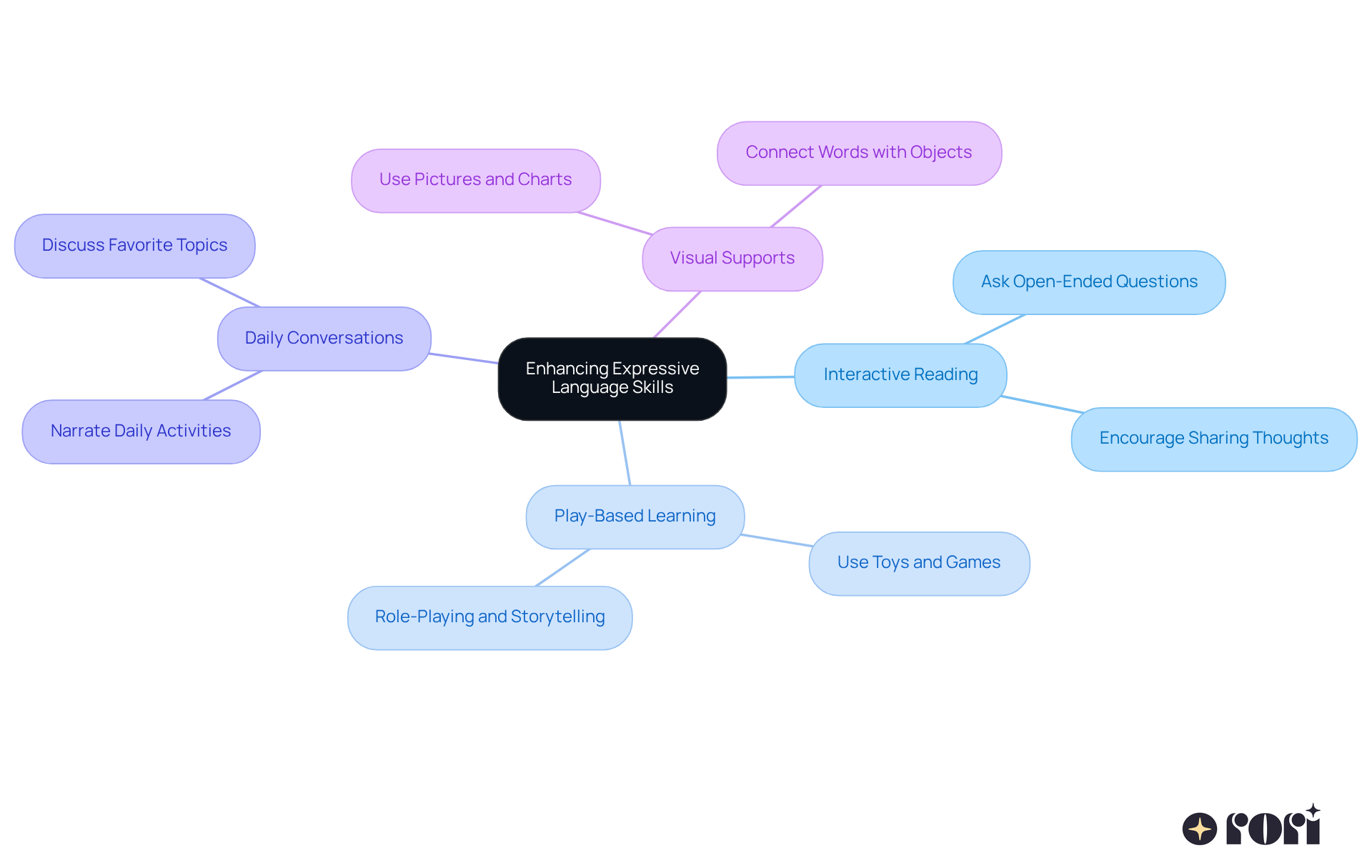
Once you’ve taken a moment to evaluate your child’s current abilities, it’s time to think about some fun strategies, such as ABA therapy for expressive language skills, to boost their expressive communication skills! And let’s not forget the vital role that caregiver education plays in this journey. By getting familiar with ABA principles, you can offer even better support at home. Here are some friendly ideas to consider:
Feel free to tweak these strategies to match your child’s unique interests and developmental stage. It’s all about creating a delightful learning experience while ensuring you’re ready to provide the best support and informed decision-making for their growth. Let’s explore this together!
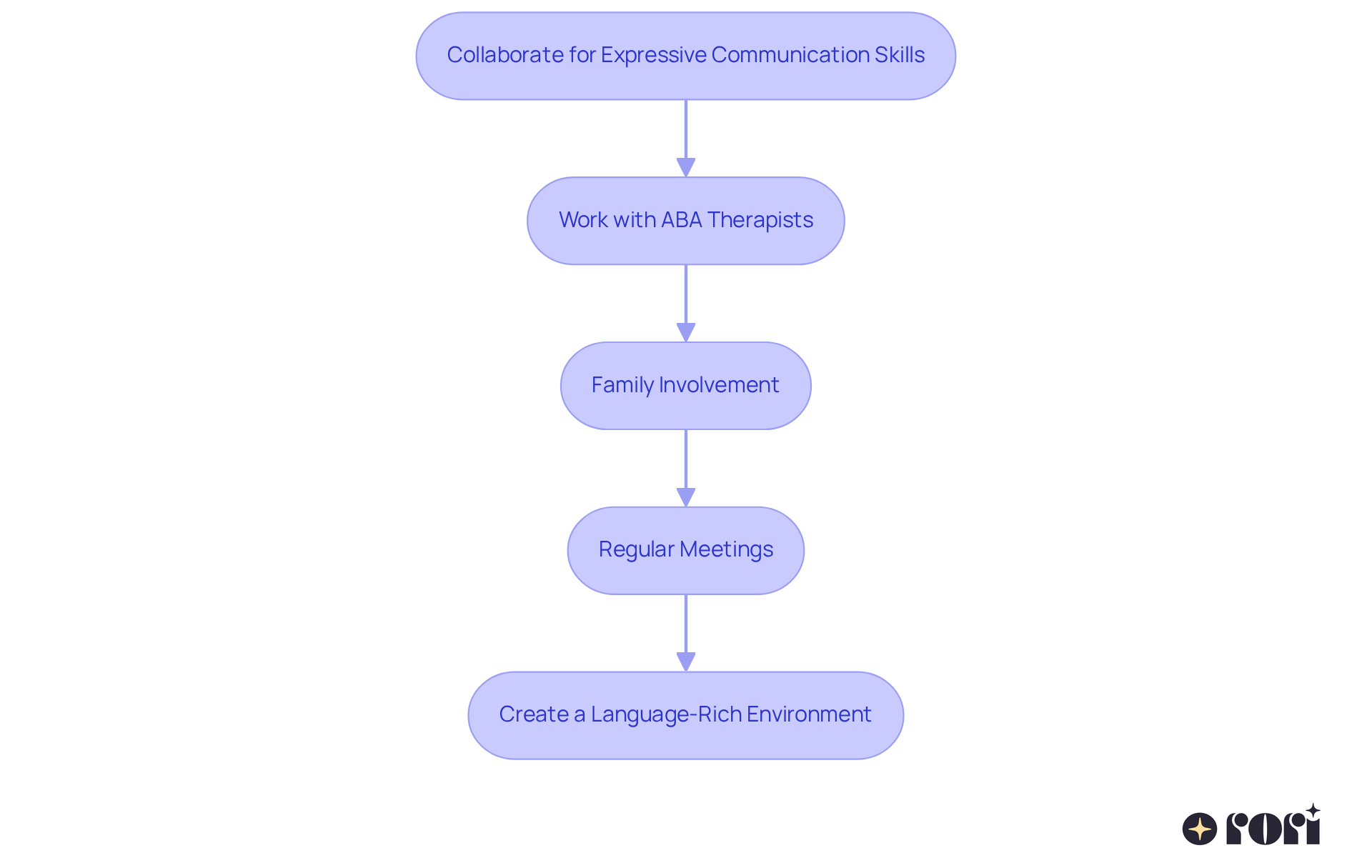
To really boost your child's , it’s essential to team up with professionals and get family members involved in the journey. Here are some friendly steps to consider:
By fostering collaboration and open communication among everyone involved, you can build a supportive network that truly enhances your child's aba therapy for expressive language skills. Let’s explore this together!
ABA therapy is such a wonderful tool for helping kids enhance their expressive language skills! By using systematic approaches, it really fosters effective communication. When caregivers embrace techniques like positive reinforcement, modeling, and prompting, they create a nurturing environment that can significantly boost a child's ability to express themselves. It’s amazing how understanding and applying these principles not only empowers families but also lays the groundwork for better social interactions and overall development.
One key strategy is assessing a child's current expressive language skills. This can be done through:
Engaging activities like interactive reading, play-based learning, and daily conversations make practicing communication abilities enjoyable for children. Plus, collaborating with professionals and involving family members enriches this process, creating a supportive system that enhances the effectiveness of ABA therapy.
Ultimately, mastering expressive language skills through ABA therapy is a journey that thrives on collaboration. It requires commitment, creativity, and ongoing support. By actively engaging in these strategies and fostering a language-rich environment, families can truly make a difference in their child's communication development. Prioritizing these methods not only benefits individual children but also advocates for broader access to essential therapeutic interventions. Let’s ensure that all children have the opportunity to thrive in their expressive language journey!
So, let’s explore this together! Your involvement can make all the difference!
What is ABA therapy and how does it relate to expressive language development?
ABA therapy, or Applied Behavior Analysis, is a systematic approach that uses behavior modification principles to improve learning and interaction, particularly in enhancing expressive language skills.
What are the key strategies used in ABA therapy for expressive language skills?
The key strategies include positive reinforcement, modeling, and prompting. Positive reinforcement rewards children for using language appropriately, modeling demonstrates language use in various contexts, and prompting provides cues to encourage verbal responses.
How does positive reinforcement benefit children in communication development?
Positive reinforcement encourages children to repeat desired language behaviors and boosts their confidence in communication, creating a nurturing environment where they feel inspired to share their thoughts.
What role does modeling play in improving expressive language skills?
Modeling involves demonstrating language use in different contexts, which helps young learners observe and learn effective expression, enhancing their ability to articulate thoughts and feelings.
How does prompting assist children in developing their expressive abilities?
Prompting offers cues or hints that encourage verbal responses, particularly benefiting children who may struggle to initiate interactions on their own.
Why is caregiver education important in ABA therapy for expressive language skills?
Caregiver education equips parents and caregivers with the knowledge and skills needed to support their children's behavioral goals, fostering a consistent and supportive environment that enhances communication skills.
What is the significance of access to ABA therapy for individuals with autism spectrum disorder (ASD)?
Around 30% of individuals with ASD do not receive therapeutic services, even with available Medicaid waivers for ABA, highlighting the need for improved access to these essential interventions.