Master Collaborative Care for Children on the Autism Spectrum

Explore the benefits of collaborative care for children on the autism spectrum in this insightful guide.

Introduction

Collaborative care for children on the autism spectrum is a wonderful approach that brings together a team of caring professionals - behavior analysts, therapists, educators, and medical practitioners - all working toward a shared goal: enhancing the well-being of each child. By fostering open communication and shared objectives, this model tailors interventions to meet individual needs while empowering families to play a vital role in their child's development.

But here’s a thought: how can caregivers and professionals ensure that this teamwork truly leads to meaningful outcomes for children with autism? Let’s explore this together! 🤗

Define Collaborative Care in Autism Treatment

Collaborative care for children on the autism spectrum emphasizes the importance of teamwork in autism treatment! Imagine a group of professionals-behavior analysts, therapists, educators, and medical practitioners-coming together to provide collaborative care for children on the autism spectrum. This approach to collaborative care for children on the autism spectrum really shines when everyone communicates effectively and shares common goals, ensuring that each person's unique needs are met.

At Rori Care, we’re excited to integrate AI technologies into our services, making them more accessible and effective. Studies show that individuals often see significant improvements in their functioning and behavior when they receive collaborative care for children on the autism spectrum within these interdisciplinary frameworks. Many even reach higher functional levels over time!

Aline Kabarite reminds us that 'greater family involvement leads to better outcomes.' This highlights just how important caregiver participation is in the intervention process. By blending diverse fields of knowledge and using AI, collaborative care not only enhances the quality of care but also fosters a nurturing environment that empowers families. Ultimately, this leads to better outcomes for individuals through collaborative care for children on the autism spectrum.

Let’s explore this together! We’re here to help you every step of the way!

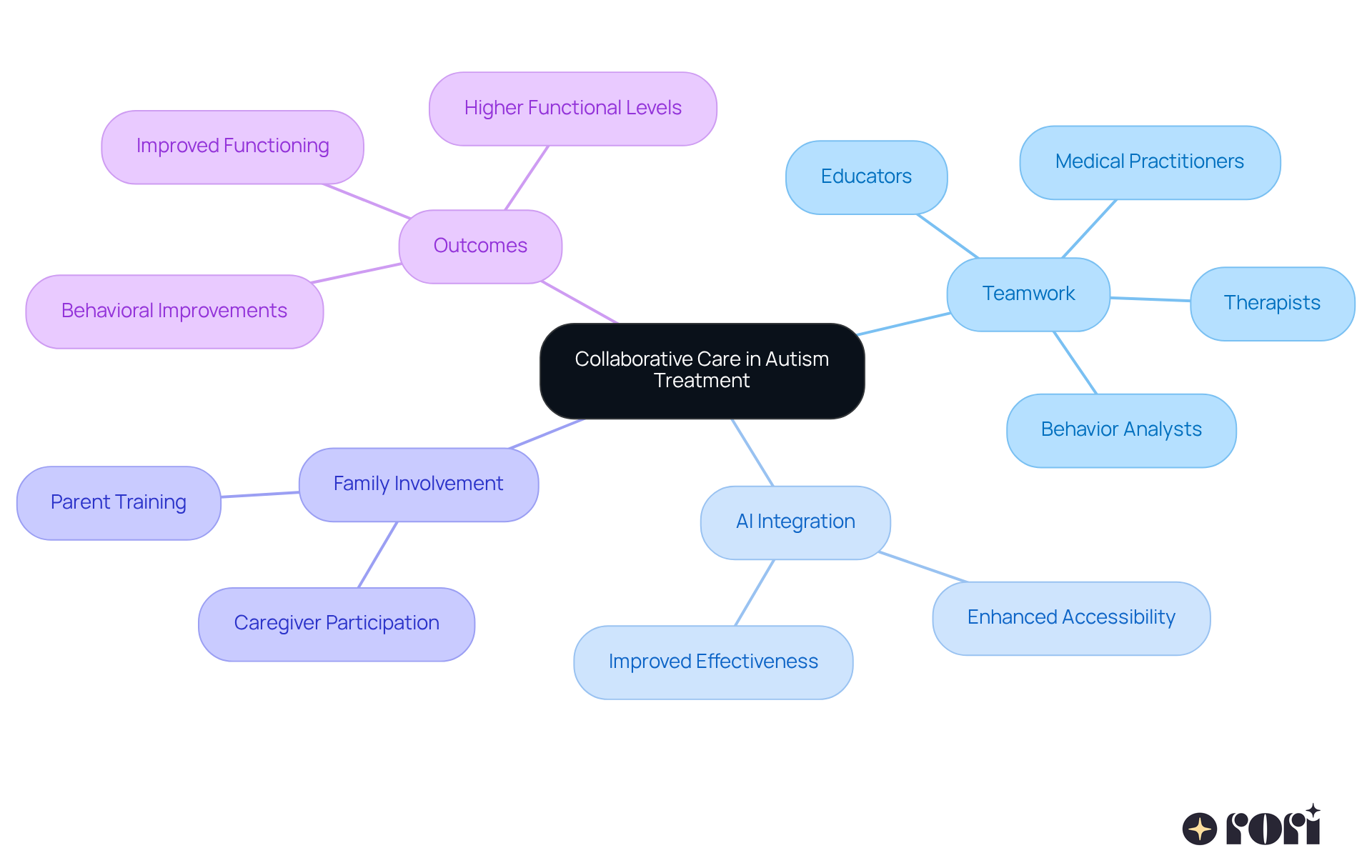
The center represents the main idea of collaborative care, with branches showing how teamwork, technology, and family involvement contribute to better outcomes for children with autism.

Identify Key Elements of Collaborative Therapy Programs

When it comes to collaborative therapy programs for children with autism, there are some key elements that really make a difference:

  • Interdisciplinary Team Composition: Imagine a diverse team of professionals-behavior analysts, speech therapists, occupational therapists, and educators-all working together. This holistic approach to collaborative care for children on the autism spectrum ensures that every aspect of your child's care is covered, creating a more complete and supportive experience.

  • Shared Goals and Objectives: Establishing common objectives among everyone involved is crucial. It helps everyone stay on the same page and enhances the effectiveness of interventions. Think of it as setting clear, measurable goals for behavior change and skill development-this way, you can easily track progress and celebrate those little victories!

  • Regular Communication: Frequent meetings and updates among team members are essential. They allow for ongoing assessment of progress and adjustments to care plans as needed. It’s all about keeping the lines of communication open, so everyone feels connected and informed.

  • Family Participation: Involving families in the collaborative care for children on the autism spectrum is crucial for the healing process! When families are engaged in collaborative care for children on the autism spectrum, they can actively support their child's growth, reinforcing the techniques used in therapy. Plus, educating caregivers on ABA principles empowers them to contribute effectively, creating a strong support system.

  • Data-Driven Decision Making: Using data to inform treatment decisions is a game-changer. It ensures that interventions are tailored to your child's specific needs and progress. With automatic data collection during sessions, clinical staff can monitor progress without interrupting therapy, keeping everything secure and organized.

Let’s explore this together! By understanding these elements, you can feel more empowered in your journey with your child.

The center represents the main topic, while the branches show the essential elements that contribute to effective collaborative therapy. Each color-coded branch highlights a different aspect, making it easy to follow and understand how they all connect.

Implement Strategies for Effective Teamwork in Autism Care

When it comes to implementing effective teamwork strategies in autism care, let’s dive into some friendly tips that can make a real difference:

  • Establish Clear Roles: It’s super important to clearly define what each team member is responsible for. This way, everyone knows their part, and it helps avoid any mix-ups. After all, when roles are unclear, it can lead to misunderstandings that get in the way of working together smoothly.
  • Encourage Open Communication: Creating a space where everyone feels comfortable sharing their thoughts and concerns is key. Regular check-ins can really help with this! Good communication is essential for aligning treatment goals and enhancing collaborative care for children on the autism spectrum while boosting teamwork.
  • Utilize Technology: Why not take advantage of technology to enhance collaborative care for children on the autism spectrum? Using shared digital platforms can make documentation and communication a breeze. These tools allow for real-time sharing of progress and strategies among colleagues, which can significantly enhance collaborative care for children on the autism spectrum.
  • Organize Joint Training Sessions: Organizing joint training sessions for your team can deepen everyone’s understanding of each other’s roles and enhance collaborative care for children on the autism spectrum. This is especially helpful since many behavioral professionals might not have formal education in collaboration. It’s all about fostering a more integrated approach to care!
  • Celebrate Achievements Together: Don’t forget to recognize and celebrate the milestones you achieve as a team! Acknowledging shared accomplishments not only strengthens the importance of collaboration but also inspires everyone to keep working together. It’s amazing how celebrating together can enhance group dynamics and promote ongoing collaboration.

Let’s explore these strategies together and see how they can help create a more supportive environment for everyone involved!
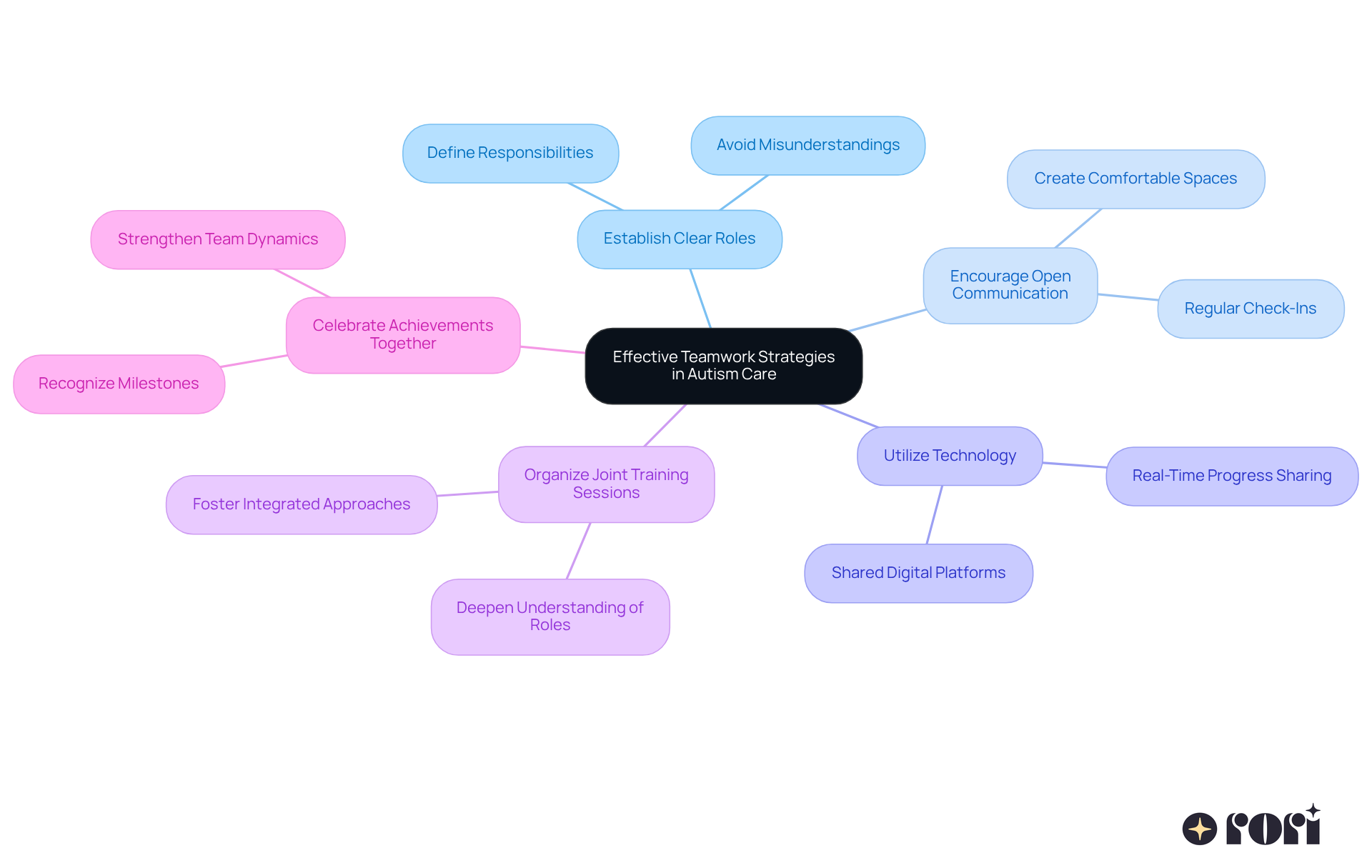
The central node represents the main theme of teamwork strategies, while each branch highlights a specific strategy. Follow the branches to explore tips and ideas that can enhance collaboration in autism care.

Leverage Technology to Enhance Collaborative Care

Technology can really make a difference in collaborative care for children on the autism spectrum! Here’s how:

  • Telehealth Services: Imagine being able to have virtual consultations that fit your schedule! This means you can connect with specialists who might not be nearby, ensuring your child gets the care they need without the hassle of travel.
  • Data Management Systems: Think about how easy it would be to share information among your child’s care team. With electronic health records and data tracking tools, everyone stays in the loop, making coordination a breeze.
  • Communication Apps: Secure messaging tools can help families and care teams stay connected in real-time. It’s all about keeping everyone informed and involved in your child’s journey.
  • AI-Powered Tools: Artificial intelligence can be a game-changer! It helps analyze data to spot trends in your child’s behavior, guiding teams in making informed decisions about care. Plus, Rori Care’s innovative approach creates automatic progress reports, allowing clinicians to spend 50% more time on direct pediatric care. That’s a win for therapy efficiency!
  • Interactive Learning Platforms: These platforms offer fun resources for young learners, letting them practice skills in a safe environment while therapists keep an eye on their progress from afar.

By embracing these technological advancements, we can truly enhance collaborative care for children on the autism spectrum. This leads to better treatment outcomes and creates a more supportive environment for families. Let’s explore this together!
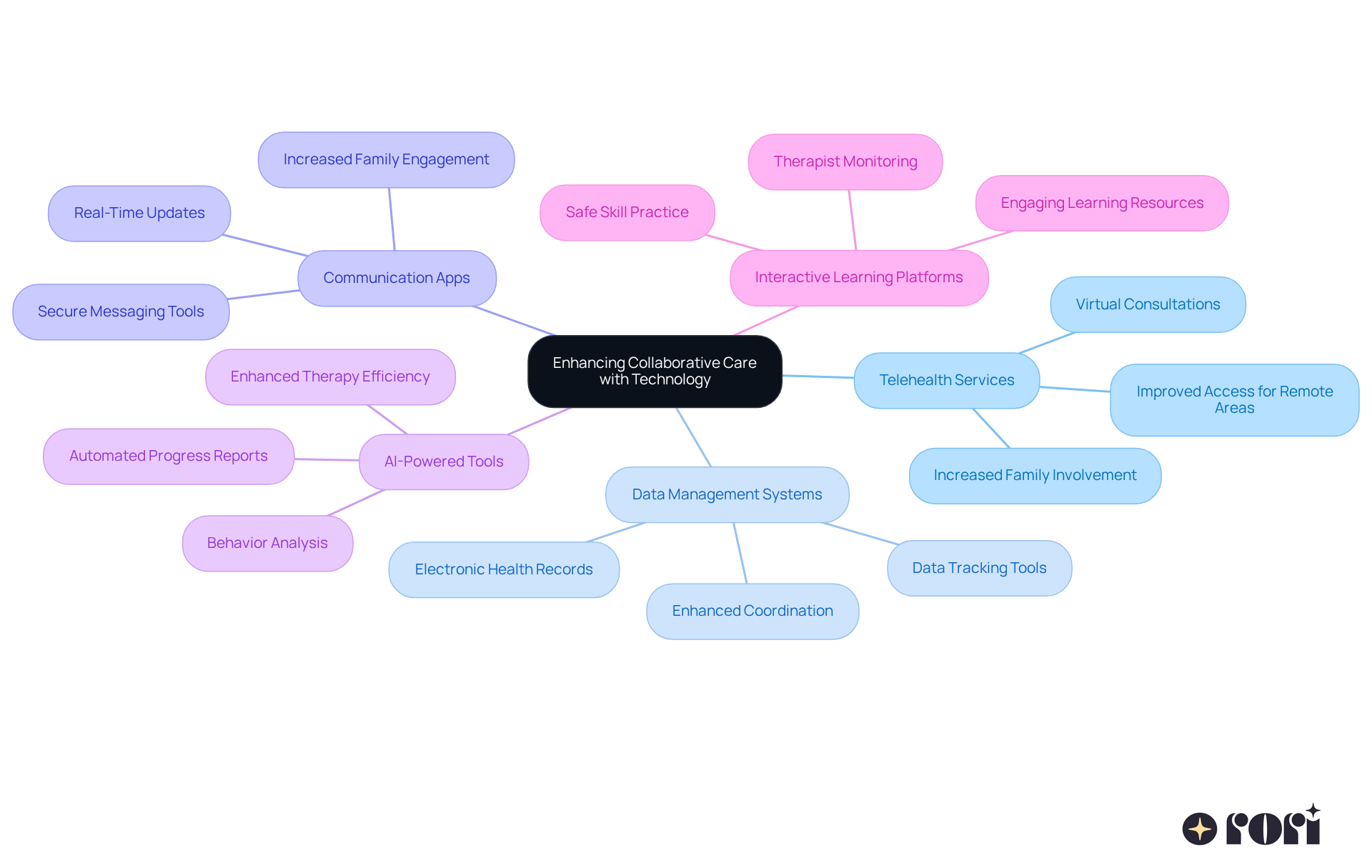
The central node represents the main theme, while the branches show different technologies that support collaborative care. Each branch highlights how these technologies contribute to better outcomes for children on the autism spectrum.

Conclusion

Collaborative care for children on the autism spectrum really shines when we bring together a team of dedicated professionals. Imagine behavior analysts, therapists, educators, and families all working hand-in-hand toward shared goals. This teamwork ensures that every child’s unique needs are met, leading to better outcomes for everyone involved.

Key elements of effective collaborative care include:

  1. Having a diverse team
  2. Keeping communication open
  3. Involving families
  4. Making decisions based on data

These aspects not only boost the quality of care but also empower families to take an active role in their child’s development. Plus, technology plays a big part in this, making communication smoother and tracking progress easier.

In short, embracing collaborative care is essential for creating a supportive and effective treatment environment for children on the autism spectrum. By adopting best practices and utilizing the latest tech, we can build a holistic approach that benefits not just the children, but also strengthens the entire support system. Let’s embark on this collaborative journey together! Prioritizing teamwork and communication in autism treatment can lead to meaningful changes for families and care teams alike.

Frequently Asked Questions

What is collaborative care in autism treatment?

Collaborative care in autism treatment emphasizes teamwork among professionals such as behavior analysts, therapists, educators, and medical practitioners to meet the unique needs of children on the autism spectrum.

How does effective communication impact collaborative care?

Effective communication among team members ensures that everyone shares common goals, which helps to meet each child's unique needs and enhances the overall treatment process.

What role does family involvement play in collaborative care?

Greater family involvement leads to better outcomes, highlighting the importance of caregiver participation in the intervention process.

How does Rori Care utilize technology in collaborative care?

Rori Care integrates AI technologies into its services to make them more accessible and effective for children on the autism spectrum.

What are the benefits of collaborative care for children on the autism spectrum?

Studies show that individuals receiving collaborative care often see significant improvements in their functioning and behavior, with many reaching higher functional levels over time.

How does collaborative care create a nurturing environment?

By blending diverse fields of knowledge and involving families, collaborative care enhances the quality of care and fosters an environment that empowers families, leading to better outcomes for individuals.