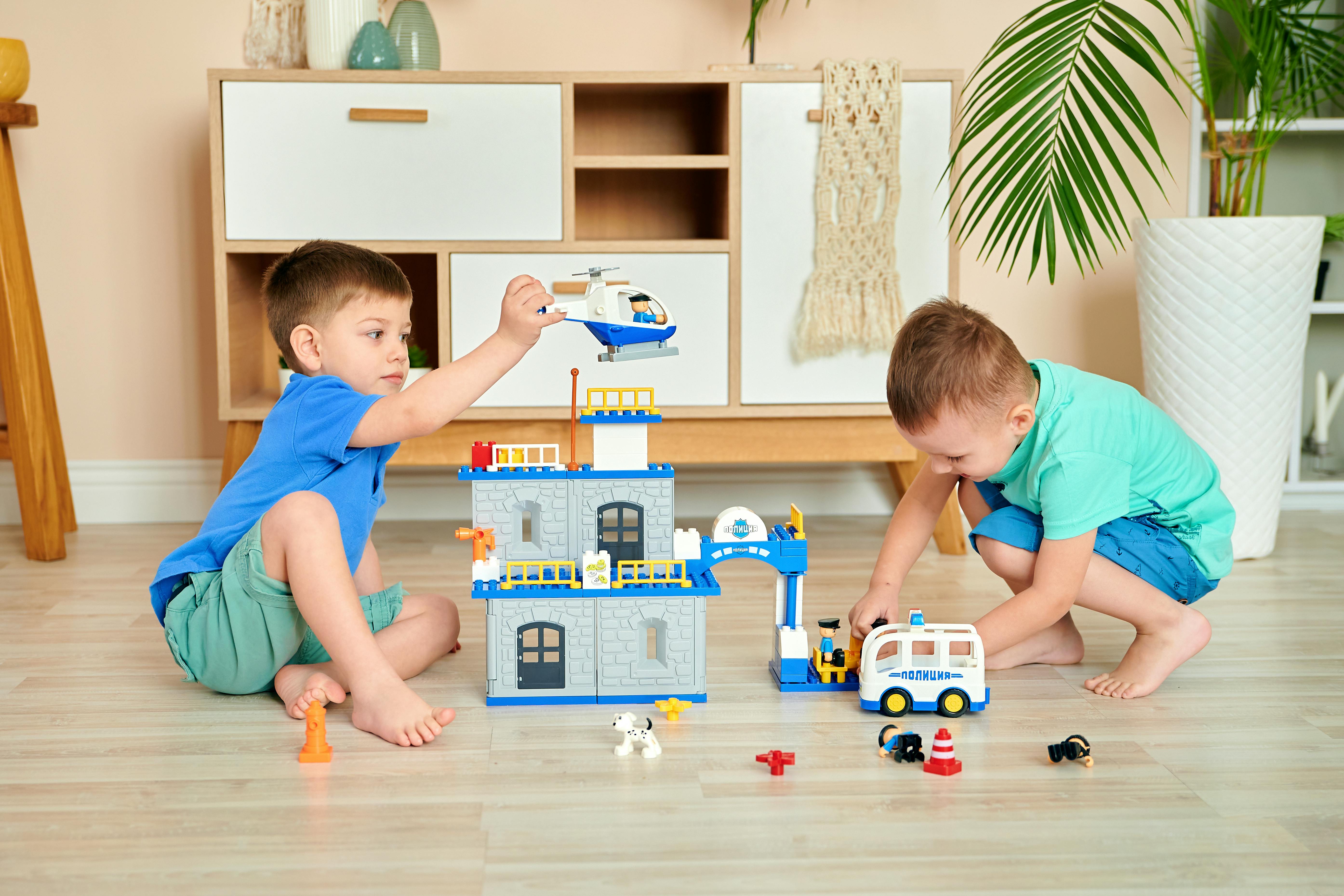
Role-playing exercises have become a wonderful way to help children with Autism Spectrum Disorder (ASD) enhance their social skills. These activities create a structured space where kids can practice real-life interactions, making learning feel more natural and fun! 🌟 Not only do they boost essential communication skills, but they also nurture empathy, helping young learners appreciate different perspectives.
But let’s be real - implementing these exercises can be a bit tricky for many caregivers and educators. What strategies can we use to make sure that role-playing sessions are impactful and tailored to each child’s unique needs? Let’s explore this together! We’re here to help you every step of the way!
Role-playing exercises for individuals with ASD to enhance their serve as a fantastic way for kids to practice social interactions in a safe and structured environment. It’s all about helping them learn essential skills like starting conversations, responding appropriately, and picking up on social cues. By acting out real-life situations, kids can boost their social skills and, in turn, their confidence in interacting with others. Recent studies show that engaging in can significantly improve social interaction, making it a key part of .
But that’s not all! Role-playing also helps foster empathy. When kids step into someone else’s shoes, they gain a better . This combination of skill-building and emotional insight makes [role-playing exercises for individuals with ASD to enhance their social skills](https://pmc.ncbi.nlm.nih.gov/articles/PMC7670840) an invaluable tool for .
At Rori Care, we take this a step further with our , led by trained therapists. This setting encourages better communication and relationships among peers, creating a supportive community. And let’s not forget about the caregivers! and strategies is crucial. When caregivers understand how to support their children effectively at home, it complements professional interventions and promotes consistency. This active involvement leads to better behavioral outcomes and empowers caregivers, boosting their confidence in nurturing their child’s development.
Let’s explore this together! We’re here to help you every step of the way!
To make role-playing exercises for individuals with asd to enhance their truly effective, it’s important to select situations that resonate with a young person’s everyday life and social interactions. Think about the typical moments they might face, like:
Once you have a list of these scenarios, set . For example, if the scenario is about , the goal could be to practice starting a conversation and keeping eye contact.
is a tailored therapy that meets each individual’s unique needs, focusing on the science of learning and behavior. By aligning scenarios with real-life experiences and defining specific objectives, you create a that really boosts learning and helps develop interpersonal skills.
Did you know that ? That’s why effective are so crucial for building those important social skills. It’s essential to recognize the challenges that young people with autism might face, such as or handling transitions, and one effective approach is using role-playing exercises for individuals with asd to enhance their social skills. This highlights the need for role-playing exercises for individuals with asd to enhance their social skills through customized interactive scenarios.
At Rori Care, our clinical leadership team is passionate about neurodiversity and supporting youth success. We empower caregivers with to help their children achieve their through active involvement and data collection. Let’s explore this together! We’re here to help you every step of the way!

To make a success, it’s super important to create a . Start by clearly explaining the scenario and the roles involved, so the young one knows what’s expected of them. Using can really boost engagement, making everything feel more relatable and fun! Encourage them to express themselves freely, and sprinkle in some throughout the exercise to help build their confidence.
After the role-play, take some time for a . Discuss what went well and pinpoint areas for improvement. This reflection not only reinforces learning but also helps the young learner process their experiences effectively. Plus, inviting other participants to join in can enhance the dynamics of the role-play, promoting collaboration and .
Did you know that organized training in , which includes for individuals with asd to enhance their , can lead to significant improvements in communication and interaction among youth with autism? Research shows that about 70% of kids who engage in regular imaginative play see better behavior and communication skills. By creating an inclusive and engaging environment, parents and therapists can empower youth with autism through role-playing exercises for individuals with asd to , enabling them to navigate interactions more effectively. Let’s explore this together!

Assessing how effective for individuals with asd to enhance their are is super important for helping kids develop their social skills, especially for those with , ADHD, Social Communication Disorders, and Anxiety Disorders. After each session, it’s a great idea to and if they understood the scenarios. Watching them engage and use the techniques they've practiced in can give you some really valuable insights. Research shows that kids who get into often see a big boost in their social skills, with studies showing an effect size for social skills training interventions between 0.28 and 0.60.
To make simulation activities even more effective, and understand what's going on. For instance, if a child struggles with starting conversations, future sessions can zero in on that skill. Including in the adaptation process not only makes the exercises more relevant but also empowers them by addressing their specific needs. Plus, using role reversal techniques can help , allowing students to view situations from different perspectives. This approach aligns with the idea that , ensuring that role-playing exercises for individuals with asd to enhance their social skills remain a dynamic and effective tool for building confidence and competence in social interactions. Let’s explore this together!

Role-playing exercises really shine as a fantastic way to boost social skills in children with Autism Spectrum Disorder (ASD). When kids dive into these structured activities, they not only practice essential social interactions but also build confidence and empathy. This journey ultimately leads to better communication abilities. The importance of these exercises is huge! They create a safe space for children to explore real-life social situations and learn to read social cues effectively.
Throughout this article, we’ve explored various strategies for implementing role-playing exercises. Choosing relatable scenarios, setting clear goals, and fostering a supportive atmosphere are key to making these sessions successful. Plus, it’s crucial to continuously evaluate and adapt the exercises to fit each child’s unique needs. This dynamic approach is essential for nurturing lasting social skills and encouraging active participation from both kids and caregivers.
Ultimately, enhancing social skills for children with ASD through role-playing is a team effort. It involves therapists, parents, and the children themselves. By embracing these techniques and staying committed to ongoing improvement, caregivers can empower their children to navigate social interactions with greater ease and confidence. The impact of role-playing goes beyond the sessions, equipping kids with the tools they need to thrive in their social environments.
Let’s explore this together! Remember, you’re not alone on this journey, and we’re here to help you every step of the way!
What is the purpose of role-playing exercises for individuals with ASD?
Role-playing exercises aim to enhance social skills by providing a safe and structured environment for kids to practice social interactions, such as starting conversations, responding appropriately, and recognizing social cues.
How do role-playing exercises benefit children with ASD?
These exercises boost children's social skills and confidence in interacting with others by allowing them to act out real-life situations, which can significantly improve social interaction.
What additional benefit does role-playing provide beyond social skills?
Role-playing helps foster empathy, as children gain a better understanding of different perspectives by stepping into someone else’s shoes.
How does Rori Care enhance role-playing for social skills development?
Rori Care offers interpersonal skills group therapy led by trained therapists, which encourages better communication and relationships among peers in a supportive community.
Why is caregiver education important in the context of role-playing for children with ASD?
Educating caregivers on ABA principles and strategies is crucial because it helps them support their children effectively at home, complementing professional interventions and promoting consistency for better behavioral outcomes.