Introduction
Toilet training can feel like a big mountain to climb for both caregivers and kids. But what if we could turn this daunting task into a fun adventure? By using the principles of Applied Behavior Analysis (ABA), we can make this journey not just manageable but also rewarding!
Imagine a process that not only helps your little one learn but also boosts their independence and confidence. In this article, we’ll explore some essential ABA techniques that can transform this everyday challenge into a success story. Together, we’ll navigate this important transition with ease and positivity, ensuring that both you and your child feel supported every step of the way. Let’s dive in!
Understand ABA Principles for Toilet Training
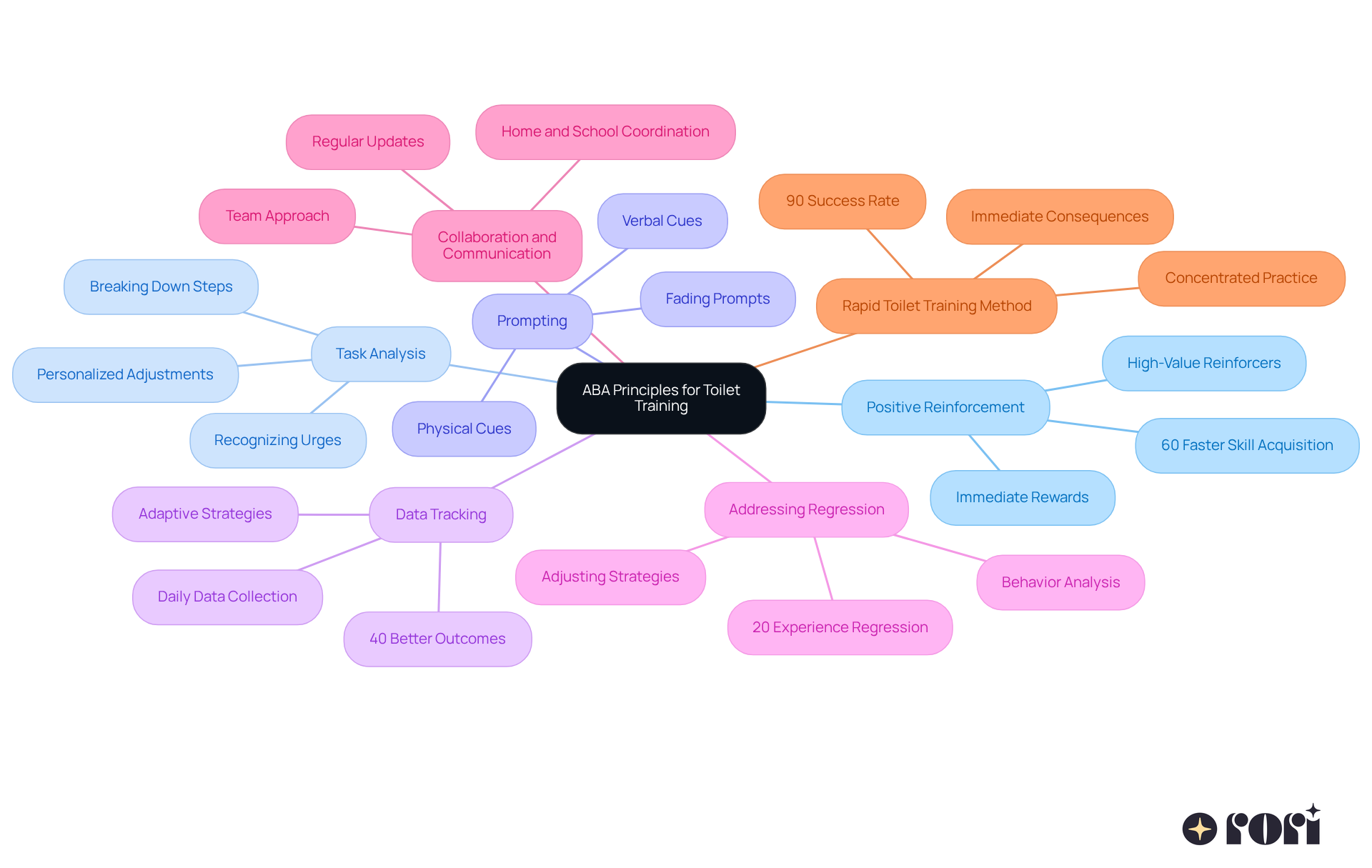
Applied Behavior Analysis (ABA) is a systematic approach that focuses on understanding and modifying behavior through reinforcement and structured teaching. When it comes to toilet training, ABA highlights some key principles that can really make a difference:
- Positive Reinforcement: Rewarding those little victories, like using the restroom, can really encourage kids to keep it up! Think about using verbal praise, fun stickers, or even small treats. Research shows that kids who get immediate, high-value rewards can learn toileting skills 60% faster than those who don’t. Isn’t that amazing?
- Task Analysis: Breaking down the bathroom training process into smaller, manageable steps is super helpful. For instance, it might involve recognizing the urge to go, undressing, sitting on the toilet, and flushing. This organized approach allows for personalized adjustments based on each child’s needs and abilities, making it easier for them to grasp the whole toileting process.
- Prompting: Sometimes, kids need a little nudge! Verbal or physical cues can guide them through the toilet training journey, helping them learn the necessary actions. And as they get the hang of it, gradually fading those prompts is key to fostering independence. It’s all about encouraging them to rely on their own skills!
- Data Tracking: Keeping track of successes and challenges is crucial for tweaking strategies as needed. Daily data collection in ABA programs has shown to yield 40% better outcomes compared to relying on subjective assessments. This ongoing assessment ensures that the method stays effective and tailored to each child’s progress, allowing for adaptive strategies that meet their changing needs.
- Addressing Regression: It’s important to remember that about 20% of kids might experience regression if maintenance strategies aren’t implemented properly. Caregivers should be ready to analyze their child’s behavior and adjust strategies accordingly to manage any setbacks. This not only helps in overcoming challenges but also fosters a sense of empowerment and ownership in the process.
- Collaboration and Communication: Successful toilet training thrives on consistent communication between home and school. This partnership among all team members, including parents and educators, is vital for achieving the best results. When everyone’s on the same page, it makes a world of difference!
- Rapid Toilet Training Method: Programs based on the Rapid Toilet Training method have shown a success rate of over 90% in helping kids gain toileting independence in just a few days. This method focuses on concentrated practice periods with frequent trials and immediate consequences.
By understanding and applying these principles, caregivers can create a supportive atmosphere for successful bathroom habits using ABA principles for toilet training. Ultimately, this not only improves a child’s independence but also enhances their overall quality of life. Let’s explore this together!
Prepare for Successful Toilet Training
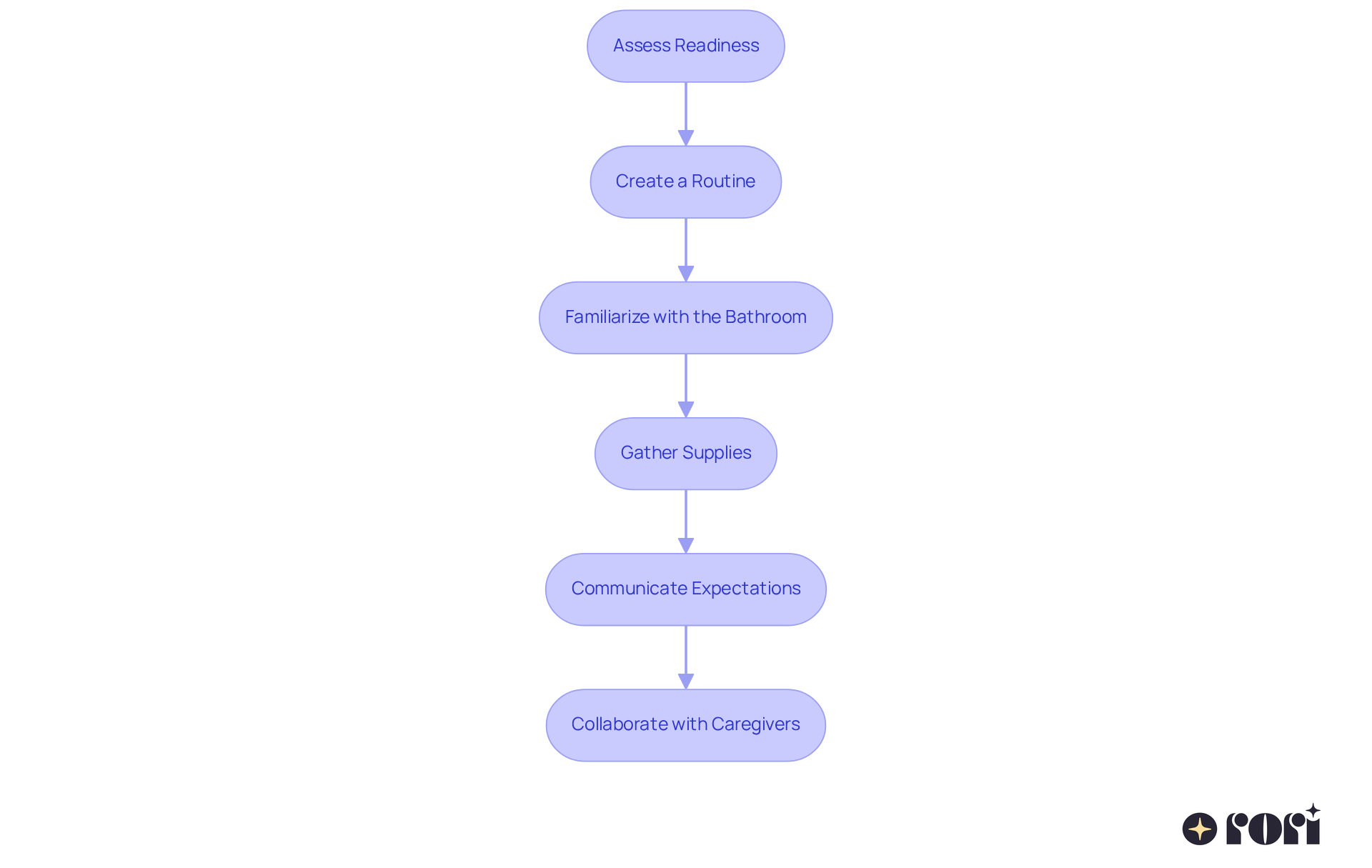
To effectively prepare for toilet training using ABA (Applied Behavior Analysis) principles, which focus on understanding and modifying behavior through reinforcement and structured support, let’s consider some friendly steps:
- Assess Readiness: First things first, let’s identify if your little one is ready for the restroom. Look for signs like showing interest in the bathroom, staying dry for longer periods, or being able to communicate when they need to go. Did you know that kids with autism often take a bit longer to reach bathroom training milestones? On average, it’s about 3.3 years compared to 2.5 to 3 years for their neurotypical peers.
- Create a Routine: Next up, establishing a consistent bathroom schedule can work wonders. Think about taking your child to the toilet at regular intervals, maybe every two hours or right after meals. Consistency is key! Kids with autism thrive on predictable routines, making it easier for them to adapt to this new skill.
- Familiarize with the Bathroom: Let’s make the bathroom a friendly place! Allow your child to explore the bathroom environment. Show them the toilet, explain what it’s for, and let them sit on it fully clothed to ease any anxiety. This gradual introduction can help reduce fears, as bathrooms can feel a bit intimidating for some little ones.
- Gather Supplies: Don’t forget to gather all the necessary supplies! You’ll want a child-friendly potty chair or seat, training pants, and some fun rewards for positive reinforcement. Celebrating those little achievements can really motivate your child and make the experience enjoyable.
- Communicate Expectations: Use simple language to explain how to use the restroom. Visual aids, like social stories or charts, can really enhance understanding and provide clear guidance. Consistent language for toileting terms is super helpful, especially for kids with communication delays.
- Collaborate with Caregivers: Lastly, make sure all caregivers in your child’s life are on the same page with the toilet preparation plan. Consistency among caregivers and environments is crucial. Sharing your child’s toileting strategy with everyone involved can lead to better outcomes.
By following these friendly steps and using ABA principles for toilet training, you can create a supportive atmosphere that encourages successful restroom habits, ultimately leading to greater independence for your little one. Plus, empowering caregivers with ABA principles and strategies enhances their ability to support their child’s behavioral goals, leading to improved outcomes and a more cohesive approach to development. Let’s explore this together!
Implement Step-by-Step ABA Techniques
To implement ABA techniques for toilet training, let’s break it down into some simple steps that can make the process smoother for both you and your little one:
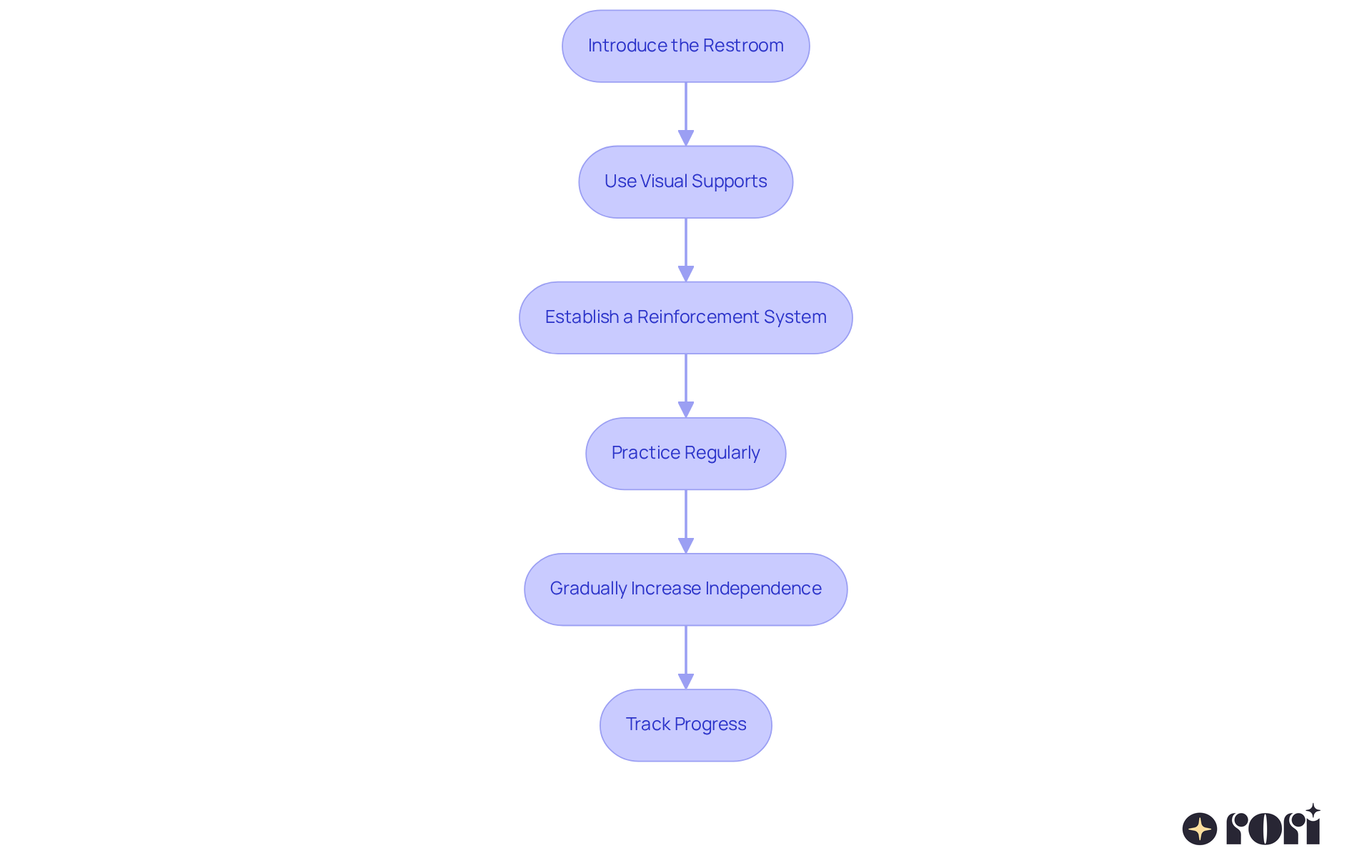
- Introduce the restroom: Start by introducing the potty chair. Explain its purpose and encourage your child to sit on it, even if they don’t need to go just yet. It’s all about getting comfortable!
- Use Visual Supports: Create a visual schedule that outlines the steps of using the restroom. Think about including pictures for each step, like pulling down pants, sitting, and flushing. Visuals can really help kids understand what to do.
- Establish a Reinforcement System: Find a powerful reinforcer that motivates your child. This could be a favorite toy, sticker, or treat. Use this reinforcement right after successful bathroom use to encourage them to keep it up!
- Practice Regularly: Take your little one to the toilet at scheduled times, like after meals or every couple of hours. Consistency is key to building a routine, and it helps them know what to expect.
- Gradually Increase Independence: As your child becomes more comfortable, start reducing prompts and let them take the lead. Encourage them to communicate their needs, whether verbally or through gestures. It’s all about building their confidence!
- Track Progress: Keep a record of successes and challenges. This will help you spot patterns and adjust your approach as needed. By actively monitoring progress, you can ensure that the plan stays flexible and responsive to your child’s evolving needs.
By following these steps, you can effectively teach your child the skills they need for successful toilet use using ABA principles for toilet training. Plus, using ABA principles for toilet training through caregiver education can really boost your ability to support your child’s development, making the learning process even more effective.
Let’s explore this together! We’re here to help you every step of the way!
Troubleshoot Common Toilet Training Challenges
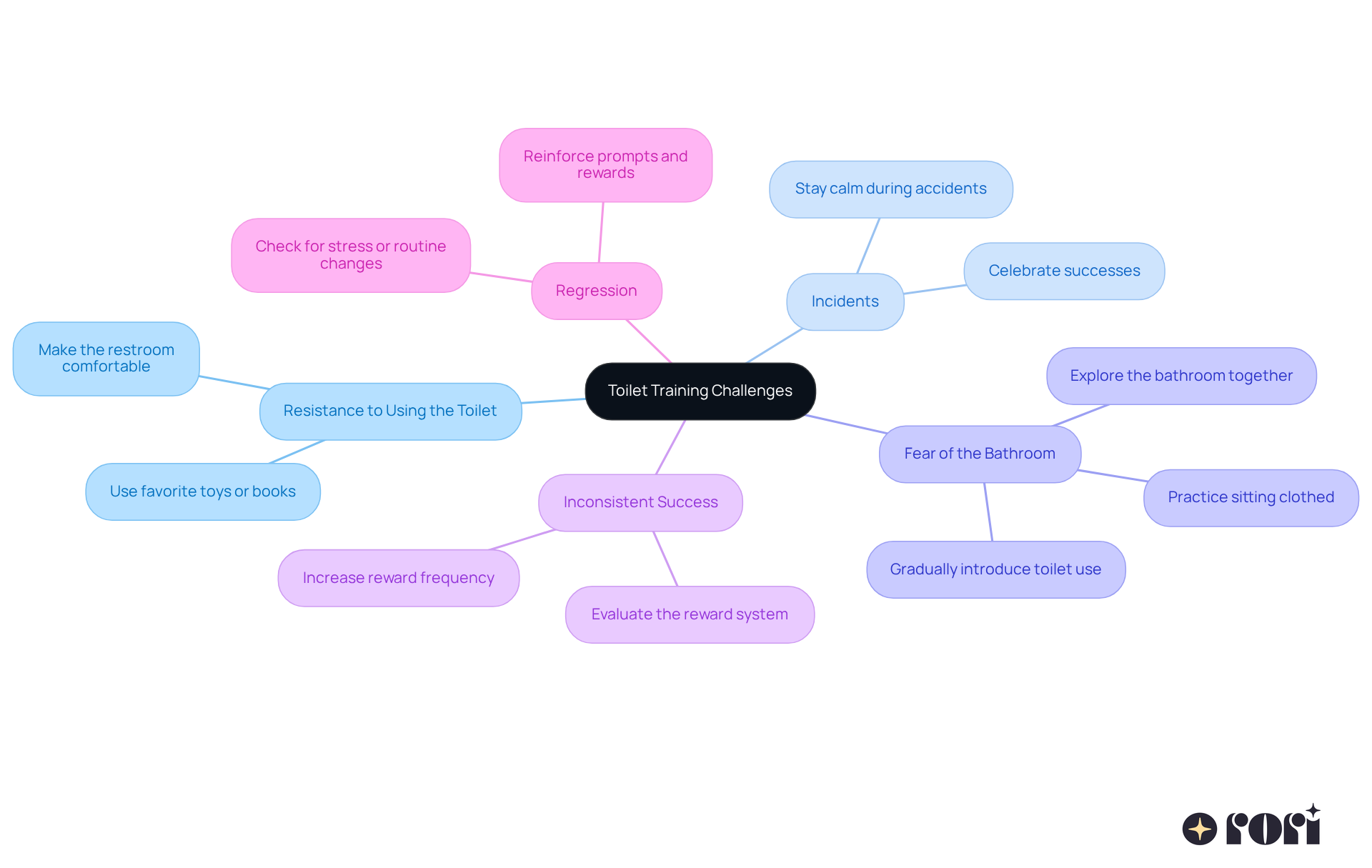
Toilet training can be quite the adventure for caregivers, can't it? Here are some common challenges you might face, along with some friendly strategies to help you navigate them:
- Resistance to Using the Toilet: If your little one is hesitant, it might be time to revisit how you introduced the toilet. Make sure they feel comfy in the restroom. Sometimes, bringing along a favorite toy or book can help distract them and ease any bathroom jitters.
- Incidents: Accidents are just part of the learning curve! When they happen, stay calm and avoid any punishment. Instead, focus on celebrating the wins when your child successfully uses the toilet. Experts say that praising any effort, no matter the outcome, can help build a positive connection with the process.
- Fear of the Bathroom: Some kids might develop a bit of a fear when it comes to the restroom. To help with this, let them explore the bathroom and practice sitting on the toilet while fully clothed. Gradually, you can introduce the idea of using the toilet without clothes, making sure they feel safe and secure.
- Inconsistent Success: If it seems like progress is slow or all over the place, take a look at your reward system. Are the rewards exciting enough? Sometimes, boosting the frequency of rewards during tougher times can keep motivation high and encourage more consistent toilet use.
- Regression: If your child takes a step back after some initial success, it could be due to stress or changes in their routine. Check in on their comfort level and consider going back to a more frequent schedule of prompts and rewards until they feel confident again. Remember, regression is common, and with a little patience and support, it can be overcome.
By anticipating these challenges and using ABA principles for toilet training, you can maintain momentum in your toilet training journey. You're not alone in this - let’s explore this together and support your child's path to independence!
Conclusion
Mastering toilet training through ABA principles can truly transform your child's journey toward independence and a better quality of life. By emphasizing positive reinforcement, breaking tasks into manageable steps, and maintaining open communication, you can create a nurturing environment that empowers your little one to take charge of their toileting habits.
Think about it: breaking down the toilet training process into bite-sized steps makes it so much easier for kids to grasp. Visual supports can be a game changer, and a solid reinforcement system keeps them motivated. And let’s not forget about the bumps along the way - like resistance or regression. Patience and adaptability are key to keeping the momentum going. Remember, you’re not alone in this; the partnership between caregivers and educators is essential for a smooth and supportive toilet training experience.
Ultimately, using ABA principles for toilet training isn’t just about hitting a milestone; it’s about building your child's confidence and autonomy. By embracing these strategies and tuning into your child's unique needs, you can turn this journey into a positive and empowering adventure. With a little commitment and the right tools, success in toilet training is absolutely within reach, paving the way for greater independence and self-sufficiency in your child. Let’s explore this together!
Frequently Asked Questions
What is Applied Behavior Analysis (ABA) in the context of toilet training?
ABA is a systematic approach that focuses on understanding and modifying behavior through reinforcement and structured teaching, specifically aimed at helping children learn toileting skills.
How does positive reinforcement aid in toilet training?
Positive reinforcement, such as verbal praise, fun stickers, or small treats, encourages children to use the restroom. Research indicates that children who receive immediate, high-value rewards can learn toileting skills 60% faster than those who do not.
What is task analysis in toilet training?
Task analysis involves breaking down the toilet training process into smaller, manageable steps, such as recognizing the urge to go, undressing, sitting on the toilet, and flushing. This approach allows for personalized adjustments based on each child's needs and abilities.
What role does prompting play in toilet training?
Prompting involves providing verbal or physical cues to guide children through the toilet training process. Gradually fading these prompts helps children develop independence in their toileting skills.
Why is data tracking important in toilet training?
Data tracking is crucial for monitoring successes and challenges, allowing caregivers to adjust strategies as needed. Daily data collection in ABA programs has been shown to yield 40% better outcomes compared to subjective assessments.
How can regression in toilet training be addressed?
About 20% of children may experience regression if maintenance strategies are not implemented properly. Caregivers should analyze their child's behavior and adjust strategies to manage setbacks, fostering a sense of empowerment in the process.
What is the significance of collaboration and communication in toilet training?
Consistent communication between home and school is vital for successful toilet training. Collaboration among parents, educators, and other team members ensures everyone is aligned, which enhances the overall effectiveness of the training.
What is the Rapid Toilet Training method?
The Rapid Toilet Training method has a success rate of over 90% in helping children achieve toileting independence within a few days. It focuses on concentrated practice periods with frequent trials and immediate consequences.
List of Sources
- Understand ABA Principles for Toilet Training
- Teaching Toileting Skills Using ABA | Links (https://linksaba.com/teaching-toileting-skills-using-aba)
- A Highly Effective Toilet Training Program Based on Applied Behavior Analysis Principles (https://autismspectrumnews.org/a-highly-effective-toilet-training-program-based-on-applied-behavior-analysis-principles)
- ABA Therapy for Toilet Training Success in Children with Autism | Mestre Behavior (https://mestrebehavior.com/aba-therapy-toilet-training)
- Prepare for Successful Toilet Training
- What to Know About Toilet Training Your Child with Autism - SPARK for Autism (https://sparkforautism.org/discover_article/toilet-training-autism)
- Does Autism Affect Potty Training - A Full Breakdown (https://biermanautism.com/resources/blog/does-autism-affect-potty-training)
- Toilet Training in Children with Autism Spectrum Disorder (https://consultqd.clevelandclinic.org/toilet-training-in-children-with-autism-spectrum-disorder)
- Toilet Training and Autism (https://medium.com/autisticaldata/toilet-training-and-autism-e71d122dc2c9)
- Troubleshoot Common Toilet Training Challenges
- Toilet Training and Autism (https://medium.com/autisticaldata/toilet-training-and-autism-e71d122dc2c9)
- Toilet Training in Children with Autism Spectrum Disorder (https://consultqd.clevelandclinic.org/toilet-training-in-children-with-autism-spectrum-disorder)
- Potty pressure: 1 in 5 parents report struggles with toilet training (https://michiganmedicine.org/health-lab/potty-pressure-1-5-parents-report-struggles-toilet-training)
- What to Know About Toilet Training Your Child with Autism - SPARK for Autism (https://sparkforautism.org/discover_article/toilet-training-autism)
- Study: Potty training challenges common, with anxiety and setbacks affecting many families | Contemporary Pediatrics (https://contemporarypediatrics.com/view/study-potty-training-challenges-common-with-anxiety-and-setbacks-affecting-many-families)