Embarking on the journey to become a Board Certified Behavior Analyst (BCBA) is no easy task. It requires a rigorous academic foundation, practical field experience, exam preparation, and the completion of various certification requirements. In this article, we will guide you through the essential steps to becoming a BCBA, providing valuable insights and expert advice to empower you on this path.
From selecting an accredited program to gaining field experience, preparing for and passing the BCBA exam, and finally applying for certification and licensure, we will equip you with the knowledge and resources needed to succeed. Additionally, we will explore the importance of maintaining your BCBA certification through continuing education, supervision, ethical conduct, and recertification. With our informative and authoritative tone, we aim to provide parents with valuable insights and empower them with expert advice, ensuring they are equipped to address a diverse range of behavioral challenges and make a significant impact in the lives of those they will serve.
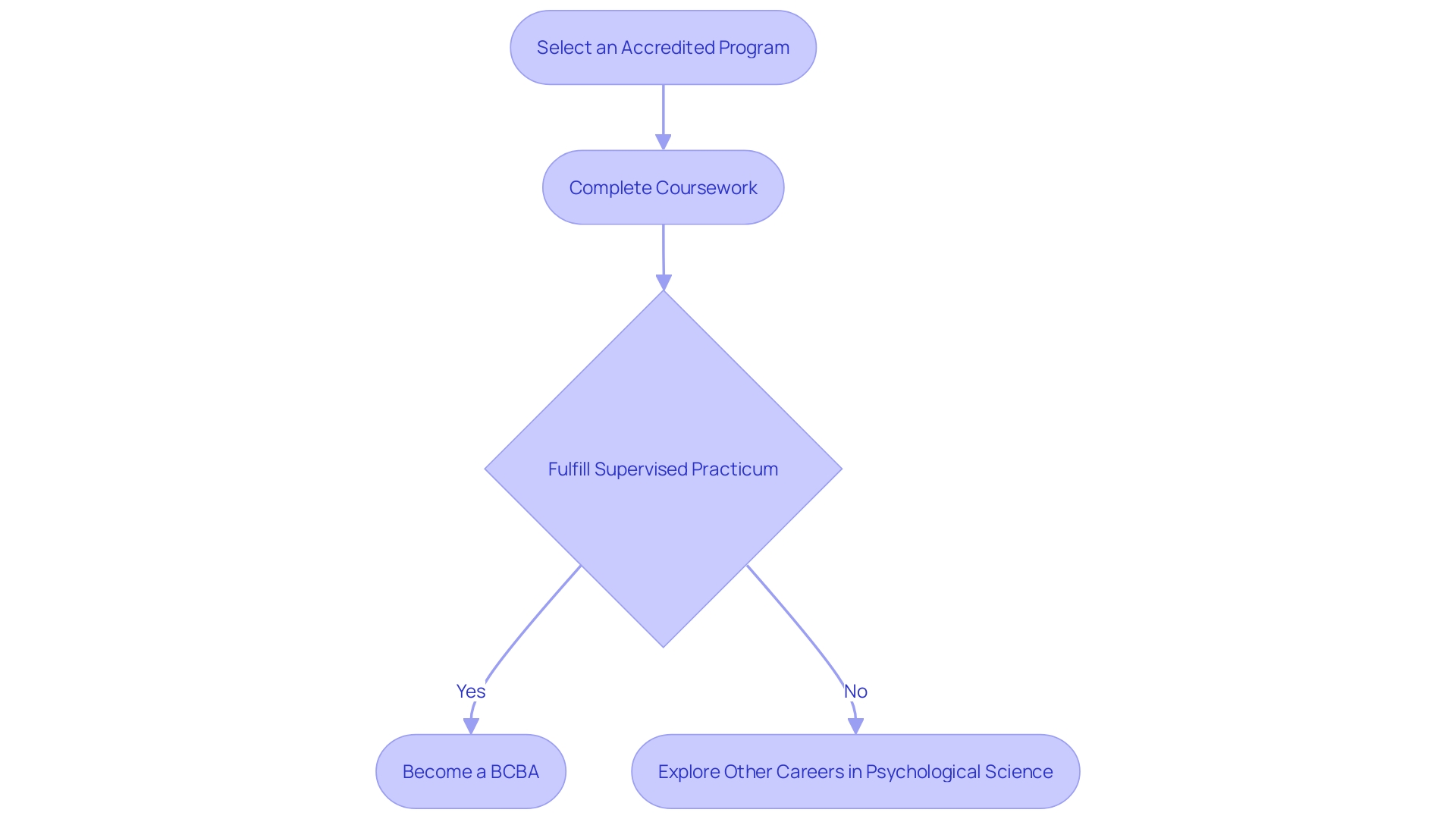
Embarking on the path to becoming a necessitates a rigorous academic foundation. To meet this educational requirement, here's a comprehensive approach:
Fulfill a : Acquiring real-world knowledge is facilitated through a , which serves as a crucial element of your training. This practicum provides the opportunity to apply theoretical knowledge to practical scenarios, working directly with individuals who can benefit from ABA under the mentorship of an experienced supervisor.
These steps are designed to foster a deep understanding of , with a strong emphasis on ethical practice and evidence-based methodologies. The goal is to prepare you to address a diverse range of behavioral challenges and to craft personalized . With the guidance of experienced experts and a curriculum based on practical relevance, the path to becoming a is both demanding and rewarding, with the potential to make a meaningful difference in the lives of those you will assist.
To succeed as a , it is crucial to not only finish your academic coursework but also engage in . This hands-on learning is an invaluable step to apply theoretical knowledge in real-life scenarios and hone your skills. Here are strategies to accumulate the experience needed for certification:
Building your education on real-life application not only enhances your comprehension but also provides you with the flexibility and proficiency needed to succeed in the ever-changing field of applied conduct analysis.
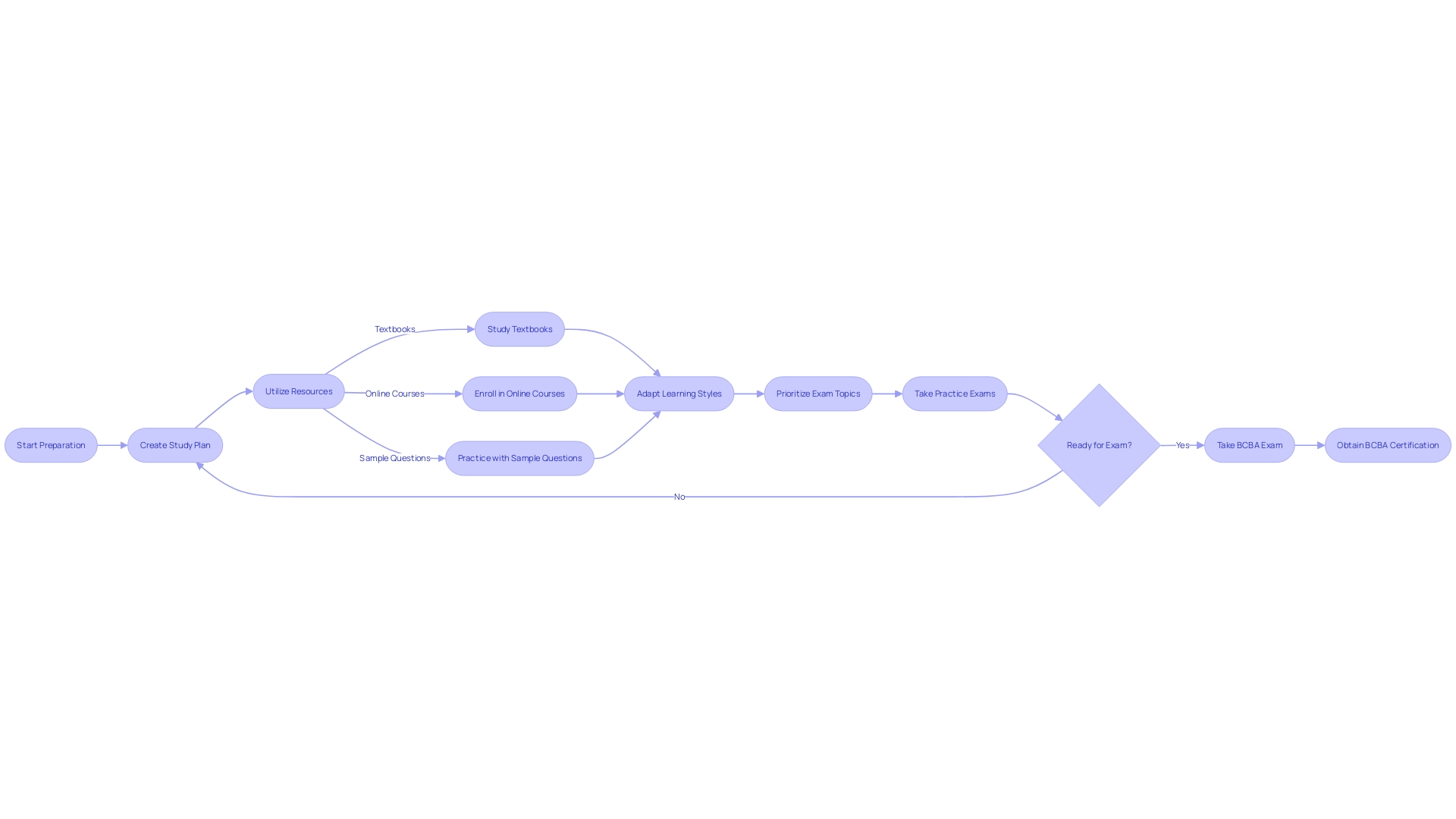
Obtaining certification as a is a substantial pursuit, requiring an extensive understanding of analysis of actions principles and a strategic method to . The exam covers a variety of subjects, such as measurement, experimental design, , and ethical considerations. To succeed, one must be intimately familiar with the content areas outlined by the .
A structured is essential, incorporating dedicated study periods for each topic. Resources such as textbooks, online courses, and practice exams are valuable tools for comprehensive preparation. Additionally, study guides, flashcards, and online forums can offer supplementary support and deepen one's understanding of complex concepts.
Practicing with is crucial to becoming comfortable with the BCBA exam format. Regular exposure to these questions can improve one's test-taking strategies and build confidence. On exam day, maintaining calm and trust in one's preparation is key. Taking breaks can help sustain focus and clarity throughout the exam.
Leveraging varied learning styles—whether auditory, visual, or kinesthetic—can enhance the study process. Personalizing one's study approach to align with individual learning preferences can lead to more effective retention of information. It's also beneficial to prioritize topics based on their frequency in the exam blueprint, allowing for a more focused and efficient preparation.
In the context of career growth, understanding the changing landscape of business analysis is advantageous. Reports like the Global State of Business Analysis offer insights into industry trends and challenges, providing a broader perspective on the professional journey of an analyst. With the appropriate plan and resources, individuals can successfully navigate the exam and begin a .
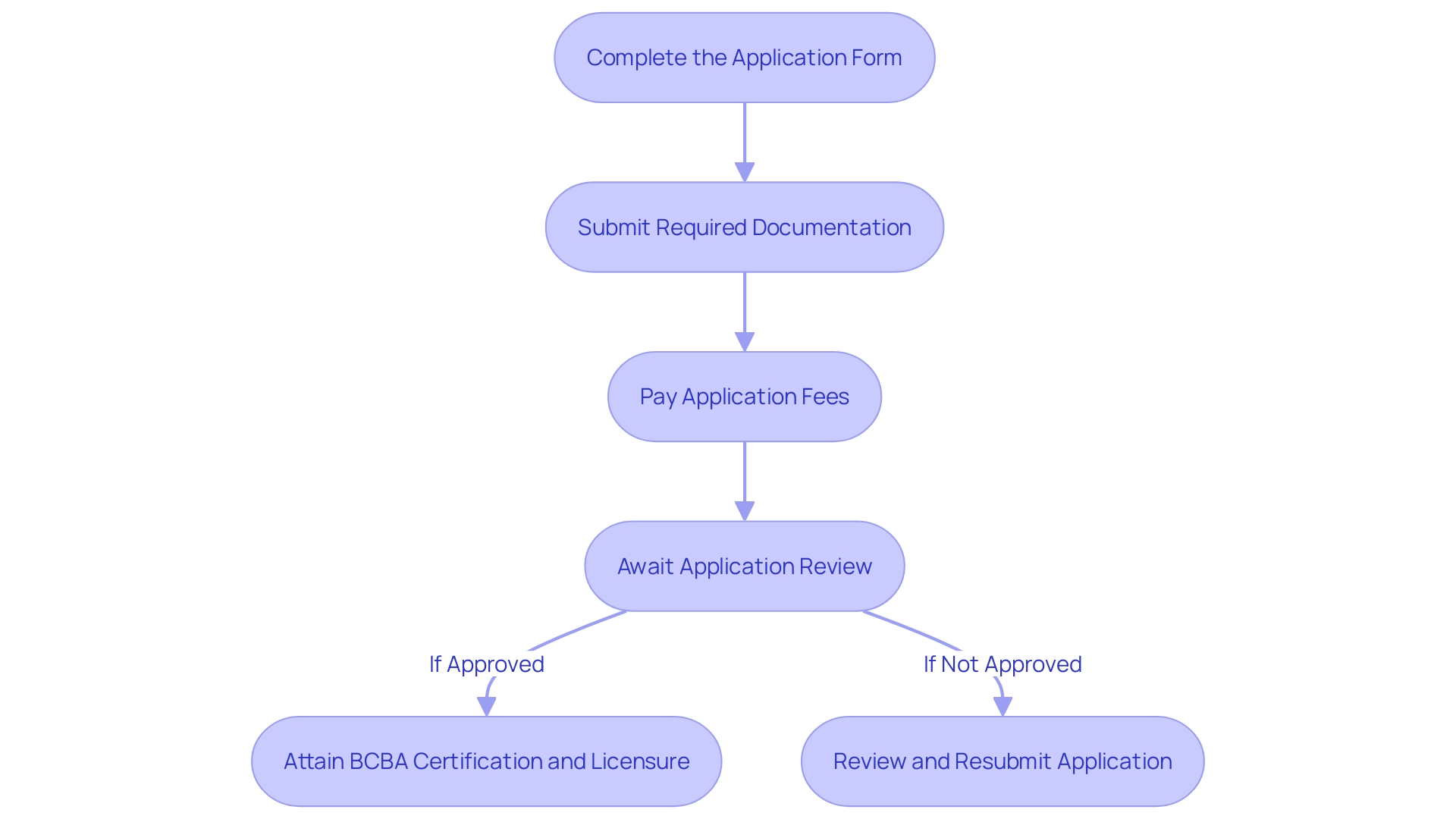
After completing the necessary education, gaining practical knowledge, and passing the examination, you're prepared to start the last stages towards . Here's a streamlined guide to navigate the :
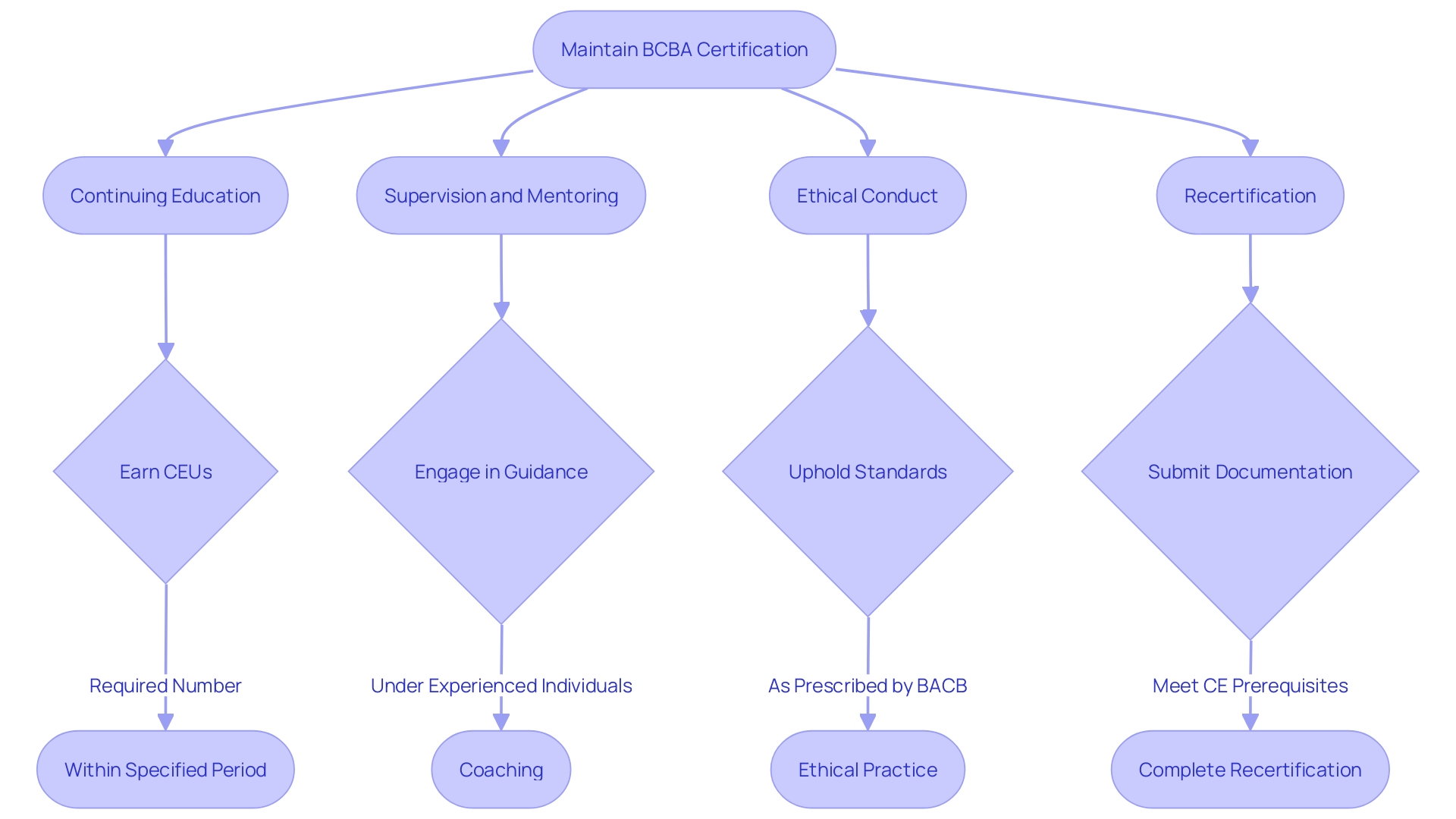
Maintaining your requires a commitment to ongoing development. Here are vital elements to consider:
Diligently following these guidelines ensures that you remain at the forefront of the ABA therapy field, providing exceptional support to individuals with autism.
In conclusion, becoming a Board Certified Behavior Analyst (BCBA) requires a rigorous academic foundation, practical field experience, and successful completion of the BCBA exam. Selecting an accredited program, engaging in comprehensive coursework, and completing a supervised practicum are crucial steps to develop a deep understanding of applied behavioral science.
Gaining field experience through supervised opportunities and collaborating with experienced professionals are essential for success as a BCBA. Applying a strategic approach to prepare for and pass the BCBA exam is key.
After fulfilling educational requirements, accumulating field experience, and passing the BCBA exam, individuals can apply for certification and licensure. Following the application process, successful candidates are awarded BCBA certification, officially recognizing them as competent professionals.
Maintaining BCBA certification requires ongoing professional development, including continuing education, supervision and mentoring, and upholding ethical standards. These elements ensure that BCBA professionals stay updated, refine their skills, and remain at the forefront of the ABA therapy field.
By following these steps and committing to ongoing professional development, individuals can succeed in their journey to become a BCBA. The valuable insights and expert advice provided in this article empower individuals to make a significant impact in the lives of those they serve.
What educational requirements are needed to become a BCBA?
To become a BCBA, you must enroll in a graduate program accredited by the Behavior Analyst Certification Board (BACB) and complete the comprehensive coursework that covers core principles, methodologies, and intervention strategies in behavior analysis.
Why is it important to select an accredited program for BCBA?
An accredited program ensures that the education you receive aligns with the highest standards in the field of behavior analysis, preparing you with a rigorous academic foundation that is recognized for its excellence and relevance.
What is the purpose of a supervised practicum in the BCBA program?
A supervised practicum provides the opportunity to apply theoretical knowledge to practical scenarios under the mentorship of an experienced supervisor, which is crucial for acquiring real-world knowledge and preparing for professional challenges.
How do I gain the required field experience for BCBA certification?
You can gain field experience by engaging in supervised fieldwork opportunities in various settings, collaborating with experienced ABA professionals, and documenting your fieldwork to serve as proof of your commitment and progress.
What should I focus on when preparing for the BCBA exam?
When preparing for the BCBA exam, focus on understanding the content areas outlined by the BACB, using study resources such as textbooks, practice exams, and study groups, and practicing with sample questions to become comfortable with the exam format.
How do I apply for BCBA certification and licensure?
To apply for BCBA certification and licensure, complete the BACB's application form, submit required documentation like transcripts and field experience verification, pay the application fees, and await the review of your application.
What are the ongoing requirements to maintain BCBA certification?
Maintaining your BCBA certification requires engaging in continuing education, participating in supervision and mentoring, upholding ethical standards, and adhering to the BACB's recertification requirements by meeting continuing education prerequisites and submitting necessary documentation.
Why is continuing education important for a BCBA?
Continuing education is important for a BCBA to stay current with the latest advancements and research in behavior analysis, ensuring that the certified professional remains knowledgeable and effective in their practice.
What is the significance of ethical conduct for a BCBA?
Ethical conduct is paramount for a BCBA as it relates to professional integrity and the commitment to confidentiality, which are essential in maintaining the trust and welfare of the individuals they assist.
Can I specialize in working with certain populations as a BCBA?
Yes, BCBAs often specialize in working with specific populations, such as individuals on the autism spectrum, by gaining field experience in settings that cater to those populations.